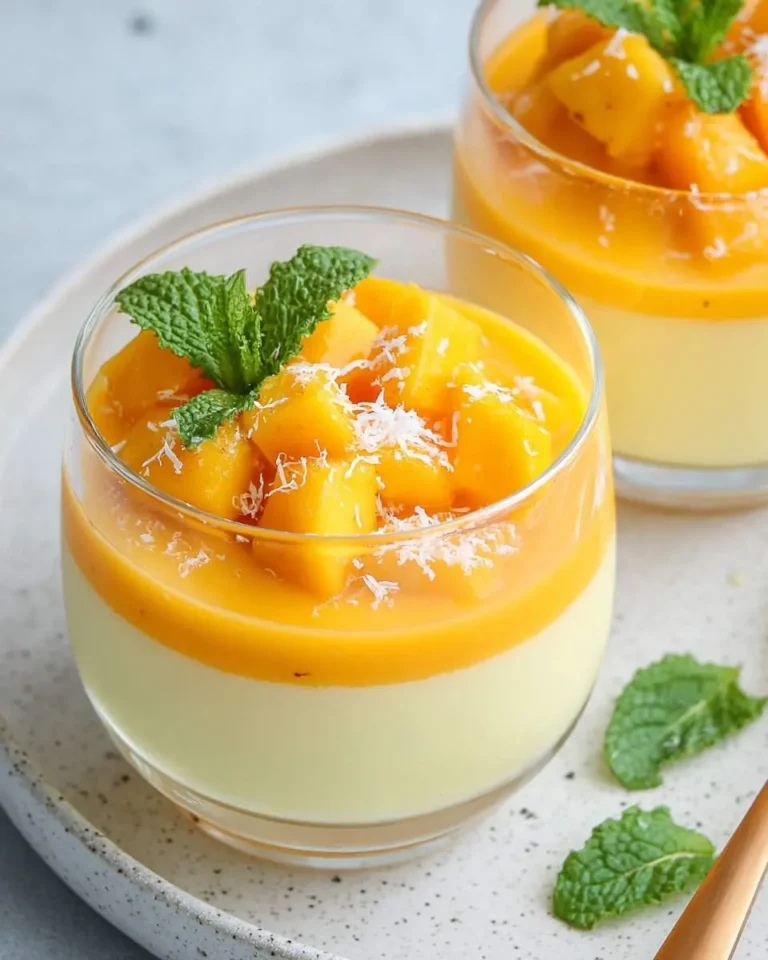
Goat Cheese Puddings
The first spoonful stopped me mid-sentence. That tangy, creamy thing happening on my tongue — I wasn’t expecting it. I’d been chasing something different for weeks, something that wasn’t another chia seed pudding situation or yet another chocolate fix. These goat cheese puddings just sort of happened, born from a half-empty log of chèvre and a whim.
My grandmother kept goats in Vermont. She made cheese in her basement, the whole house smelling of barn and fermentation. I hated it then. Now I chase that funk like a memory I can’t quite hold. This pudding brings her back — not the basement exactly, but the surprise of something sharp turning gentle.
What follows is the recipe that converted my whole dinner table. Even the guy who claims he “doesn’t do dessert” asked for seconds.
What You Need to Make This Recipe
The chèvre matters more than you’d think. Fresh, not aged — you want that clean, lactic tang without the barnyard aggression. Heavy cream carries the texture; skim here and you’ll get grainy sadness. Honey binds it all, but the floral kind, something that tastes like a place. I’ve played with chocolate puddings for years, and I can tell you: the ingredient quality shows more in a simple goat cheese pudding than in almost anything else I make.
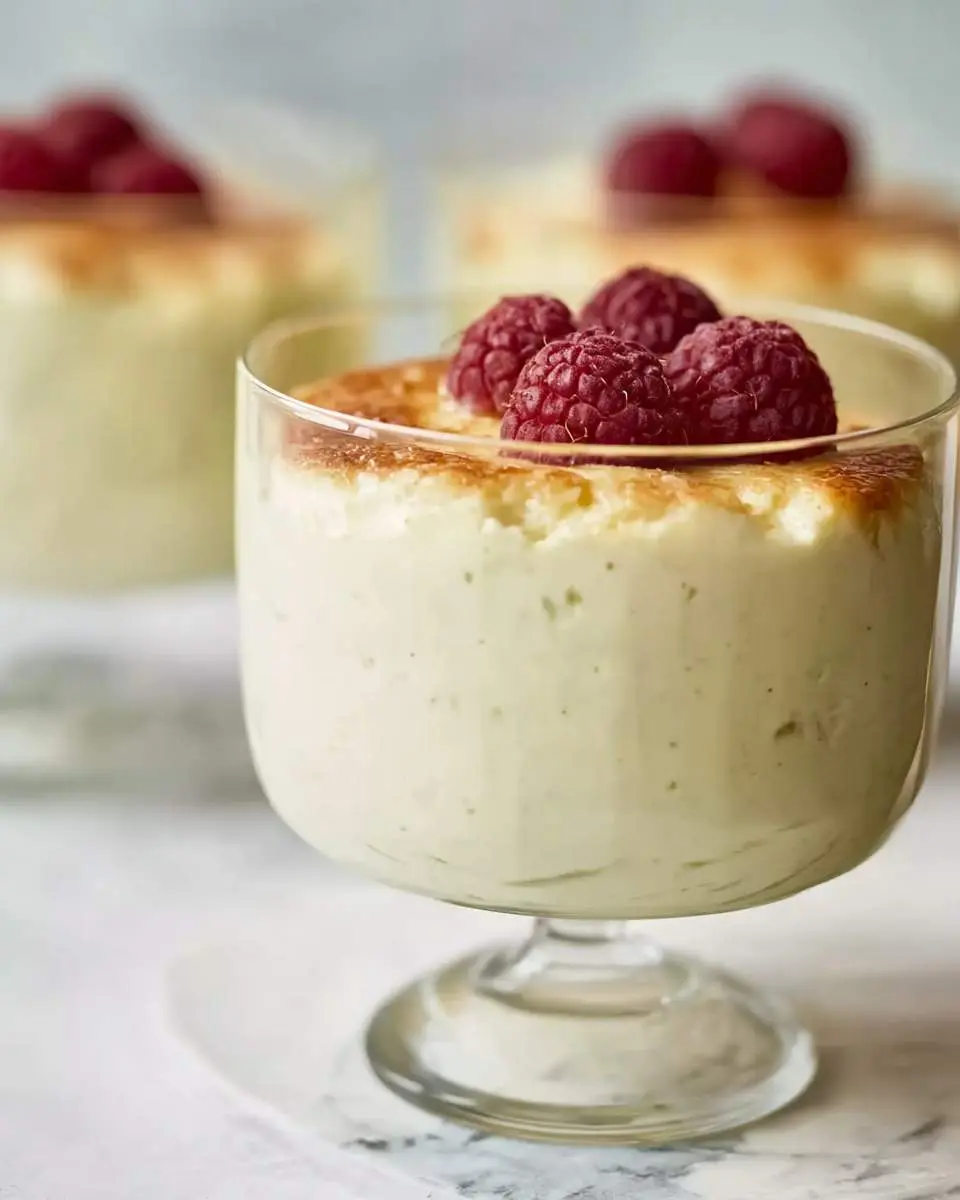
How to Make Goat Cheese Puddings
You start with cold hands and a warm heart. Room temperature chèvre creams easier — I learned this the hard way, watching lumps float in my first attempt like tiny icebergs. Whisk the cheese with honey until it looks like thick frosting, something you’d steal from the bowl. The cream comes in two stages: first a splash to loosen, then the rest folded in like you’re handling something alive. You’ll hear it change — the whisk goes from resistance to silk. That’s your moment. Don’t rush the chill. Four hours minimum, overnight if you can stand the wait. The texture sets into something between mousse and custard, that perfect middle ground. I served these at a dinner party last month alongside ricotta almond pillows, and the two cheeses talked to each other across the plate.
Pro Tips
Scrape the bowl twice. Goat cheese loves to hide in corners, and unmixed pockets ruin the silken thing you’re building. I use a flexible spatula and patience.
Warm your honey slightly. Cold honey seizes the cream, creating streaks that never fully blend. Ten seconds in the microwave, no more.
Choose your vessel wisely. Wide shallow dishes set faster and eat cleaner than deep ramekins. The surface tension matters more than you’d expect.
My Secret Trick: I add a tiny pinch of flaky salt on top just before serving. Not enough to taste salty — enough to make the honey sing and the goat cheese taste more like itself.
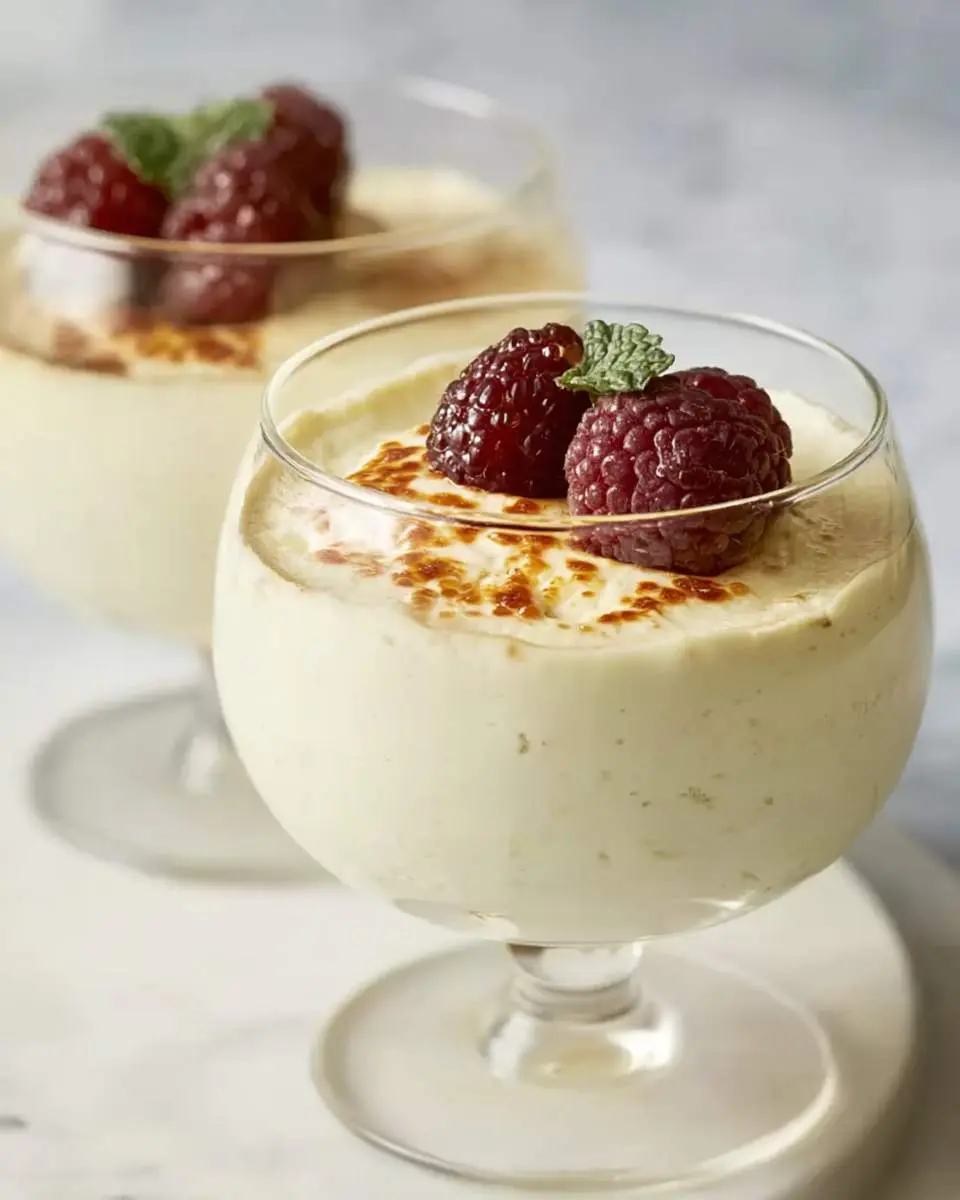
How to Store Goat Cheese Puddings
- Refrigerate covered with plastic wrap pressed directly to the surface for up to 4 days
- Use glass containers only — metal can react with the cheese and create off flavors
- Freeze in individual portions for up to 2 months, though the texture will soften slightly upon thawing
- Thaw overnight in the refrigerator, never at room temperature
- Do not reheat — serve cold or barely cool for best texture
Nutritional Benefits
Goat cheese brings more to the table than indulgence. The protein content keeps you satisfied longer than sugar-heavy desserts, and the fermentation means easier digestion for folks who struggle with cow’s milk. That tangy profile in goat cheese puddings comes from caprylic acid, which has some interesting research around gut health. I won’t call this health food, but I sleep fine after eating it.

FAQs
Can I use aged goat cheese instead of fresh?
Fresh chèvre is non-negotiable here. Aged goat cheese is too dry and pungent — it won’t cream properly and the flavor overwhelms the delicate balance. Look for logs in the specialty cheese case, not the crumbles.
Why did my pudding turn out grainy?
Cold ingredients are usually the culprit. Let your cheese and cream come to room temperature before mixing, and add the cream gradually. If graininess happens, a quick pass through a fine mesh sieve saves the batch.
Can I make these ahead for a dinner party?
Absolutely — they’re better after a full day in the refrigerator. The flavors meld and the texture sets to that perfect spoonable consistency. Just hold the salt garnish until serving.
What can I use instead of honey?
Maple syrup works beautifully, especially the darker Grade B variety. Avoid granulated sugar — it doesn’t dissolve fully in the cold mixture and creates grit. Goat cheese puddings need liquid sweeteners for that silky finish.
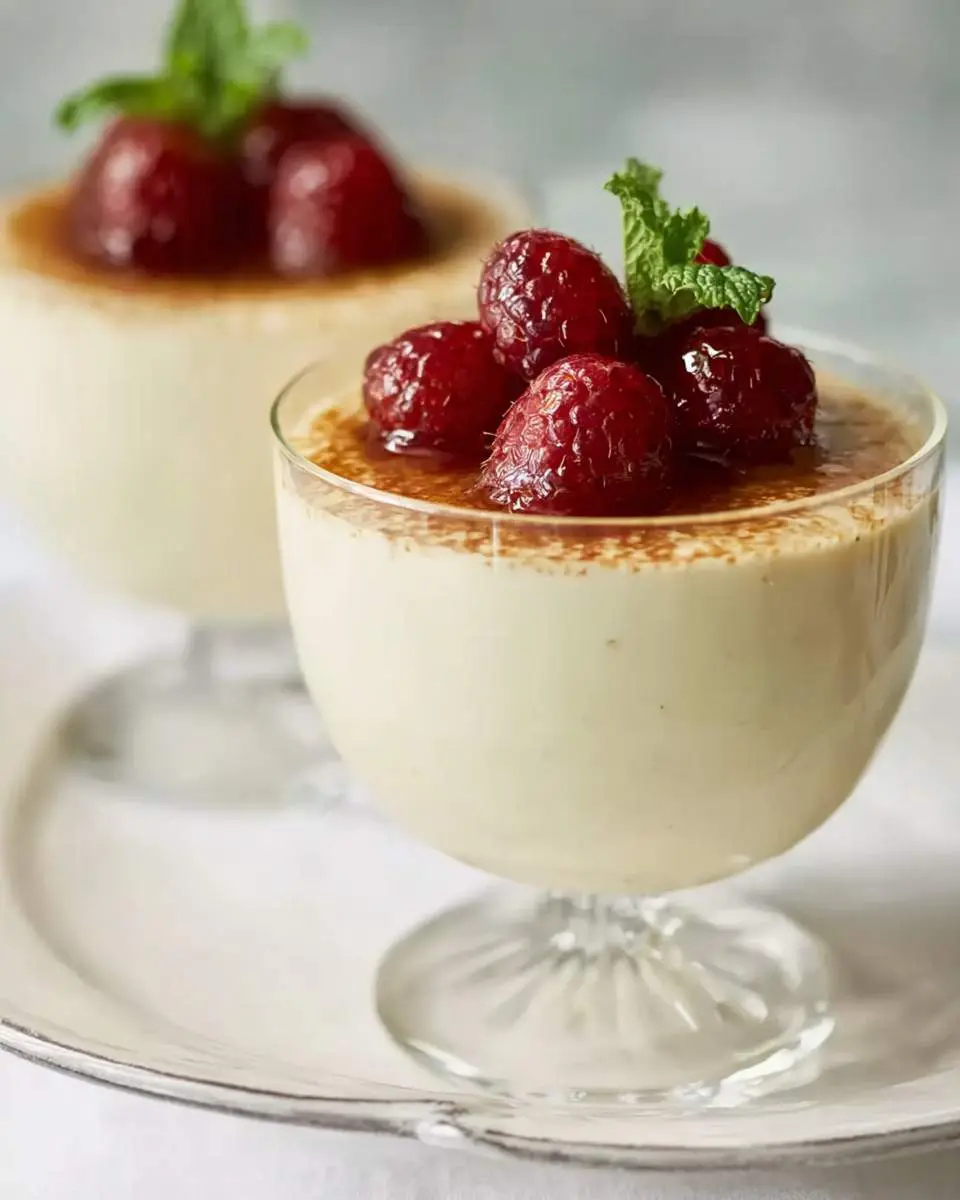

Goat Cheese Puddings
Ingredients
Equipment
Method
- Preheat oven to 325°F. Arrange six 6-ounce ramekins in a roasting pan or deep baking dish, leaving space between them for water to circulate.
- In a medium saucepan, combine milk and cream. Heat over medium-low until steaming and small bubbles form at the edges, about 5 minutes. Do not boil. Remove from heat.
- In a large bowl, whisk goat cheese until smooth and creamy with no lumps. Whisk in honey, vanilla, salt, and thyme leaves. Add eggs one at a time, whisking well after each. Slowly pour in the warm dairy mixture in a thin stream, whisking constantly, until fully combined.
- Pour the custard through a fine-mesh sieve into a large measuring cup or bowl with a spout. Divide evenly among the ramekins, filling each about three-quarters full. Skim off any foam with a spoon.
- Carefully pour hot water into the roasting pan until it reaches halfway up the sides of the ramekins. Bake until the centers are just set with a slight jiggle, 30 to 35 minutes. The edges will look firm but the centers should quiver like Jell-O when nudged.
- Remove ramekins from water bath and cool on a wire rack for 20 minutes. Serve warm or chilled. Drizzle with additional honey and garnish with thyme sprigs just before serving.
Notes
Conclusion
I still think about my grandmother’s basement sometimes, that particular fermentation smell. These goat cheese puddings don’t recreate it — they translate it into something I actually want to eat. Make them for someone skeptical. Watch their face change. And if you’re still chasing that creamy, tangy thing, try my lemon cheesecake mousse next — it hits a similar note with brighter edges.