Lebanese Fattoush Salad
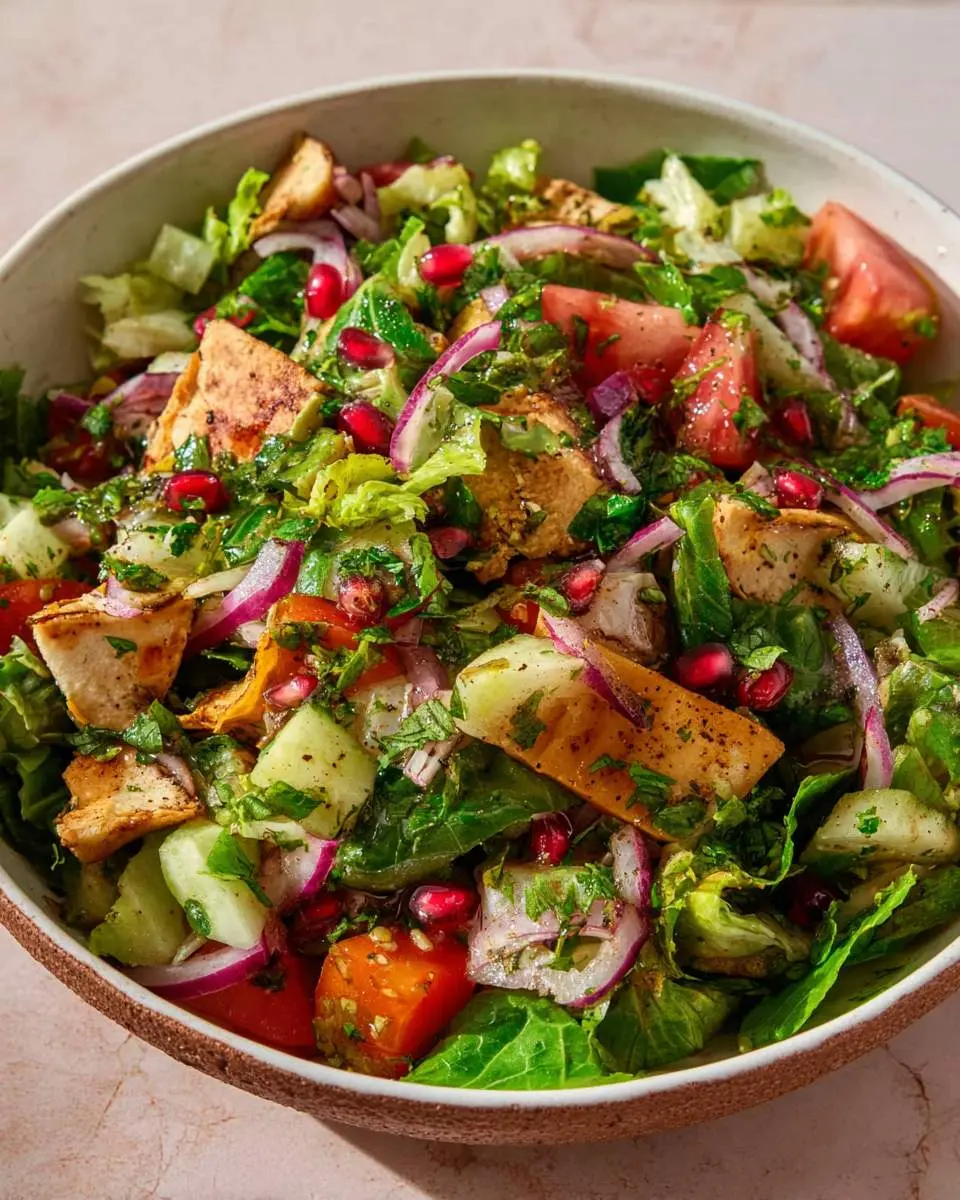
The first time I tasted real fattoush, I was sitting on a plastic chair in a tiny Beirut courtyard, and the heat was so thick I could wear it. A woman I never learned the name of brought out a bowl of torn bread and vegetables glistening with something that smelled like summer itself , tart, green, alive. That was my real introduction to Lebanese Fattoush Salad, and I have been chasing that exact feeling ever since.
Back home in my kitchen, I tried recreating it for years with disappointing results. The bread went soggy. The dressing fell flat. Then one afternoon, frustrated and hungry, I called my friend Rima and made her walk me through every detail her grandmother taught her. The missing piece was sumac , not just a sprinkle, but enough to make the whole bowl blush.
Now this salad lives in my regular rotation, especially when I need something substantial enough for dinner but lighter than my usual honey mustard chicken pasta salad. It never fails to transport me back to that courtyard.
What You Need to Make This Recipe
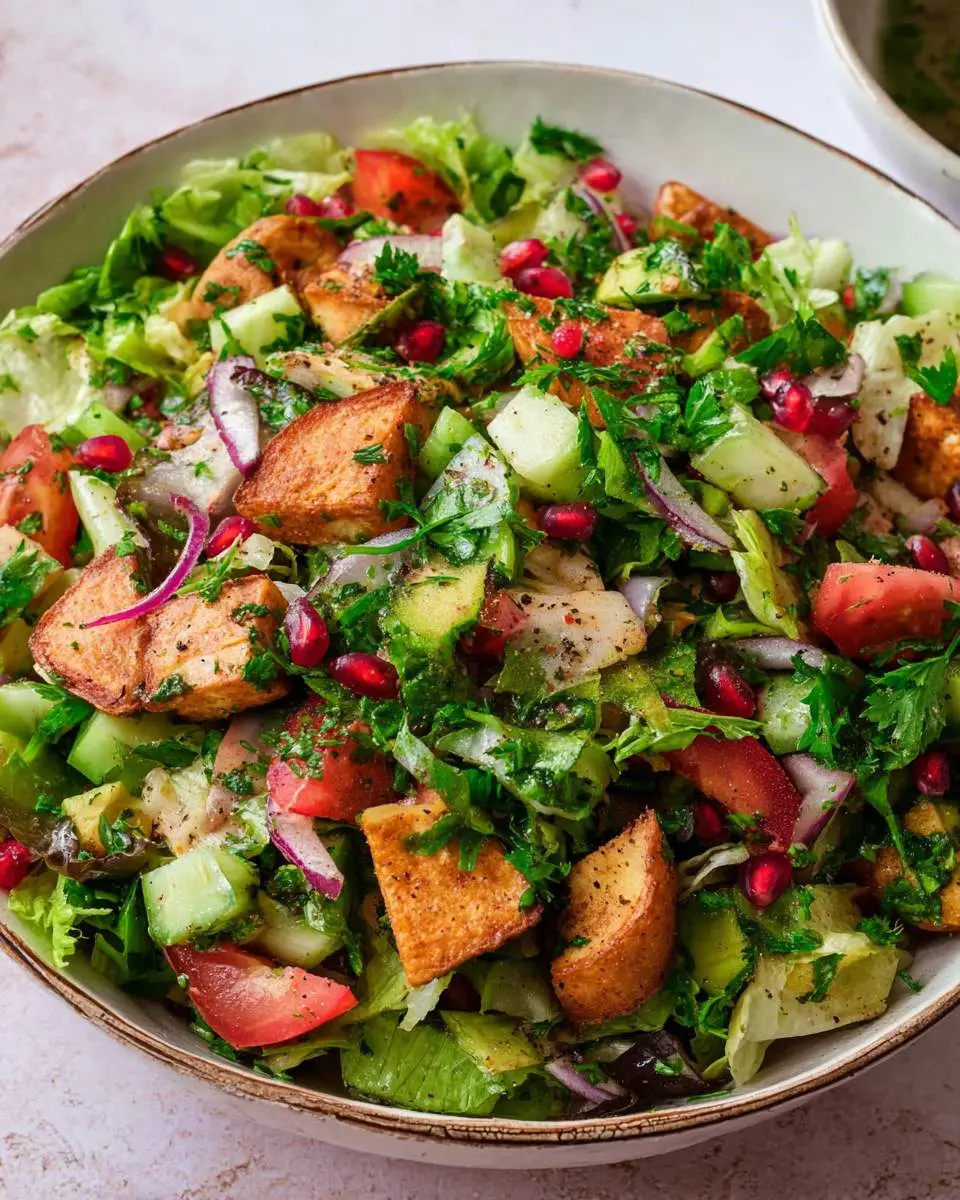
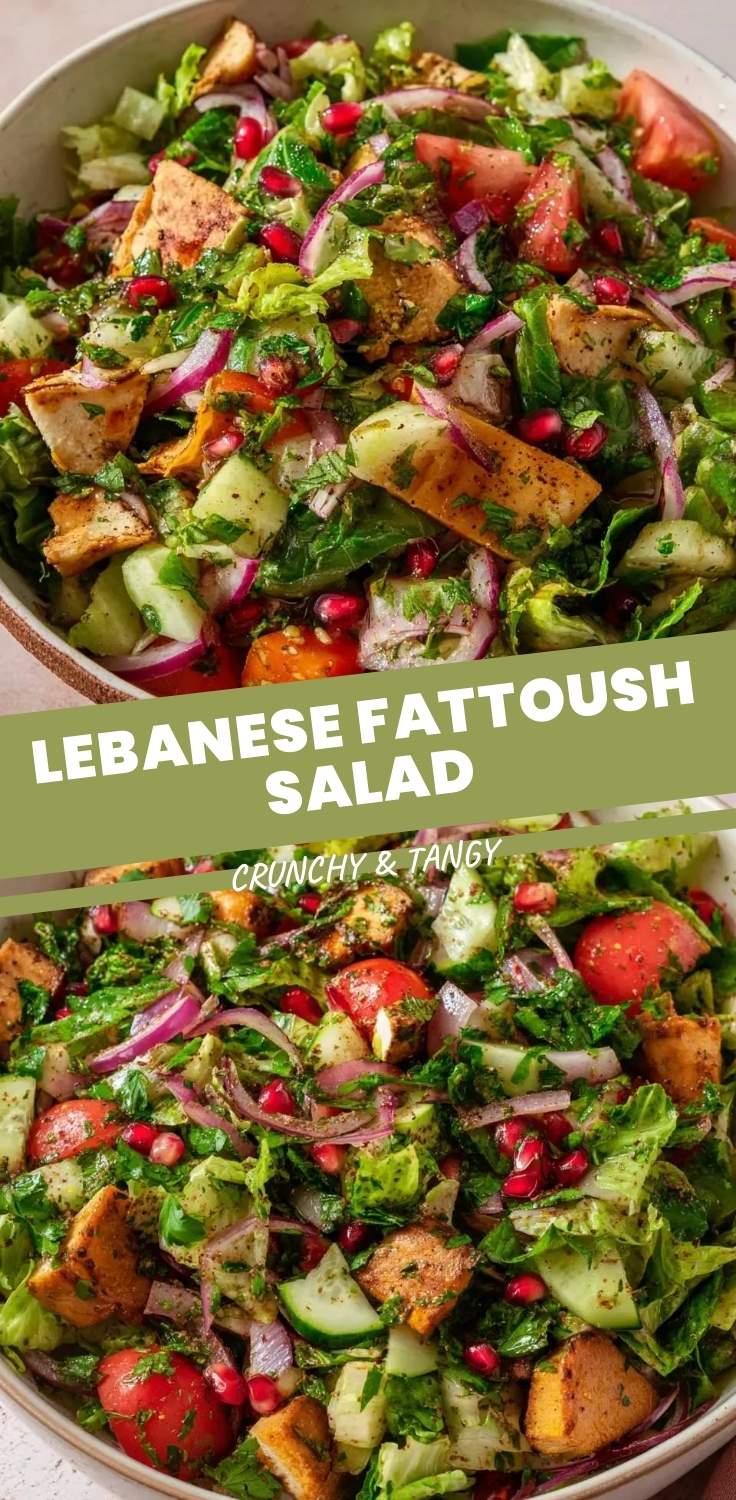
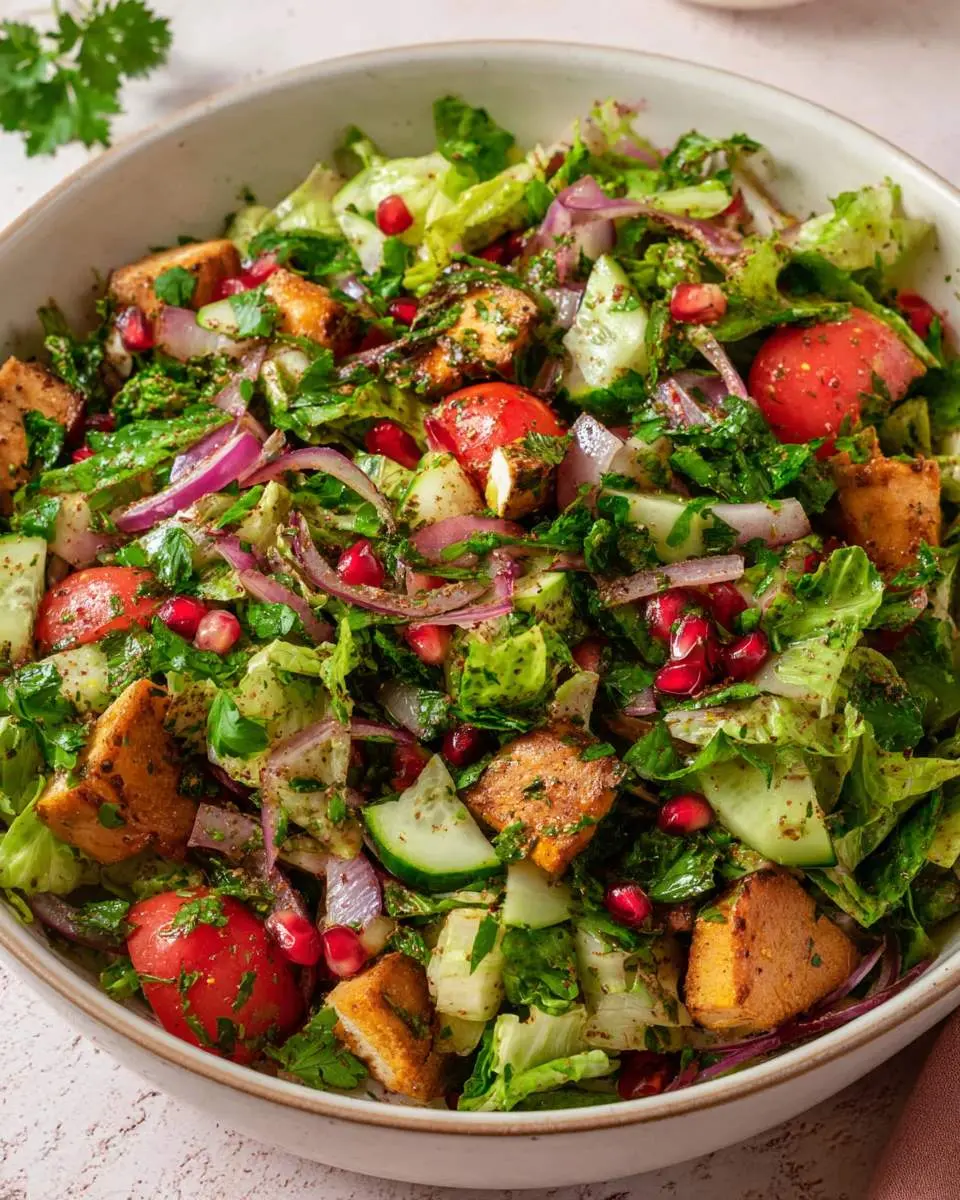
The magic of Lebanese Fattoush Salad lives in contrasts , crisp against soft, bright against earthy , and that starts with your shopping list. You need sturdy pita bread, the kind with heft, because it needs to hold up to dressing without dissolving into mush. Sumac is non-negotiable; this deep red berry powder gives the dressing its signature tangy-fruit backbone and stains everything the most beautiful rust color. Fresh purslane is traditional and worth hunting down at Middle Eastern markets , its succulent leaves and slight lemon edge make supermarket lettuce taste like an imposter. If you are building a broader salad repertoire, my green goddess avocado salad uses a completely different dressing philosophy that pairs beautifully with this one on a summer table.
How to Make Lebanese Fattoush Salad
I start by tearing my pita into ragged, bite-sized pieces , never uniform squares, the irregular edges catch more dressing , and toasting them until they sound hollow when I tap them against the counter. The kitchen fills with this warm, wheaty aroma that makes me hungry all over again. While they cool, I chop vegetables with deliberate unevenness: cucumber in half-moons, tomato in wedges that release their juices, radish in thin coins that pepper the bowl with pink.
The dressing comes together in a jar with a tight lid. Olive oil, lemon juice, pomegranate molasses, sumac, and a crushed clove of garlic. I shake until my arm aches and the emulsion turns creamy and coral-colored. The moment the dressing hits the vegetables, everything changes , the tomatoes soften slightly, the herbs release their oils, and that sharp sumac tang rises up to meet you.
I add the bread last, right before serving, and toss with my hands so I can feel when every piece has been kissed with dressing but not drowned. For another Mediterranean approach to building layers in a bowl, my Greek bean salad uses a similar philosophy of texture-first construction.
Pro Tips
Toast the pita twice if you can. First in the oven until dry, then a quick flash in a hot skillet with a whisper of olive oil. The second toast creates micro-blisters that grab onto dressing like nobody’s business, and the slight char adds a bitter note that balances the sweet pomegranate molasses.
Chop your herbs last and add them just before the bread. Mint and parsley bruise so easily, and once they go muddy, the whole salad loses its sparkle. I keep them in cold water until the absolute last minute, then shake them dry like I’m snapping a towel.
Let the dressed vegetables sit for ten minutes before adding bread. This brief rest allows the salt and acid to slightly pickle the tomatoes and cucumbers, intensifying their flavor without turning them soft. Your Lebanese Fattoush Salad will taste deeper, more intentional.
My Secret Trick: I save the oil from a jar of good olives and use a tablespoon of it in the dressing. It carries a subtle briny funk that makes people ask what your secret is , I never tell until they’ve had thirds.
How to Store Lebanese Fattoush Salad
- Store undressed vegetables and dressing separately in airtight containers in the refrigerator for up to 3 days at 40°F or below
- Keep toasted pita bread in a paper bag at room temperature for 2 days, or freeze in a zip-top bag for up to 1 month
- Assembled salad with bread added does not store well , consume within 2 hours or the bread will become irreversibly soggy
- Leftover dressing keeps refrigerated for 5 days; shake vigorously before using as the sumac settles
- Do not freeze the assembled salad; vegetables become waterlogged and lose their characteristic crunch
Nutritional Benefits
Lebanese Fattoush Salad delivers genuine nourishment without ever feeling like health food. The sumac that gives this dish its identity is packed with anthocyanins and has been studied for its anti-inflammatory properties , I notice my joints feel less achy when I eat it regularly. Pomegranate molasses brings more than depth of flavor; it carries polyphenols and a concentrated dose of the same antioxidants found in fresh pomegranate arils, making that sweet-tart drizzle work harder than any simple sugar ever could.
FAQs
Can I make fattoush without pomegranate molasses?
You can substitute a teaspoon of honey plus extra lemon juice, but the complexity will suffer. Pomegranate molasses brings irreplaceable depth , track it down at Middle Eastern markets or online, and you will use it in everything once you taste its power.
What is the best bread for authentic fattoush?
Seek out thin, pocketless Lebanese pita rather than fluffy Greek-style pita. The thinner bread toasts crisper and shatters better against the juicy vegetables. Day-old bread actually works best since it has less moisture to fight the toasting process.
Why does my fattoush get soggy so quickly?
The bread absorbs dressing rapidly, so timing is everything. Add bread only at service, and consider keeping extra toasted pieces on the side for guests who want more crunch. This Lebanese Fattoush Salad is best eaten within minutes of assembly.
Is purslane essential or can I substitute?
Purslane is traditional and worth finding for its succulent texture and omega-3 content, but watercress or baby spinach can substitute in a pinch. Avoid iceberg lettuce , it adds nothing but water and dilutes the bold flavors you have built.

Lebanese Fattoush Salad
Ingredients
Equipment
Method
- Preheat oven to 375°F. Tear pita into rough 1-inch pieces and spread on a baking sheet. Drizzle with 2 tablespoons olive oil, toss to coat, and spread in a single layer. Bake 8-10 minutes until deep golden and crisp, stirring once halfway through. Set aside to cool completely - they will crisp further as they cool.
- In a small bowl, whisk together olive oil, lemon juice, sumac, minced garlic, pomegranate molasses, salt, and pepper until emulsified. Taste and adjust - it should be bright, tangy, and lightly fruity from the sumac.
- In a large bowl, combine chopped romaine, cucumber, tomatoes, radishes, parsley, mint, and green onions. The vegetables should be cut into similar bite-sized pieces so every forkful has variety.
- Pour dressing over vegetables and toss gently to coat. Add about two-thirds of the toasted pita and fold in briefly - you want some pieces to absorb dressing and others to stay crunchy. Transfer to a serving platter, scatter remaining pita on top, and finish with a generous sprinkle of sumac. Serve immediately while textures are distinct.
Notes
Conclusion
This Lebanese Fattoush Salad has become my love letter to that unnamed woman in Beirut, to Rima’s patience, to the power of a single spice to transform memory into something I can share. Make it once and it will find its way into your regular rotation too. If you are craving something heartier next, my tzatziki chicken salad carries some of the same bright Mediterranean energy with more protein to carry you through.