Loaded Baked Potato Casserole
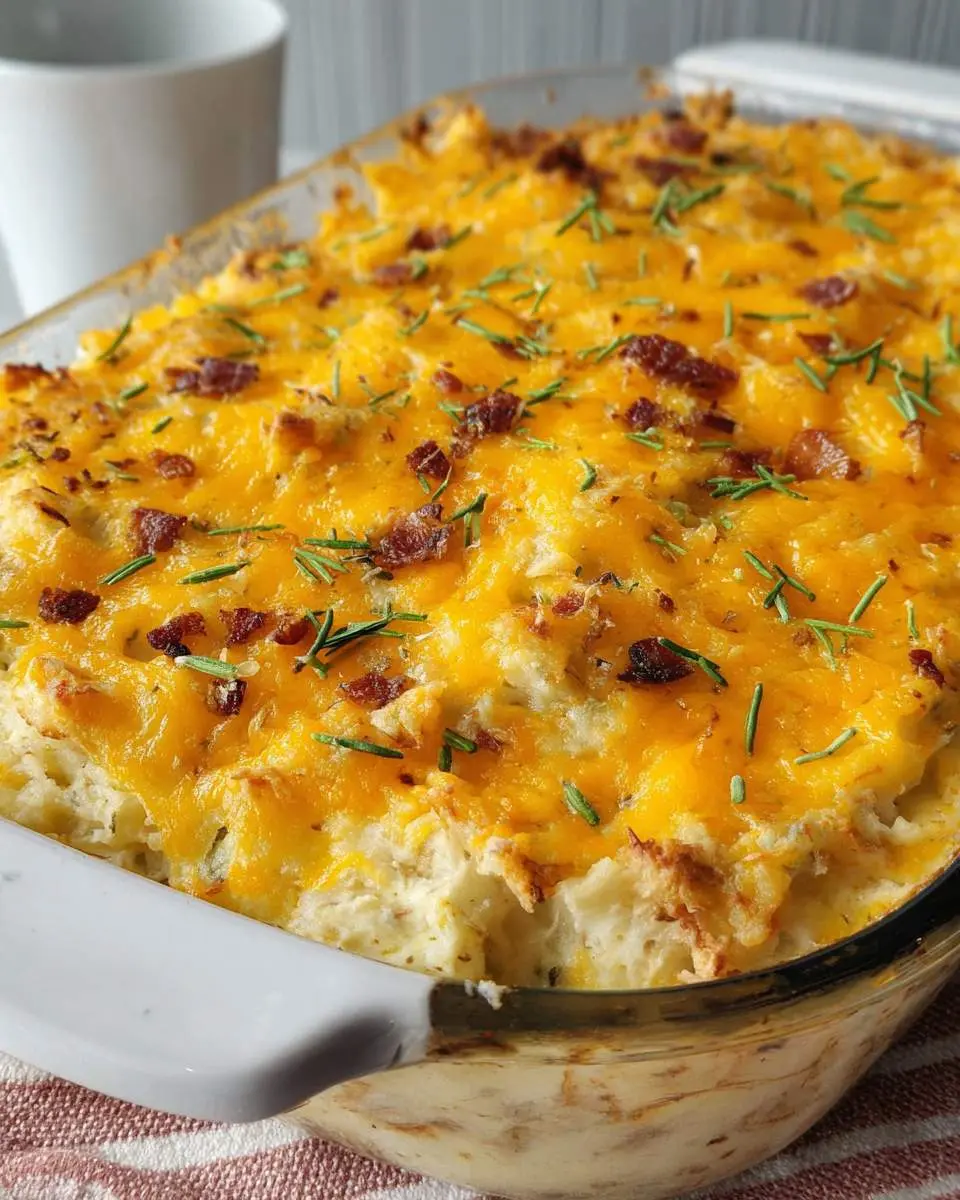
The first time I pulled a bubbling, golden pan of loaded baked potato casserole from my oven, the smell of smoky bacon and melting cheddar stopped my husband mid-conversation. He just stood there in the kitchen doorway, sniffing the air like a bloodhound who’d found the prize. That creamy, cheesy, everything-good-about-a-baked-potato-but-easier moment hooked me instantly.
My grandmother made twice-baked potatoes for every holiday, and I loved them desperately. But standing at the counter, scooping and refilling two dozen potato skins while everyone else laughed in the living room? That part I didn’t love. I wanted her flavors without her workload, without missing the good stuff happening in the next room.
This recipe became my answer, and it’s become the most requested dish at our table. If you’re craving something similarly comforting with a low-carb twist, my broccoli and smoked sausage casserole hits that same cozy note.
What You Need to Make This Recipe
The potatoes matter more than you’d think. I use russets that bake up fluffy and absorbent, ready to drink in every bit of sour cream and butter. Thick-cut bacon beats thin every time; it stays chewy-crisp instead of disappearing into greasy bits. And please, shred your own cheddar. The pre-bagged stuff has anti-caking agents that make it waxy instead of gloriously melty. For another layered vegetable dish that plays with cheese in the best way, my eggplant lasagna uses similar principles with completely different results.
How to Make Loaded Baked Potato Casserole
I start by baking the potatoes until they’re almost too soft, because underdone potatoes fight back when you mash them. The kitchen fills with that earthy, starchy smell that makes me hungry even when I just ate. Once they’re cool enough to handle, I cube them roughly, leaving some skin on for texture and that rustic, homemade look.
The bacon goes into a cold skillet so the fat renders slowly; I listen for that shift from quiet sizzling to aggressive crackling that means it’s nearly done. I drain most of the grease but leave a tablespoon to sauté the onions until they’re translucent and sweet. Mixing everything together feels almost too easy , potatoes, sour cream, half the cheese, half the bacon, green onions for bite , and I always sneak a taste at this stage, when it’s still warm and loose.
Into a buttered dish it goes, topped with the remaining cheese and bacon, then into a hot oven until the edges bubble and the top spots brown. That final twenty minutes is torture; the smell intensifies, and I find excuses to walk past the oven. If you’re a potato person through and through, my scalloped potatoes use a completely different technique but deliver that same potato comfort.
Pro Tips
Underbake slightly if making ahead. If you’re assembling this loaded baked potato casserole a few hours before baking, leave the potatoes a tiny bit firm. They’ll finish softening in the oven without turning to mush at the edges.
Layer your cheeses. I use sharp cheddar for flavor and a little Monterey Jack for stretch. The combination gives you that perfect cheese pull without overwhelming the potato.
Let it rest before serving. Ten minutes on the counter lets the casserole set so your first scoop doesn’t collapse into a creamy puddle. The texture difference is dramatic.
My Secret Trick: I save a few tablespoons of the bacon grease and drizzle it over the top before the final bake. It creates invisible flavor pockets that make people ask what your secret is.

How to Store Loaded Baked Potato Casserole
- Refrigerate leftovers in an airtight container within two hours of baking; keeps well for 3 to 4 days at 40°F or below.
- Freeze individual portions wrapped tightly in plastic wrap then foil, stored in freezer bags; best within 2 months for optimal texture.
- Reheat refrigerated casserole covered with foil at 350°F for 20-25 minutes until center reaches 165°F; add a splash of milk if it seems dry.
- Microwave individual portions on 50% power in 1-minute intervals, stirring between, to prevent rubbery cheese and uneven heating.
Nutritional Benefits
Loaded baked potato casserole isn’t health food, but it carries more nutrition than its indulgent reputation suggests. Russet potatoes deliver substantial potassium and vitamin C, especially when you leave the skin on as I do. The sour cream contributes calcium and protein, while the green onions add a small but genuine dose of vitamin K and antioxidants that make me feel slightly better about going back for seconds.

FAQs
Can I use red potatoes instead of russets?
Red potatoes work but create a denser, waxier texture. Russets break down slightly, giving you that fluffy, absorbent base that soaks up all the creamy additions. If you prefer firmer chunks, go ahead and substitute.
How do I prevent the casserole from getting watery?
Drain your baked potatoes well after cubing, and don’t skip the resting period after baking. Excess moisture escapes as steam; cutting into it too early traps that liquid in the dish where it pools at the bottom.
Can I make this ahead for a potluck?
Absolutely. Assemble everything except the final cheese and bacon topping, refrigerate up to 24 hours, then add toppings and bake. Add 10-15 minutes to the baking time since you’re starting from cold.
What protein could I add to make this a full meal?
Diced ham or rotisserie chicken stir in beautifully without extra cooking. For a loaded baked potato casserole that stands alone as dinner, I add about two cups of either, mixed in with the potatoes before baking.

Loaded Baked Potato Casserole
Ingredients
Equipment
Method
- Place potato cubes in a large pot of cold salted water. Bring to a boil over high heat, then reduce to a simmer and cook until just tender when pierced with a knife, about 10-12 minutes. Do not overcook - they should hold their shape. Drain well and let steam in the colander for 5 minutes to dry out.
- Preheat oven to 400F. Transfer dried potatoes to a large bowl. Drizzle with olive oil, season with salt and pepper, and toss gently to coat without breaking them up.
- Spread half the potatoes in an even layer in a greased 9x13 inch baking dish. Dot with half the sour cream (dolloped in small spoonfuls), drizzle with half the melted butter and milk, then sprinkle with 1 cup cheese, half the bacon, and half the scallions.
- Layer the remaining potatoes on top, pressing down gently. Repeat with remaining sour cream, butter, milk, and 1/2 cup cheese (reserve remaining cheese for later).
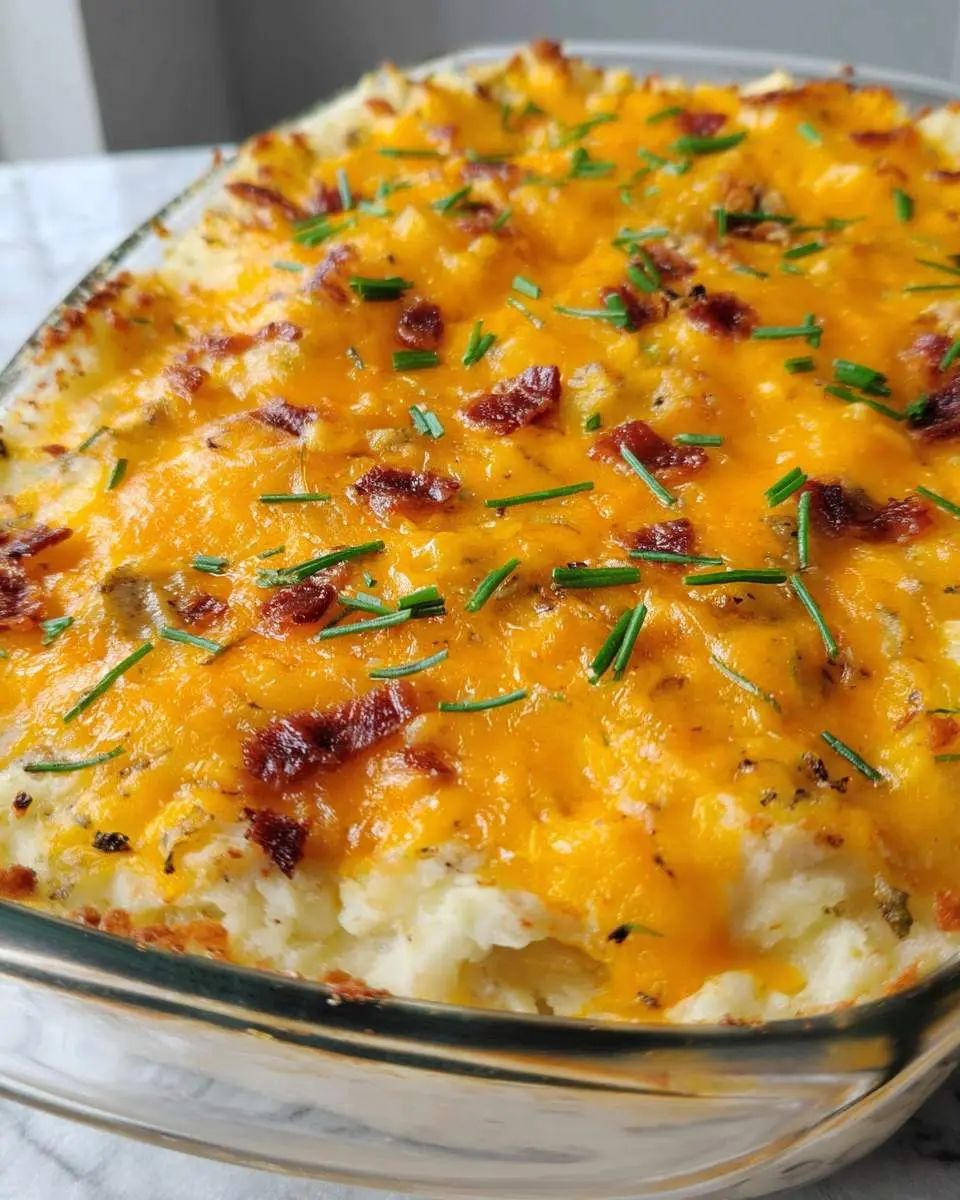
- Bake uncovered for 20 minutes until bubbling around the edges. Remove from oven, sprinkle with remaining 1/2 cup cheese, and return to oven for 10-15 minutes until cheese is melted and lightly golden in spots.
- Let rest for 10 minutes to set. Top with remaining bacon and scallions. Serve hot.
Notes
Conclusion
This loaded baked potato casserole has rescued my holiday sanity and turned weeknight dinners into something my family actually cheers for. It’s the dish I bring when I want guaranteed empty plates and recipe requests. For another crowd-pleasing casserole that starts with a different breakfast staple, my hashbrown casserole delivers that same comfort with its own personality. Make it once, and you’ll understand why it’s earned permanent rotation in my kitchen.