Mango Mousse Cake
The first time I tasted mango mousse cake, I was standing in my grandmother’s kitchen with sunlight streaming through the window. She’d spent all morning pureeing ripe mangoes until they looked like liquid sunset, and I remember thinking no dessert should be this beautiful and this light at the same time. That cloud-like texture haunted me for years until I finally cracked the method myself.
Last summer, I made this cake for my niece’s birthday. She took one bite, closed her eyes, and didn’t speak for thirty seconds. When she finally looked at me, she said, “Auntie, this tastes like a vacation.” That’s the moment I knew this recipe needed to live somewhere permanent, not just in my stained notebook.
What I’m sharing with you isn’t just another pretty dessert. It’s the culmination of dozens of attempts, a few spectacular failures, and one afternoon that changed how I think about mousse. If you’re craving something equally vibrant, my pistachio raspberry cake carries that same bright, fruit-forward energy.
What You Need to Make This Recipe
This mango mousse cake demands ripe, fragrant mangoes — the kind that perfume your whole kitchen when you slice them. I use Ataulfo mangoes when I can find them; their honeyed sweetness means less added sugar and more pure fruit flavor. The gelatin is non-negotiable here — it creates that signature silkiness without heaviness. Heavy cream whipped to soft peaks provides the airy structure, and I always reach for full-fat because anything lighter collapses into sadness. For another fruit-forward dessert that celebrates simplicity, my apple dump cake recipe requires even fewer ingredients but delivers serious comfort.
How to Make Mango Mousse Cake
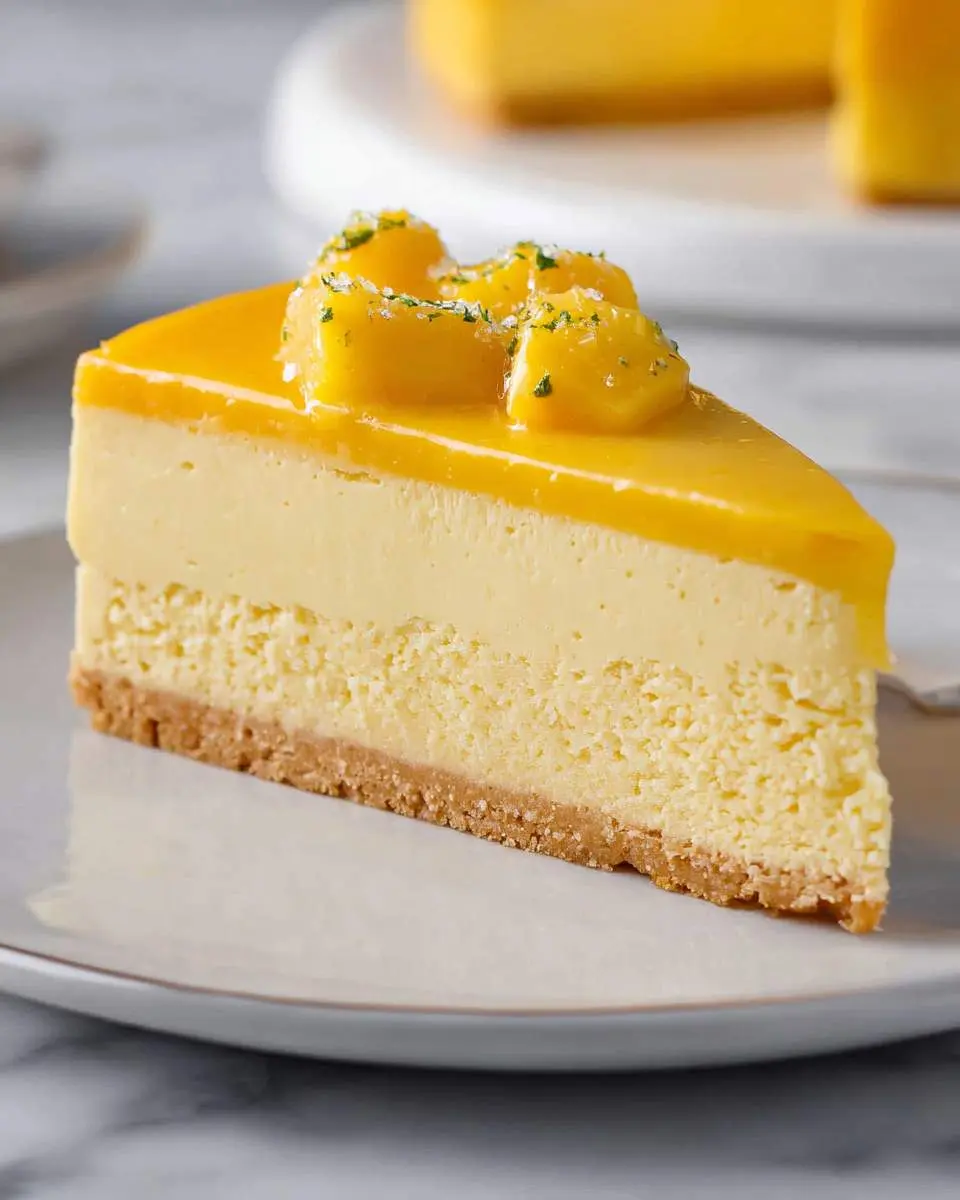
I start by blooming my gelatin in cold water, watching it transform from granules to something that looks like wet sand. While it softens, I peel and dice my mangoes, then blitz them until completely smooth — no fibrous bits allowed. The puree gets gently warmed with sugar, just enough to dissolve everything without cooking away that fresh brightness. This is where patience matters: the mixture must cool to room temperature before meeting the cream, or you’ll have mango soup instead of mousse.
Whipping cream happens in a cold bowl with cold beaters — I keep mine in the freezer for ten minutes first. Soft peaks are the goal: the cream should hold a shape but still fold easily. I sacrifice about a third of the whipped cream into the mango base first, stirring vigorously to lighten everything, then fold in the rest with a rubber spatula, cutting through the center and turning the bowl. The motion feels meditative after a few rounds.
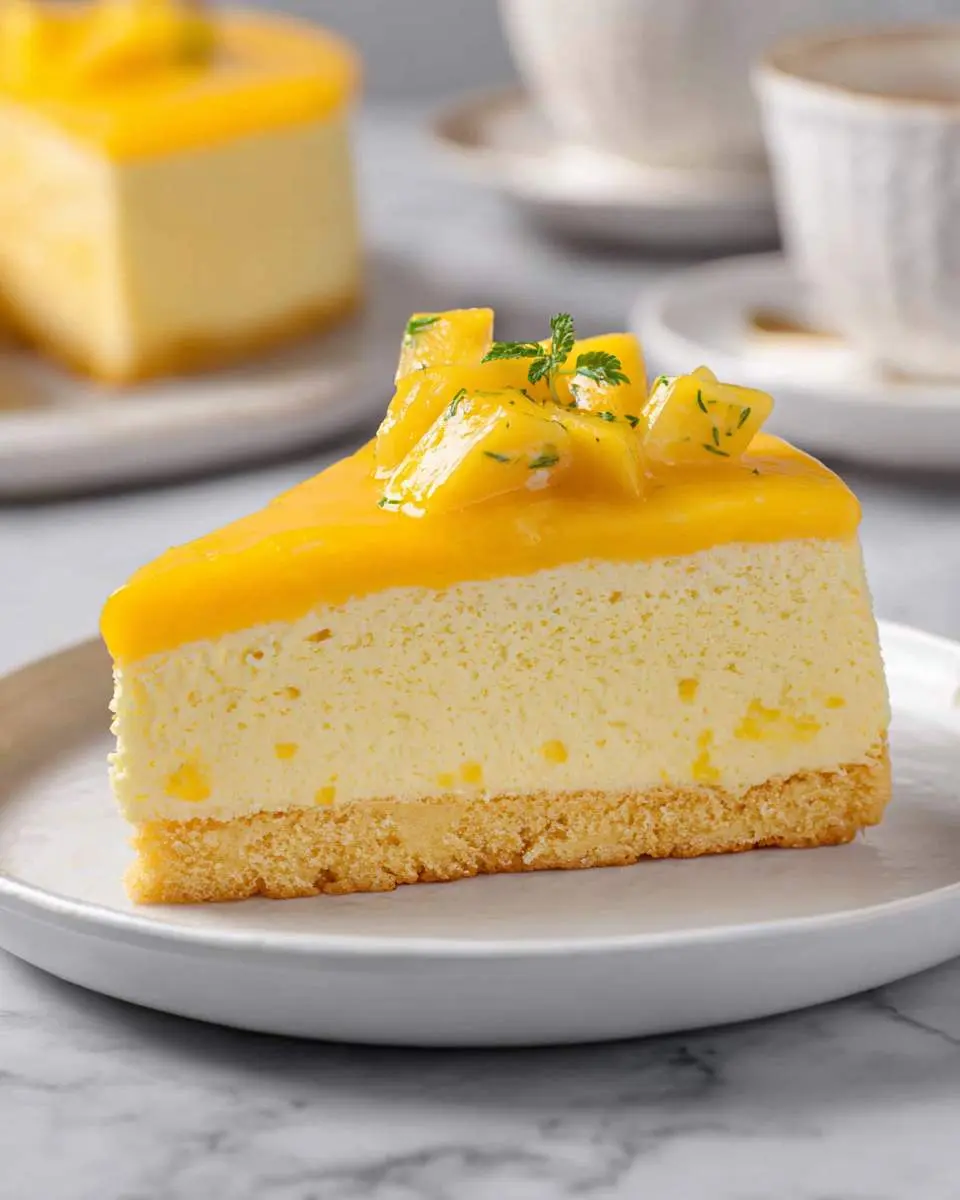
The sponge base comes together while the mousse chills. I bake it thin and springy, something that won’t fight the delicate layers above. Assembly happens quickly: a ring of acetate around the cake keeps everything pristine, layers of mousse and thin mango gelée alternating like sunset stripes. The whole thing needs overnight patience — six hours minimum, but I swear by the full night. If tropical flavors speak to you, my mango coconut cake explores similar territory with a completely different texture.
Pro Tips
Strain your mango puree twice. Those stringy fibers that cling to the seed will ruin the mousse’s silkiness. I press mine through a fine-mesh sieve, then again through cheesecloth. The extra five minutes transforms the final texture from good to unforgettable.
Watch your gelatin temperature like a hawk. Too hot and it kills the cream’s loft; too cool and it sets in lumps before incorporating. I aim for blood-warm, testing on my wrist like a baby’s bottle. This single variable separates elegant mousse from rubbery disappointment.
Chill your mixing bowl between batches. When I’m making multiple layers, I run my bowl under cold water and dry it completely before each whip. Warm cream deflates; cold cream holds its structure through folding and beyond.
My Secret Trick: I brush my sponge layers with a thin coat of mango nectar before adding mousse. It prevents that dry cake edge that sometimes appears after chilling, and it amplifies the fruit flavor so every bite tastes saturated with mango.
How to Store Mango Mousse Cake
- Refrigerate uncovered for the first hour to set the surface, then cover loosely with plastic wrap to prevent condensation
- Store in the coldest part of your refrigerator, ideally at 35-38°F, for up to 3 days
- Freeze individual slices on a parchment-lined sheet until solid, then wrap tightly in plastic and foil for up to 2 weeks
- Thaw frozen slices overnight in the refrigerator — never at room temperature, or the mousse weeps
- No reheating needed or recommended; this cake is designed to be served cold
Nutritional Benefits
This mango mousse cake delivers more than indulgence — ripe mangoes contribute significant vitamin C and beta-carotene, nutrients that actually survive the gentle warming process. The moderate portion of heavy cream provides satiating fat that keeps you satisfied with a smaller slice, making this dessert feel more substantial than its weight suggests. I never pretend cake is health food, but I do appreciate when pleasure and nourishment overlap.

FAQs
Can I use frozen mango for this mousse cake?
Yes, but thaw completely and drain excess liquid first. Frozen mango holds more water, which can make your mousse icy rather than creamy. I prefer fresh when possible, but good frozen Ataulfo works in winter months.
Why did my mousse layer turn rubbery?
Too much gelatin or overheating during the blooming stage. Measure precisely with a scale, not spoons, and never let gelatin mixture boil. The protein structure breaks down above 140°F and resets into something unpleasant.
How do I get clean slices of mango mousse cake?
Dip your knife in hot water and wipe dry between every single cut. The warmth glides through the mousse without dragging, and the clean blade prevents streaking between layers. I keep a towel and pitcher nearby during serving.
Can I make this mango mousse cake dairy-free?
Full-fat coconut cream works as a substitute, though the flavor profile shifts tropical. Chill the can overnight, scoop only the solid cream, and whip as usual. The result is slightly denser but still elegant and completely plant-based.

Mango Mousse Cake
Ingredients
Equipment
Method
- Stir together graham cracker crumbs, melted butter, and sugar until the texture of wet sand. Press firmly into the bottom of a 9-inch springform pan, going about 1 inch up the sides. Bake at 350°F for 8 minutes until set and fragrant. Cool completely on a wire rack, about 20 minutes.
- Puree the cubed mangoes in a blender until completely smooth, scraping down the sides as needed. You need 1.5 cups puree; reserve any extra for serving. Set aside.
- Sprinkle gelatin over cold water in a small bowl. Let stand 5 minutes until spongy, then microwave for 10 seconds until liquid and clear. Whisk immediately into the warm mango puree until fully combined.
- Beat heavy cream and powdered sugar in a large bowl with an electric mixer on medium-high speed until stiff peaks form, about 3 minutes. Be careful not to overbeat. Transfer to another bowl and refrigerate.
- In the same bowl (no need to clean), beat softened cream cheese and lemon juice on medium speed until smooth and fluffy, about 2 minutes. Scrape down the bowl twice. The mixture should be lump-free.
- With mixer on low, gradually add the mango-gelatin mixture to the cream cheese, beating until fully incorporated and smooth. Gently fold in half the whipped cream to lighten, then fold in the remaining cream until no streaks remain. Work quickly before the gelatin sets.
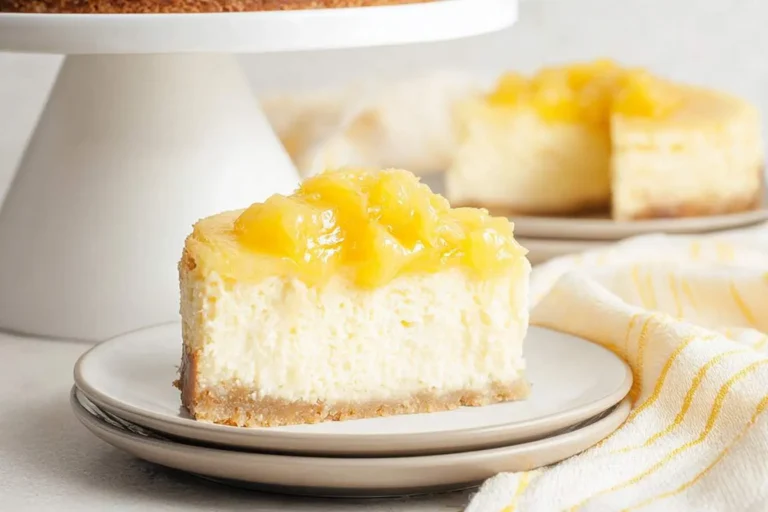
- Pour the mousse over the cooled crust, smoothing the top with an offset spatula. Tap the pan gently on the counter to release air bubbles. Refrigerate uncovered for at least 4 hours, preferably overnight, until completely set and firm to the touch.
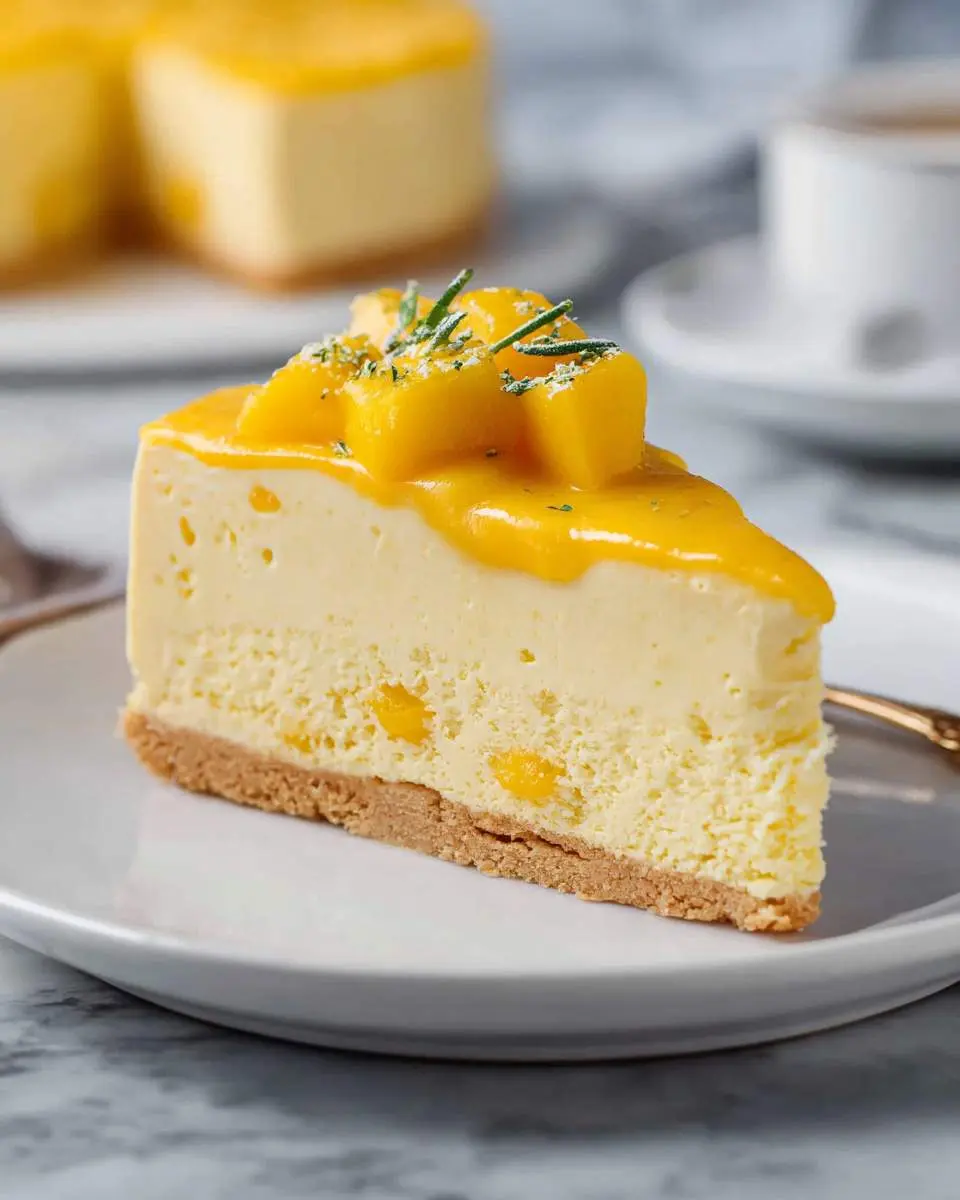
- Run a thin knife around the edge of the pan before releasing the springform. Top with fresh mango slices in a spiral pattern and sprinkle with toasted coconut if desired. Slice with a warm, clean knife for clean cuts.
Notes
Conclusion
This mango mousse cake taught me that patience in the kitchen always rewards you. The overnight wait, the careful folding, the double-straining — every small act of attention shows up in the final bite. Make it for someone you love, or simply for yourself on an ordinary Tuesday that deserves something extraordinary. For another layered adventure, my mango crepe cake stacks twenty whisper-thin crepes into something equally stunning.