Maple Pecan Glazed Salmon
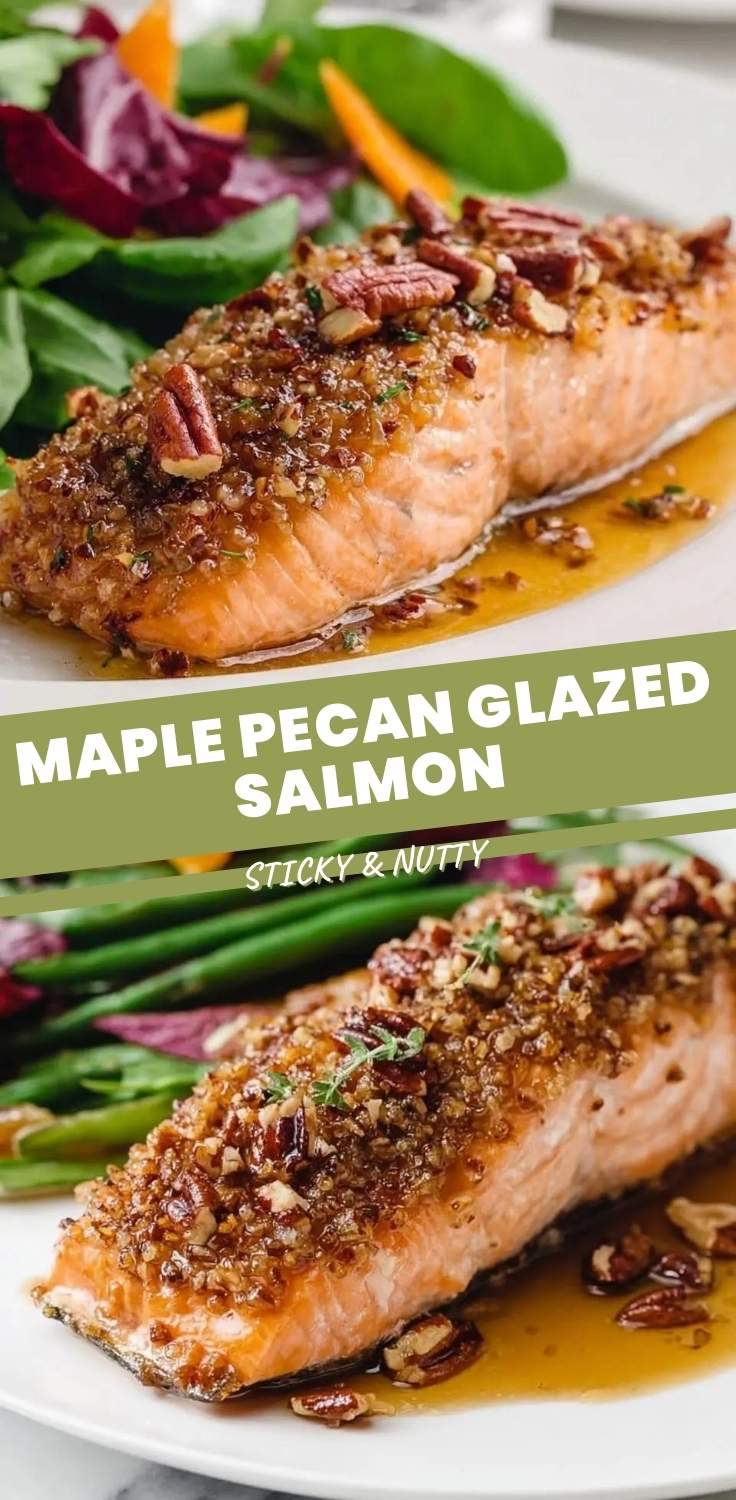
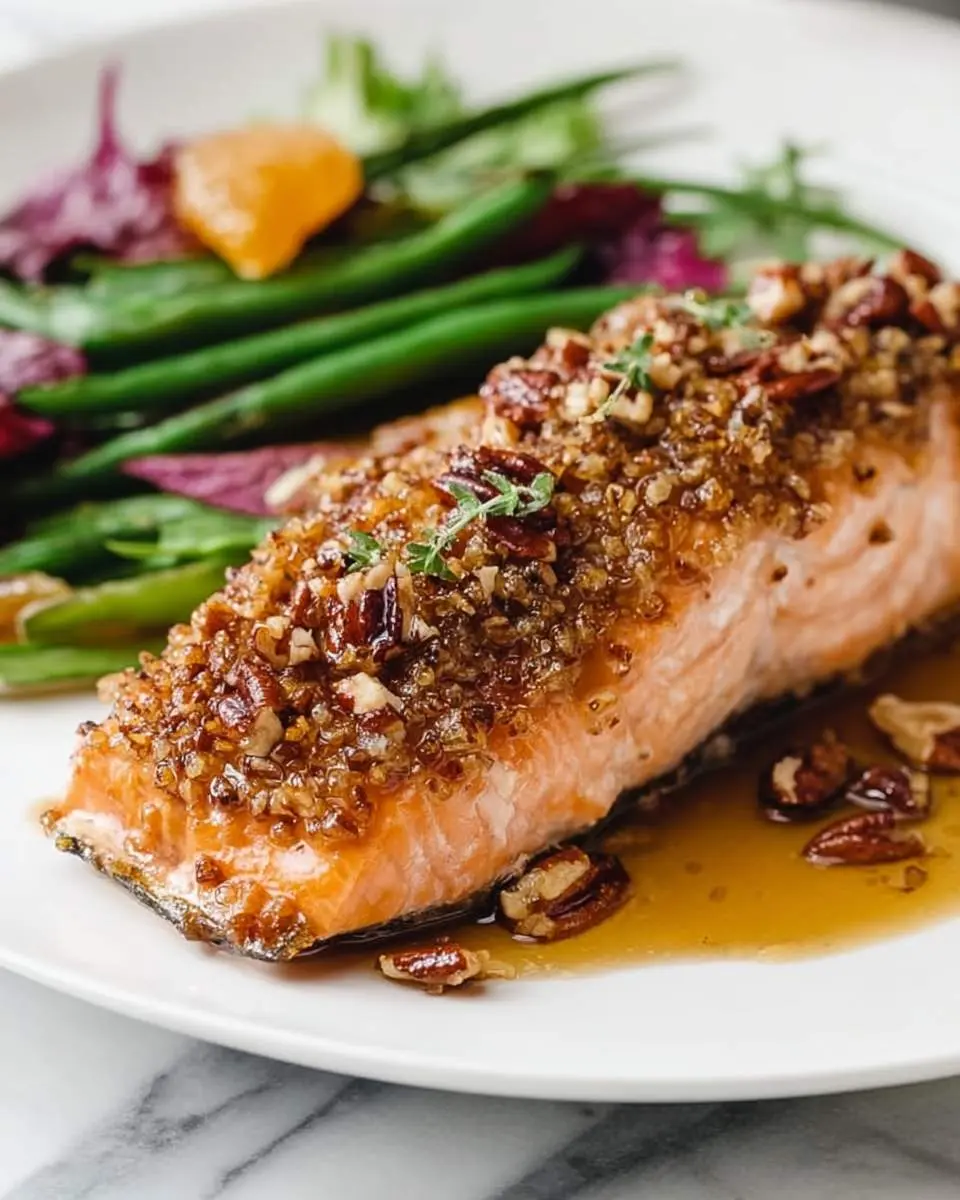
The first time I made this salmon, my kitchen smelled like a Vermont sugar shack collided with a Southern pecan orchard. That sticky-sweet glaze bubbling on the stove, those nuts toasting until they practically sang — I knew before I even tasted it that Maple Pecan Glazed Salmon was about to become a permanent resident in my weeknight rotation. The way the glaze clings to the fish, all lacquered and glossy, still makes me pause before serving just to admire the sheen.
My grandmother kept a ceramic jug of real maple syrup in her pantry that she guarded like family silver. She never let us pour it on pancakes without a lecture about its value. When I make this salmon, I think about her standing at that counter, and I use the good syrup she would have approved of. Some recipes carry people forward with them.
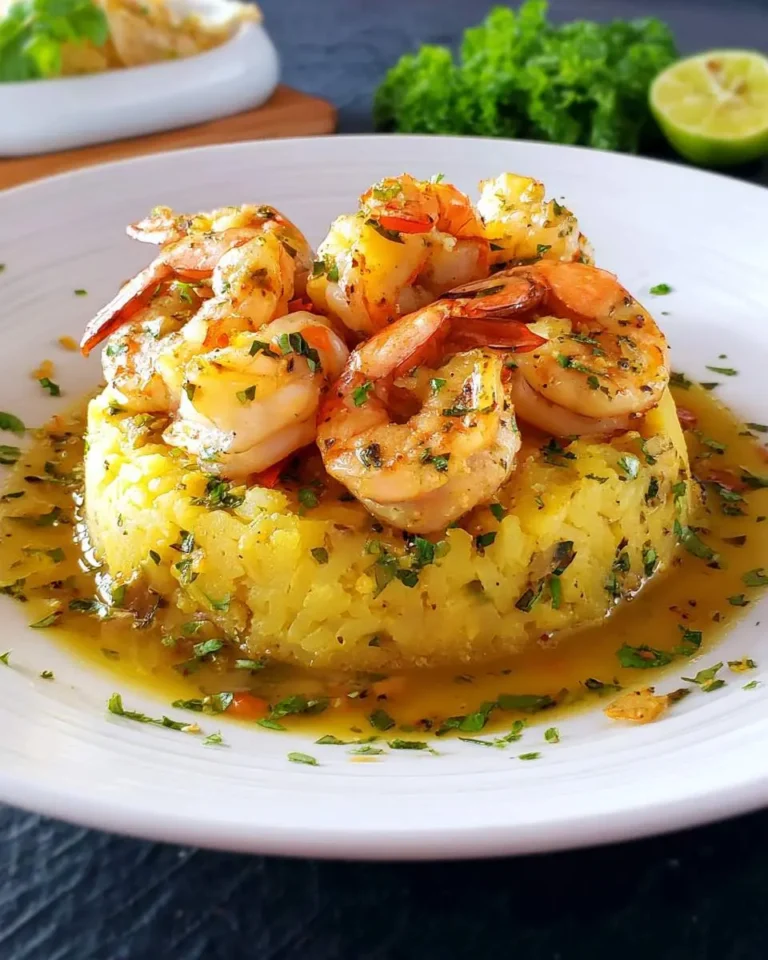
This dish comes together faster than you might expect for something so elegant. If you are looking for another quick seafood dinner, I have been making this garlic shrimp in coconut milk on repeat lately — the sauce is incredible spooned over rice.
What You Need to Make This Recipe
The salmon itself wants to be center-cut fillets, thick enough to develop that gorgeous crust without drying out. Real maple syrup — Grade A dark amber if you can find it — brings depth that pancake syrup simply cannot fake. The pecans must be toasted before they hit the glaze; raw nuts turn soft and sad, but toasted ones stay crisp even under that sticky coating. I have been on a serious salmon kick lately, and these mini salmon cakes with sriracha lemon aioli have been my go-to when I want something a little different.
How to Make Maple Pecan Glazed Salmon
I start by letting the salmon sit out for fifteen minutes — cold fish straight from the fridge seizes up in the pan and cooks unevenly. While it comes to temperature, I toast the pecans in a dry skillet until they smell like autumn, then chop them roughly so they cling to the glaze rather than rolling off.
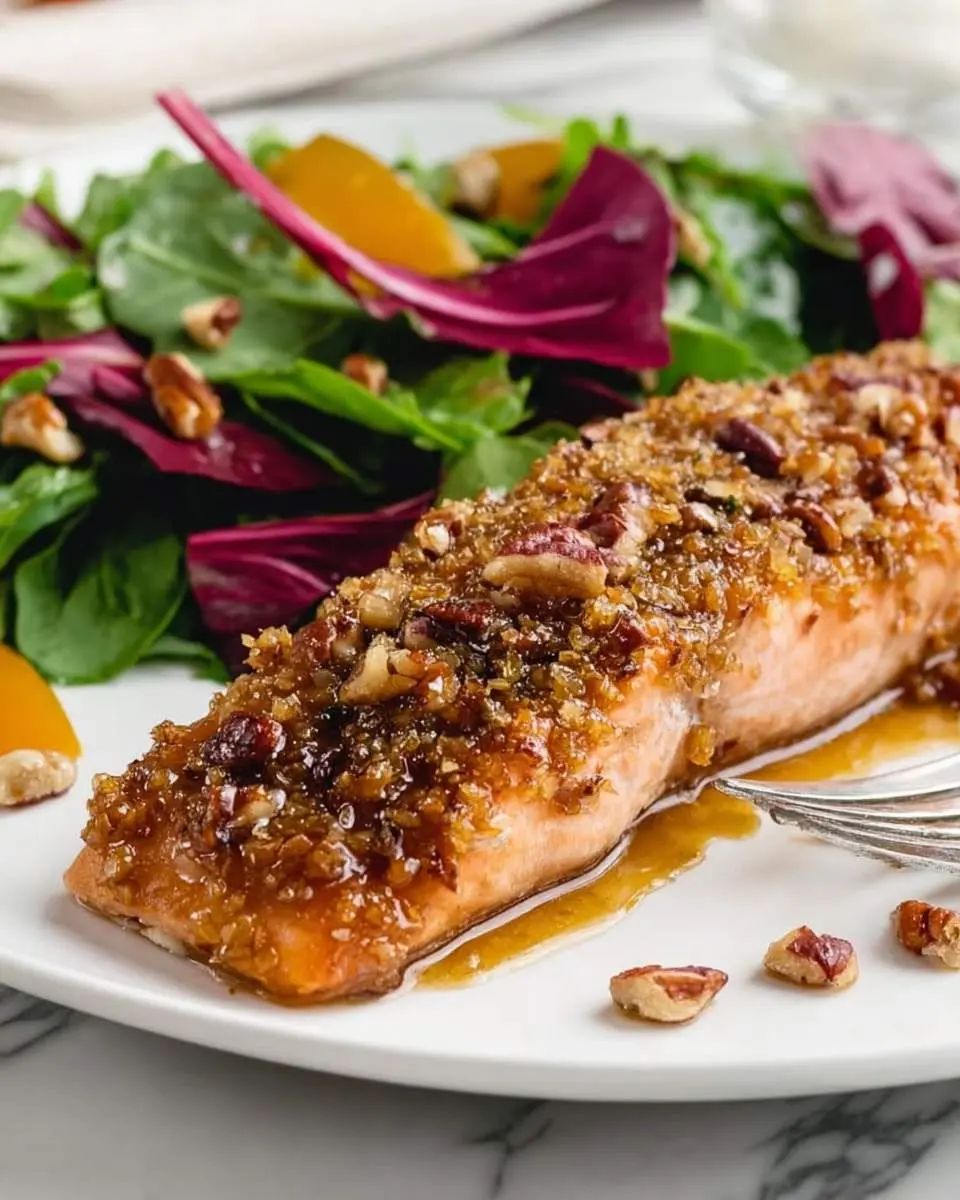
The glaze builds in the same pan: maple syrup, a splash of soy sauce for savory backbone, a little Dijon for gentle heat. It bubbles and thickens, turning from watery to syrupy in about four minutes — you will know it is ready when it coats the back of a spoon and the bubbles slow down. I brush it on the salmon in layers, letting each one set slightly before adding more, so it builds up that lacquered finish.
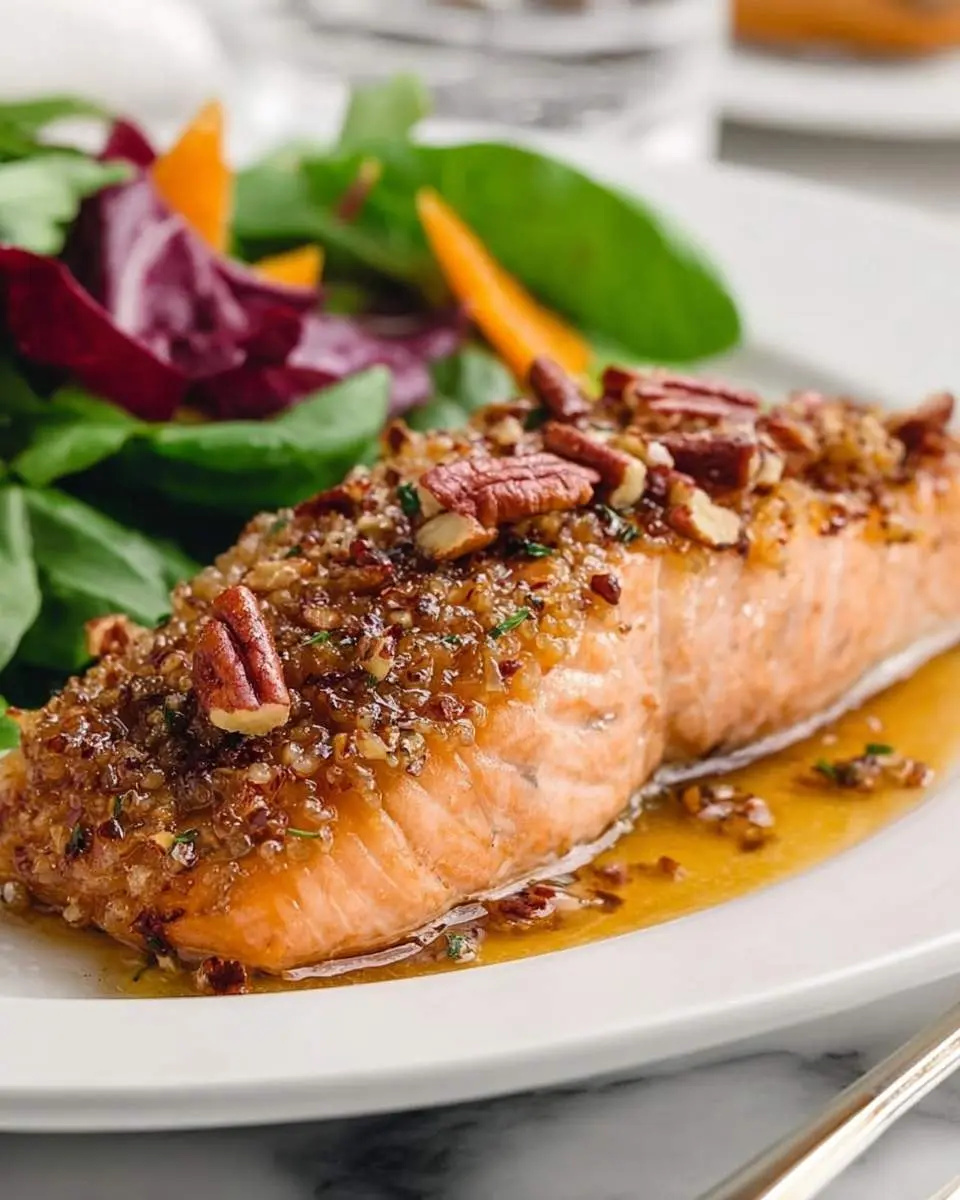
The oven does the final work, roasting just until the fish flakes but still blushes pink in the center. The glaze caramelizes at the edges, the pecans toast further into the coating, and the whole thing emerges smelling like something you would pay twenty-six dollars for in a restaurant. If you enjoy this method, my maple pistachio salmon uses a similar technique with a completely different nutty character.
Pro Tips
Pat the salmon bone-dry before seasoning. Moisture is the enemy of that beautiful crust — I use paper towels and press gently, then let it air-dry on a rack for ten minutes if I have the time. The glaze adheres better, and the texture difference is dramatic.
Watch the glaze like a hawk in the final minute. Maple syrup crosses from perfectly thickened to scorched in about thirty seconds. I pull it when it still seems slightly loose; it continues thickening as it cools, and you can always reduce more, but you cannot un-burn sugar.
Rest the salmon for three minutes before serving. This lets the glaze set into that sticky, crackly coating rather than running off onto the plate. I know it is tempting to dig in immediately, but patience rewards you here.
My Secret Trick: I save a tablespoon of the glaze before brushing it on the fish, then drizzle that fresh, unbaked portion over the finished salmon right before serving. It gives you that glossy wet look and an extra hit of pure maple flavor that the oven-dulled glaze cannot match.
How to Store Maple Pecan Glazed Salmon
- Refrigerate in an airtight container for up to 3 days — the glaze will soften but the flavor holds beautifully.
- Store at 40°F or below; I prefer glass containers to prevent the maple aroma from permeating everything else in the fridge.
- Freeze individual portions wrapped tightly in plastic then foil for up to 2 months; thaw overnight in the refrigerator.
- Reheat in a 300°F oven for 12-15 minutes, loosely covered with foil, to warm through without drying out the fish.
- Avoid microwaving if possible — it toughens the salmon and makes the pecans rubbery.
Nutritional Benefits
Maple Pecan Glazed Salmon delivers serious omega-3 fatty acids from the wild-caught fish, the kind that support heart health and keep my energy steady through busy afternoons. The pecans contribute magnesium and healthy fats that satisfy me in ways a plain fillet never quite manages — this is the rare indulgent-tasting dinner that actually nourishes.
FAQs
Can I use honey instead of maple syrup?
Honey works but changes the character entirely — it is more floral and less complex. I find it burns faster too, so reduce your heat slightly and watch carefully if you make the swap.
What type of salmon works best for this recipe?
Atlantic or king salmon with good fat content holds up to the sweet glaze without drying out. I avoid sockeye here — it is too lean and can turn tough under this treatment.
How do I keep the pecans from burning in the oven?
Press them into the glaze rather than sprinkling on top, so the sticky coating protects them. If they are particularly dark already, tent loosely with foil for the final five minutes of roasting.
Can I make the glaze ahead of time?
Absolutely — I often prepare Maple Pecan Glazed Salmon glaze up to three days ahead and refrigerate it. Warm gently before using; it thickens considerably when cold, so a splash of water helps it loosen back to brushing consistency.

Maple Pecan Glazed Salmon
Ingredients
Equipment
Method
- Pat salmon fillets completely dry with paper towels. This is crucial for the glaze to stick. Brush with olive oil and season both sides with salt and pepper. Let sit at room temperature while you make the glaze.
- In a small saucepan, combine maple syrup, Dijon mustard, soy sauce, and minced garlic. Bring to a gentle simmer over medium heat and cook for 3 to 4 minutes, stirring occasionally, until slightly thickened and reduced by about one third. Remove from heat and stir in lemon juice.
- Preheat your oven to 425F. Line a rimmed baking sheet with foil or parchment. Place salmon skin-side down and brush generously with half the glaze, coating the top and sides.
- Press chopped pecans firmly onto the glazed surface of each fillet. The glaze acts as glue, so really pack them on. Bake for 10 to 12 minutes, until the salmon flakes easily with a fork and the pecans are toasted and fragrant. Watch closely in the final minutes - the nuts can burn quickly.
- Transfer salmon to plates and drizzle with remaining warm glaze. Serve immediately with roasted vegetables or a simple green salad.
Notes
Conclusion
This salmon has rescued more weeknight dinners than I can count — the kind of meal that makes you feel capable and cared for simultaneously. I hope your kitchen fills with that same maple-pecan perfume that won me over from the start. For another sweet-savory salmon variation, try my apricot Dijon salmon — the mustard bite plays beautifully against fruit.