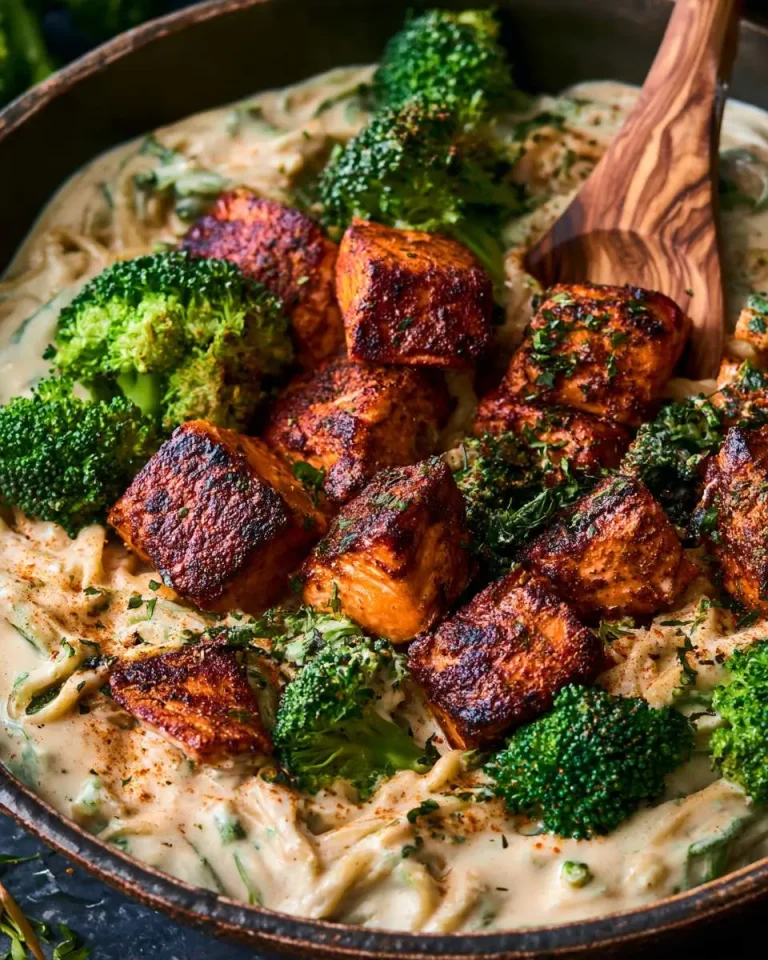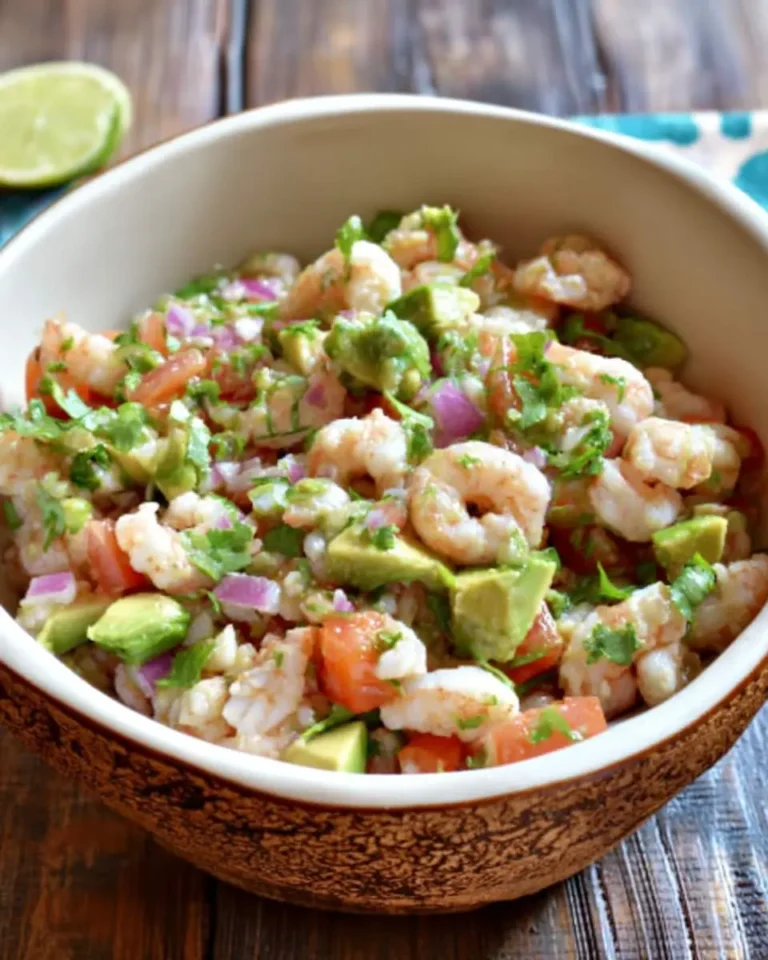
Apricot Dijon Salmon
The first time I tasted that sticky-sweet glaze against the rich salmon, I stopped mid-bite. It was one of those Wednesday evenings where I needed something that felt special without the effort, and Apricot Dijon Salmon delivered in a way I genuinely didn’t expect. The kitchen filled with this warm, tangy-sweet aroma that had my husband wandering in asking what smelled so good.
That memory takes me back to my grandmother’s apricot tree in her backyard. She’d make preserves every summer, and that bright, sunny fruit flavor always meant something good was coming. When I discovered how apricot jam transforms with Dijon mustard into this glossy, complex glaze, it felt like finding a bridge between her kitchen and mine.
I’ve been on a serious salmon kick lately after perfecting my blackened tilapia tacos last month, and this recipe has earned permanent rotation status.
What You Need to Make This Recipe
The magic here lives in three ingredients that sound unlikely until they meet. Apricot preserves bring that sticky sweetness without being cloying — I prefer the kind with visible fruit pieces because they break down into the most gorgeous glaze. Dijon mustard cuts through with sharp, sophisticated heat that keeps the whole thing from tasting like dessert. And don’t skimp on the salmon fillet quality — this glaze deserves fish that flakes in thick, coral-pink layers. I’ve been refining my salmon techniques since developing my citrus dill salmon, and this sweet-savory approach feels like its bolder cousin.

How to Make Apricot Dijon Salmon
I start by whisking the glaze while my oven heats, watching the preserves and mustard transform from streaky swirls into this smooth, amber-colored sauce that smells like a fancy bistro. The salmon goes onto a foil-lined sheet — I learned the hard way that this glaze caramelizes and sticks like crazy — and I spoon the mixture thickly over each fillet, right to the edges.
Into the oven it goes, and here’s where patience matters. Around the twelve-minute mark, you’ll hear the gentle sizzle intensify and smell that shift from raw fish to something deeper, almost nutty. The glaze bubbles and darkens at the edges, forming these little caramelized spots that I fight my family for. I pull it when the center still has the slightest give, knowing carryover heat will finish the job while I let it rest.
The whole process feels almost meditative now, and it’s become my go-to when I want to impress without stress. My maple pistachio salmon has similar weeknight elegance, but this one wins for pure comfort.
Pro Tips
Room temperature salmon is non-negotiable. Cold fish straight from the fridge cooks unevenly — the outside glaze burns before the center finishes. I set mine on the counter for twenty minutes while I prep everything else.
Score the skin deeply if you keep it on. Those shallow cuts let the glaze seep underneath and create these incredible sticky pockets of flavor against the crispy skin. Without them, you’re missing half the experience.
Watch the broiler like a hawk. That final two minutes under high heat transforms the glaze from glossy to lacquered, but thirty seconds too long and you’ve got bitterness instead of caramelization. I stand right there, door cracked, smelling for that perfect toasted-sugar moment.
My Secret Trick: I whisk a teaspoon of the salmon’s own rendered fat from the pan back into my extra glaze for serving — it adds this savory depth that makes people ask what your secret is.

How to Store Apricot Dijon Salmon
- Refrigerate cooled salmon in an airtight container for up to 3 days — the glaze actually deepens in flavor overnight
- Store glaze separately if possible; it keeps 5 days refrigerated and reheats beautifully
- Freeze only the unglazed cooked salmon, wrapped tightly, for up to 2 months — the apricot glaze doesn’t freeze well
- Reheat gently at 275°F covered with foil for 12-15 minutes, or cold over salads where the firm texture shines
- Never microwave — it toughens the fish and makes the glaze rubbery
Nutritional Benefits
Apricot Dijon Salmon delivers serious omega-3s from the wild-caught fillets, those heart-healthy fats that make salmon worth the splurge. The apricot preserves contribute natural fruit sugars and a surprising dose of vitamin A, while Dijon adds minimal calories with maximum flavor impact — meaning you get restaurant-worthy satisfaction without the usual butter-heavy sauces.

FAQs
Can I use peach preserves instead of apricot?
Absolutely — peach works beautifully and tastes slightly more floral. Just avoid low-sugar varieties, which won’t caramelize properly and leave you with a thin, watery glaze.
How do I know when the salmon is done without drying it out?
I look for the flesh to turn opaque about three-quarters up the side, then test with a gentle press — it should flake but still feel slightly springy. Remember it keeps cooking after you pull it.
Is this recipe spicy?
The Dijon brings gentle warmth, not real heat. If you’re sensitive, use a mild whole-grain mustard instead. For kick lovers, add a pinch of cayenne to the glaze.
Can I make Apricot Dijon Salmon on the stovetop?
Yes — sear skin-side down in an oven-safe skillet, flip, add glaze, then finish under the broiler for that caramelized top. It’s actually my preferred method for extra-crispy skin.


Apricot Dijon Salmon
Ingredients
Equipment
Method
- Preheat oven to 425 degrees F. Pat salmon fillets dry with paper towels - this helps the glaze stick. Arrange on a rimmed baking sheet lined with parchment or foil. Brush with olive oil and season with 1/2 teaspoon salt and the black pepper.
- In a small saucepan, combine apricot jam, Dijon mustard, apple cider vinegar, minced garlic, remaining 1/4 teaspoon salt, and red pepper flakes if using. Bring to a simmer over medium heat and cook for 2-3 minutes, stirring, until slightly thickened and glossy. Remove from heat.
- Spoon or brush about half the glaze over the salmon fillets, coating the tops and sides. Reserve the rest for serving. Bake for 10-12 minutes, until the salmon flakes easily with a fork and the internal temperature reaches 125-130 degrees F for medium (it will carry over to 130-135). The glaze should look caramelized in spots.
- Transfer salmon to plates. Drizzle with the reserved warm glaze and sprinkle with fresh parsley. Serve with lemon wedges on the side for squeezing over.
Notes
Conclusion
This Apricot Dijon Salmon has rescued more weeknights than I can count, turning ordinary evenings into something worth lingering over. The glaze is forgiving, the technique is simple, and the result never fails to make people feel cared for. If you’re craving more salmon inspiration, my honey garlic salmon bites offer the same weeknight magic in finger-food form. Make this soon — your future self will thank you.