Meatballs and Spaghetti
The smell of rich tomato sauce simmering on the stove instantly transports me to my childhood. Sunday afternoons were dedicated to family dinner, and this Classic Homestyle Meatballs and Spaghetti was always the star. It’s more than a recipe; it’s the taste of home, a dish I’ve spent years perfecting to get the meatballs perfectly tender and the sauce just right. It is the ultimate comfort food. While I love an intricate sauce like my bolognese pasta, the straightforward joy from a perfect plate of meatballs and spaghetti is simply unbeatable.
You’re Going to Love This Recipe, Here’s Why
What makes this recipe so special to me is the incredible depth of flavor you get from simple, high-quality ingredients. The combination of ground beef, pork, and veal isn’t just a suggestion; it’s my secret to meatballs that are unbelievably tender, moist, and flavorful. The 25-minute prep time is completely manageable. But the real transformation happens during the 80-minute simmer. As the sauce gently bubbles away, your entire home fills with the most incredible, comforting aroma. It’s my go-to method for creating a show-stopping meal that tastes like it took all day to make, but only required my attention for a short while. It’s pure comfort in a bowl.
Ingredient Notes for Classic Homestyle Meatballs and Spaghetti
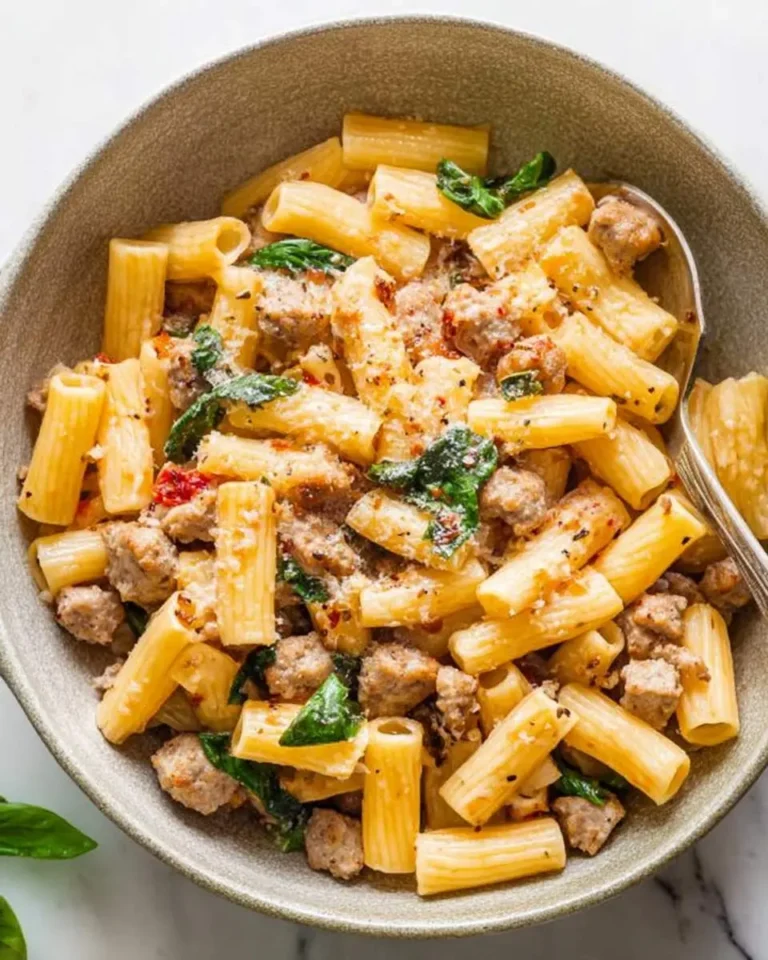
The trio of meats is non-negotiable for me, creating the perfect texture. For the breadcrumbs, I always use panko soaked in whole milk; it’s my secret to incredibly moist meatballs. Can’t find veal? Mild Italian sausage works wonderfully, much like in my hearty Italian Sausage Rigatoni.


Classic Homestyle Meatballs and Spaghetti
Ingredients
Equipment
Method
- In a small bowl, combine the panko breadcrumbs and milk. Let it sit for 5 minutes until the milk is absorbed. This is called a panade and helps keep the meatballs moist.
- In a large mixing bowl, add the ground beef, pork, veal, beaten eggs, grated Parmesan, chopped parsley, minced garlic, onion powder, dried oregano, salt, and pepper. Add the soaked breadcrumb mixture.
- Using your hands, gently mix all ingredients until just combined. Be careful not to overwork the meat, as this can make the meatballs tough. Form the mixture into 1.5-inch meatballs (about 20-24 total) and place them on a baking sheet.
- In a large Dutch oven or heavy-bottomed pot, heat 2 tbsp of olive oil over medium-high heat. Working in batches to avoid overcrowding, carefully place the meatballs in the pot and brown them on all sides, about 5-6 minutes per batch. Transfer the browned meatballs to a clean plate. They do not need to be cooked through at this point.
- Reduce the heat to medium. Add the chopped onion, carrot, and celery to the same pot, scraping up any browned bits from the bottom. Sauté for 6-8 minutes, until the vegetables have softened. Add the 4 cloves of minced garlic and cook for another minute until fragrant.
- Stir in the tomato paste and cook for 2 minutes, allowing it to caramelize slightly. If using, pour in the red wine to deglaze the pot, scraping the bottom. Let the wine simmer and reduce by about half.
- Add the crushed tomatoes, beef broth, dried basil, red pepper flakes (if using), bay leaf, and sugar. Stir everything together and season with salt and pepper to taste. Bring the sauce to a gentle simmer.
- Carefully return the browned meatballs to the pot, nestling them into the sauce. Reduce the heat to low, cover the pot, and let it simmer for at least 1 hour, or up to 2 hours for a richer flavor. Stir occasionally to prevent sticking.
- About 15 minutes before the sauce is done, bring a large pot of heavily salted water to a boil. Add the spaghetti and cook according to package directions until al dente.
- Drain the pasta well. Serve the spaghetti in individual bowls, topped with a generous amount of sauce and several meatballs. Garnish with fresh basil and a sprinkle of extra grated Parmesan cheese.
Notes
Bringing It All Together in My Kitchen
I think of this recipe in three simple stages. First, we lovingly prepare the meatballs. My biggest tip is to mix the ingredients gently with your hands until just combined—this prevents them from becoming tough. After a quick sear in olive oil to build a flavorful crust, I set them aside. Next, I build the beautiful tomato sauce right in the same pan, scraping up all those delicious browned bits from the bottom. This is where the flavor foundation is built! Finally, the meatballs return to the pan to simmer slowly in the sauce, absorbing all that wonderful flavor. It’s a relaxing process, a true contrast to quick weeknight meals like my Lemon Spaghetti.

My Tips for the Perfect Outcome
- Don’t Overmix: Handle the meat mixture gently for tender, not tough, meatballs.
- Sear First: Browning the meatballs builds a crucial layer of flavor.
- Simmer Low & Slow: Don’t rush the sauce; this is where the magic happens.
How I Serve and Store This Dish
I love serving this family-style, piled high in a large bowl with plenty of fresh basil and extra grated Parmesan on the side. For leftovers, I store the meatballs and sauce separately from the pasta to prevent it from getting mushy. It reheats beautifully on the stove, and honestly, the flavors are even better and more melded the next day.
Frequently Asked Questions
Can I make the meatballs ahead of time?
Absolutely. I often prepare and shape them a day in advance and refrigerate. You can also freeze them raw on a baking sheet before transferring them to a freezer bag for longer storage. It’s a huge time-saver for busy weeknights.
Why use three different meats?
I find the combination creates the perfect texture and flavor. Beef provides a rich base, pork adds essential moisture and tenderness, and veal contributes a delicate, silky quality that truly makes the meatballs melt in your mouth. It’s a classic blend for a reason.
Can I make this in a slow cooker?
Yes, it’s a fantastic method. After browning the meatballs and sautéing your aromatics, transfer everything to a slow cooker. Let it simmer on low for 6-8 hours for a wonderfully deep flavor that develops beautifully all day long without any watching.
What’s the best red wine to use for the sauce?
I always suggest a dry red wine you would genuinely enjoy drinking, like a Chianti, Merlot, or Cabernet Sauvignon. It doesn’t need to be expensive, but a good quality wine adds a fantastic depth and complexity to the final tomato sauce.
My Final Thoughts
This recipe holds a special place in my heart, and I truly hope it brings as much joy to your table as it does to mine. If you give it a try, I’d love to hear how it went in the comments! For another delightful pasta experience, check out my Pasta with Spicy Crab.