Mushroom Ragu
The first time I made a proper mushroom ragu, I stood at my stove at 10 PM on a Tuesday, still in my work clothes, inhaling something that smelled like a forest floor after rain and a Sunday dinner at my grandmother’s table all at once. That deep, savory aroma wrapped around my kitchen like a blanket, and I knew immediately that this would become one of those recipes I return to when I need comfort without complication. This mushroom ragu has that rare quality of tasting like it took hours of careful tending when really, the mushrooms do most of the work themselves.
I still think about that evening whenever I make this. My partner had called from the train, exhausted, and I wanted something waiting that would make him pause at the door and smile. The pot was still bubbling when he walked in, and he didn’t even take off his coat before lifting the wooden spoon for a taste. Some recipes earn their place in your rotation through sheer repetition; this one earned it through that single moment of watching someone’s shoulders drop with relief.
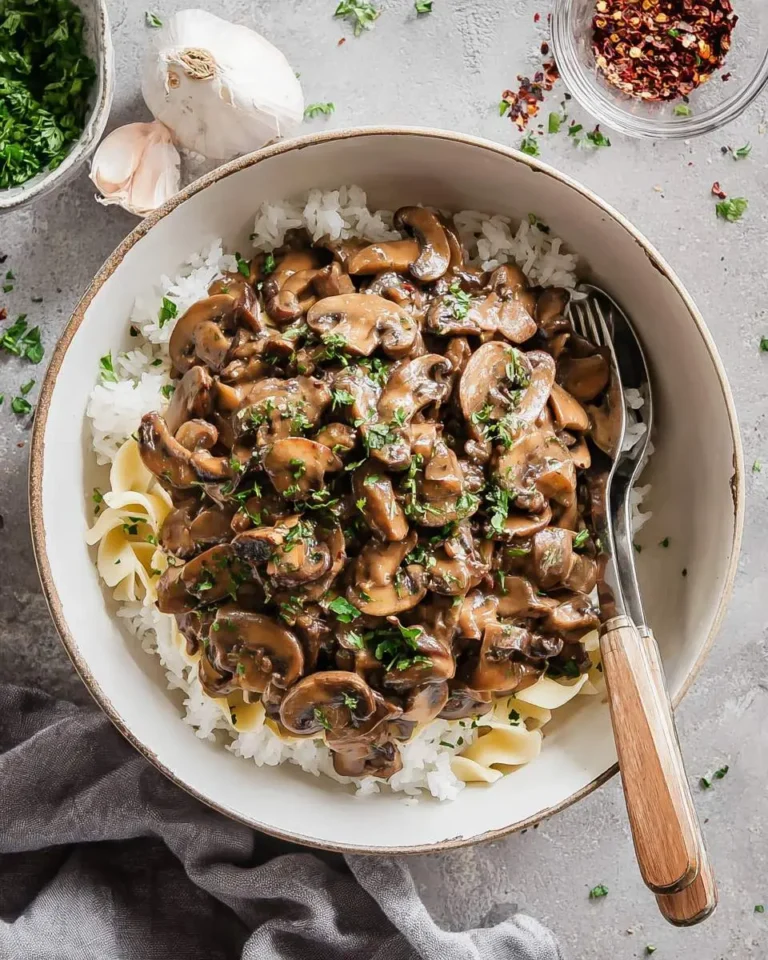
What I love most is how adaptable this ragu proves to be. I’ve spooned it over creamy polenta, tucked it into baked pasta, and even used it as a base for hearty vegetarian burgers when I wanted something more substantial. It meets you where you are.
What You Need to Make This Recipe
The mushrooms themselves demand your attention first. I use a mix of cremini and shiitake because the cremini give you that foundational meatiness while the shiitake contribute something almost smoky, a complexity that makes people ask what your secret is. A good dry white wine matters enormously here — not cooking wine from the shelf, but something you would actually drink, because the alcohol cooks away and leaves behind only its character. Fresh thyme and rosemary work together in a way that dried never quite manages; the thyme gives brightness while the rosemary insists on itself, anchoring the whole dish. I also keep cauliflower rice in my freezer for nights when I want this ragu over something lighter than pasta.

How to Make Mushroom Ragu
I start by giving the mushrooms space — too crowded and they steam instead of sear, releasing their water into the pan and turning rubbery. The sound you’re listening for is that aggressive sizzle when they first hit the hot oil, then the gradual quieting as they surrender their moisture and begin to brown. This takes patience, more than the recipe card suggests, because mushrooms are deceptive. They look done before they actually are.
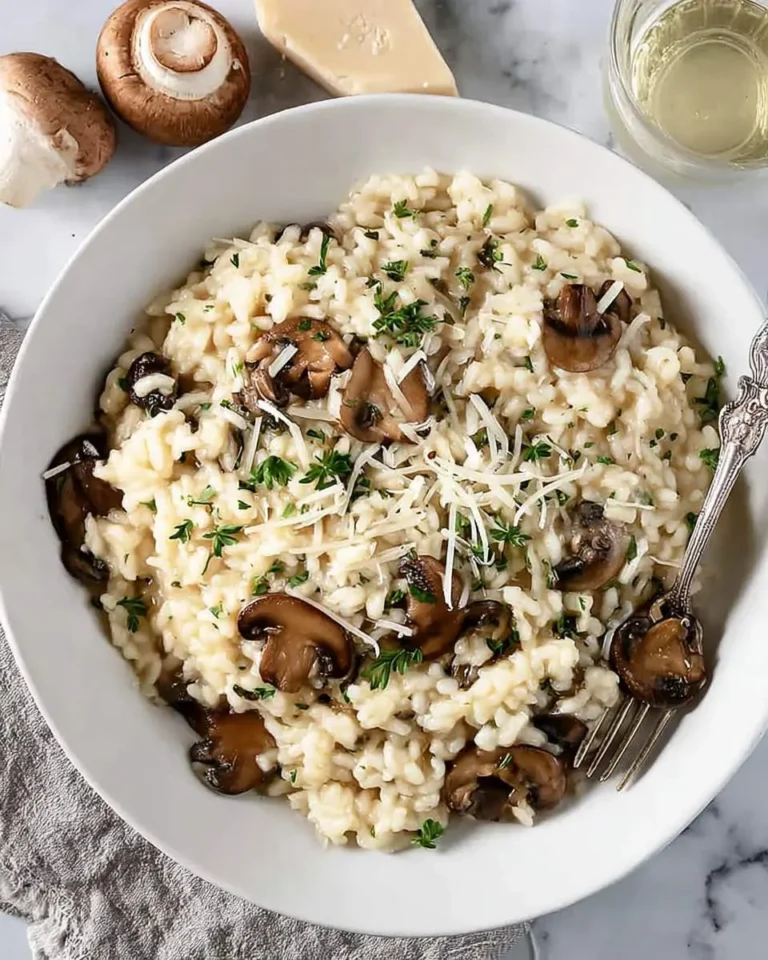
Once they’ve developed those caramelized edges, I push them to the side and add my aromatics. The garlic needs only thirty seconds — any longer and it turns bitter, and then you’ve lost the foundation. The wine follows immediately, deglazing the pan with a satisfying scrape of the wooden spoon against the fond that has formed. That brown residue carries more flavor than any ingredient you could add fresh. The tomatoes go in last, and I let everything simmer with the lid slightly askew so the sauce thickens slowly, concentrating into something that clings to a spoon. I’ve served this alongside creamy mushroom risotto when I wanted to double down on that earthy flavor, and the two dishes speak to each other beautifully.
Pro Tips
Don’t wash your mushrooms under running water. I know every package says they’re pre-washed, but if you must clean them, use a damp cloth. Waterlogged mushrooms will never achieve that crucial sear, and your ragu will taste boiled rather than built.
Save your mushroom stems. While the caps go into the ragu, I simmer the woody shiitake stems in vegetable stock for twenty minutes, then strain. This mushroom-enhanced stock becomes the liquid I use when the ragu needs thinning, amplifying the flavor without diluting it.
Let it rest. This mushroom ragu tastes significantly better after sitting for an hour, even overnight. The acidity softens, the herbs distribute more evenly, and what seemed good becomes unforgettable.
My Secret Trick: I finish the ragu with a small pat of cold butter whisked in off the heat. It sounds excessive for a vegetable dish, but that touch of fat carries the flavor across your palate in a way that olive oil simply cannot replicate.

How to Store Mushroom Ragu
- Refrigerate in an airtight glass container for up to 4 days — the flavors actually improve after the first day
- Freeze in portioned containers or heavy-duty freezer bags for up to 3 months; lay bags flat for efficient storage
- Thaw overnight in the refrigerator, never at room temperature
- Reheat gently over medium-low heat, adding a splash of water or reserved mushroom stock to restore consistency
- Avoid microwave reheating if possible; it unevenly heats and can toughen the mushrooms
Nutritional Benefits
This mushroom ragu delivers substantial nutrition without trying too hard. The shiitake mushrooms contain beta-glucans that support immune function, while the cremini provide selenium and B vitamins that many vegetarian diets need more of. The tomatoes contribute lycopene, which becomes more bioavailable through the cooking process, and the small amount of olive oil helps your body absorb the fat-soluble nutrients in the vegetables. It’s the kind of nourishment that happens incidentally, while you’re focused on flavor.

FAQs
Can I make this ragu without wine?
Yes, though you’ll lose some complexity. Replace the wine with an equal amount of vegetable broth plus one tablespoon of red wine vinegar or balsamic to mimic that acidic brightness. Add it gradually and taste as you go.
What pasta shape works best with mushroom ragu?
Wide, flat shapes like pappardelle or tagliatelle catch the sauce beautifully. Rigatoni and other tubular pasta also work well, trapping the ragu inside. Avoid thin spaghetti, which overwhelms easily.
How do I prevent my mushroom ragu from being watery?
The key is patience during the initial mushroom cooking. Let them release their liquid fully and then continue cooking until that liquid evaporates and they begin to brown. This concentrates their flavor and prevents a soupy sauce.
Can I use only one type of mushroom?
You can, but the depth will suffer. If you must choose one, use cremini for their reliable meatiness. Consider adding a small amount of dried porcini soaked in warm water to restore some complexity.


Mushroom Ragu
Ingredients
Equipment
Method
- Heat 1 tablespoon olive oil in a large pot over medium-high heat until shimmering. Add half the mushrooms in a single layer and cook undisturbed for 4-5 minutes until deeply browned on the bottom. Stir and cook 2 minutes more. Transfer to a plate. Repeat with another tablespoon oil and remaining mushrooms. Do not salt yet - salting too early prevents browning.
- Reduce heat to medium. Add remaining 1 tablespoon oil, then onion with a pinch of salt. Cook 5-6 minutes, stirring occasionally, until softened and just starting to turn golden at the edges. Add garlic and cook 1 minute until fragrant.
- Push onions to the side, add tomato paste to the cleared spot, and cook 2 minutes until it turns a deep rust color and smells sweet. Stir into onions, then add red wine, scraping up any browned bits from the bottom of the pot. Simmer 2 minutes until reduced by half.
- Return mushrooms and any accumulated juices to the pot. Add crushed tomatoes, broth, and rosemary sprigs. Stir well, bring to a gentle simmer, then reduce heat to low. Cover partially and simmer 20-25 minutes, stirring occasionally, until thickened and the mushrooms are tender but still have some bite. The sauce should coat a spoon but not be pasty.
- Remove rosemary stems. Off heat, swirl in cold butter and grated cheese until melted and glossy. Taste and adjust salt - you'll need more than you think. Stir in parsley. Serve over creamy polenta, pappardelle, or mashed potatoes, with extra cheese at the table.
Notes
Conclusion
This mushroom ragu has become my answer to too many questions: what to feed vegetarian friends, what to make when I’m too tired to think, what to prepare on Sunday that will feed me through Wednesday. It asks little and gives much. If you’re looking for another mushroom-forward dinner, my vegan mushroom stroganoff carries that same comfort in a different direction. Start with this ragu, though. Let it surprise you.