Mediterranean scrambled eggs
The first time I made Mediterranean scrambled eggs, I was standing in my tiny kitchen at 7 AM, still in my robe, with a hunk of feta crumbling between my fingers and the smell of oregano hitting the warm butter. I had no plan. Just eggs, some leftover cherry tomatoes, and this desperate craving for something that felt like a vacation I couldn’t afford.
My grandmother never made eggs like this. She was a salt-and-pepper purist, suspicious of anything that came from “over there.” But last spring, I spent a week on the Peloponnese, and every morning the hotel owner would appear with these soft, herby eggs that made me actually want to get out of bed. I’ve been chasing that feeling ever since.
This version comes close. Really close. It’s become my weekend ritual, the thing I make when I want breakfast to feel like an event without the effort. If you’re in the mood for something equally special but sweet, my fluffy gluten-free banana pancakes have that same slow-morning energy.
What You Need to Make This Recipe
The eggs matter more than you’d think. I use large pasture-raised ones with those deep orange yolks that stain everything golden. The feta is non-negotiable — not the pre-crumbled stuff that tastes like nothing, but a block of real Greek feta that you break apart yourself, creating irregular chunks that melt into creamy pockets. Fresh oregano changes everything too; the dried version works in a pinch, but rubbing fresh leaves between your palms releases this pine-resin aroma that makes these Mediterranean scrambled eggs taste like they came from somewhere sun-drenched and slow. For another make-ahead breakfast that leans into fresh ingredients, I love prepping overnight oats with mixed berries the night before.

How to Make Mediterranean scrambled eggs
I start with a cold pan, which feels wrong until you understand why. The butter needs to melt slowly so the tomatoes can soften in it, releasing their juices into a quick pan sauce before the eggs even hit the surface. You’ll hear the sizzle change pitch when they’re ready — higher, tighter, almost impatient.
The eggs go in just as the tomatoes start to collapse. I whisk them lightly, not aggressively, leaving some separation between yolk and white so you get marbled streaks of gold and pale yellow. The spatula stays in motion but not frantic. Small curds, formed gently, with the feta added in the final thirty seconds so it warms through without disappearing completely.
The oregano comes last, always. Heat destroys its volatile oils, so I scatter it over the plated eggs and let the residual warmth do the work. If you’ve never tried eggs cooked in a flavorful sauce base, my shakshuka recipe uses the same principle to even more dramatic effect.
Pro Tips
Room temperature eggs are essential here. Cold eggs straight from the fridge seize up when they hit the pan, creating rubbery curds that no amount of gentle stirring can save. I set mine on the counter while I prep everything else — twenty minutes makes a noticeable difference in texture.
Don’t salt until the end. The feta brings plenty of salinity, and early salting draws moisture from the eggs, making them weepy and dense. Taste at the finish line, then adjust.
Cherry tomatoes hate high heat. They’ll scorch before they soften, leaving you with bitter black spots and undercooked centers. Medium-low patience rewards you with jammy, concentrated sweetness.
My Secret Trick: I save a tablespoon of the tomato-butter mixture before adding the eggs, then drizzle it over the finished plate as a sauce. It sounds small, but that extra hit of savory tomato oil pooling around the eggs transforms the whole dish from good to something you can’t stop eating.

How to Store Mediterranean scrambled eggs
- Refrigerate in an airtight container for up to 2 days at 40°F or below — the texture suffers noticeably after day two as the feta continues to break down
- Freeze is not recommended — the high water content in tomatoes and eggs creates icy crystals that turn the texture grainy and weepy upon thawing
- Reheat gently in a nonstick pan over low heat with a small pat of butter, stirring constantly until just warmed through — about 2 minutes; the microwave works in 30-second bursts at 50% power but produces uneven results
Nutritional Benefits
These Mediterranean scrambled eggs deliver a solid protein foundation from the eggs themselves — about 12 grams per serving — while the feta contributes calcium and gut-friendly probiotics that survive the brief cooking time. The olive oil and tomatoes bring polyphenols and lycopene, those compounds that make the Mediterranean diet worth all the hype in the first place.

FAQs
Can I use dried oregano instead of fresh?
Yes, but reduce the amount by half since dried herbs are more concentrated. Add it earlier in the cooking process so it has time to rehydrate in the butter, releasing its flavor into the base rather than staying brittle on top.
What can I substitute for feta cheese?
Ricotta salata works beautifully for a milder, less tangy option. Goat cheese brings a similar creaminess with more funk. Avoid mozzarella — it lacks the salt and structural integrity that makes feta perfect here.
Why do my scrambled eggs turn watery?
Most likely you’re salting too early or cooking over too-high heat. Both draw moisture from the eggs. Try lower heat, patience, and seasoning only at the very end after the feta has contributed its own salt.
Can I add vegetables to this recipe?
Absolutely. Wilted spinach folds in beautifully during the last minute. Diced zucchini should go in with the tomatoes to soften properly. Just avoid watery vegetables like mushrooms without pre-cooking them separately first.


Mediterranean Scrambled Eggs
Ingredients
Equipment
Method
- Crack eggs into a bowl. Add milk, salt, and pepper. Whisk until completely combined with no visible streaks of white - about 30 seconds. Set aside.
- Heat olive oil in a non-stick skillet over medium-low heat. Add sun-dried tomatoes and garlic. Cook until garlic is fragrant and just starting to turn golden, about 1 minute. Do not let it brown.
- Add spinach and oregano. Stir until spinach wilts completely, about 1 minute. The pan should look slightly dry now - this is good.
- Pour in the egg mixture. Let sit for 10 seconds until edges just start to set. Using a silicone spatula, slowly push the eggs from one side of the pan to the other, forming large soft curds. Continue this gentle folding motion for 3 to 4 minutes until eggs are mostly set but still look slightly wet and glossy. Remove from heat while they look underdone - they will finish cooking from residual heat.
- Immediately sprinkle feta over the eggs and fold once or twice to distribute. The feta should soften slightly but keep its shape. Taste and adjust salt if needed - the feta adds significant saltiness.
- Divide between two warm plates. Drizzle with a little more olive oil, sprinkle with extra feta if desired, and serve immediately with toasted bread alongside.
Notes
Conclusion
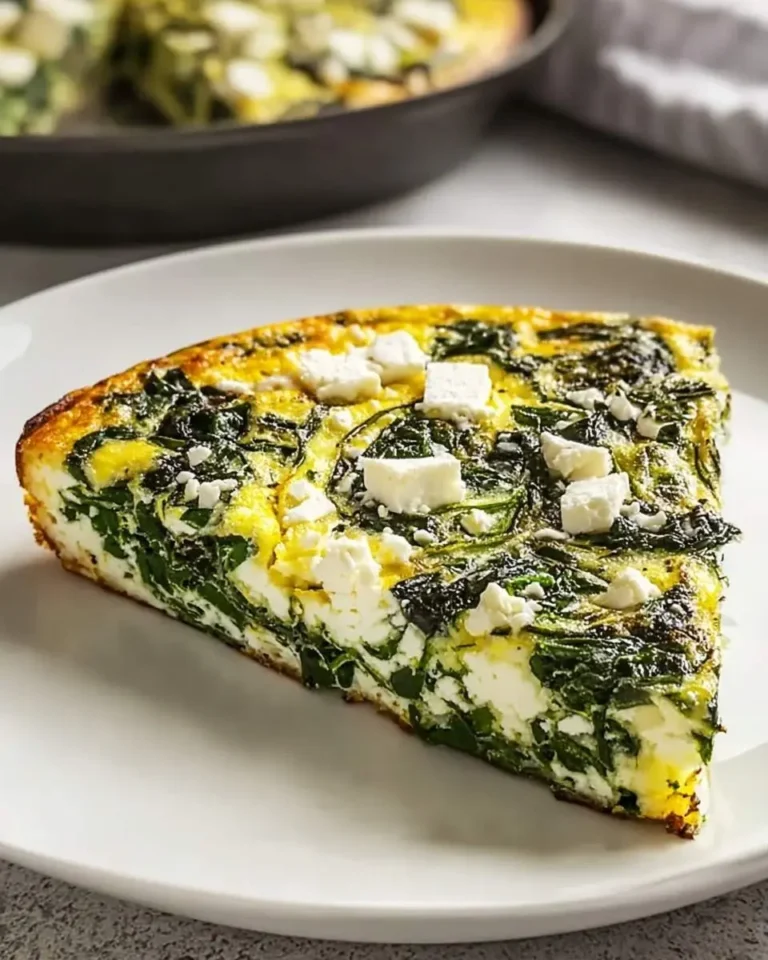
I hope these Mediterranean scrambled eggs find their way into your weekend rotation the way they have mine. They’re proof that breakfast doesn’t need to be complicated to feel like a small celebration. For a crowd-pleasing brunch option that feeds more people with equally minimal effort, my spinach feta frittata uses similar flavors in a make-ahead format that never fails to impress.