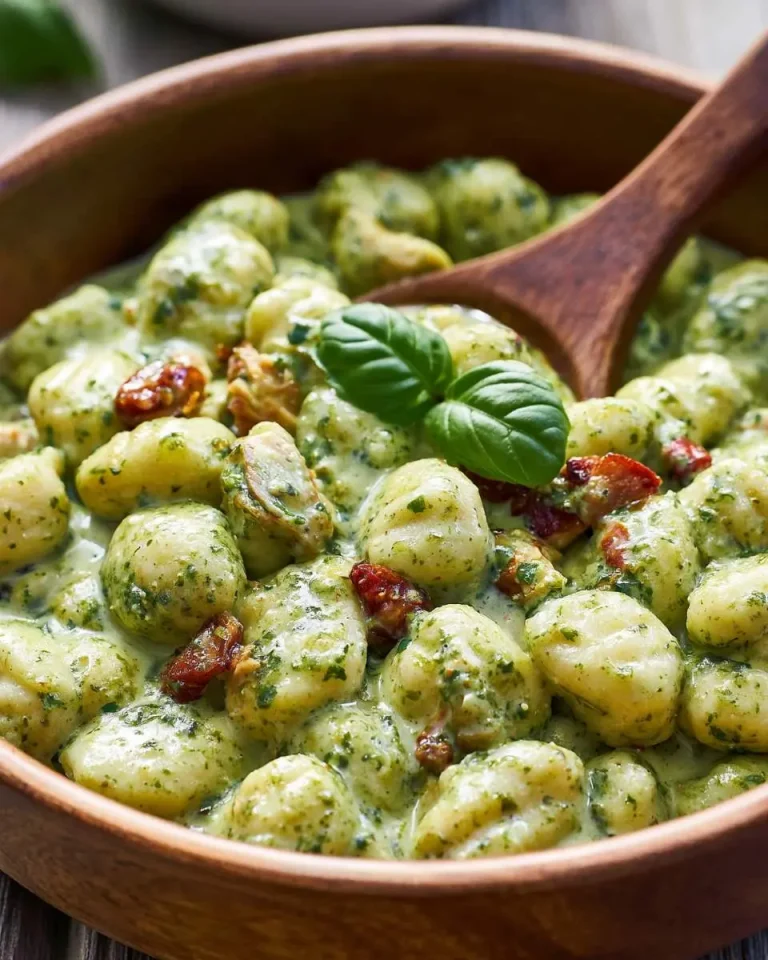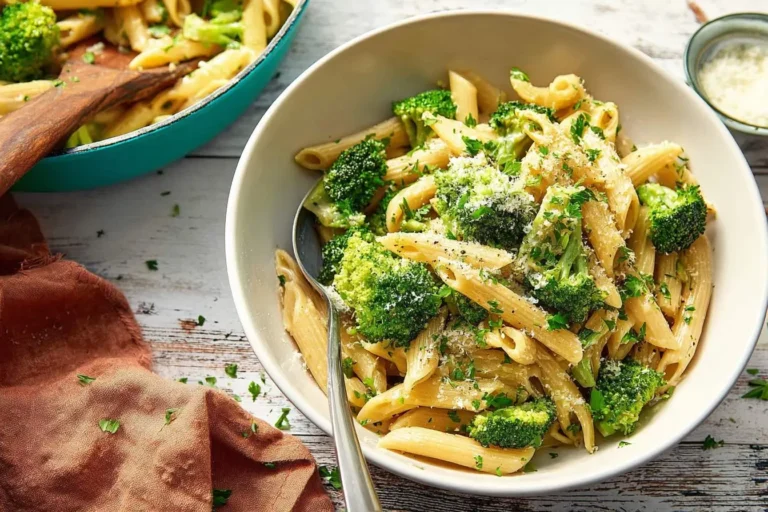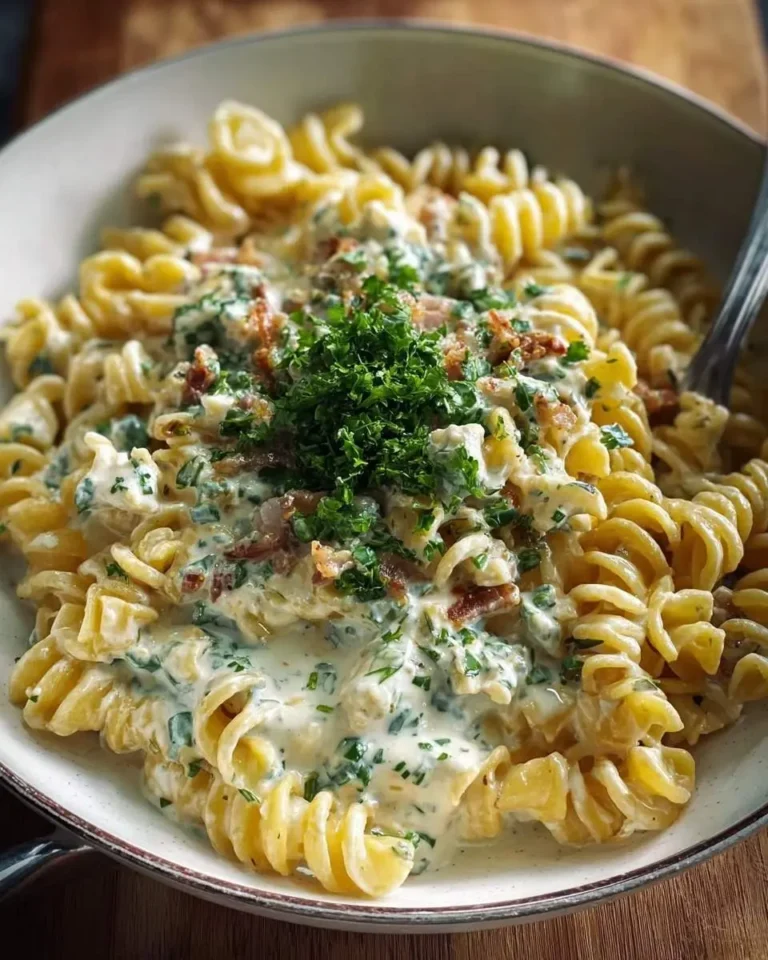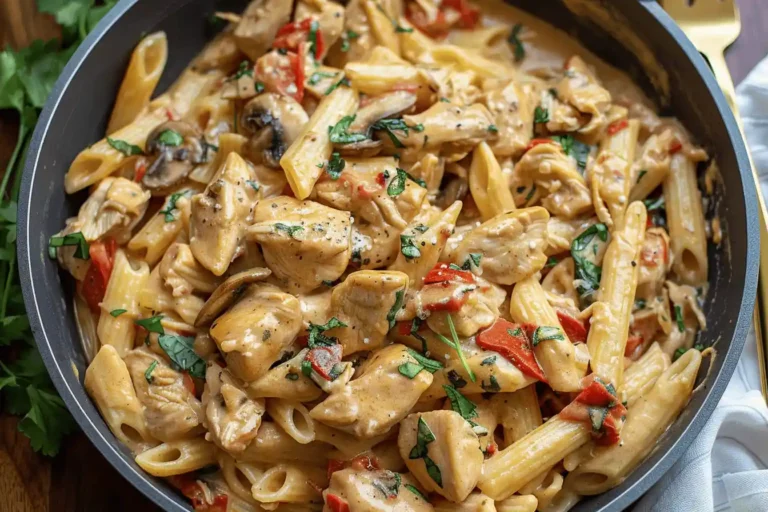
Pea and Ricotta Pasta
Remember that moment when a simple dish just hits different? I was craving something comforting and fresh, a little bit creamy, a little bit bright. That’s how I stumbled into creating this incredible pea and ricotta pasta that absolutely stole my heart.
My grandmother always made the most amazing simple pasta dishes, and I think I inherited that love for minimal ingredients delivering maximum flavor. This recipe brings back those cozy Sunday afternoon vibes, but with a modern twist.
It’s a delightful change from some of my richer pasta adventures, like the creamy Turkish pasta I shared before. This one felt like a revelation, and I can’t wait for you to experience it too.
What You Need to Make This Recipe
For my pea and ricotta pasta, the stars of the show are definitely the fresh ricotta and sweet peas. The ricotta melts into a luscious, airy sauce, providing that creamy dreaminess without being heavy, while the peas burst with garden-fresh sweetness. A good quality pasta, of course, is non-negotiable for me – it truly makes all the difference in soaking up every bit of that delightful sauce, unlike some of my lighter angel hair pasta dishes.

How to Make Pea and Ricotta Pasta
Creating this dish felt like a little dance in my kitchen. I’d start by getting the pasta boiling, watching the water ripple, while simultaneously gently warming garlic in olive oil – that aroma always signals something good is about to happen. Then, just as the pasta finishes, I’d whisk in the ricotta and a splash of that starchy pasta water; it emulsifies into this incredible, silky coating that clings to every strand. The fresh peas go in right at the end, just long enough to warm through, keeping their vibrant color and pop, creating a dish that’s so much more than just pasta and peas.
Pro Tips
Use whole milk ricotta. I’ve found that the full-fat version delivers a far creamier, richer texture to our pea and ricotta pasta, preventing it from becoming watery or gritty.
Don’t drain all the pasta water. Reserve at least a cup, because that starchy liquid is pure magic for thinning the ricotta sauce to the perfect consistency and helping it cling to the noodles.
Toast your black pepper. A quick sizzle in the pan before adding other ingredients brings out an incredible depth of flavor that you just can’t get from pre-ground pepper.
My Secret Trick: Add a generous squeeze of fresh lemon juice right at the very end, off the heat. It brightens everything up and cuts through the richness of the ricotta, making each bite sing.

How to Store Pea and Ricotta Pasta
- Store any leftover pea and ricotta pasta in an airtight container in the refrigerator for up to 3 days.
- I generally don’t recommend freezing this dish, as the ricotta can change texture and become grainy upon thawing and reheating.
- To reheat, gently warm portions in a skillet over low heat, adding a splash of milk or water to loosen the sauce and restore creaminess.
Nutritional Benefits
I love how nourishing this pea and ricotta pasta feels. The ricotta cheese provides a wonderful source of protein and calcium, helping me feel satisfied and supporting bone health. And those vibrant peas aren’t just for color; they pack a punch of fiber and vitamins, adding a lovely dose of essential nutrients to my meal.

FAQs
Can I use frozen peas for this recipe?
Absolutely! I always keep a bag of frozen peas on hand for quick meals. Just toss them directly into the hot pasta mixture in the last minute or two; their residual heat will thaw and warm them perfectly without overcooking. No need to defrost them first.
What kind of pasta works best?
I personally love a short, sturdy pasta like orecchiette, shells, or cavatappi because they really cup and hold onto that creamy sauce beautifully. However, any shape you have on hand will work, even a long strand like spaghetti, for a slightly different experience.
Can I add other vegetables to this dish?
Yes, definitely! I sometimes toss in some blanched asparagus tips or sautéed spinach for extra greens and flavor. Just make sure they’re cooked separately and added at the very end to maintain their texture and vibrant color.
Is there a dairy-free alternative for the ricotta?
While I haven’t personally tried it for this specific dish, I’ve seen some great plant-based ricotta alternatives made from almonds or cashews that could potentially work. You might need to adjust the liquid slightly to achieve the desired creamy texture for your pea and ricotta pasta.


Pea and Ricotta Pasta
Ingredients
Equipment
Method
- Mince the garlic, finely chop the fresh parsley, and zest the lemon. Bring a large pot of generously salted water to a rolling boil for the pasta.
- Add the orecchiette to the boiling water and cook according to package directions until al dente, about 8-10 minutes. Before draining, reserve about 1.5 cups of the starchy pasta cooking water. Drain the pasta and set aside.
- While the pasta cooks, heat the olive oil in a large skillet or Dutch oven over medium heat. Add the minced garlic and cook for 1-2 minutes until fragrant, being careful not to brown it.
- Stir in the frozen peas and cook for 2-3 minutes, just until they are heated through and vibrant green.
- Reduce the heat to low. Add the whole milk ricotta, lemon zest, 0.75 teaspoon salt, and 0.5 teaspoon black pepper to the skillet. Gradually stir in about 0.5 cup of the reserved pasta water, mixing until a smooth, creamy sauce forms. Add more pasta water a tablespoon at a time if the sauce seems too thick, aiming for a luscious consistency.
- Add the drained orecchiette to the skillet with the ricotta mixture. Toss gently to coat all the pasta evenly with the sauce.
- Stir in the grated Parmesan cheese and the chopped fresh parsley. Squeeze in about 1 tablespoon of fresh lemon juice. Taste and adjust seasoning with additional salt and pepper if needed.
- Serve immediately, topped with a little extra grated Parmesan and a sprinkle of fresh parsley if desired. Enjoy!
Notes
Conclusion
I really hope you give this delightful pea and ricotta pasta a try in your own kitchen. It’s become a weeknight hero for me, offering so much flavor and comfort with such little effort. There’s something truly special about how the simple ingredients come together in this dish, almost like my lemon ricotta pasta but with its own unique charm. It’s a comforting hug in a bowl, and I just know you’ll love it as much as I do.