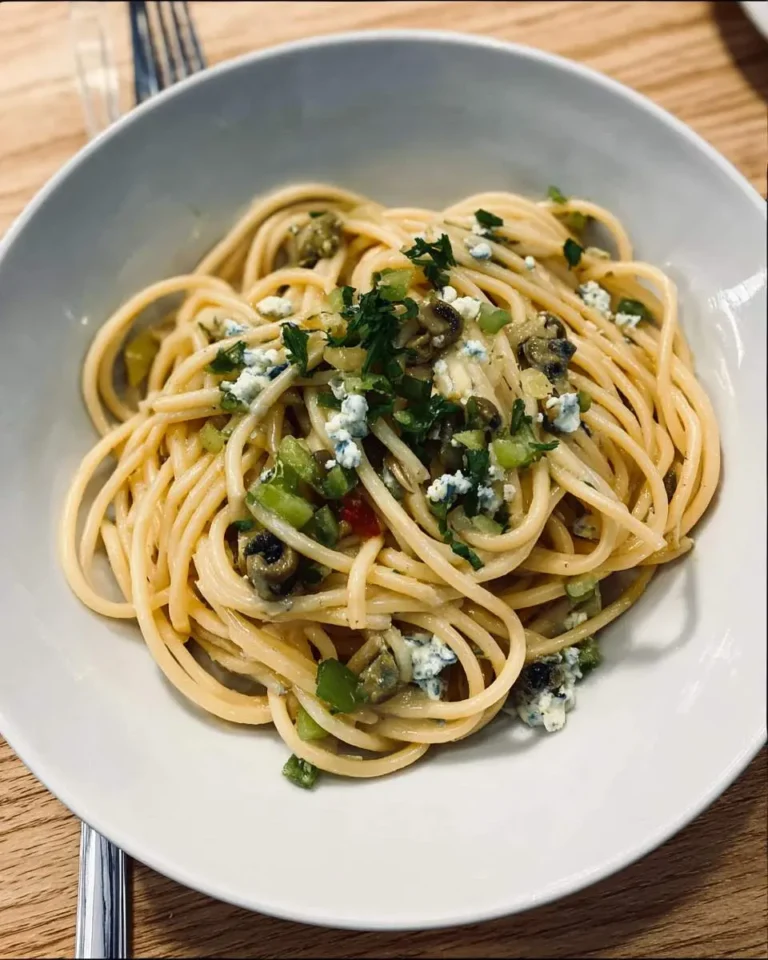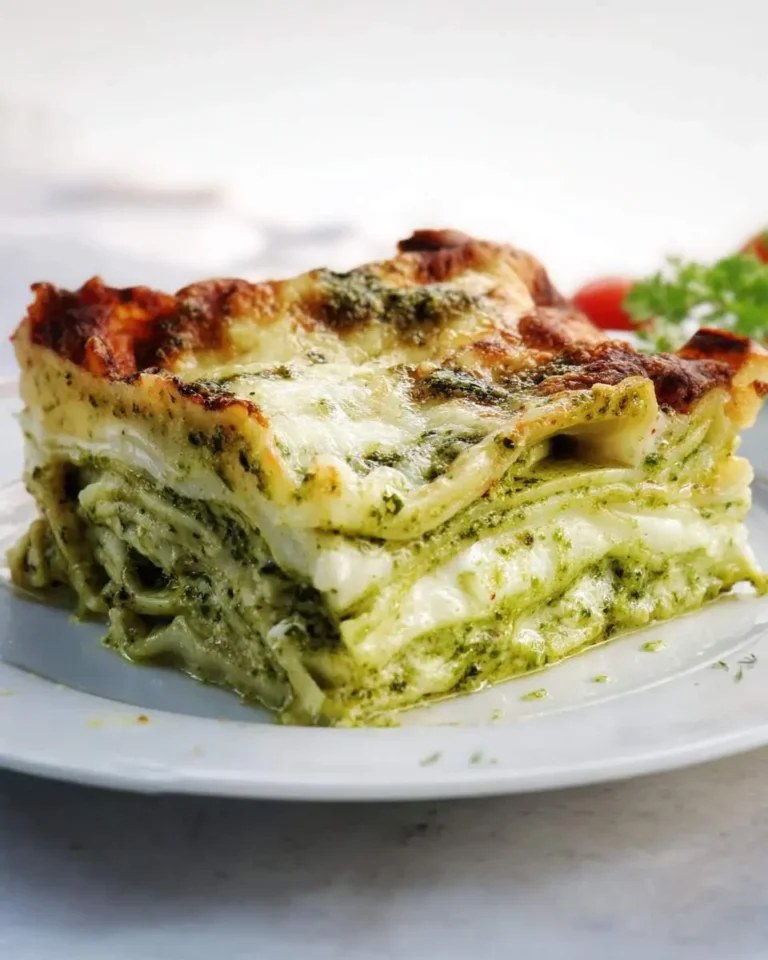
Pesto Pasta
The aroma of fresh basil instantly takes me to my grandmother’s kitchen on a warm summer afternoon. This Classic Basil Pesto Pasta is that memory in a bowl—simple, vibrant, and full of love. The bright, nutty sauce clinging to each strand of linguine is pure comfort, a taste I find myself craving often. It’s an elegant yet effortless meal that has become a staple in my home, one I turn to just as often as my creamy spinach mushroom pasta. This dish is perfect for any night you need something truly special without the fuss.
You’re Going to Love This Recipe, Here’s Why
What I adore most about this dish is its beautiful simplicity and speed. With a prep time of just 15 minutes and a cook time of 12, I can have a truly spectacular meal on the table in under half an hour, which is my secret weapon for busy weeknights! The magic lies in using a few high-quality ingredients—fresh basil leaves, real Parmigiano-Reggiano, and good extra virgin olive oil—to create a sauce that tastes like pure sunshine. It’s incredibly fresh, vibrant, and so much better than anything you can buy in a jar.
Ingredient Notes for Classic Basil Pesto Pasta
For this pesto, using genuine Parmigiano-Reggiano cheese is a must; its nutty, salty flavor is irreplaceable. I also always toast the pine nuts beforehand, as it deepens their flavor. Quality ingredients make all the difference, a lesson I also stand by in my creamy lemon ricotta pasta.


Classic Basil Pesto Pasta
Ingredients
Equipment
Method
- Toast the pine nuts. Place the 1/3 cup of pine nuts in a small, dry skillet over medium-low heat. Toast for 3-5 minutes, tossing frequently, until golden brown and fragrant. Watch them carefully as they can burn quickly. Remove from the skillet and set aside to cool.
- Combine pesto ingredients. In the bowl of a food processor, combine the fresh basil, toasted pine nuts, grated Parmigiano-Reggiano, and chopped garlic. Pulse several times until the ingredients are finely minced.
- Add the olive oil. With the food processor running on low, slowly stream in the extra virgin olive oil until the mixture is smooth and emulsified.
- Season the pesto. Scrape down the sides of the bowl. Add the lemon juice, sea salt, and black pepper. Pulse a few more times to combine. Taste and adjust seasoning if necessary. Set aside.
- Cook the pasta. Bring a large pot of water to a rolling boil. Add the 1 tbsp of kosher salt, then add the pasta. Cook according to package directions until al dente (firm to the bite).
- Reserve pasta water. Just before draining the pasta, carefully scoop out about 1 cup of the starchy pasta water and set it aside. This is the key to a creamy sauce.
- Combine pasta and pesto. Drain the pasta in a colander. Do not rinse. Return the hot, drained pasta to the pot or transfer to a large mixing bowl. Immediately add the prepared pesto and toss to coat the pasta thoroughly.
- Create the sauce. Add 1/4 cup of the reserved pasta water and stir vigorously. The starch in the water will help the pesto cling to the pasta and create a creamy sauce. Add more pasta water, one tablespoon at a time, until you reach your desired sauce consistency.
- Serve. Divide the pesto pasta among serving plates. Garnish with extra grated Parmigiano-Reggiano, a few extra toasted pine nuts, and a sprig of fresh basil. Serve immediately.
Notes
How I Make Classic Basil Pesto Pasta Step-by-Step
I always begin by preparing the pesto while my pasta water comes to a boil. It’s a wonderfully quick process in the food processor, bringing together the basil, garlic, pine nuts, and cheese into a vibrant, fragrant sauce. As soon as the linguine is cooked al dente, I make sure to reserve at least a cup of the starchy water before draining. In a large bowl, I toss the hot pasta with the fresh pesto, adding a splash of that magic pasta water. This is my secret to a creamy, restaurant-quality sauce, a simple joy like making my Marry Me Tortellini.

My Tips for the Perfect Outcome
- Always toast the pine nuts to deepen their nutty flavor.
- Use the best quality Parmigiano-Reggiano you can find.
- Save at least a cup of the starchy pasta water.
- Toss the pasta and pesto together off the heat.
How I Serve and Store This Dish
I love to serve this immediately, topped with extra grated Parmigiano-Reggiano and a drizzle of good olive oil. Leftovers can be stored in an airtight container in the refrigerator for up to three days. Extra pesto is also fantastic on sandwiches or even swirled into a vibrant Mediterranean pasta salad. To store just the pesto, cover its surface with a thin layer of olive oil to keep it green.
Frequently Asked Questions
Faq 1 Can I make this pesto without pine nuts?
Absolutely! I often substitute toasted walnuts or almonds for a different nutty flavor. For a nut-free version, toasted sunflower or pumpkin seeds work wonderfully. Just be sure to toast them first to bring out their best flavor before blending them into the sauce.
Faq 2 Why did my pesto turn brown?
Pesto turns brown due to oxidation when the basil is exposed to air. The lemon juice in my recipe helps slow this down. To prevent it further when storing, you can press plastic wrap directly onto the surface or add a thin layer of olive oil.
Faq 3 Can I make the pesto ahead of time?
Yes, and I highly recommend it for an even quicker meal! You can store homemade pesto in an airtight container in the refrigerator for up to a week. Just cover the surface with a thin layer of olive oil to keep it fresh and vibrant green.
Faq 4 What’s the best pasta shape for pesto?
I adore linguine, but shapes with plenty of nooks and crannies are fantastic for trapping the sauce. I recommend trying fusilli, rotini, or farfalle. Honestly, any pasta shape you have on hand will be delicious, so feel free to use your favorite!
Conclusion
This Classic Basil Pesto Pasta is a recipe I return to again and again for its simple elegance. I truly hope it brings as much joy to your dinner table as it does to mine. If you try it, I’d absolutely love to hear what you think in the comments below!