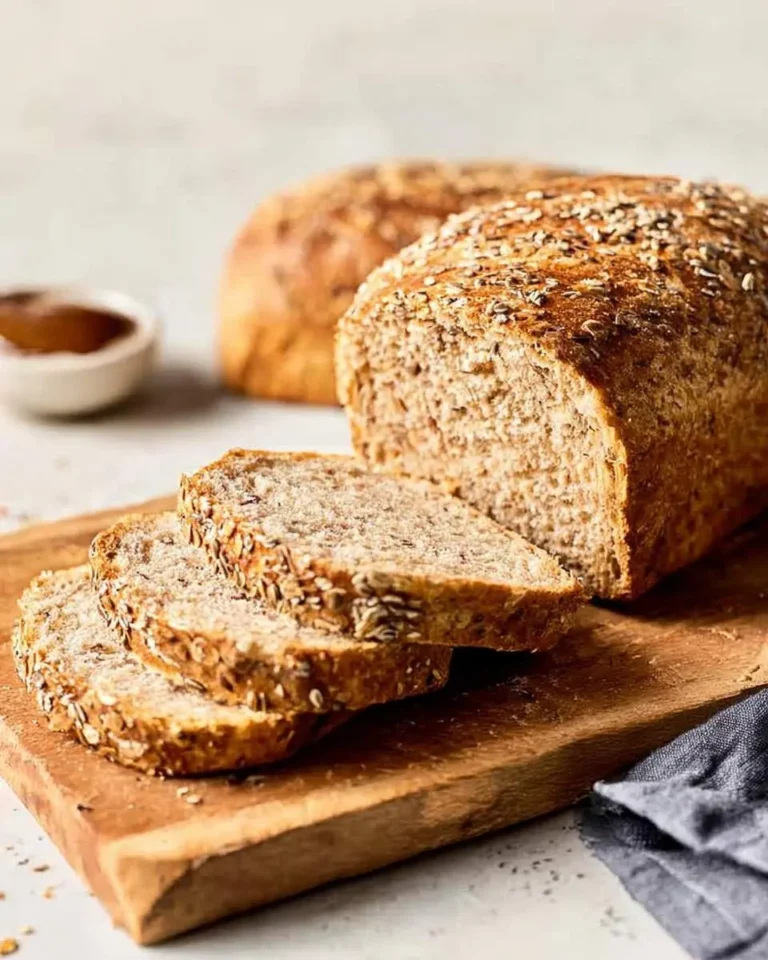
pumpernickel bread
My kitchen, for me, is a sanctuary—a place where simple ingredients transform into something truly magical. There’s a certain nostalgia that wraps around me when I think about baking bread, and my Hearty German Pumpernickel Bread recipe is steeped in cherished memories and traditions. The deep, malty aroma that fills the house as it bakes is utterly intoxicating, promising a dense, chewy crumb and a flavor that’s both earthy and subtly sweet. It reminds me of cozy afternoons spent perfecting my craft, much like the journey I had with my beloved 3-ingredient avocado bread. This pumpernickel bread isn’t just a loaf; it’s a taste of home, a comforting hug in every single slice.
My Favorite Things About This Recipe
I genuinely adore this pumpernickel bread because it delivers incredible depth of flavor with surprisingly little fuss, a true labor of love. At just 30 minutes of prep time and 65 minutes of active cooking, it’s a rewarding project that fits beautifully into any weekend afternoon. The unique combination of dark rye flour, dark molasses, and a hint of unsweetened cocoa powder creates that signature dark hue and complex profile I crave. It’s a truly hearty loaf that feels both rustic and refined, making every single bite a deeply satisfying experience for me.
Let’s Talk About the Ingredients
When I’m making my pumpernickel bread, I always reach for quality dark rye flour; it’s the heart of the loaf and gives it that authentic, robust character. Dark molasses contributes distinctive, slightly bitter sweetness. Caraway seeds are crucial for that classic aromatic hint, a spark of tradition. Much like my cranberry walnut bread, choosing the best ingredients truly makes a difference.


Hearty German Pumpernickel Bread
Ingredients
Equipment
Method
- In a large mixing bowl (or the bowl of a stand mixer), combine the warm water, dark molasses, and instant dry yeast. Stir gently and let sit for 5-10 minutes, until the mixture becomes foamy, indicating the yeast is active.
- In a separate large bowl, whisk together the dark rye flour, bread flour, unsweetened cocoa powder, kosher salt, caraway seeds (if using), and instant coffee powder (if using). Ensure all ingredients are well combined.
- Add the dry ingredient mixture to the wet yeast mixture. Mix with a sturdy wooden spoon or the dough hook of a stand mixer on low speed until a shaggy, cohesive dough forms. Make sure there are no dry pockets of flour.
- Turn the dough out onto a lightly floured surface or continue kneading with the stand mixer's dough hook on medium-low speed. Knead for 8-10 minutes until the dough becomes smoother, more elastic, and slightly tacky. Pumpernickel dough will be denser and less elastic than a typical white bread dough.
- Lightly grease a clean large bowl with vegetable oil or butter. Place the kneaded dough in the bowl, turning it once to coat all sides with oil. Cover the bowl tightly with plastic wrap or a damp kitchen towel. Let the dough rise in a warm, draft-free place for 1.5 to 2 hours, or until it has roughly doubled in size. This rise may be slower than for white bread.
- Gently punch down the risen dough to release the air. Turn it out onto a lightly floured surface. Shape the dough into a tight, even log, tucking the ends underneath to create a smooth top. Grease a 9x5-inch loaf pan with vegetable oil or butter and dust lightly with cornmeal to prevent sticking. Place the shaped dough into the prepared loaf pan.
- Loosely cover the loaf pan with plastic wrap or a damp kitchen towel. Let the dough rise again in a warm place for another 45-60 minutes, or until it has risen about 1 inch (2.5 cm) above the rim of the pan. It should look noticeably puffy.
- About 20 minutes before the second rise is complete, preheat your oven to 375°F (190°C).
- Once the loaf has finished its second rise, place the loaf pan in the preheated oven. Bake for 30 minutes. Then, reduce the oven temperature to 350°F (175°C) and continue baking for another 30-35 minutes, or until the internal temperature of the bread reaches 200-210°F (93-99°C) when measured with an instant-read thermometer. The crust should be dark and firm to the touch. If it starts to brown too quickly, you can loosely tent it with aluminum foil.
- Carefully remove the bread from the oven. Immediately turn the loaf out of the pan onto a wire rack to cool completely. This is crucial for pumpernickel bread; allow it to cool for at least 2-3 hours before slicing. Slicing too early can result in a gummy texture due to the high rye content.
Notes
A Walkthrough of the Recipe Process
Making this bread is a wonderfully meditative process in my kitchen, a real joy from start to finish. I always begin by whisking the warm water, dark molasses, and instant dry yeast, letting it bloom and awaken beautifully. Then, it’s about gradually incorporating the flours, cocoa, salt, and spices, watching it come together into a gorgeous, shaggy dough. After a good knead, I lovingly let it rise, giving it ample time to develop its full flavor and distinctive texture. Shaping the loaf is always a deeply satisfying step before it heads into the oven, where the true magic transforms it into a masterpiece. It’s a journey I enjoy every time, much like the precision involved in baking a perfect keto brioche bread.

My Tips for the Perfect Outcome
- Don’t rush the proofing; cold proofing truly enhances flavor.
- Use a heavy-bottomed pan for even baking and a superior crust.
- Generously oil your loaf pan to absolutely prevent any sticking.
- Allow the bread to cool completely before slicing for the very best texture.
Serving Suggestions and Storage Tips
I love serving this pumpernickel bread toasted, slathered with cream cheese and chives, or alongside a hearty stew. It’s also incredible with smoked salmon and capers, making for an elevated snack or appetizer. For storage, wrap any leftover bread tightly in plastic or foil; it keeps well at room temperature for up to 3-4 days. Slices also freeze beautifully for up to a month, ready to be toasted whenever a craving strikes.
Frequently Asked Questions
Faq 1: What gives pumpernickel bread its dark color?
Pumpernickel bread gets its signature dark hue primarily from the long, slow baking process, which caramelizes the natural sugars in the rye flour. The careful addition of dark molasses and a touch of unsweetened cocoa powder further deepens its rich, characteristic color and contributes to its complex flavor profile.
Faq 2: Can I substitute other flours for dark rye flour?
While you can experiment, substituting dark rye flour entirely will significantly alter the authentic pumpernickel bread texture and deep flavor. For the best, most traditional results, I always recommend sticking to dark rye. However, you could try a blend of dark rye and whole wheat flour for a slightly lighter loaf, maintaining its hearty essence.
Faq 3: Is pumpernickel bread supposed to be dense?
Yes, absolutely! Traditional pumpernickel bread is renowned for its distinctly dense, firm texture, which is a hallmark of this unique style. This satisfying density comes from the low gluten content naturally present in rye flour and the extended baking time. Embrace its satisfying chewiness; it’s part of its charm.
Faq 4: How can I tell if my yeast is active?
To check if your instant dry yeast is active, combine it with the warm water and a pinch of molasses (as per the recipe). After about 5-10 minutes, the mixture should become visibly foamy or bubbly on the surface. If it doesn’t show these signs, your yeast might be old or inactive, and I’d recommend getting fresh yeast for successful baking.
Conclusion
This Hearty German Pumpernickel Bread truly holds a special place in my baking repertoire. Its robust flavor and satisfying texture always bring comfort. I hope it becomes a cherished recipe in your kitchen too. If you try it, I’d love to hear what you think and see your creations! Perhaps you’ll even serve it with some homemade burger buns for an amazing meal.