Pumpkin Swirl Bread
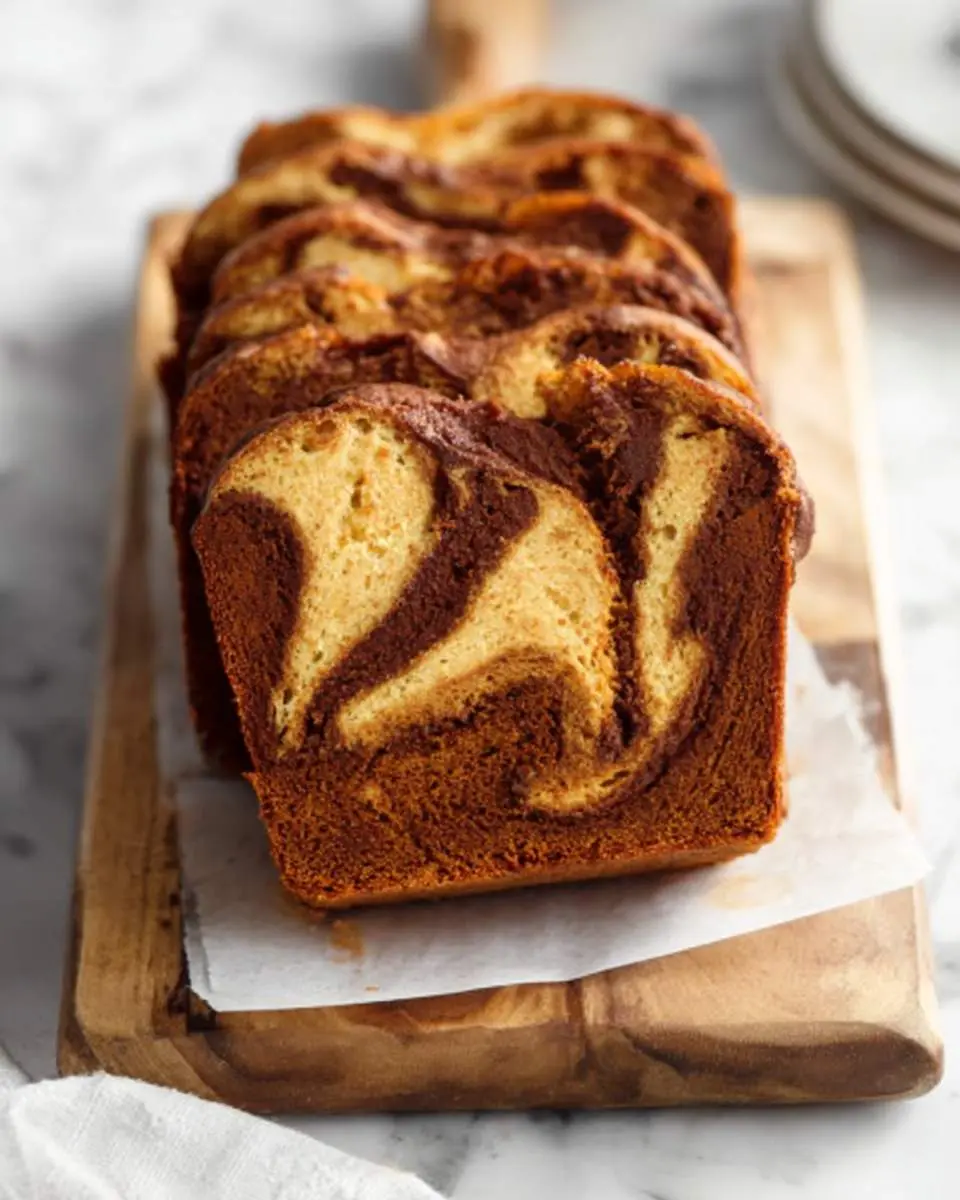
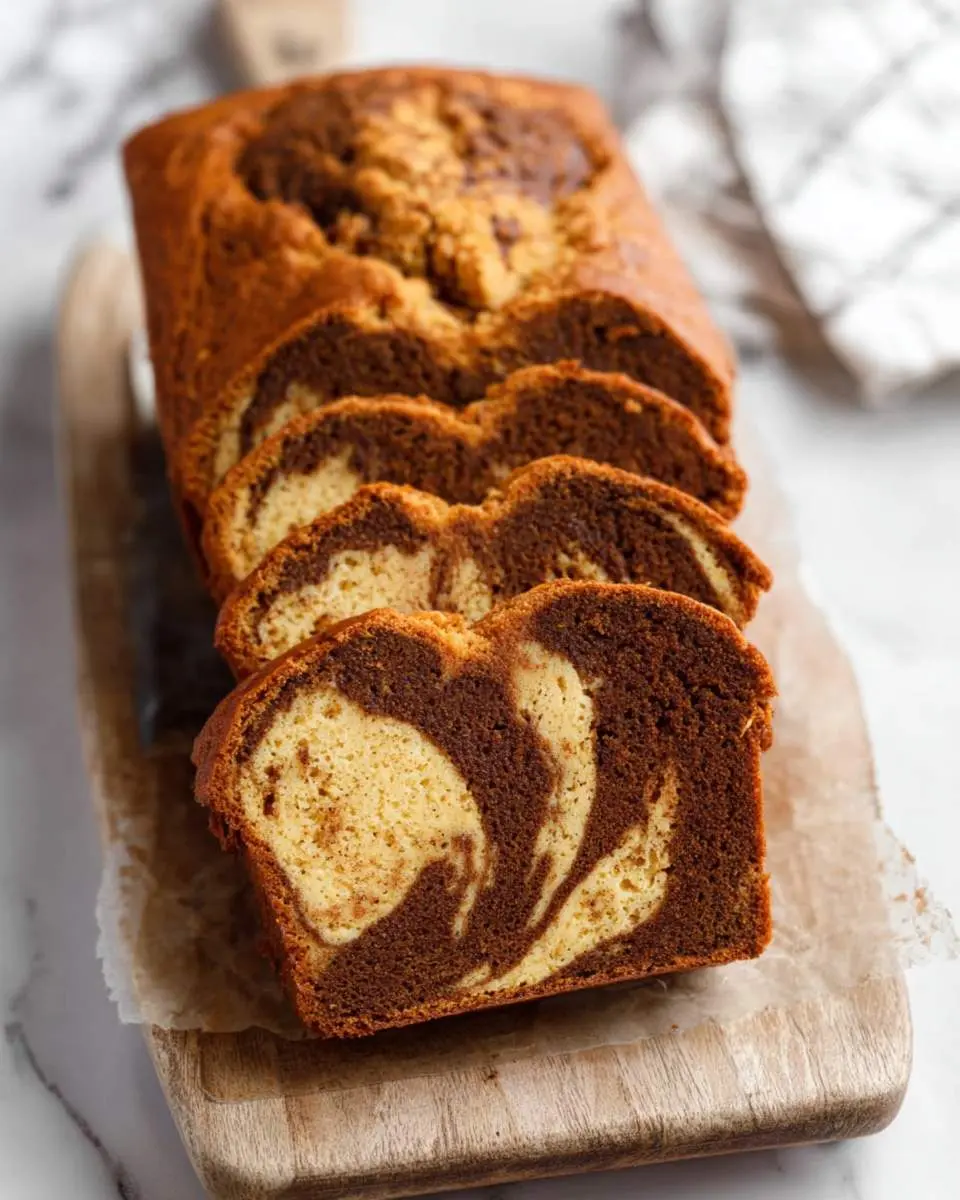
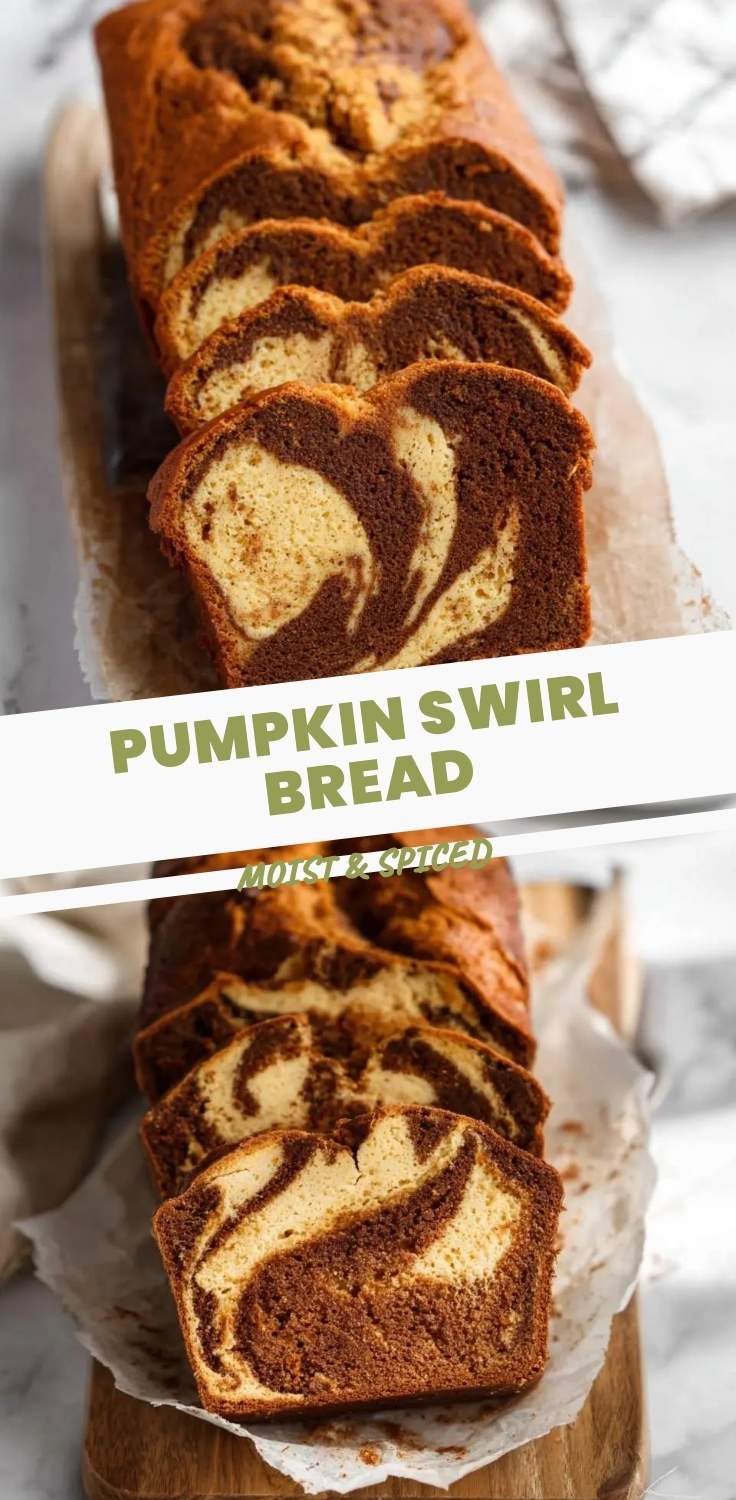
The first time I pulled a loaf of pumpkin swirl bread from my oven, the whole kitchen smelled like a candle I would actually want to eat. That warm cinnamon-pumpkin aroma wrapped around me like an old sweater, and I knew immediately this would become one of those recipes I make on repeat every October. There is something almost magical about slicing into that tender crumb and revealing the gorgeous ribbon of spiced filling spiraling through the center.
My grandmother never baked with pumpkin. She was an apple pie purist, stubborn in the best way. I discovered my love for pumpkin baking entirely by accident, grabbing a can of puree on sale one November afternoon when the grocery store felt too quiet and I needed a project. That experimental loaf disappeared in twenty-four hours, and my husband still talks about it every fall like it was some kind of culinary miracle.
What I love most about this bread is that it feels special without demanding a pastry degree. The swirl looks impressive, but the technique is surprisingly forgiving. If you have ever made my Amish white bread, you already have the patience this recipe requires.
What You Need to Make This Recipe
The pumpkin puree matters more than you might think. I always reach for the thick, dense canned variety rather than anything watery or homemade that has not been properly drained, because excess moisture will sabotage that beautiful swirl and leave you with a gummy bottom. Brown sugar does double duty here, sweetening the dough while deepening the color and adding subtle molasses notes that make the pumpkin taste more like itself. The cinnamon in the filling needs to be fresh, not that jar that has been sitting in your spice cabinet since 2019, because this is where all the aromatic magic happens. If you want to explore another savory direction with similar techniques, my Italian herb and cheese bread uses the same shaping principles with completely different flavors.
How to Make Pumpkin Swirl Bread
I start by blooming the yeast in warm milk with a pinch of sugar, watching for that foamy surface that tells me my yeast is alive and eager. The dough comes together soft and slightly sticky, and I resist the urge to add extra flour because that tenderness is what gives the finished loaf its dreamy texture. After the first rise, I roll the dough into a rectangle and spread the cinnamon-brown sugar filling almost to the edges, then roll it up slowly, keeping the spiral tight without stretching the dough thin.
The slicing moment is where I hold my breath. I use a sharp serrated knife and cut cleanly down the center, revealing those layered swirls, then twist the two halves around each other with the cut sides facing up. It looks messy and beautiful all at once, and that raw dough goes into the pan looking like something that could never work. The second rise takes patience, about forty-five minutes until the loaf crests the pan, and then the oven does its transformation. The smell that fills my house during baking is almost unbearably good, that deep caramelized sugar and spice scent that makes neighbors suddenly need to borrow something.
I have learned to let it cool almost completely before slicing, which tests my willpower every single time. The crumb needs that time to set, or the swirl will smudge and lose its definition. For another pumpkin bread that skips the yeast entirely, my cranberry pecan pumpkin bread is what I make when I want something quicker but equally autumnal.
Pro Tips
Chill the rolled log before slicing. Ten minutes in the refrigerator firms up the butter in the filling, so your knife glides through cleanly instead of squishing the spiral into an unrecognizable blob. I learned this after too many loaves that looked promising until the cut.
Brush the dough lightly with melted butter before adding the filling. This creates a adhesive layer that keeps the sugar mixture from shifting during rolling and baking, which means your swirl stays exactly where you placed it instead of sinking to the bottom.
My Secret Trick: I sprinkle a tiny pinch of fine sea salt over the cinnamon filling before rolling. It sounds almost too simple, but that salt wakes up every other flavor and keeps the sweetness from flattening into one dimension. The difference is subtle and completely transformative.
Use a light-colored metal loaf pan, not dark or glass. Dark pans absorb too much heat and will over-brown the bottom and edges before the center is fully baked, while glass heats unevenly and can give you a soggy middle. Light metal gives you that even golden crust all around.
How to Store Pumpkin Swirl Bread
- Room temperature: Wrap tightly in plastic wrap or store in an airtight container for up to 2 days. The swirl filling makes this bread more moist than plain bread, so it stays soft longer.
- Refrigerator: Store in an airtight container for up to 5 days. The cold will firm up the crumb slightly, so let slices sit at room temperature for 15 minutes before eating, or warm gently.
- Freezer: Wrap the whole loaf or individual slices in plastic wrap, then foil, and freeze for up to 3 months. Thaw overnight in the refrigerator or at room temperature for 2-3 hours.
- Reheating: Warm slices in a 300°F oven for 5-7 minutes, or toast lightly. The swirl caramelizes slightly at the edges, which I actually prefer to the fresh-baked version.
Nutritional Benefits
Pumpkin swirl bread carries more nutritional value than its dessert-like appearance suggests. The pumpkin puree itself contributes a meaningful dose of beta-carotene, which your body converts to vitamin A and uses for immune function and eye health, plus a surprising amount of fiber that keeps the crumb moist while adding substance. The cinnamon in the swirl has been studied for its potential to help regulate blood sugar response, which feels like a small win when you are eating something this indulgent-tasting.
FAQs
Can I use fresh pumpkin instead of canned?
Fresh pumpkin works if you roast and drain it thoroughly, then puree until completely smooth. It must be thick like canned puree, or the extra moisture will make the dough slack and the swirl will bleed. I press mine through a fine sieve and sometimes blot with paper towels.
Why did my swirl disappear while baking?
The filling likely melted and absorbed into the dough, which happens when the sugar ratio is off or the dough was overproofed. Make sure your filling has enough brown sugar to stay distinct, and do not let the second rise go too long. The dough should crest the pan, not mushroom over it.
Can I make this dough ahead and refrigerate overnight?
Yes, and I actually prefer it. After the first rise, shape the loaf and place it in the pan, then cover tightly and refrigerate for up to 16 hours. The cold slow-rise develops deeper flavor, and you can bake straight from the fridge with just an extra 10-15 minutes in the oven.
How do I get a tighter swirl in my pumpkin swirl bread?
Roll the initial rectangle thinner than feels right, about a quarter inch, and spread the filling in a thin, even layer. Roll tightly from the short end, tugging gently to eliminate air pockets. A tight roll means more spiral layers when you slice and twist.

Pumpkin Swirl Bread
Ingredients
Equipment
Method
- Preheat oven to 350F. Grease a 9x5 inch loaf pan and line with parchment paper, leaving an overhang for easy removal.
- Beat softened cream cheese with 3 tablespoons sugar until smooth. Mix in egg yolk and vanilla until fully combined. Set aside.
- In a large bowl, whisk together pumpkin puree, both sugars, oil, and eggs until well blended and glossy.
- Sprinkle flour, baking soda, pumpkin pie spice, and salt over the wet mixture. Stir just until no dry streaks remain - do not overmix.
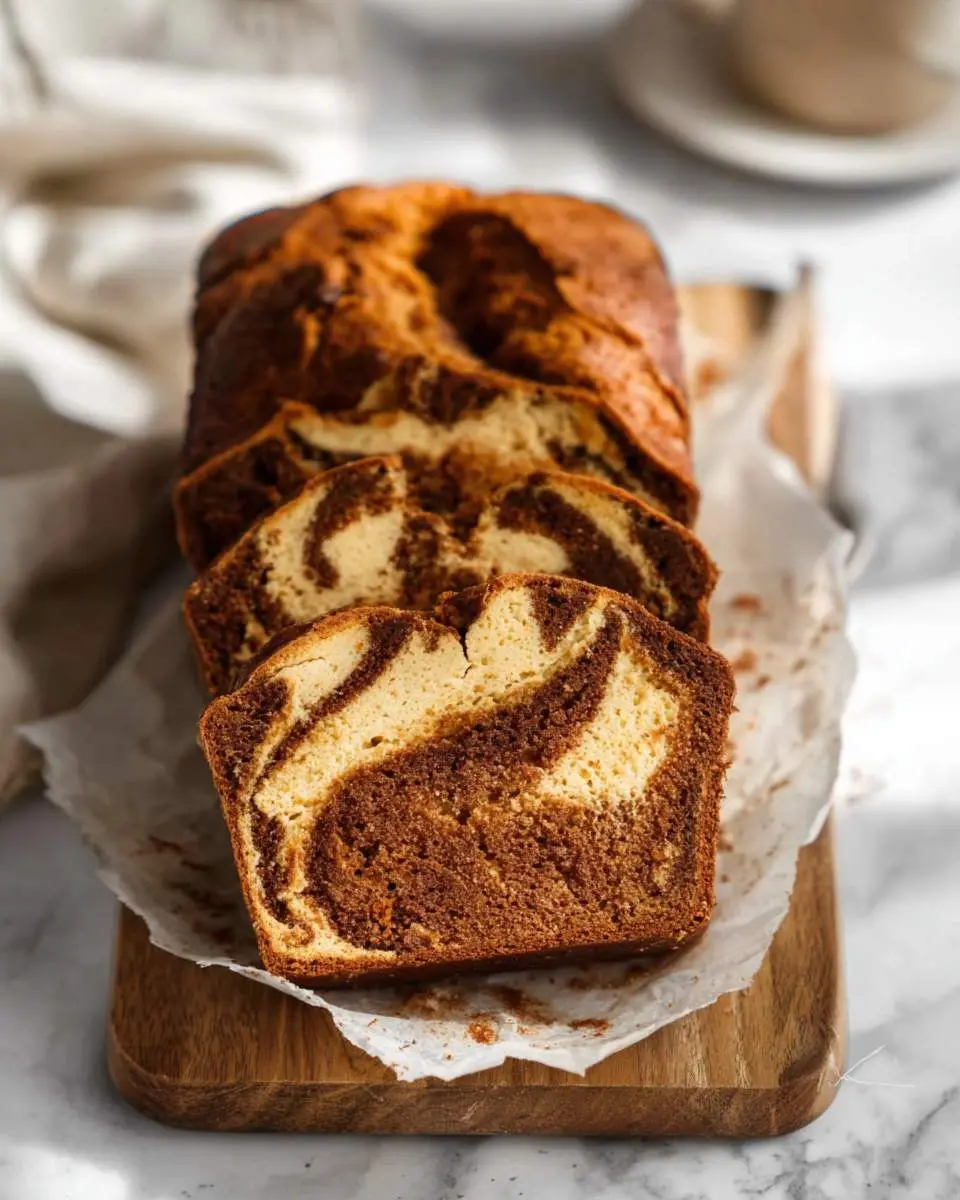
- Spread half the pumpkin batter into the prepared pan. Dollop half the cream cheese mixture on top and swirl gently with a knife. Repeat with remaining batter and cream cheese, then run a knife through once more to create a marbled pattern.
- Bake 55-65 minutes until a toothpick inserted in the center comes out clean or with just a few moist crumbs. The top will be deep golden and slightly cracked.
- Cool in the pan for 15 minutes, then lift out using the parchment overhang and cool completely on a wire rack before slicing - at least 1 hour.
Notes
Conclusion
This pumpkin swirl bread has earned its place in my fall baking rotation through sheer deliciousness and the joy it brings anyone I share it with. The swirl never fails to draw gasps, and the flavor delivers on that visual promise. If you are craving another pumpkin bake with chocolate in the mix, my pumpkin chocolate chip bread waits for you. Bake this soon, while the weather still asks for warm ovens and spiced kitchens.