roasted cauliflower oven
The first time I pulled a tray of golden, crackling florets from the oven, I actually gasped. That transformation from pale and watery to caramelized and nutty still feels like kitchen magic every single time. This roasted cauliflower oven method has become my weeknight salvation, the thing I make when I want something that feels special but requires almost nothing from me.
My grandmother never roasted vegetables. She boiled everything until it surrendered, and I grew up thinking cauliflower was punishment food. Then one rainy Tuesday, I had a head going soft in my crisper and too little energy for anything complicated. Forty minutes later, I was standing at my counter eating it straight off the pan with my fingers, burning my mouth and not caring.
Now I make this when friends come over, when I’m cooking for one, when I need something reliable between more ambitious projects. If you’re into transforming humble vegetables, you might also love my cabbage steaks — same philosophy, equally addictive results.
What You Need to Make This Recipe
You need a head of cauliflower that feels heavy for its size, the kind with tight, creamy florets that haven’t started to separate or spot. The olive oil matters more than you’d think — use something with actual flavor, not the neutral stuff, because it carries the whole dish. I always reach for smoked paprika, which gives you that whisper of outdoor cooking even when you’re firmly planted in your kitchen. A sharp hit of lemon at the end wakes everything up. If you’re building a meatless meal around this, my cabbage lasagna makes an unexpectedly perfect companion — both recipes treat vegetables with the respect they deserve.
How to Make roasted cauliflower oven
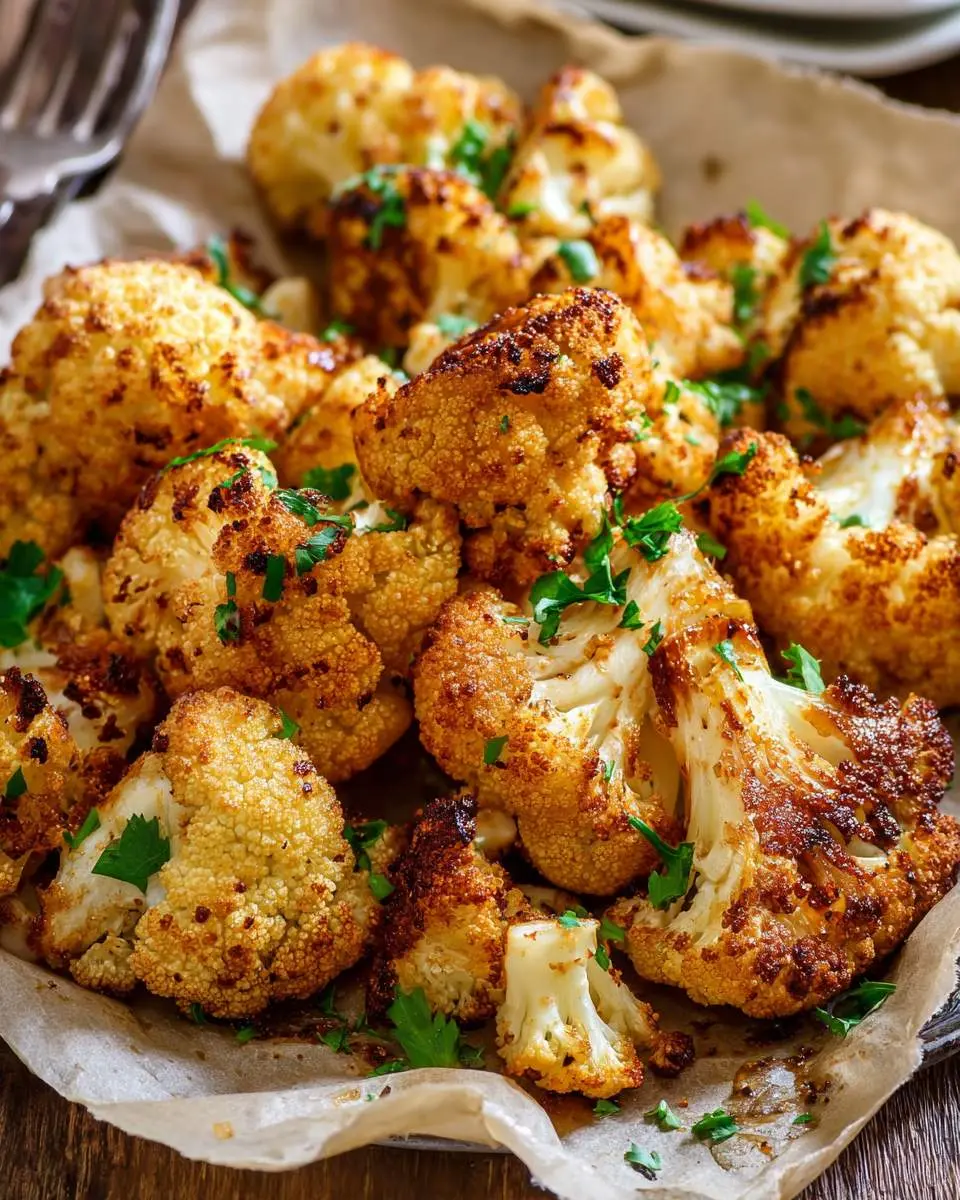
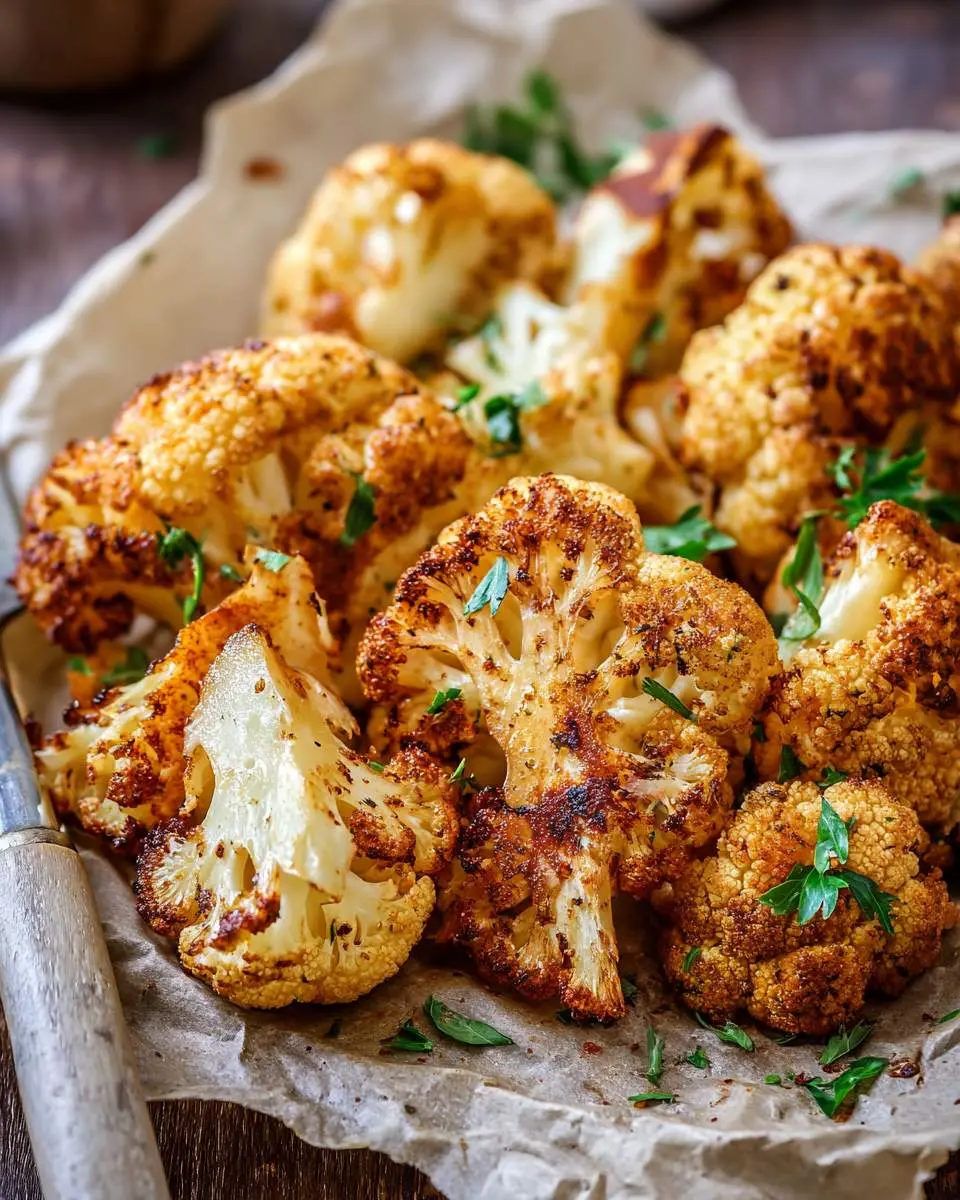
I start by cranking my oven to 425°F and letting it fully preheat while I break down the cauliflower. I cut straight through the core into steaks and florets, keeping some pieces larger than feels intuitive — they shrink and you want those substantial edges that turn deeply brown. Everything goes into my biggest bowl where I drizzle olive oil with my hands, tossing until each piece wears a thin, glossy coat. Too little oil and you get pale, steamed results. Too much and you’re eating oil with cauliflower.
The sound when they hit the hot pan is immediate sizzle, not the sad hiss of cold vegetables meeting metal. I arrange them cut-side down and do not touch them for twenty minutes. This is the hard part. The smell builds — nutty, toasty, slightly sweet — and when I finally flip them, the undersides have turned that perfect mahogany I chase in every batch. The smaller bits get tender and almost creamy inside while the edges stay crisp. I finish with lemon zest and flaky salt while they’re still hot, so the citrus oils bloom against the warm surface. For a completely different cauliflower experience, my lemon pepper cauliflower takes these same principles in a brighter direction.
Pro Tips
Crowding is your enemy. When florets touch, they steam each other instead of roasting. I use two sheet pans if needed, even for one head, because those gaps between pieces are where the hot air circulates and creates caramelization.
Start with a cold oven if you’re using a dark pan. Dark metal absorbs heat so aggressively that it can scorch the bottoms before the centers soften. I learned this the hard way with a batch that smelled incredible but tasted bitter.
Save the leaves and core. The outer leaves crisp into chips that disappear before dinner, and the core, sliced thin and roasted alongside, becomes surprisingly tender and sweet — no waste, more texture.
My Secret Trick: I toss the hot roasted cauliflower with a teaspoon of white miso thinned with a little warm water right when it comes out of the oven. It sounds odd, but that fermented depth makes people ask what you did, and they never guess.
How to Store roasted cauliflower oven
- Refrigerate in an airtight container for up to 4 days — glass preserves the texture better than plastic
- Freeze in a single layer on a sheet pan first, then transfer to freezer bags for up to 2 months; thaw in the refrigerator overnight
- Reheat in a 400°F oven for 8-10 minutes to restore crispness — the microwave works but turns everything soft
- Do not store while still warm; condensation ruins the exterior crunch
Nutritional Benefits
This roasted cauliflower oven preparation preserves more nutrients than boiling ever could, keeping the sulforaphane intact — that compound with real research behind its cellular protective properties. The olive oil doesn’t just taste good; it helps your body access the fat-soluble vitamins locked in those dense white florets. I never make this thinking about health, but I appreciate that something so genuinely delicious happens to be doing actual work for my body.
FAQs
Why does my roasted cauliflower turn out mushy?
You likely overcrowded the pan or used too much oil, which creates steam instead of dry heat. Spread pieces in a single layer with space between them, and use just enough oil to coat lightly.
Can I prep the cauliflower ahead of time?
Yes, cut and store dry florets in an airtight container for up to 24 hours. Do not oil them until just before roasting or they’ll start releasing moisture and won’t crisp properly.
What temperature is best for roasting cauliflower?
425°F hits the sweet spot — hot enough to drive off moisture quickly and create browning, but not so hot that the exterior burns before the center tenderizes.
How do I get more flavor into plain roasted cauliflower?
Toss with spices before roasting, then finish with acid and fat after. The high heat blooms dried spices, while fresh elements like lemon or herbs added at the end stay vibrant and bright.

Roasted Cauliflower
Ingredients
Equipment
Method
- Preheat your oven to 425°F. Cut the cauliflower into evenly sized florets, about 1.5 inches wide. Pat them completely dry with a clean kitchen towel - any moisture will steam instead of roast.
- Toss the florets in a large bowl with olive oil, salt, pepper, and garlic powder. Use your hands to coat every surface. The florets should look glossy but not swimming in oil.
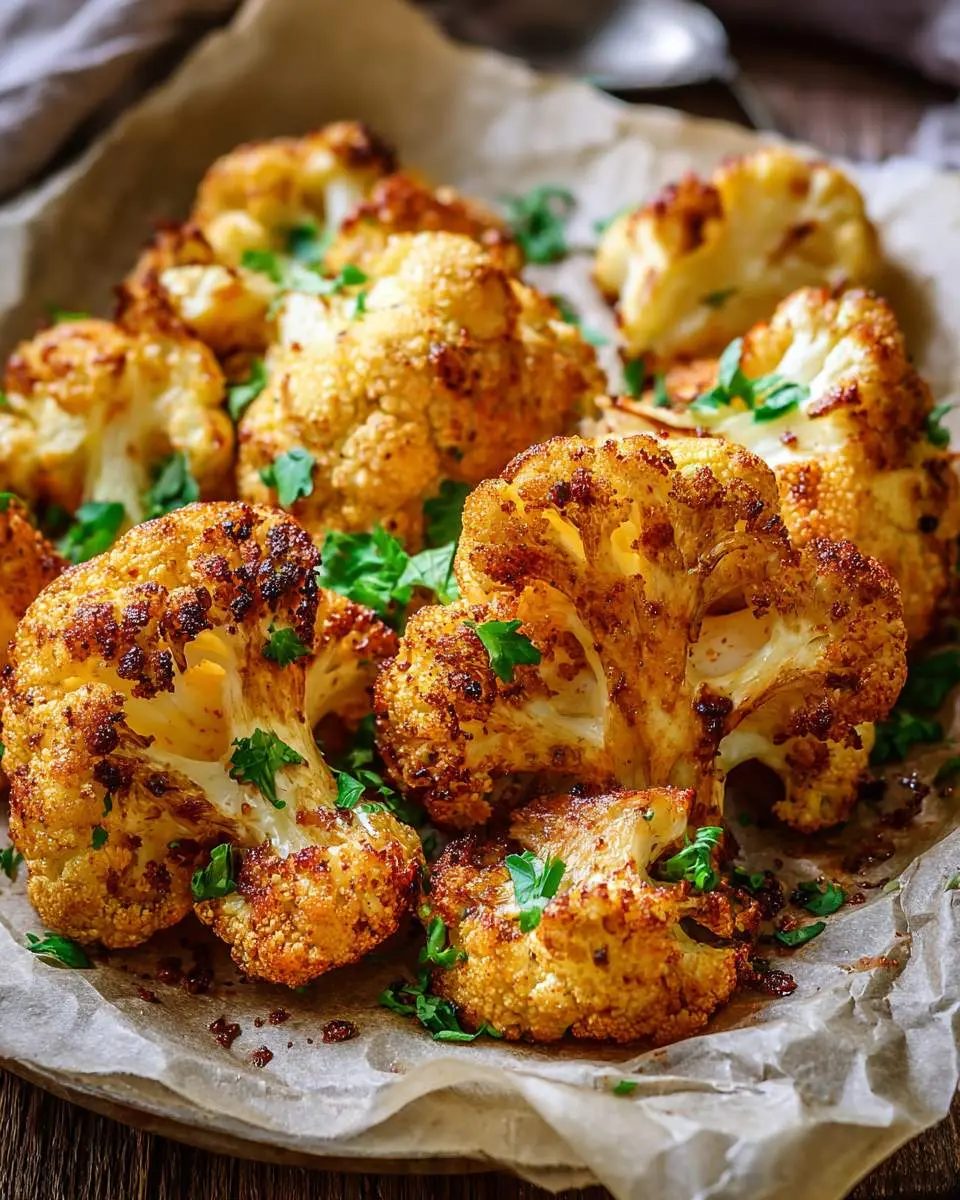
- Spread the cauliflower in a single layer on a large rimmed baking sheet. Do not crowd - use two sheets if needed. Roast for 20 minutes until the bottoms are deeply golden.
- Flip each floret with a spatula and roast another 12-15 minutes until the edges are crispy and caramelized and a knife slides through easily. You want some charred spots - that's where the flavor lives.
- Transfer to a serving bowl. If using, sprinkle with Parmesan while hot so it melts slightly, then add parsley and a squeeze of lemon. Serve immediately.
Notes
Conclusion
I hope this roasted cauliflower oven method finds its way into your regular rotation the way it has mine. Some weeks I make it three times, others just once, but I never regret the twenty minutes of mostly hands-off time. If you’re ready to take cauliflower outside, my grilled cauliflower steaks carry these same flavors into summer evenings. Either way, give yourself permission to eat half the pan standing at the counter. I always do.