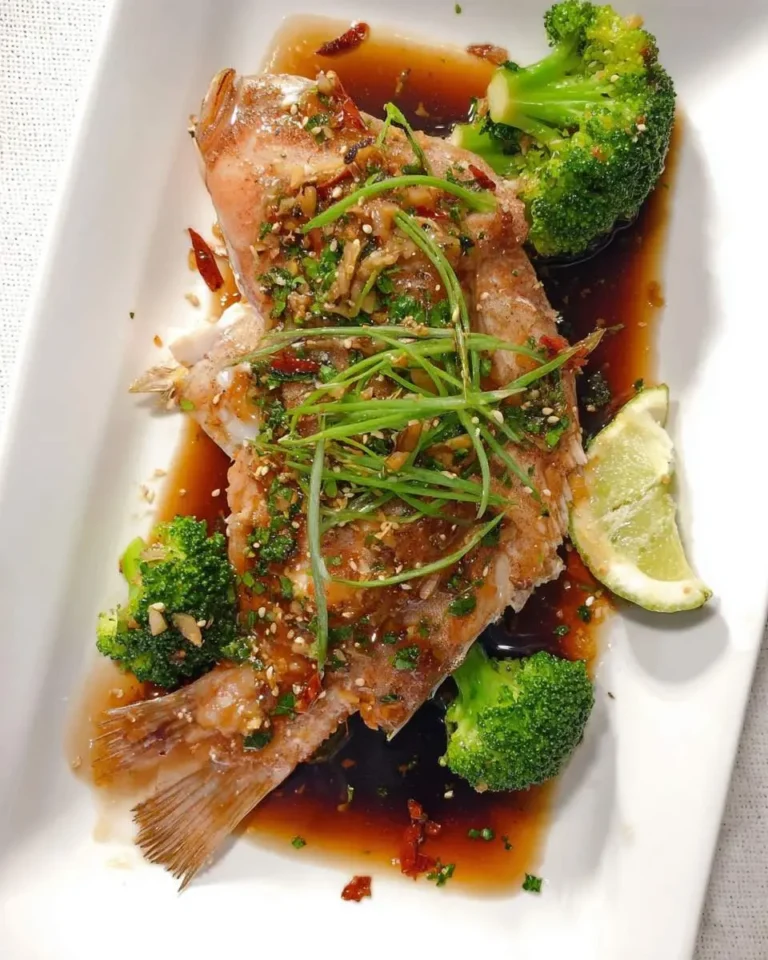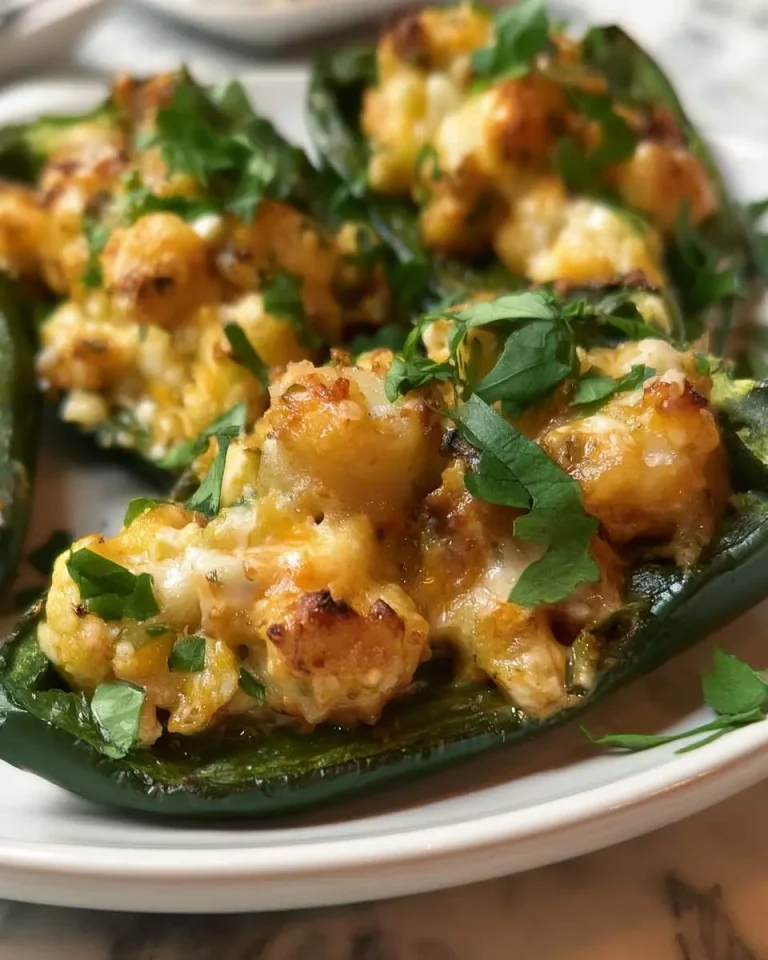
Salmon with pesto butter
Salmon with Pesto Butter
I remember the first time I seared a fillet and the kitchen filled with the bright, herby smell of basil and lemon; it made my whole evening feel like a proper treat. “Salmon with pesto butter” slipped into my dinner rotation after that first buttery, fragrant bite.
There’s a specific weekend memory I keep: a messy counter, a bottle of white wine, and a skillet sizzling so loud my neighbor knocked to ask what smelled so good. I plated it on a small wooden board and pretended I had planned the whole thing.
I wrote this recipe after several happy experiments, and if you want a different salmon idea I often turn to spinach-stuffed salmon for a cozy weeknight twist.
What You Need to Make This Recipe
You only need a handful of honest ingredients: a good piece of salmon for richness, homemade or store pesto for that bright herb flavor, and plenty of unsalted butter to coax a silky sauce; I sometimes peek at my go-to for roasted fish flavor ideas in tilapia with roasted pepper sauce while I prep. “Salmon with pesto butter” sings when those three elements are in balance.

How to Make Salmon with pesto butter
I start by patting the fillets dry and seasoning lightly so the skin crisps and the flesh stays tender; the first sizzle when the fish hits the pan is tiny music. As the edges turn opaque I lower the heat and spoon hot butter over the top to keep the surface glossy and the interior silky.
When the butter smells nutty and the pan carries a faint lemony lift, I whisk in pesto off the heat so the herbs stay bright; the sauce thickens into a spoonable cloak and the finished fillet has a faint crust and a soft, flaky center. For a different crusted finish I sometimes reference my parmesan-crusted baked salmon notes before trying a variation.
Pro Tips
Start with room-temperature salmon so the center cooks evenly; a cold fillet can force the edges to overcook while the middle lags behind.
Heat the butter until it smells slightly toasted but not browned; that subtle nutty aroma helps the pesto mingle without losing its fresh green lift. This keeps the sauce bright and avoids a greasy finish.
Spoon the sauce over the fillet off the heat so the pesto doesn’t turn bitter from high heat; gentle residual warmth melts the butter and keeps basil fresh. “Salmon with pesto butter” benefits from that soft finish.
My Secret Trick: reserve a tablespoon of raw pesto and stir it in just before serving to restore vivid herb color and fresh basil scent.

How to Store Salmon with pesto butter
- Fridge: Keep in an airtight container up to 3 days at 40°F; store sauce separately to preserve texture.
- Freezer: Wrap tightly and freeze up to 1 month; thaw overnight in the fridge before reheating.
- Reheating: Warm gently in a 275°F oven for 8-10 minutes or warm in a skillet over very low heat until just heated through.
Nutritional Benefits
This dish showcases salmon’s omega-3 fats and vitamin D, and the olive oil in pesto adds heart-friendly monounsaturated fats; those nutrients make “Salmon with pesto butter” not just comforting but genuinely nourishing after a long day.

FAQs
How long should I cook a one-inch salmon fillet in a skillet?
I cook a one-inch fillet about 3-4 minutes skin-side down until the edges are opaque, then 2-3 minutes flesh-side to finish; the total time depends on pan heat and fish thickness, but I look for a glossy, slightly translucent center to know it is perfect.
Can I make the pesto butter ahead of time?
Yes, I make the pesto butter a day ahead and keep it chilled; bring it back to room temperature and whisk briefly before warming so the herbs stay lively. It saves time and deepens the flavors without any fuss.
What sides pair best when serving this at a casual dinner?
I like quick roasted vegetables or a lemony salad to cut the butter richness; warm crusty bread soaks up the sauce and a small green salad keeps the plate feeling balanced and homey without stealing the spotlight.
Is there a simpler way to reheat without drying the salmon?
The gentlest method is a low oven at 275°F for 8-10 minutes with sauce warmed separately; that soft heat preserves moisture and the pesto retains its fresh aroma while the fish warms evenly.


Lemon-Garlic Roasted Chicken Thighs with Potatoes
Ingredients
Equipment
Method
- Preheat oven to 425°F. Pat the chicken thighs dry with paper towels (dry skin crisps better). In a small bowl, combine lemon zest, lemon juice, minced garlic, 2 tbsp olive oil, thyme, smoked paprika, 1 tsp kosher salt, and 1/4 tsp black pepper.
- Toss the halved potatoes in a mixing bowl with the remaining 1 tbsp olive oil, 1/4 tsp kosher salt, and the remaining 1/4 tsp black pepper. Spread potatoes in an even layer in the skillet (or on a sheet pan if your skillet is small).
- Nestle the chicken thighs skin-side up among the potatoes. Rub the lemon-garlic mixture evenly over the chicken and drizzle any leftover over the potatoes. Place the skillet on the stovetop over medium-high heat and sear for 4–6 minutes just to render some fat and start browning the skin (you should see the edges turn golden).
- Transfer the skillet to the oven and roast at 425°F for 25–30 minutes, until the potatoes are tender when pierced and the chicken reaches 165°F at the thickest part (skin should be deep golden). If skin isn’t as crisp as you like, broil on high for 1–2 minutes while watching closely.
- Remove chicken and potatoes to a platter to rest. Place the skillet over medium heat, add the chicken broth and the butter, and scrape up any browned bits with a wooden spoon. Simmer for 2–3 minutes until slightly reduced, then spoon the sauce over the chicken and potatoes.
- Let the chicken rest 5 minutes before serving so juices redistribute. Serve hot with lemon wedges and an extra sprinkle of fresh thyme if desired.
Notes
Conclusion
I hope this makes your weeknight feel a little more celebratory; the herb-butter balance turned a simple fillet into one of my favorite quick dinners. “Salmon with pesto butter” is forgiving, elegant, and often becomes the meal everyone asks about when I bring out my salmon with chimichurri sauce notes for a different twist.