Sausage and White Bean Skillet
The first time I made this dish, it was one of those nights where I stared into my fridge hoping something would assemble itself. I had a pack of Italian sausage, a couple cans of white beans, and not much else. That random combination became my Sausage and White Bean Skillet, and I still can’t believe how something so simple turned into one of my most requested dinners.
My grandmother always kept beans in her pantry for “emergency feasts,” as she called them. She’d simmer them with whatever meat she had until the whole house smelled like comfort. I think about her every time the sausage starts browning and those garlicky bean juices bubble up in my cast iron. It’s not her recipe exactly, but it carries that same spirit of making something beautiful from almost nothing.
What I love most is how this dinner demands almost no planning. If you’ve got twenty-five minutes and a hungry household, you’re already most of the way there. I first started experimenting with one-pot bean dinners after falling hard for this chicken and cauliflower skillet that taught me the magic of letting proteins and legumes share a pan.
What You Need to Make This Recipe
The sausage matters more than you’d think. I reach for hot Italian links when I want some kick, or sweet if I’m feeding my spice-shy nephew. The fat renders out and becomes the foundation everything else cooks in. For beans, I swear by cannellini for their creamy interior and sturdy skins that don’t fall apart when you stir. A heavy glug of good olive oil at the finish makes the whole dish taste like you tried harder than you did. Fresh rosemary is non-negotiable for me now, though I used dried for years and wondered why it felt flat. If you’re a bean enthusiast like I’ve become, you should absolutely try this mozzarella tomato pie that plays with similar pantry staples in a completely different way.
How to Make Sausage and White Bean Skillet
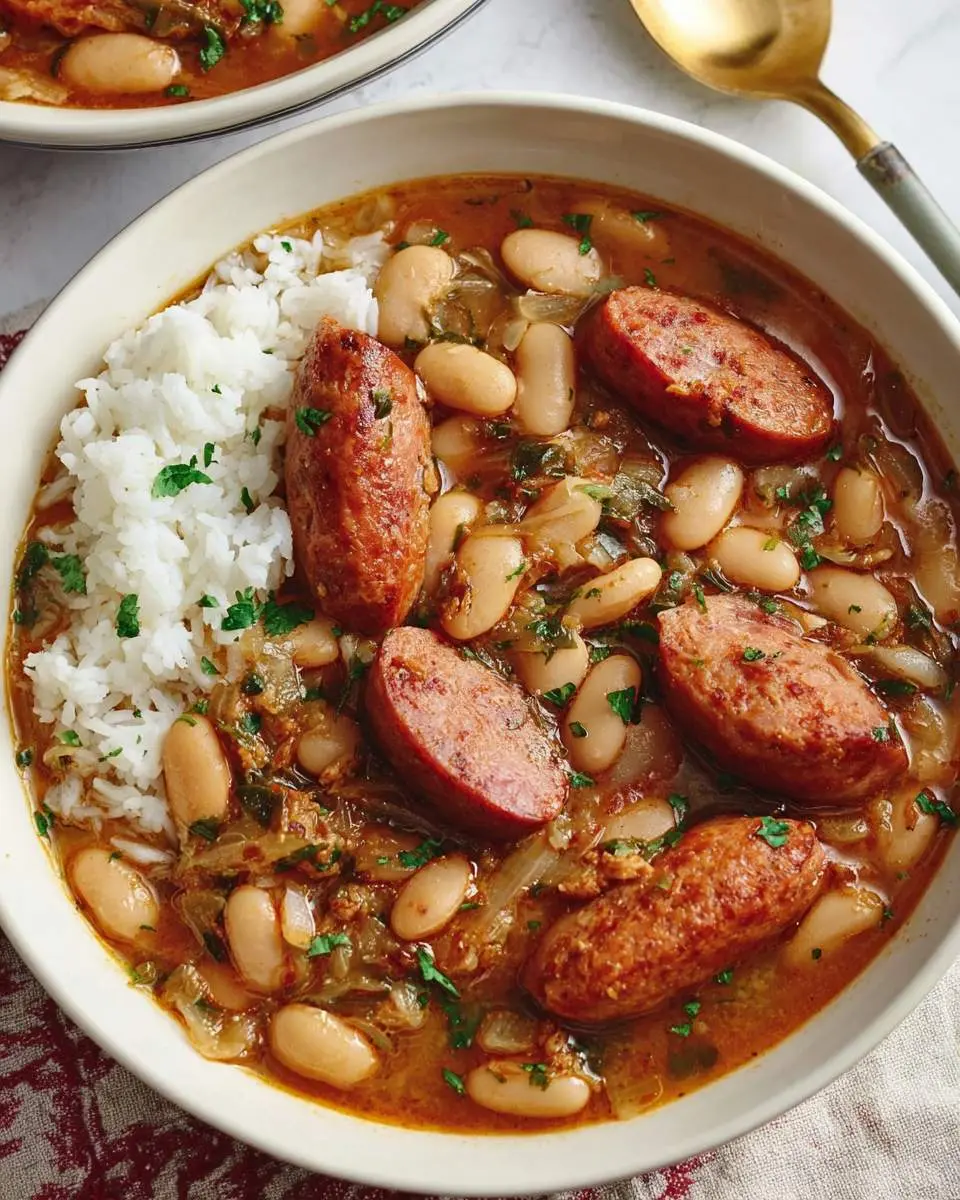
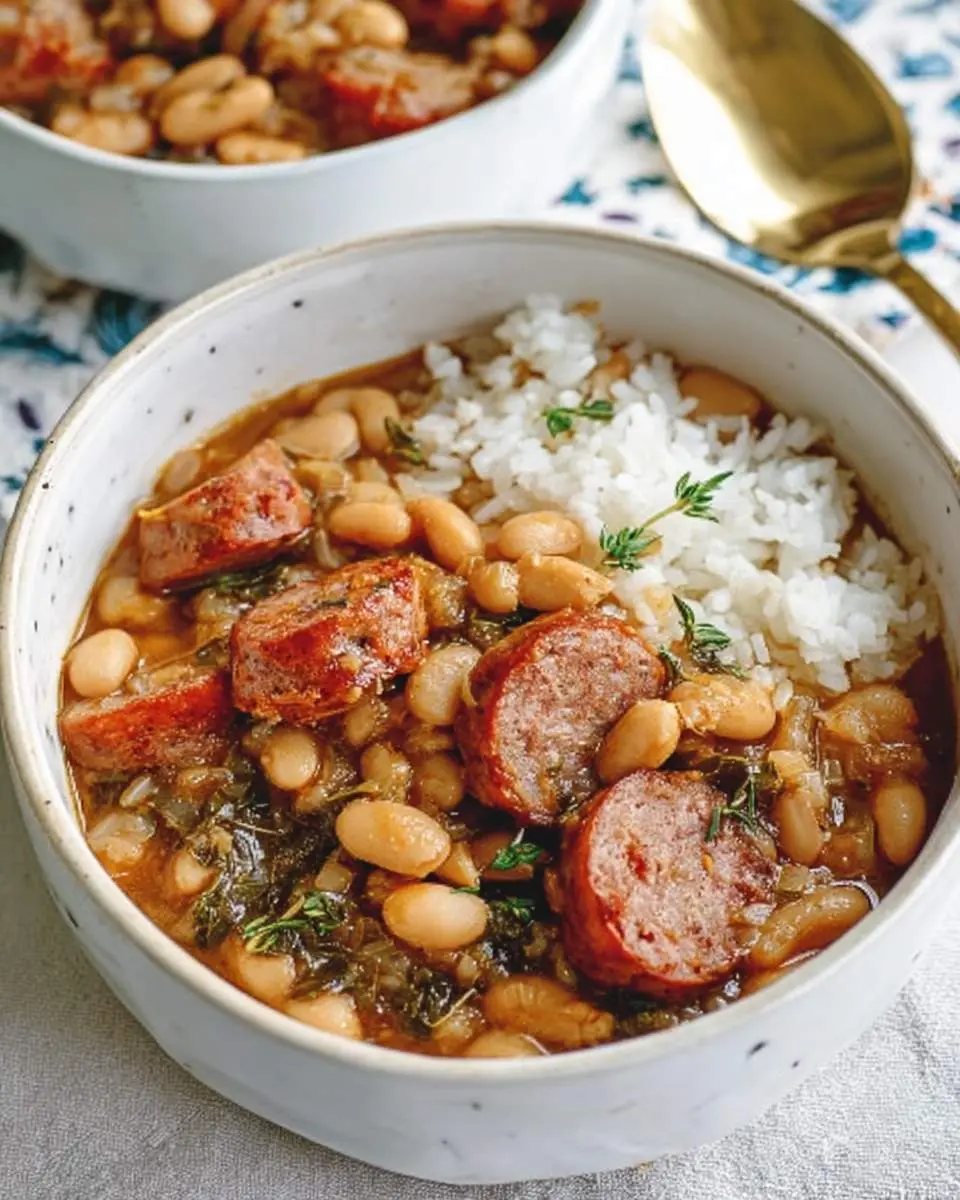
I start by squeezing the sausage from its casings directly into a cold cast iron skillet, then turning the heat to medium. The gradual warming lets the fat render slowly instead of seizing up, and within minutes you’ll hear that satisfying sizzle as the meat begins to caramelize. I break it into rough chunks with a wooden spoon, leaving some bigger pieces that get gloriously crisp on the edges while smaller bits almost dissolve into the sauce.
Once the sausage is deeply browned, I scoop it out and let the beans tumble into that seasoned fat with a splash of their own canning liquid. The sound changes immediately, from aggressive sizzling to a gentler bubbling that tells you something good is happening. I add minced garlic and let it perfume the kitchen for just thirty seconds before the rosemary goes in, because burnt garlic ruins everything and I learned that lesson the hard way. The sausage returns, everything gets tossed together, and I finish with a squeeze of lemon that makes the whole pan taste brighter than it has any right to. For another take on sausage and beans that leans soupier, I keep this creamy bean soup with Italian sausage in regular rotation through winter.
Pro Tips
Save the bean liquid: That starchy, salty liquid in the can isn’t waste, it’s liquid gold. I use it to deglaze the pan after browning the sausage, scraping up every brown bit that would otherwise stay stuck. Those bits are pure flavor concentration, and the bean liquid has enough starch to start building a sauce that clings instead of pools.
Don’t rush the browning: I used to panic and stir constantly, but now I let the sausage sit undisturbed for solid two-minute intervals. The Maillard reaction needs sustained contact with hot metal, and those dark crusty edges are what separate a good skillet from a forgettable one.
Finish off-heat: I kill the burner before adding my final olive oil and lemon juice. The residual warmth blooms their flavors without driving off the volatile aromatics that make the dish taste alive rather than cooked-to-death.
My Secret Trick: I mash about a quarter of the beans against the pan side with my spoon right before serving. This releases their creamy interior and thickens the surrounding liquid into something that coats each bite like a proper sauce rather than thin broth.
How to Store Sausage and White Bean Skillet
- Refrigerate in airtight containers for up to 4 days at 40°F or below
- Freeze individual portions in freezer-safe containers for up to 3 months
- Thaw overnight in refrigerator before reheating
- Reheat gently in skillet over medium-low with splash of water or broth to restore saucy consistency
- Microwave works in pinch: cover loosely, heat in 60-second intervals, stirring between each
Nutritional Benefits
This Sausage and White Bean Skillet delivers serious staying power thanks to the fiber and protein combo in those creamy white beans. A single cup of cannellini beans packs about 17 grams of protein and 11 grams of fiber, which means I’m genuinely satisfied for hours rather than hunting for snacks by nine PM. The sausage contributes heme iron and B vitamins that plant proteins simply can’t match, making this one of those rare dinners where indulgence and nourishment actually overlap.
FAQs
Can I use dried beans instead of canned?
Absolutely, though you’ll need to cook them fully first. I keep canned for weeknights, but when I plan ahead, dried beans that I’ve simmered with a bay leaf and garlic clove bring even deeper flavor. Just reserve some of their cooking liquid to use in place of the canned bean liquid.
What type of sausage works best?
Italian sausage, either hot or sweet, is my go-to because the fennel and garlic seasoning plays so well with the beans. I’ve also used chorizo for a Spanish twist, and my neighbor swears by andouille. Avoid pre-cooked sausage links, they won’t render the same flavorful fat.
How can I make this dish vegetarian?
Swap the sausage for plant-based Italian sausage or use smoked paprika and extra olive oil to build that savory depth. A parmesan rind simmered with the beans adds umami that helps bridge the gap. You’ll want to increase the salt slightly since you’re losing the seasoned meat.
Why is my sauce too thin?
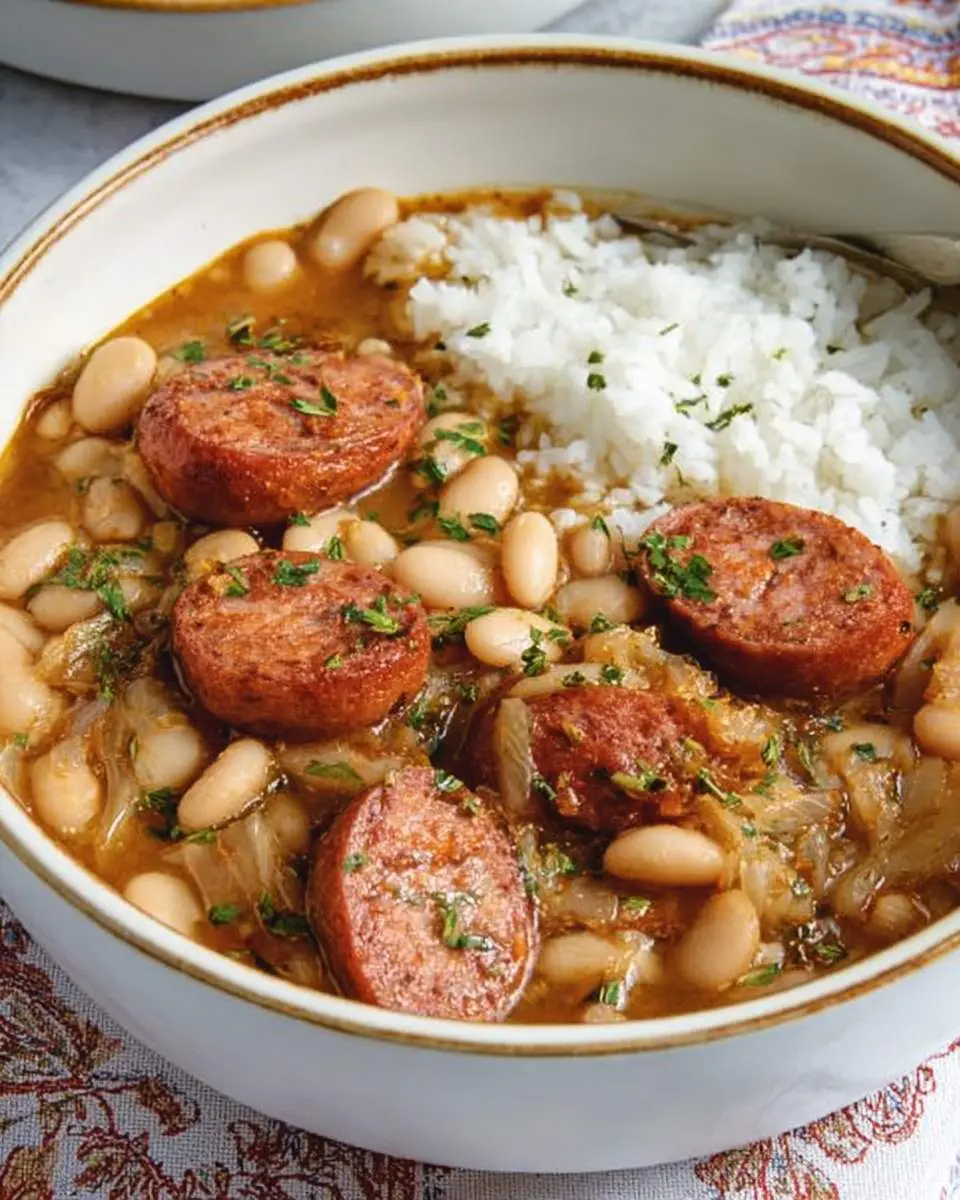
You likely didn’t reduce the bean liquid enough or your pan wasn’t hot enough during the final toss. Try my mashing trick with some beans, or let it bubble uncovered for another two to three minutes. A Sausage and White Bean Skillet should have a sauce that clings, not runs across the plate.

Sausage and White Bean Skillet
Ingredients
Equipment
Method
- Heat the olive oil in a 12-inch skillet over medium-high heat. Add the sausage and cook, breaking it up with a wooden spoon, until deeply browned and crispy in spots, about 8 to 10 minutes. Transfer to a plate with a slotted spoon, leaving the rendered fat in the pan.
- Reduce heat to medium. Add the sliced garlic and red pepper flakes to the drippings and cook until the garlic is fragrant and just starting to turn golden at the edges, about 1 minute. Do not let it brown.
- Stir in the drained beans and chicken broth, scraping up any browned bits from the bottom of the pan. Bring to a simmer and let cook for 3 minutes to meld the flavors.
- Stir in the chopped kale a handful at a time, letting each batch wilt slightly before adding more. Cook until the kale is tender but still vibrant, about 4 to 5 minutes.
- Return the sausage to the skillet along with any accumulated juices. Stir in the lemon juice and grated Parmesan. Taste and adjust seasoning with salt if needed. Serve immediately with extra Parmesan and crusty bread alongside.
Notes
Conclusion
This Sausage and White Bean Skillet has rescued more weeknights than I can count, and it still surprises me how something so humble can taste so complete. I hope it finds a place in your rotation the way it has in mine. If skillet dinners are your thing, don’t miss this BBQ sausage peppers and potato skillet that got me through last football season. Happy cooking, friends.