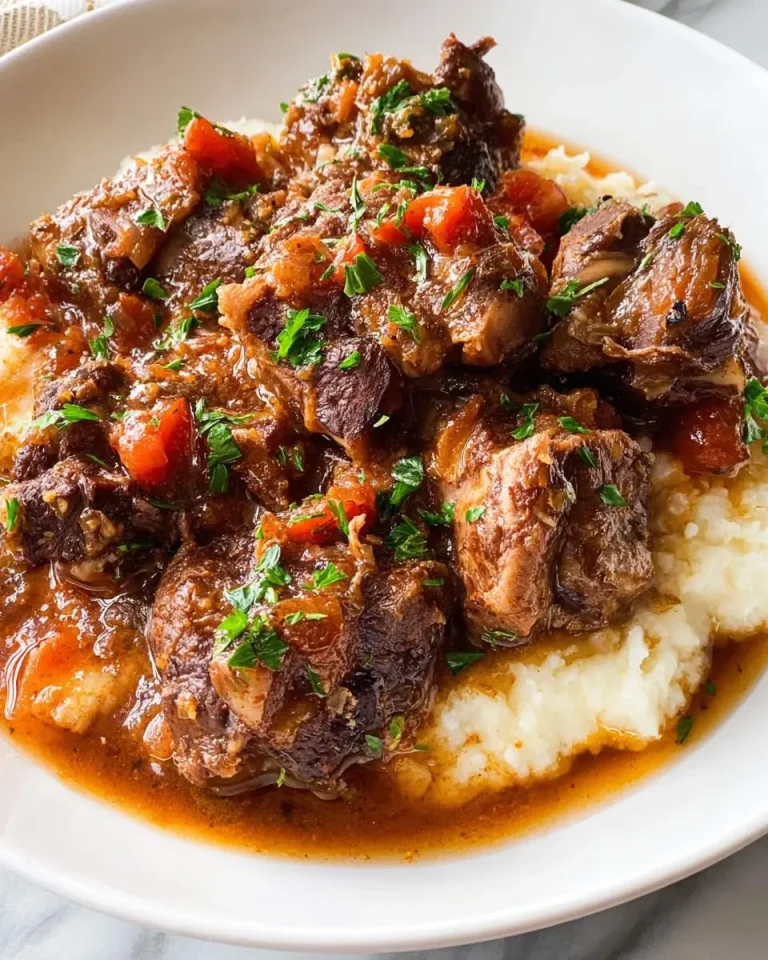
slow cooker vegetable stew
The first time I made a slow cooker vegetable stew, I was skeptical. I dumped everything in before work, fully expecting to come home to mush. Instead, I walked through my door to this deep, savory smell that made me feel like someone else had been cooking for me all day.
That was three winters ago. Now this stew lives in my regular rotation, especially on Sundays when I want the house to feel cozy and I don’t want to think about dinner until dinner happens. My kids actually request it, which still shocks me.
If you’re new to letting your crockpot do the heavy lifting, I wrote about my first adventure with crockpot butter chicken — another set-it-and-forget-it win that built my confidence.
What You Need to Make This Recipe
This stew builds its body from russet potatoes that break down just enough to thicken the broth without turning to glue. I always add a parmesan rind — yes, the hard end you were going to throw away — because it dissolves into this subtle umami depth that makes people ask what your secret is. Fresh thyme matters more than you’d think; dried works in a pinch, but the bright, almost lemony hit of fresh stems changes the whole mood. I learned about building layers in slow cooker dishes from my slow cooker chicken cacciatore recipe, and those same principles apply here.

How to Make slow cooker vegetable stew
I start by sautéing onions and garlic in a skillet while my slow cooker preheats — just five minutes, but it wakes up the aromatics in a way that raw-in-the-pot never quite manages. Everything else gets layered in heavy: potatoes and carrots on the bottom where they’ll soften into the broth, then softer vegetables like zucchini and bell peppers on top so they hold some shape. The liquid goes in last, barely covering the vegetables, because they’ll release more than you expect. Around hour three, your kitchen will smell like a farmhouse. I peek once, maybe twice, resisting the urge to stir too much. The potatoes need that undisturbed time to do their thickening work. I picked up this patient approach from developing my slow cooker potato lentil pot, where I learned that slow cookers reward hands-off trust.
Pro Tips
Cut your potatoes larger than your carrots. They cook at the same rate this way, so you don’t end up with disintegrated carrots while waiting for potato centers to soften.
Add acidic ingredients at the end. Tomatoes and wine go in during the last hour. Early addition keeps vegetables from softening properly and can give potatoes a weird, grainy texture.
Let it rest before serving. Twenty minutes off the heat lets the flavors settle and the broth thicken. I know it’s hard when you’re hungry.
My Secret Trick: I blend a small ladle of the finished stew — just potatoes and broth — and stir it back in. Instant velvety body without cream or flour.

How to Store slow cooker vegetable stew
- Refrigerate in airtight containers for up to 4 days. The flavor actually improves on day two as the herbs continue to bloom.
- Freeze flat in freezer bags for up to 3 months. Leave one inch of headspace — the potatoes expand slightly.
- Reheat gently on the stovetop over medium-low, adding a splash of broth or water to loosen the thickened base. Microwave works in a pinch: cover and heat in 90-second bursts, stirring between.
Nutritional Benefits
This slow cooker vegetable stew delivers serious fiber from the potato skins and carrots, which I never peel — the texture is better and you keep the nutrients concentrated near the surface. The rainbow of vegetables means you’re getting a range of antioxidants without thinking about it, and the low, slow cooking actually preserves more water-soluble vitamins than boiling would.

FAQs
Can I make this stew without a slow cooker?
Yes, simmer covered on the stovetop for about 45 minutes until vegetables are tender. Stir occasionally and keep the heat low to prevent sticking. You’ll need to watch it more closely.
Why did my potatoes turn mushy?
They were likely cut too small or cooked too long. Next time, try larger chunks and check for doneness at the 6-hour mark on low. Different slow cookers run at different temperatures.
Can I add beans or lentils for protein?
Absolutely. Add cooked beans in the last hour so they don’t disintegrate. For lentils, my slow cooker vegetable stew base works beautifully with red lentils stirred in at the start — they cook down and thicken everything.
How do I prevent the vegetables from floating?
They will float initially — that’s normal. As they soften and absorb liquid, they’ll settle. Resist over-stirring, which breaks them down faster.


Slow Cooker Vegetable Stew
Ingredients
Equipment
Method
- Heat a large skillet over medium-high heat. Add a splash of oil, then saute the onion and mushrooms until the mushrooms release their liquid and start to brown, about 6 minutes. Add the garlic and tomato paste; cook 1 minute more until fragrant and the paste darkens slightly.
- Pour in the red wine (if using) and scrape up any browned bits from the pan. Let bubble for 30 seconds, then remove from heat.
- Place the potatoes, carrots, and celery in the slow cooker. Add the onion-mushroom mixture, thyme, smoked paprika, bay leaves, and vegetable broth. Stir gently to combine.
- Cover and cook on LOW for 8 hours or HIGH for 4 hours, until the potatoes and carrots are fork-tender but not falling apart.
- Stir in the frozen peas and let sit for 5 minutes to warm through. Remove the bay leaves. Taste and add salt and pepper as needed - start with 1 teaspoon salt and go from there depending on your broth.
- Ladle into bowls and sprinkle with fresh parsley. Serve with crusty bread if desired.
Notes
Conclusion
This slow cooker vegetable stew has saved my weeknights more times than I can count. It’s humble, it’s nourishing, and it asks almost nothing of you. If you’re looking for more meatless crockpot inspiration, my crockpot vegetarian chili uses similar techniques with completely different results. Make this soon. Your future self will thank you.