steak and potato soup
The first time I made steak and potato soup, it was one of those gray February afternoons where the sky presses down and all you want is something that hugs you from the inside. I had a leftover ribeye from date night, a bag of russets going soft in the pantry, and zero ambition to leave the house again. What came out of that pot two hours later made me cancel my dinner plans for the rest of the week.
My grandfather used to make something similar when I was small, though his version was more “throw everything in and pray.” I remember standing on a stepstool, watching him brown beef in a dented Dutch oven while telling me stories about working the line at a diner in Tulsa. The kitchen would fill with that deep, meaty smell that made my stomach actually growl out loud. I thought I was chasing his recipe for years, but really I was chasing that feeling , the one where food means someone stayed home with you on purpose.
This is the soup that finally got me there. It’s rich without being heavy, filling without putting you in a food coma, and it makes your whole house smell like you actually have your life together. If you’re into soups that eat like a full meal, you might also love my mushroom wild rice soup , it’s got that same stick-to-your-ribs energy.
What You Need to Make This Recipe
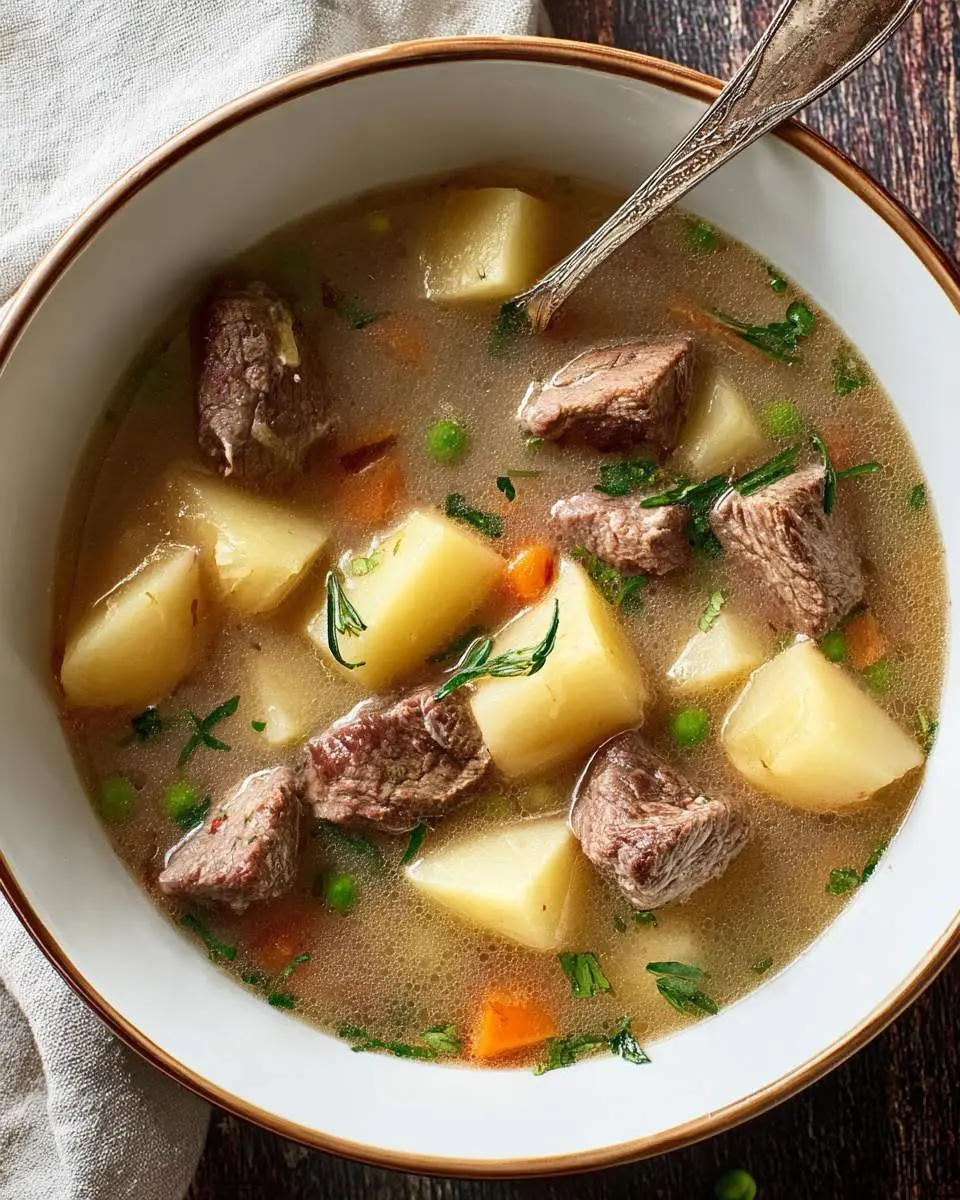
You’ll need a good cut of steak , I prefer sirloin or leftover ribeye, something with enough fat to stay tender but not so much that you’re skimming grease all afternoon. The beef needs to brown hard in the pot first; that’s where your flavor foundation lives. For potatoes, go with russets if you want them to break down slightly and thicken the broth, or Yukon Golds if you’re after those creamy, intact chunks that feel like little treasures in each spoonful. A splash of Worcestershire sauce at the end wakes everything up in a way that salt alone never could. I keep a bottle just for this soup now. If you’re hunting for another potato-forward dinner, my carrot and coriander soup uses a similar build but goes in a completely different direction.
How to Make steak and potato soup
I always start by getting my pot screaming hot , cast iron Dutch oven, nothing else , and searing the steak in batches so it actually browns instead of boiling in its own juices. That sizzle when the meat hits the pan, that deep caramel smell curling up, that’s your signal that you’re doing it right. Pull the steak out, let it rest, and in go diced onions to scrape up all those stuck bits. They’ll go translucent and sweet in about five minutes, and then the garlic follows for just thirty seconds , any longer and it turns bitter on you.
The potatoes go in next, cubed small enough to cook through but not so small they dissolve. I cover everything with good beef broth, not the low-sodium kind unless you really have to, and let it simmer until a fork slides through a potato cube like it’s butter. The kitchen goes quiet except for the bubble, and I usually pour myself something to drink and just lean against the counter, watching. When the potatoes are ready, the steak goes back in along with any juices that collected on the plate , never waste that , plus a hit of heavy cream that turns the broth this gorgeous pale amber. Ten more minutes, a handful of sharp cheddar if I’m feeling it, and we’re done. For a simpler potato soup without the steak, my classic potato soup follows almost the same rhythm.
Pro Tips
Cut against the grain, always. Even in soup, steak cut with the grain turns stringy and tough as it simmers. I slice mine into thin strips across the grain while it’s still slightly cold from the fridge , much easier to control.
Don’t add the cream until the end. High heat breaks dairy into sad, grainy curds. I pull the pot off the burner, let the bubbling stop, then stir in the cream gently. The residual heat does the work without the risk.
Rest your steak before the second cut. After browning, let it sit a full ten minutes before cubing. The juices redistribute instead of running all over your cutting board, so every piece stays plush and flavorful in the finished steak and potato soup.
My Secret Trick: I save the potato peels, toss them with oil and salt, and roast them on a sheet pan while the soup simmers. They come out as these shattering, chip-like garnishes that make the whole bowl feel restaurant-fancy for zero extra effort.
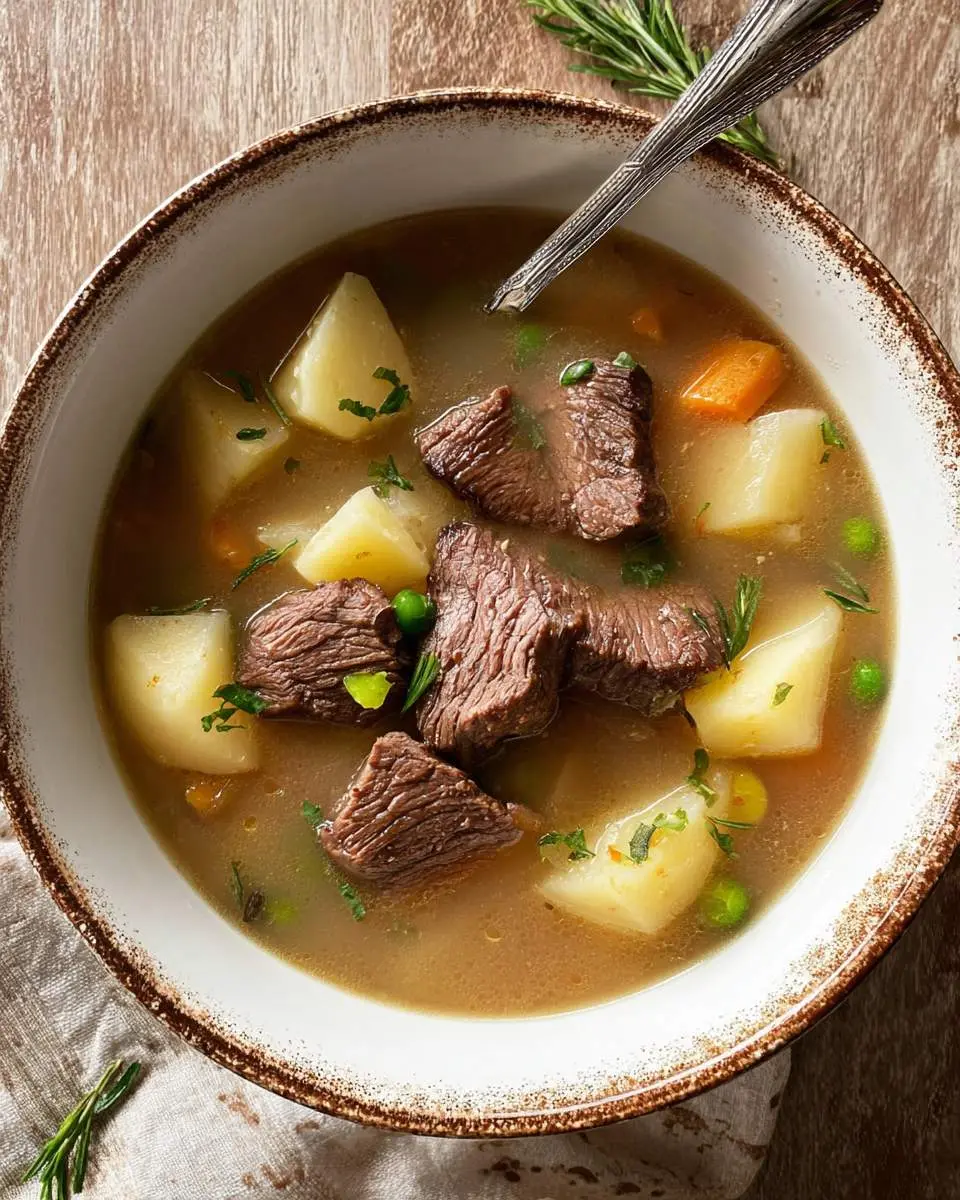
How to Store steak and potato soup
- Refrigerate in airtight containers for up to 4 days at 40°F or below; the flavor actually improves after the first night as the beef and potatoes get friendly with each other.
- Freeze without the cream for up to 3 months; thaw overnight in the fridge, then reheat gently and stir in fresh cream after warming through.
- Reheat on the stovetop over medium-low heat, stirring occasionally, until it reaches 165°F internally; microwave in 60-second bursts at 70% power, stirring between each, to avoid hot spots that scorch the dairy.
Nutritional Benefits
This steak and potato soup delivers serious staying power from the protein-dense beef, which helps rebuild muscle and keeps hunger at bay for hours, plus the potatoes contribute potassium and complex carbohydrates that fuel you without the crash you’d get from simple starches. I notice I don’t need to snack at all on the nights I make this, and that steadiness matters more to me than any superfood trend.
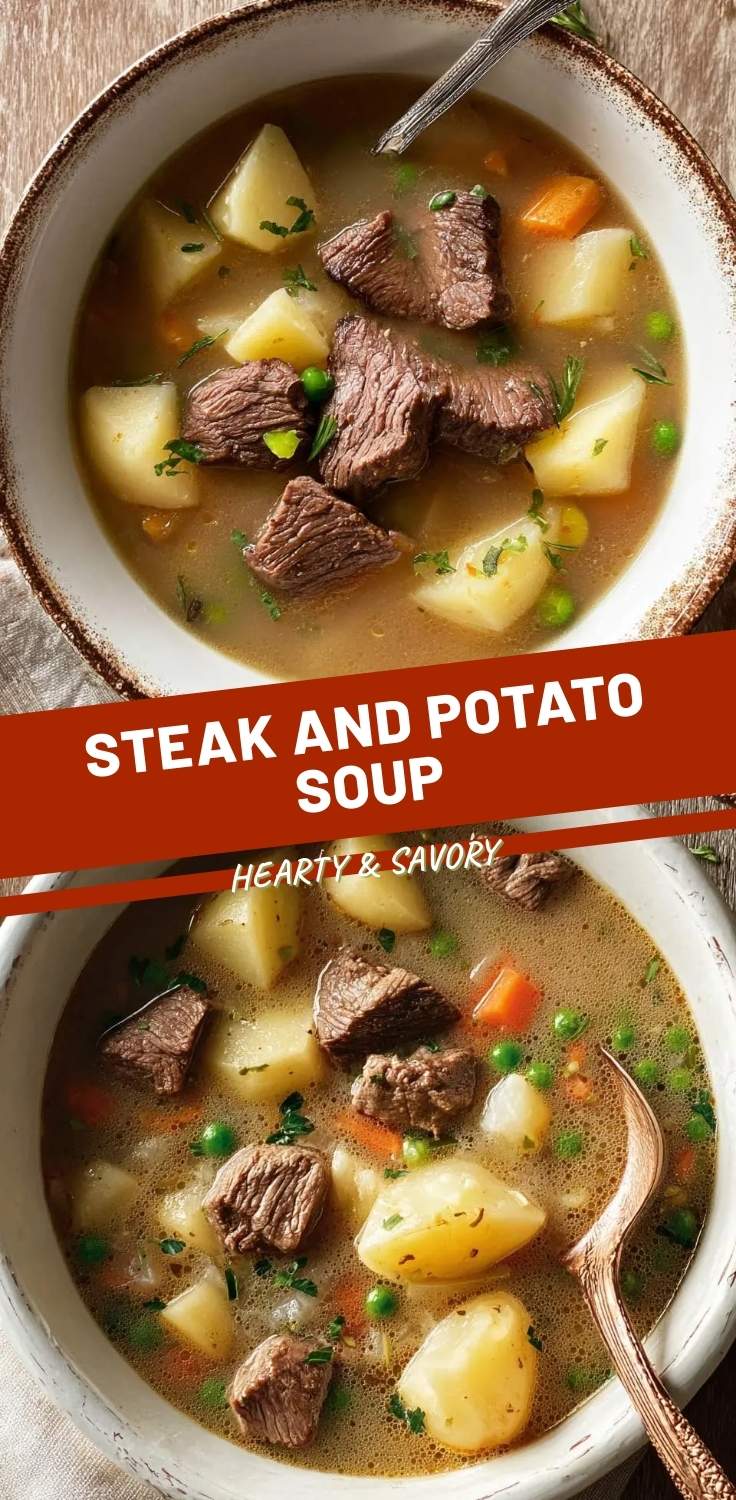
FAQs
What cut of steak works best in this soup?
Sirloin hits the sweet spot of tender, flavorful, and affordable. Leftover ribeye or strip steak also shines since you’re slicing thin and simmering briefly. Skip tough cuts like round unless you plan to braise them for hours first.
Can I make this soup in a slow cooker?
Yes, but sear the steak and sauté the aromatics on the stovetop first. Transfer everything except the cream to your slow cooker, cook on low for 6 hours, then stir in the dairy at the very end off the heat.
Why did my potato soup turn out gluey?
You likely overcooked the potatoes or stirred too aggressively once they softened. Russets are especially prone to this. Cut them uniformly, simmer just until fork-tender, and fold gently when adding the steak back in.
Can I use milk instead of heavy cream?
Whole milk works in a pinch, but the soup won’t have that same velvety body. If you go this route, whisk in a tablespoon of flour with the onions to help thicken, and expect a lighter, less luxurious bowl.
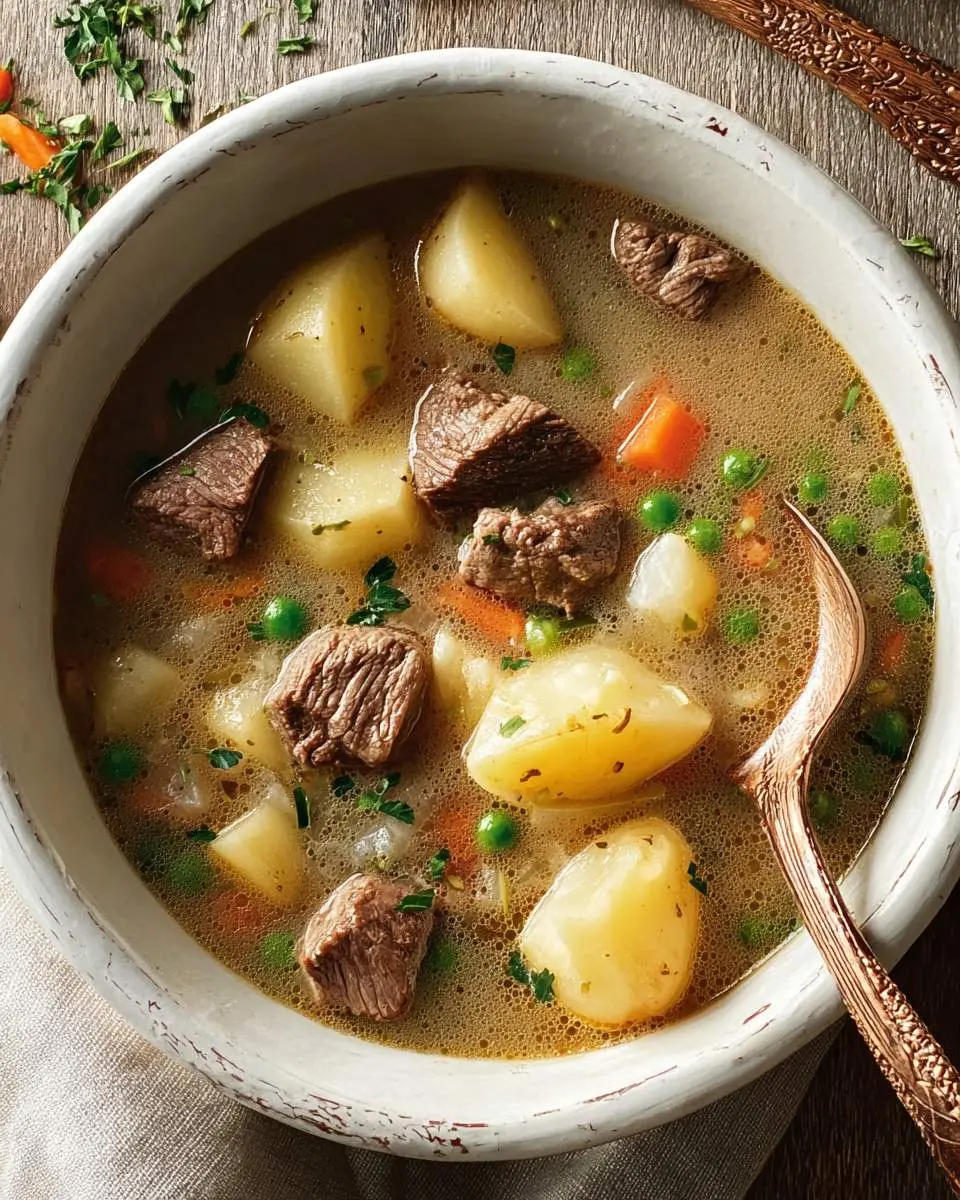

Steak and Potato Soup
Ingredients
Equipment
Method
- Pat the beef cubes completely dry with paper towels - this is crucial for browning. Season generously with salt and pepper. Heat 2 tablespoons butter in a large Dutch oven over medium-high heat until foaming subsides. Working in batches to avoid crowding, sear the beef until deeply browned on all sides, about 8 minutes total. Transfer to a plate.
- Reduce heat to medium. Add the remaining 2 tablespoons butter to the pot. Once melted, add the diced onion and cook, scraping up the browned bits from the bottom, until softened and translucent, about 5 minutes. Stir in the garlic and thyme and cook until fragrant, about 1 minute.
- Sprinkle the flour over the onion mixture and cook, stirring constantly, for 2 minutes to eliminate the raw flour taste. Gradually whisk in the beef broth, then the milk, until smooth. Stir in the Worcestershire sauce and return the browned beef and any accumulated juices to the pot.
- Add the diced potatoes and bring to a gentle boil. Reduce heat to low, cover partially, and simmer until the beef is fork-tender and potatoes are creamy, about 25-30 minutes. Stir occasionally and skim off any excess fat that rises to the surface.
- Taste and adjust seasoning with salt and pepper. The soup should be thick enough to coat the back of a spoon. Ladle into bowls and top with a dollop of sour cream and a sprinkle of fresh parsley. Serve with crusty bread for dunking.
Notes
Conclusion
This steak and potato soup has become my answer to too many questions , what to do with leftover steak, how to feed a crowd without stress, what I actually want when the world feels cold and loud. It’s not fancy, and that’s exactly why it works. If you’re craving another beefy, cheesy bowl, my Philly cheesesteak soup takes the same comfort-first approach in a completely different direction. Make this soon. Your kitchen deserves to smell this good.