Ube Ice Cream Recipe
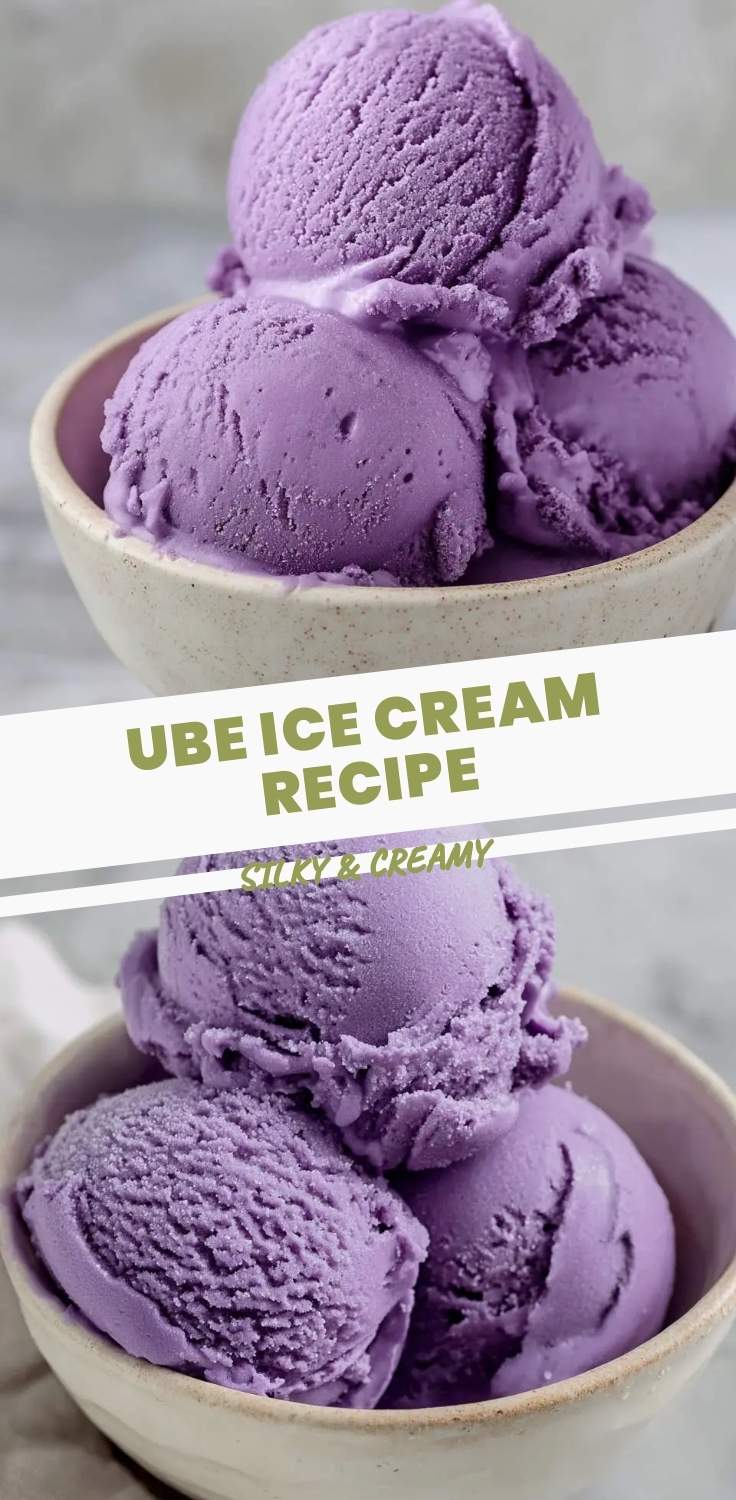
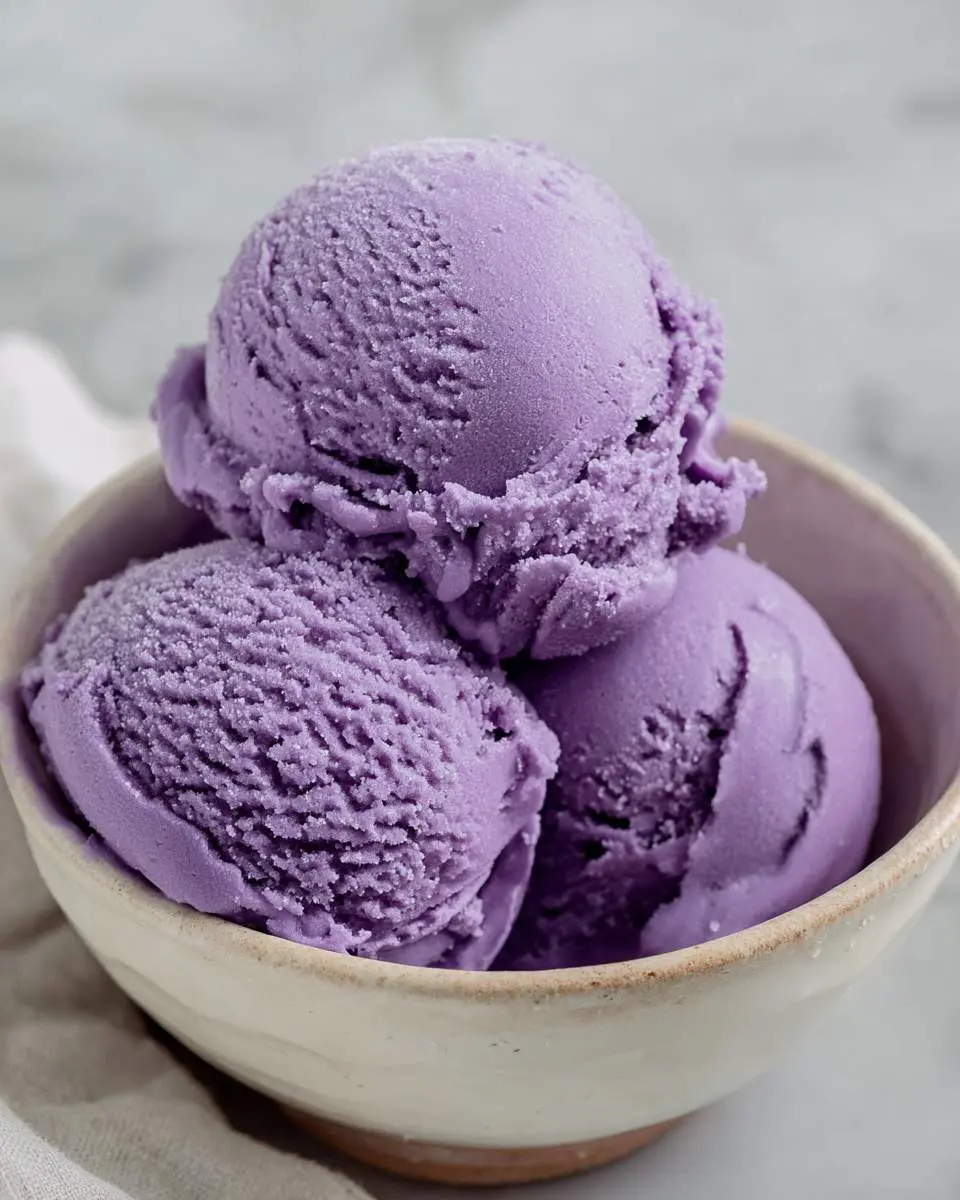
The first time I tasted ube, I was standing in a tiny Filipino bakery in Queens, sticky from summer heat, not knowing that purple yam would become my lifelong obsession. That nutty, vanilla-meets-chestnut flavor haunted me for years until I finally decided to make my own ube ice cream recipe at home. Now my freezer is never without that unmistakable lavender hue.
My grandmother would have been baffled by purple ice cream. She stuck to vanilla and strawberry, the safe choices. But there’s something rebellious and joyful about scooping something so vividly unexpected for guests who’ve never tasted ube before. Their faces always shift from confusion to delight in one spoonful.
This recipe came together after months of testing different ube preparations. I wanted that authentic flavor without flying to Manila. If you’re craving more fruity frozen treats, my Cherry Garcia nice cream uses a similar custard base technique that I adapted here.
What You Need to Make This Recipe
The soul of this ice cream is ube halaya, that thick, jammy purple yam spread you find in Filipino markets. Don’t substitute with ube extract alone — you’ll miss the earthy depth and silky texture that only the real paste provides. Heavy cream builds the luxurious mouthfeel, while sweetened condensed milk adds that nostalgic richness I associate with homemade ice cream from childhood summers. For another tropical-inspired frozen dessert, check out my Pina Colada ice cream which uses similar creamy base proportions. Finding frozen grated ube works too if halaya isn’t available, though you’ll need to cook it down with sugar and coconut milk first.
How to Make Ube Ice Cream Recipe
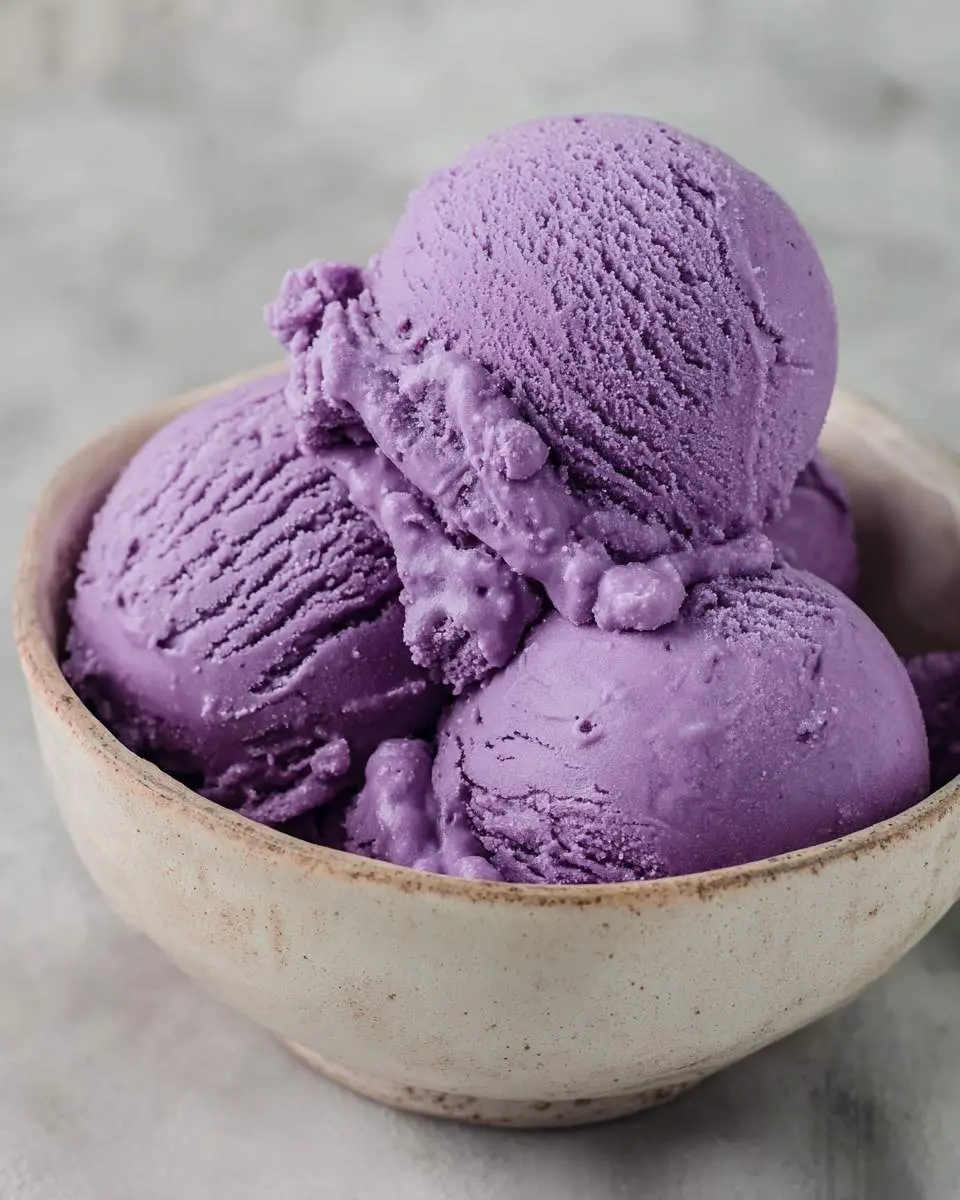
I start by gently warming the ube halaya with a splash of milk, whisking until it loosens into a pourable purple river. The kitchen fills with this warm, almost toasted aroma that’s impossible to describe — part vanilla, part something ancient and root-like. Then I whip cold heavy cream until soft peaks form, watching carefully because overwhipping turns your ice cream grainy instead of silky.
The folding is where patience matters. I add the ube mixture to the whipped cream in thirds, using a rubber spatula to cut and turn rather than stir aggressively. You want ribbons of purple swirling through white, not a muddy uniform color. That marbling disappears during freezing anyway, but gentle handling preserves the air bubbles that make homemade ice cream scoopable rather than rock-hard.
Four hours in the freezer transforms the mixture into something that yields to your spoon with just the right resistance. I use full-fat coconut milk ice cream techniques I learned from previous experiments — the fat content prevents icy crystals from forming.
Pro Tips
Chill your mixing bowl and beaters for at least twenty minutes before whipping cream. Warm equipment deflates the air you’re trying to trap, leaving you with dense, heavy ice cream instead of something light and yielding.
Don’t skip the pinch of salt. It sounds strange in a sweet recipe, but salt amplifies the ube’s natural nuttiness and prevents the condensed milk from tasting one-dimensional. I use fine sea salt and sprinkle it into the warm ube mixture so it dissolves completely.
My Secret Trick: I press plastic wrap directly onto the surface of the ice cream before freezing, eliminating any air gap. This prevents that frosty, crystallized top layer that ruins the first scoop. Peel it back after four hours and the surface stays as smooth as freshly churned gelato.
Let it sit at room temperature for five minutes before serving. Homemade ice cream freezes harder than commercial versions because we don’t add stabilizers. Those few minutes soften the edges just enough for clean scoops with that perfect creamy center.
How to Store Ube Ice Cream Recipe
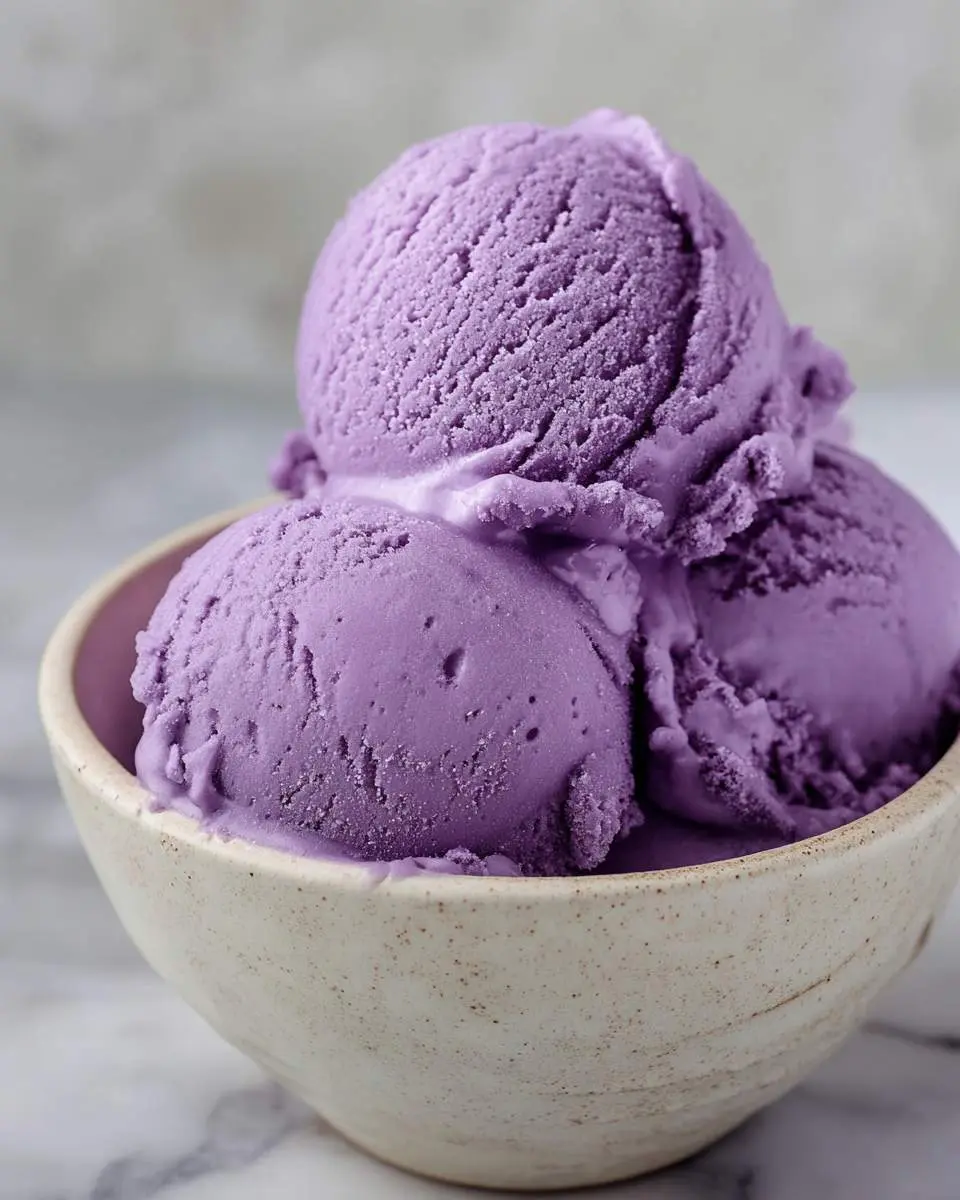
- Transfer to an airtight container with a tight-fitting lid, pressing plastic wrap directly onto the surface before sealing
- Store in the coldest part of your freezer at 0°F (-18°C) or below for up to 2 weeks
- After 2 weeks, the texture becomes increasingly icy though still safe to eat for up to 1 month
- Do not store in the refrigerator — the ice cream will melt completely and cannot be refrozen successfully
- To serve, remove from freezer and let stand at room temperature for 5-7 minutes before scooping
- For individual portions, pre-scoop into small containers and freeze separately
Nutritional Benefits
Ube brings more than stunning color to this ube ice cream recipe — purple yams contain anthocyanins, the same antioxidants found in blueberries, which may support heart health. The natural fiber in ube halaya, even in dessert quantities, adds modest digestive benefits compared to artificially flavored alternatives. Coconut milk provides lauric acid, a medium-chain fatty acid that your body metabolizes differently than long-chain fats.
FAQs
Can I use ube extract instead of ube halaya?
You can, but the flavor becomes one-dimensional and artificial-tasting. Extract provides color and scent without the earthy, complex depth that makes ube distinctive. If halaya is unavailable, cook frozen grated ube with coconut milk and sugar until thick.
Why did my ice cream turn out icy instead of creamy?
Insufficient fat content or overwhipping the cream causes iciness. Use heavy cream with at least 36% fat, and stop whipping at soft peaks. Also ensure your freezer maintains steady temperature without frequent door opening.
How do I get that intense purple color?
Quality ube halaya naturally provides vibrant color. Some brands are paler than others. For deeper purple, add a tiny amount of purple sweet potato powder or natural ube food coloring, but taste first — color shouldn’t compromise flavor.
Can I make this without an ice cream maker?
Absolutely — this ube ice cream recipe requires no churning equipment. The whipped cream method creates air incorporation mechanically. Just freeze in a shallow container for faster, more even freezing, and stir once halfway through if possible.

Ube Ice Cream
Ingredients
Equipment
Method
- In a medium saucepan, whisk together the ube halaya, whole milk, 1 cup of the heavy cream, sugar, and salt. Cook over medium heat, whisking constantly, until the mixture is smooth and just begins to steam around the edges, about 5-7 minutes. Do not boil - you're just warming it enough to dissolve the sugar and loosen the ube jam.
- Pour the warm ube mixture through a fine-mesh sieve into a large bowl, pressing through with a rubber spatula to remove any fibrous bits. Let cool to room temperature, then refrigerate until completely cold, at least 2 hours or overnight. This prevents ice crystals from forming later.
- In a separate large bowl, beat the remaining 1 cup heavy cream with an electric mixer on medium-high speed until stiff peaks form, about 3-4 minutes. The cream should hold its shape when you lift the beaters - be careful not to overwhip or it will turn grainy.
- Add the sweetened condensed milk, vanilla extract, and ube extract (if using) to the cold ube base. Whisk until fully combined. The mixture will be a vivid lavender-purple.
- Gently fold about one-third of the whipped cream into the ube mixture to lighten it. Then add the remaining whipped cream and fold with a rubber spatula, cutting through the center and turning the bowl, until no white streaks remain. Work gently to keep the mixture airy.
- Transfer to a 9x5 inch loaf pan or freezer-safe container, smoothing the top. Press a piece of plastic wrap directly onto the surface to prevent ice crystals. Freeze until firm, at least 6 hours or overnight. For the creamiest texture, let sit at room temperature for 5-10 minutes before scooping.
Notes
Conclusion
This ube ice cream has become my signature summer dessert, the one friends request by name. That purple color still makes me smile every time I open the freezer. If you’re new to no-churn methods, my no churn vanilla ice cream uses the same technique with familiar flavors. Make this ube ice cream recipe once, and I suspect you’ll find room for it in your regular rotation too.