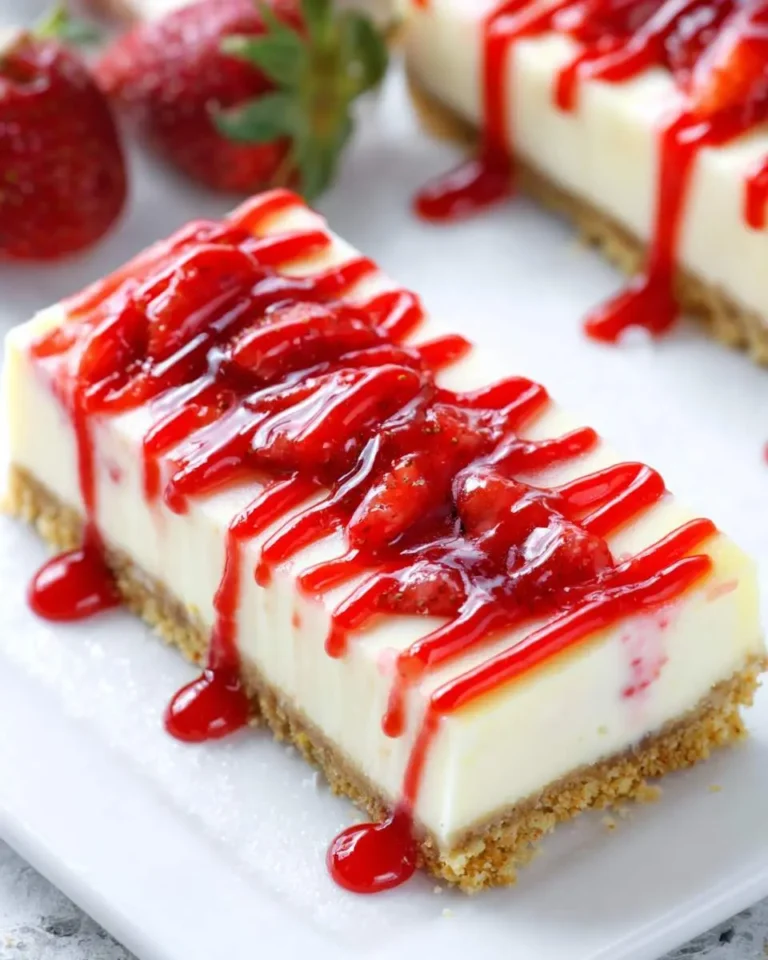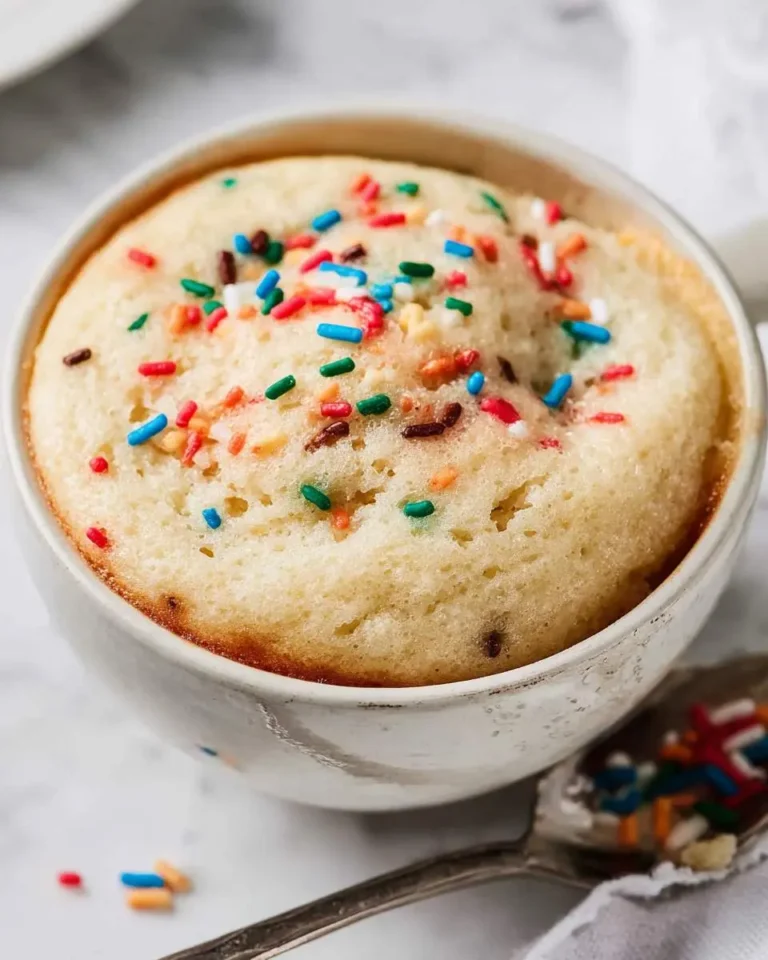
vanilla bean cake
The first time I split a real vanilla bean lengthwise and scraped out those tiny black seeds, I understood why this cake tastes like nothing from a box. That intoxicating floral sweetness filled my kitchen before the batter even hit the oven. This vanilla bean cake became my signature bake the moment I pulled that first golden layer from the pan.
My grandmother kept a jar of vanilla beans in her freezer like secret treasure. She’d let me smell one as a child, and I swore it was the most expensive thing in her house. Now I keep my own stash, and baking this cake feels like passing something precious forward.
I developed this recipe after too many bland, forgettable vanilla cakes. If you crave something with actual depth, skip the extract-only versions. For chocolate lovers, my mocha chocolate cake hits that same notes of intensity.
What You Need to Make This Recipe
This vanilla bean cake demands two whole vanilla beans, not negotiable. The seeds infuse the butter and milk with flavor you simply cannot fake. I use cake flour for that tender, delicate crumb that melts on your tongue, and room-temperature eggs that whip into the butter without seizing. The buttermilk adds subtle tang and keeps everything moist for days. If you enjoy nutty flavors in your bakes, my almond cake uses similar careful technique.

How to Make vanilla bean cake
I start by warming the milk with a split vanilla bean, letting it steep while I cream butter and sugar until the mixture turns almost white and fluffy. That aeration is everything. The kitchen fills with this warm, creamy sweetness that makes people wander in asking what smells so good.
Then I add the eggs one at a time, watching each disappear completely before adding the next. The batter should look silky and pale, not curdled. I alternate the dry ingredients with that vanilla-scented milk, mixing just until combined. Overmixing here is the enemy of tender cake.
The pans go into a 350-degree oven, and I set the timer for exactly 25 minutes. Around minute 18, that distinctive vanilla-butter aroma intensifies, and I know we’re close. The tops spring back when pressed gently, and a tester comes out clean. I let them cool in the pans for ten minutes, then turn out onto racks. The waiting is torture, but warm cake crumbles. For another fruit-forward option, try my strawberry pound cake.
Pro Tips
Save your scraped pods. I bury them in a jar of granulated sugar, and within two weeks I have vanilla sugar for coffee or the next cake. The pods still hold incredible flavor.
Weigh your flour. A cup can vary by 20 grams depending on how you scoop, and that density difference ruins the delicate balance. My scale lives on the counter now.
My Secret Trick: I rub the vanilla seeds into the sugar with my fingertips before creaming. The abrasive sugar releases every bit of oil from those tiny seeds, amplifying the flavor throughout the entire cake rather than leaving it in streaks.

How to Store vanilla bean cake
- Wrap completely cooled layers tightly in plastic wrap, then foil, and refrigerate up to 5 days. The flavor actually improves after day one.
- Freeze unfrosted layers for up to 3 months. Thaw overnight in the refrigerator still wrapped, then bring to room temperature before frosting.
- Store frosted cake in the refrigerator for up to 4 days in a cake dome or loosely tented with foil. Let sit at room temperature 30 minutes before serving for best texture.
- Reheat individual slices in the microwave for 10-15 seconds, or warm in a 300-degree oven for 5 minutes if you prefer that just-baked warmth.
Nutritional Benefits
This vanilla bean cake offers small but real benefits from its whole food ingredients. The buttermilk provides probiotics and calcium, while the vanilla beans themselves contain trace antioxidants and compounds that may support mood and relaxation. I never bake for health alone, but it helps to know this indulgence carries something genuine beneath the sweetness.

FAQs
Can I use vanilla extract instead of beans?
You can, but you will lose the visual specks and much of the complex floral depth. If substituting, use two tablespoons of high-quality pure extract and accept a simpler flavor profile.
Why did my cake sink in the middle?
Opening the oven door too early causes sudden temperature drops that collapse the structure. Resist peeking before 20 minutes, and verify your baking powder is fresh and active.
Can I make this as cupcakes?
Absolutely. Fill liners two-thirds full and bake 18-22 minutes at 350 degrees. The vanilla bean cake batter works beautifully for cupcakes, yielding about 24 standard size.
What frosting pairs best with this?
I prefer Swiss meringue buttercream or a simple vanilla bean cream cheese frosting. Both complement without competing. A light dusting of powdered sugar works for everyday snacking.


Vanilla Bean Cake
Ingredients
Equipment
Method
- Position a rack in the center of your oven and preheat to 350 degrees F. Butter two 9-inch round cake pans, line the bottoms with parchment rounds, and dust with flour, tapping out excess. Bring butter, eggs, and milk to room temperature - this takes about 30 minutes on the counter and makes all the difference for a smooth batter.
- In a large bowl with a stand mixer fitted with the paddle attachment, beat the butter, granulated sugar, and scraped vanilla bean seeds on medium-high speed until pale and fluffy, about 4 minutes. Stop and scrape down the bowl twice - you want no gritty sugar at the bottom. The mixture should look almost like thick frosting and hold soft peaks.
- Add the eggs one at a time, beating well after each addition until fully incorporated. If the batter looks slightly curdled, don't worry - it will come together in the next step. Scrape down the bowl after the second and fourth egg.
- In a medium bowl, whisk together the flour, baking powder, and salt. With the mixer on low speed, add the dry ingredients in three additions alternating with the milk in two additions, beginning and ending with the flour. Mix just until the last streaks of flour disappear - overmixing develops gluten and makes a tough cake.
- Divide the batter evenly between the prepared pans and smooth the tops with an offset spatula. Bake until the cakes spring back when lightly pressed in the center and a toothpick comes out clean, 30 to 35 minutes. The edges will be just pulling away from the pans. Cool in pans on a wire rack for 15 minutes, then turn out and cool completely, about 1 hour.
- In a clean bowl, beat the butter and vanilla bean seeds on medium speed until creamy, about 2 minutes. Gradually add the powdered sugar on low speed until incorporated, then increase to medium-high and beat until fluffy, about 3 minutes. The frosting will look thick and slightly dry at this stage.
- Add the heavy cream and salt, then beat on medium-high until the frosting is light, spreadable, and holds medium peaks, about 2 minutes more. Use immediately or cover with plastic wrap pressed directly on the surface for up to 4 hours at room temperature.
- Place one cake layer on a serving plate. Spread about 1 cup of buttercream evenly over the top. Place the second layer on top, flat side up. Apply a thin coat of frosting all over the cake to seal in the crumbs, then chill for 15 minutes. Finish with the remaining frosting, swirling decoratively. The cake keeps at room temperature for 2 days or refrigerated for 5 days.
Notes
Conclusion
This vanilla bean cake taught me that patience with ingredients pays off in ways shortcuts never match. Bake it for someone you love, or simply for yourself on a quiet afternoon. The aroma alone is worth every minute. For a bright, citrusy alternative, my lemon cake brings that same careful attention to flavor.