tahini sauce
The first time I tasted real tahini sauce, I was standing in a tiny falafel shop in Brooklyn. The owner handed me a warm pita dripping with this creamy, nutty, lemon-bright sauce, and I remember thinking: whatever this is, I need it in my life forever.
That was seven years ago. Since then, I’ve made this sauce maybe two hundred times. I’ve burned through three food processors perfecting the texture. I’ve learned that the good stuff separates in the jar and smells like toasted sesame heaven, not bitter paste.
Now I keep a batch in my fridge always. It transforms roasted vegetables. It saves boring grain bowls. It even rescued some leftover Greek salad sandwiches last week. Let me show you how I make mine.
What You Need to Make This Recipe
The magic starts with tahini that hasn’t gone rancid — check the date, give it a sniff. I use Soom or Al Wadi, something Middle Eastern rather than the health-food aisle stuff that tastes like chalk. Fresh lemon juice matters enormously here; the bottled kind makes this sauce taste flat and sad. And please, real garlic, not powder. The sharp bite mellows into something almost sweet after it meets the lemon and sits for ten minutes. If you’re curious about other sauces that rely on similar bright, punchy flavors, my honey mustard dipping sauce uses the same principle of acid cutting richness.

How to Make tahini sauce
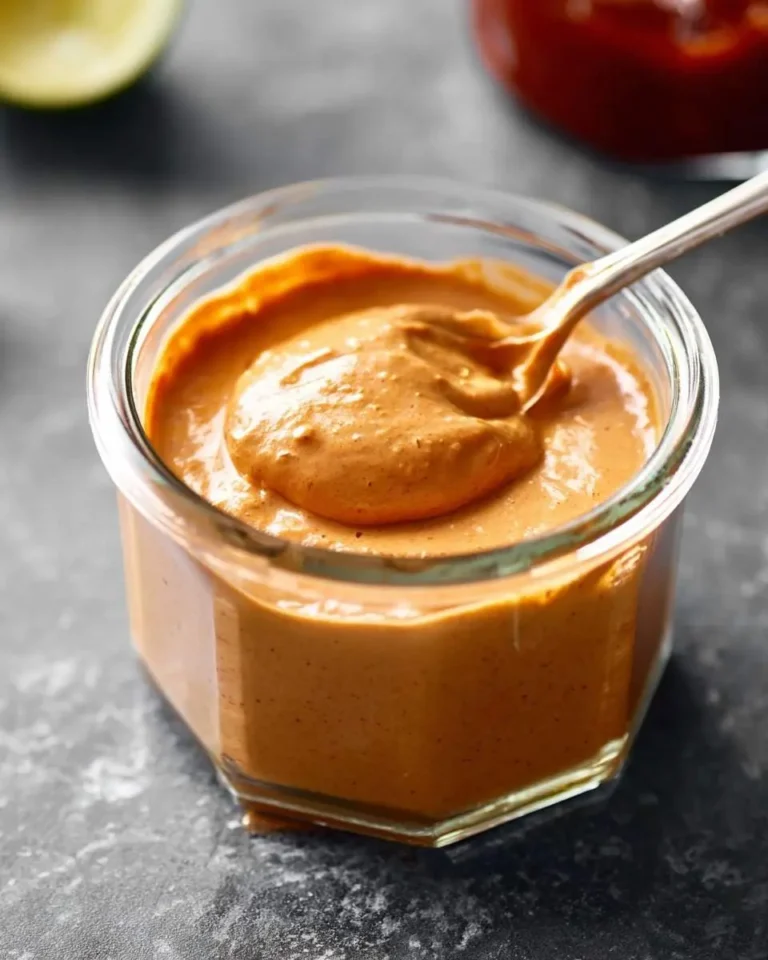
I start by smashing my garlic with salt into a paste on the cutting board. The salt acts like sandpaper, breaking down the cell walls until you have something almost creamy. This goes into the food processor with my tahini, and here’s where it gets weird: when you add lemon juice and water, the tahini seizes up. It gets thick and grainy and looks ruined. Don’t panic. Keep processing, add water a tablespoon at a time, and suddenly it relaxes into silky, pourable gorgeousness. The whole transformation takes maybe three minutes. The sound changes from labored grinding to smooth whirring, and that’s when I know it’s ready. For another sauce that relies on this kind of emulsion magic, check out my tzatziki sauce.
Pro Tips
Temperature matters. Cold tahini straight from the fridge will seize up faster and harder than room-temperature. I set my jar on the counter while I prep everything else.
The water quality actually changes things. My Brooklyn tap water makes a slightly different sauce than my mother’s well water in Michigan. If yours tastes heavily chlorinated, use filtered.
Let it rest. This sauce improves dramatically after twenty minutes. The garlic mellows, the flavors marry, and what tasted harsh becomes harmonious.
My Secret Trick: I save a few tablespoons of the starchy water from boiling chickpeas or pasta and use that instead of plain water. The starch helps the tahini sauce cling to food instead of sliding off, and adds this subtle savory depth you can’t quite identify.

How to Store tahini sauce
- Refrigerate in a glass jar with tight lid for up to 5 days
- The sauce will thicken considerably when cold; thin with 1-2 tablespoons water before serving
- Stir well each time, as natural separation occurs
- Do not freeze; the emulsion breaks and becomes grainy upon thawing
- Bring to room temperature for 15 minutes before serving for best texture
Nutritional Benefits
This tahini sauce delivers serious sesame power. Tahini itself is one of the best plant-based sources of calcium, with two tablespoons providing more than a glass of milk. The raw garlic brings allicin, that sulfur compound that makes your eyes water but also supports immune function. I don’t make this sauce for health reasons — I make it because I crave it — but I do notice I feel steadier, more satisfied, when my lunch includes this kind of protein and mineral density rather than something sugary.

FAQs
Why did my tahini sauce turn out bitter?
Old or low-quality tahini is usually the culprit. Sesame seeds go rancid quickly. Buy from stores with high turnover, check dates, and store in the refrigerator after opening. The lemon juice should balance, not mask, the natural nuttiness.
Can I make this without a food processor?
Absolutely. Use a bowl and whisk, or even a jar with tight lid for shaking. You’ll need to mince the garlic extremely fine first. The texture won’t be quite as silky, but the flavor remains excellent.
How do I fix tahini sauce that’s too thick?
Add cold water one tablespoon at a time, processing or whisking between additions. The sauce can handle more liquid than you think. It should coat a spoon but still pour easily.
What should I serve with tahini sauce?
Roasted cauliflower, grilled chicken, falafel, or drizzled over this creamy, herby cilantro garlic sauce for a double-sauce situation. I also use it as salad dressing thinned with extra lemon.


Tahini Sauce
Ingredients
Equipment
Method
- In a medium bowl, whisk together the tahini, lemon juice, garlic, cumin, and salt. The mixture will seize up and become thick and pasty - this is normal and exactly what you want.
- Add the cold water one tablespoon at a time, whisking vigorously after each addition. The sauce will transform from thick and broken to smooth, creamy, and pourable. Stop when it reaches the consistency of heavy cream - you may need slightly more or less water depending on your tahini.
- Taste and adjust: add more lemon for brightness, salt for depth, or water if too thick. The sauce should be tangy, nutty, and loose enough to drizzle but thick enough to cling to food.
- Transfer to a serving bowl, drizzle with a little olive oil if desired, and sprinkle with chopped parsley and sumac. Serve immediately or refrigerate until ready to use.
Notes
Conclusion
Some recipes earn permanent residency in your kitchen. This tahini sauce has lived in mine for years, adapting to whatever vegetables need rescuing, whatever protein needs company. Make it once, and I suspect you’ll find your own reasons to keep the jar full. If you want another versatile sauce in your rotation, try my creamy cilantro garlic sauce next.