Wonton Soup
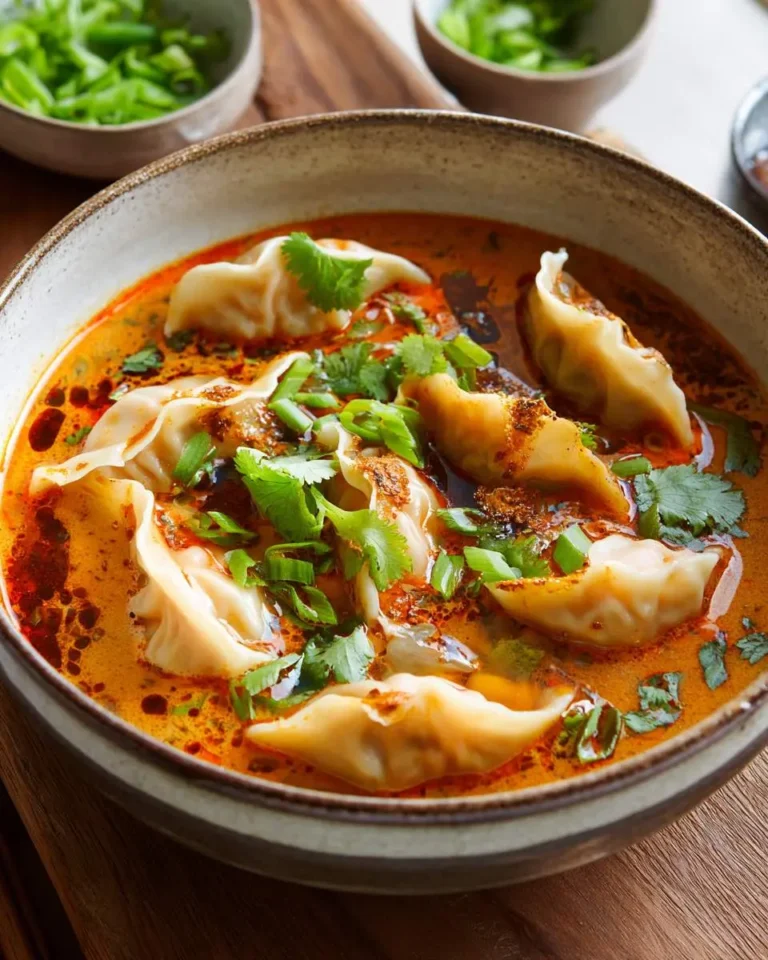
There is nothing quite like the moment when a pot of clear, fragrant broth starts sending tendrils of ginger and white pepper through your kitchen. I made wonton soup on a Tuesday that had already gone sideways, and somehow the folding of those little wrappers became the only thing that mattered. The world narrowed to a small bowl, a spoon, and the kind of comfort I did not know I needed.
My grandmother never made this. She was all matzo ball and chicken soup. But I remember watching a family friend fold wontons in her cramped apartment kitchen, her fingers moving faster than I could follow, each one a tiny perfect purse. I felt like I was witnessing something secret and old. That memory stayed with me longer than most meals I have actually eaten.
This recipe brings me back to that feeling every time. The broth is lighter than my slow cooker beef and barley soup, but no less sustaining. I think you will understand once you taste it.
What You Need to Make This Recipe
The ground pork matters more than you might expect. I use shoulder with decent fat content because lean pork turns mealy inside those delicate wrappers. Fresh ginger, grated on a microplane, disappears into the filling but leaves behind a warmth that dried ginger simply cannot replicate. And the wonton wrappers themselves, thin, square, found in the refrigerated section near the tofu, are the difference between wonton soup that tastes homemade and one that tastes like a compromise. For another slow-cooked favorite, I love my crockpot green enchilada chicken soup.
How to Make Wonton Soup
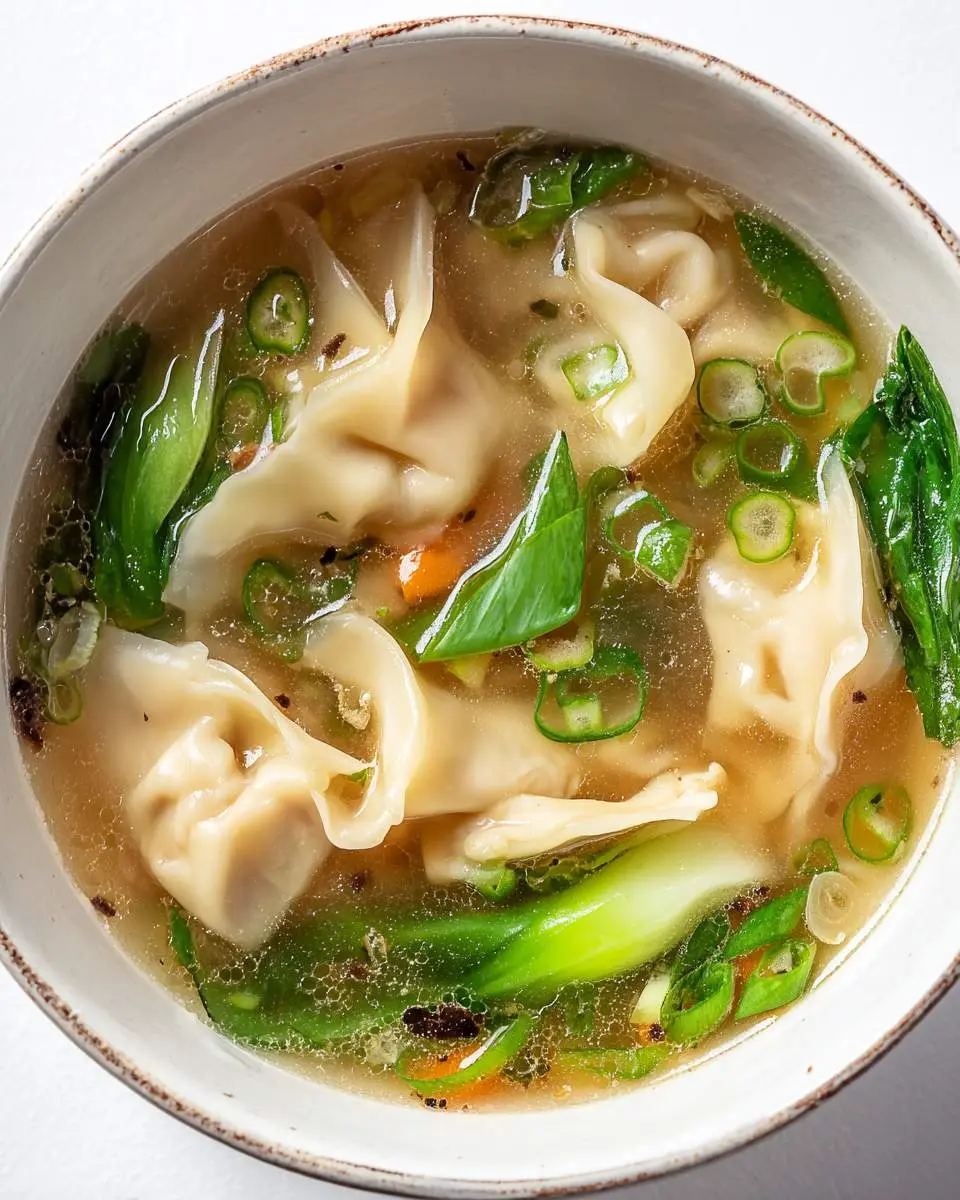
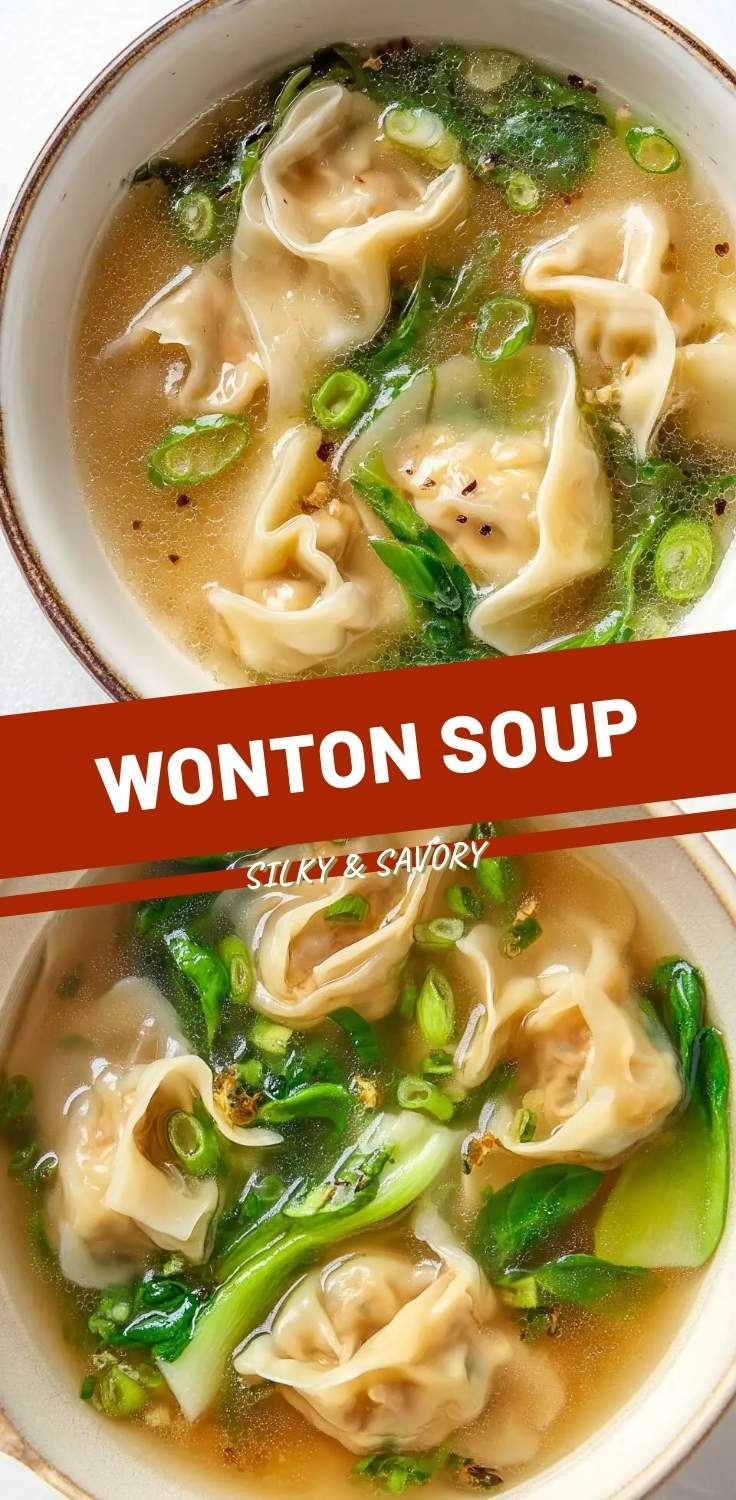
I start with the filling, working the pork with minced ginger, white pepper, soy sauce, and a splash of shaoxing wine until it feels sticky and unified. The sound is subtle, a soft squelch against the bowl, but it tells me the proteins are breaking down and binding. Then comes the meditative part: a teaspoon of filling in the center of each wrapper, wetting two edges, folding into a triangle, then bringing the corners together and pressing until they stick. My first few always look like sad origami. By the tenth, muscle memory takes over.
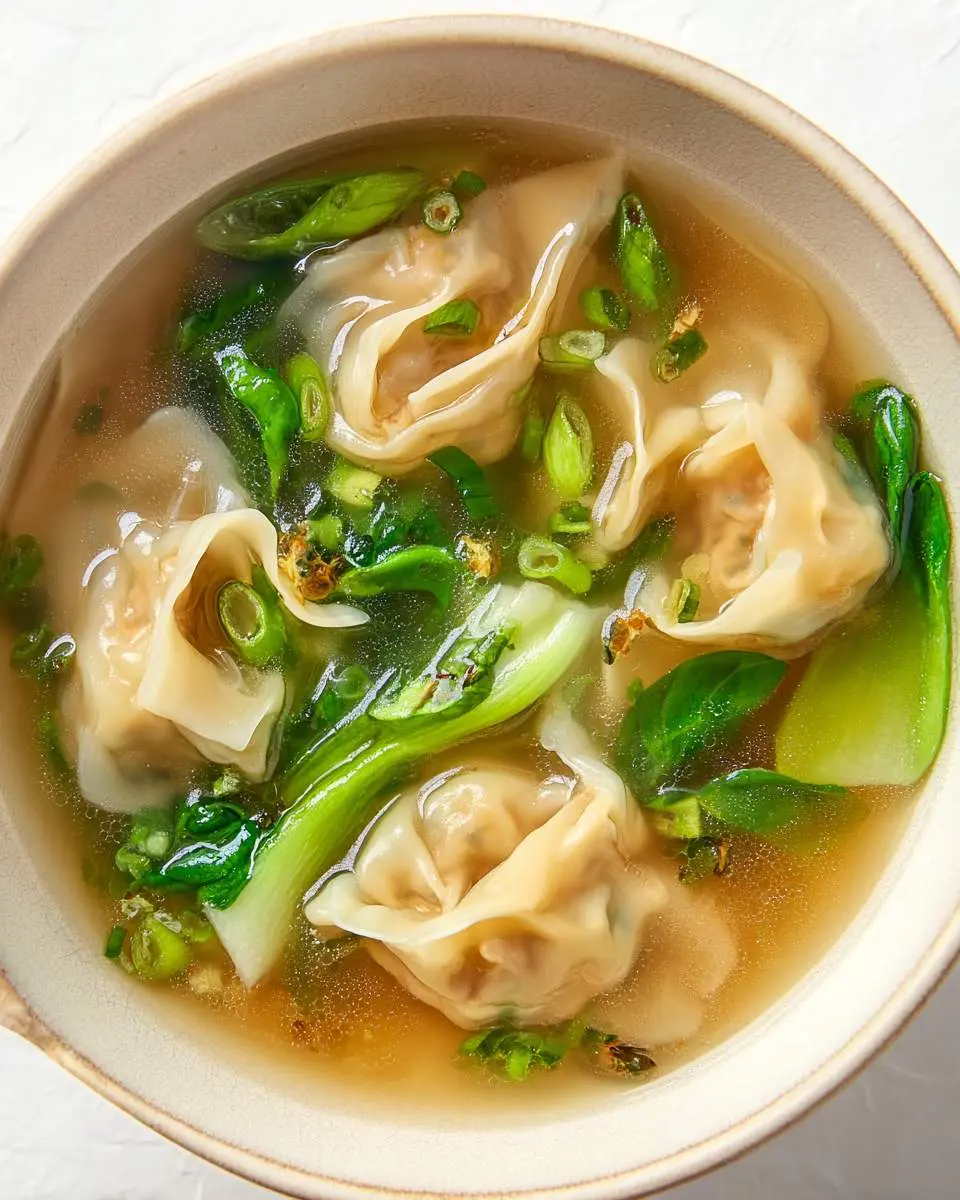
The broth simmers separately, chicken stock, more ginger, a few smashed garlic cloves, a pinch of white pepper. I keep it gentle, barely bubbling, because aggressive boiling turns the broth cloudy and harsh. When the wontons go in, they sink immediately, and I watch for the moment they bob back to the surface like tiny buoys. That is when I know the pork is cooked through and the wrappers have turned silky rather than gummy. A handful of baby bok choy goes in at the very end, just long enough to wilt but still hold some crunch. If you enjoy Asian dumpling soups, my Thai coconut potsticker soup uses a similar technique with a completely different flavor profile.
Pro Tips
My Secret Trick: I freeze my wontons on a parchment-lined baking sheet before bagging them, and I never thaw before cooking. They go straight from freezer to broth, adding two extra minutes to the boil. This prevents them from sticking together and tearing, which ruins the whole bowl.
Press every air bubble out of the wrapper when sealing. Trapped air expands in hot broth and bursts the wonton open, leaving you with floating pork fragments and a sad, empty skin.
Let the filled wontons rest on a dry surface, not a wet one. Moisture on the bottom edge turns the wrapper gummy and makes it seal poorly, which means leakage and lost filling.
I finish each bowl with a drop of toasted sesame oil, never cooked into the broth. The heat destroys its fragrance, but drizzled raw at the end, it rises with the steam and hits your nose before the spoon even reaches your mouth.
How to Store Wonton Soup
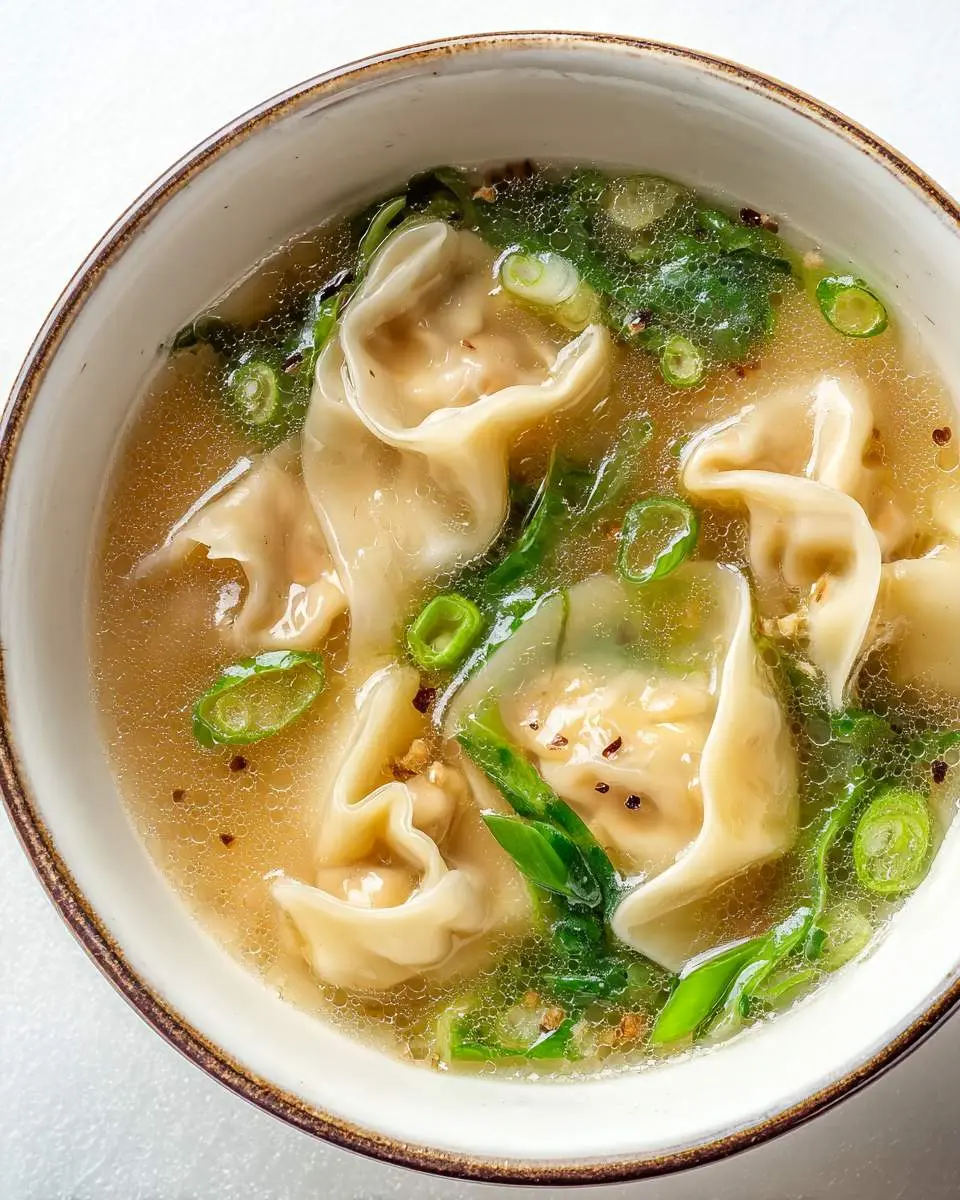
- Refrigerate broth and cooked wontons separately in airtight containers for up to 3 days at 40°F or below. Stored together, the wrappers absorb liquid and turn mushy.
- Freeze uncooked wontons in a single layer on a baking sheet until solid, about 2 hours, then transfer to a freezer bag with parchment between layers. Keeps for 2 months at 0°F.
- Reheat broth to a gentle simmer on the stovetop over medium-low heat. Add refrigerated or frozen wontons directly and cook until heated through, 3-4 minutes for refrigerated, 5-6 for frozen.
- Do not microwave assembled wonton soup. The wrappers turn rubbery and the broth overheats unevenly.
Nutritional Benefits
Wonton soup delivers real nourishment without heaviness, which is why I return to it when I am recovering from something or simply need a reset. The ginger contains gingerol, the compound responsible for its anti-inflammatory properties, and it is present in both the filling and the broth so nothing goes to waste. The bok choy contributes vitamin C and folate, and because it cooks so briefly, those nutrients stay largely intact rather than leaching into the cooking water.
FAQs
Can I use store-bought wontons instead of making my own?
Yes, though the texture differs. Frozen wontons from Asian markets tend to be better than mainstream grocery versions, which often have thicker, doughier wrappers that do not achieve the same silky quality in broth.
What can I substitute for ground pork in the filling?
Ground chicken thigh or shrimp both work well. Chicken breast dries out too quickly. If using shrimp, chop it finely rather than grinding, or the texture becomes bouncy and strange.
Why did my wontons fall apart in the broth?
Usually the broth was boiling too vigorously, or air was trapped inside during folding. Keep the broth at a gentle simmer and press out every bubble before sealing the edges firmly.
How do I make wonton soup taste more like restaurant versions?
Restaurant broths often include dried flounder or conpoy for depth. At home, I add a small piece of dried shiitake to my simmering stock, which gives that same savory backbone without requiring specialty seafood ingredients.

Wonton Soup
Ingredients
Equipment
Method
- In a medium bowl, combine ground pork, white parts of scallions, ginger, soy sauce, sesame oil, and cornstarch. Use your hands or a fork to mix until the mixture becomes sticky and paste-like, about 2 minutes. This texture helps the filling hold together when cooked.
- Place a wonton wrapper on a clean surface. Add 1 teaspoon of filling to the center. Dip your finger in water and wet two adjacent edges. Fold into a triangle, pressing firmly to seal and pushing out air bubbles. Bring the two bottom corners together, wet one corner, and pinch to seal into a classic wonton shape. Place on a baking sheet and cover with a damp towel. Repeat with remaining wrappers and filling.
- In a large pot, bring chicken broth, garlic, star anise, and white pepper to a gentle simmer over medium heat. Let it infuse for 10 minutes, then remove and discard the garlic and star anise. Keep warm over low heat.
- Add bok choy to the simmering broth and cook until just tender and bright green, about 3 minutes. Use a slotted spoon to transfer to serving bowls.
- Bring a separate pot of water to a boil. Working in batches to avoid crowding, add wontons and stir gently once to prevent sticking. Boil until they float and the wrappers turn slightly translucent, about 4 minutes. Transfer with a slotted spoon directly to serving bowls.
- Ladle the hot broth over the wontons and bok choy in each bowl. Garnish with reserved green scallions. Serve immediately while piping hot.
Notes
Conclusion
I did not expect wonton soup to become one of my most-requested recipes, but here we are. There is something about the care it requires, the small repetitions, that makes the final bowl feel earned. If you are looking for another dumpling-forward dinner, my Thai curry dumpling soup takes a completely different direction with coconut and lemongrass. Wherever you start, I hope this brings you the same quiet satisfaction it brings me.