Zucchini Hummus
The first time I tasted zucchini hummus, I was skeptical. I had spent years perfecting my traditional chickpea version, and the idea of swapping in summer squash felt like culinary betrayal. But one spoonful changed everything — silky, bright, and somehow lighter than its legume cousin, this zucchini hummus became the dip I couldn’t stop making.
It was a Tuesday in July, the kind of humid afternoon where even turning on the stove feels like a personal attack. I had three zucchinis threatening to soften on my counter and a craving for something creamy to drag through pita. Desperation led to discovery. I roasted those zucchinis until their edges caramelized, then blended them with tahini and lemon while they were still warm. The kitchen smelled like summer itself.
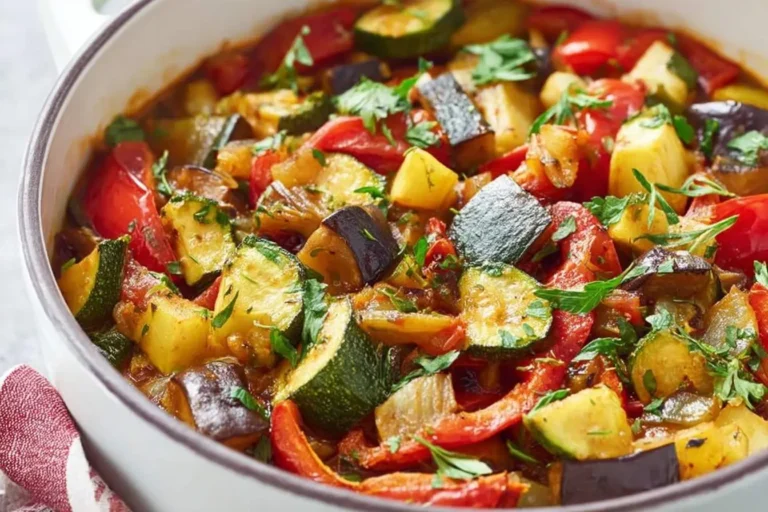
That accidental batch disappeared within hours. My husband ate it straight from the bowl with a spoon. I’ve since refined the technique, and now it’s my go-to when I want something impressive without the heaviness. If you’re craving more summer vegetable inspiration, my eggplant parmesan uses the same slow-roasting magic.
What You Need to Make This Recipe
This zucchini hummus asks for simple ingredients that work hard together. The zucchini itself must be roasted, not raw — raw squash turns watery and bitter, but roasted it becomes sweet and concentrated. Good tahini matters more than you’d think; the earthy sesame backbone carries the whole dip. I reach for Soom or Al Wadi brands, the kind that pours like loose peanut butter rather than separating into oil and paste. Fresh lemon juice wakes everything up, and don’t skimp on the garlic. For another dish that celebrates humble vegetables transformed by heat, try my roasted baby potatoes.
How to Make Zucchini Hummus
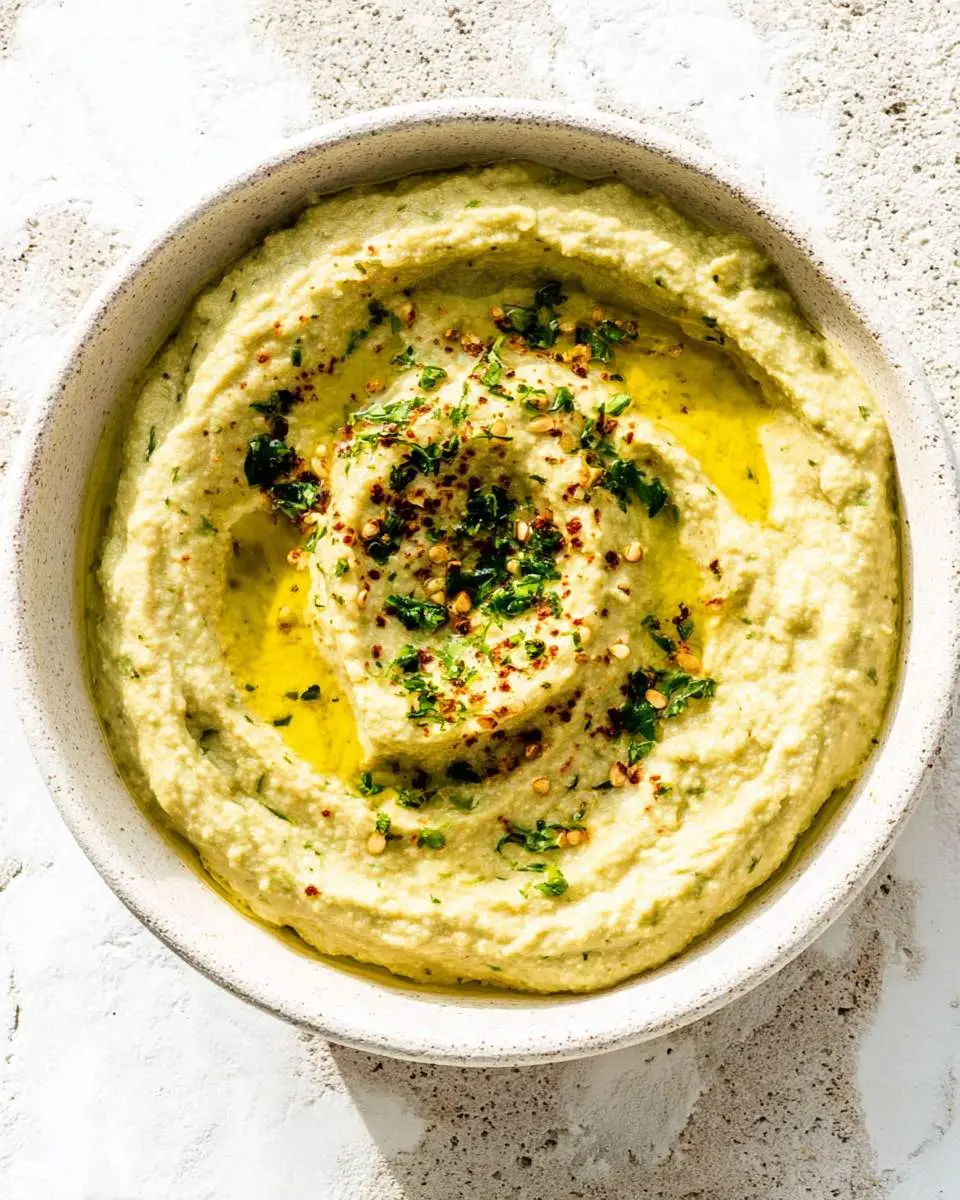
I start by slicing my zucchinis into thick rounds, maybe half an inch — too thin and they’ll dry out, too thick and they won’t caramelize properly. Onto a sheet pan with olive oil and salt, then into a hot oven until the edges turn deeply golden and the centers collapse. This takes longer than you think, about 35 minutes, and your kitchen will fill with this nutty, sweet smell that makes waiting worthwhile.
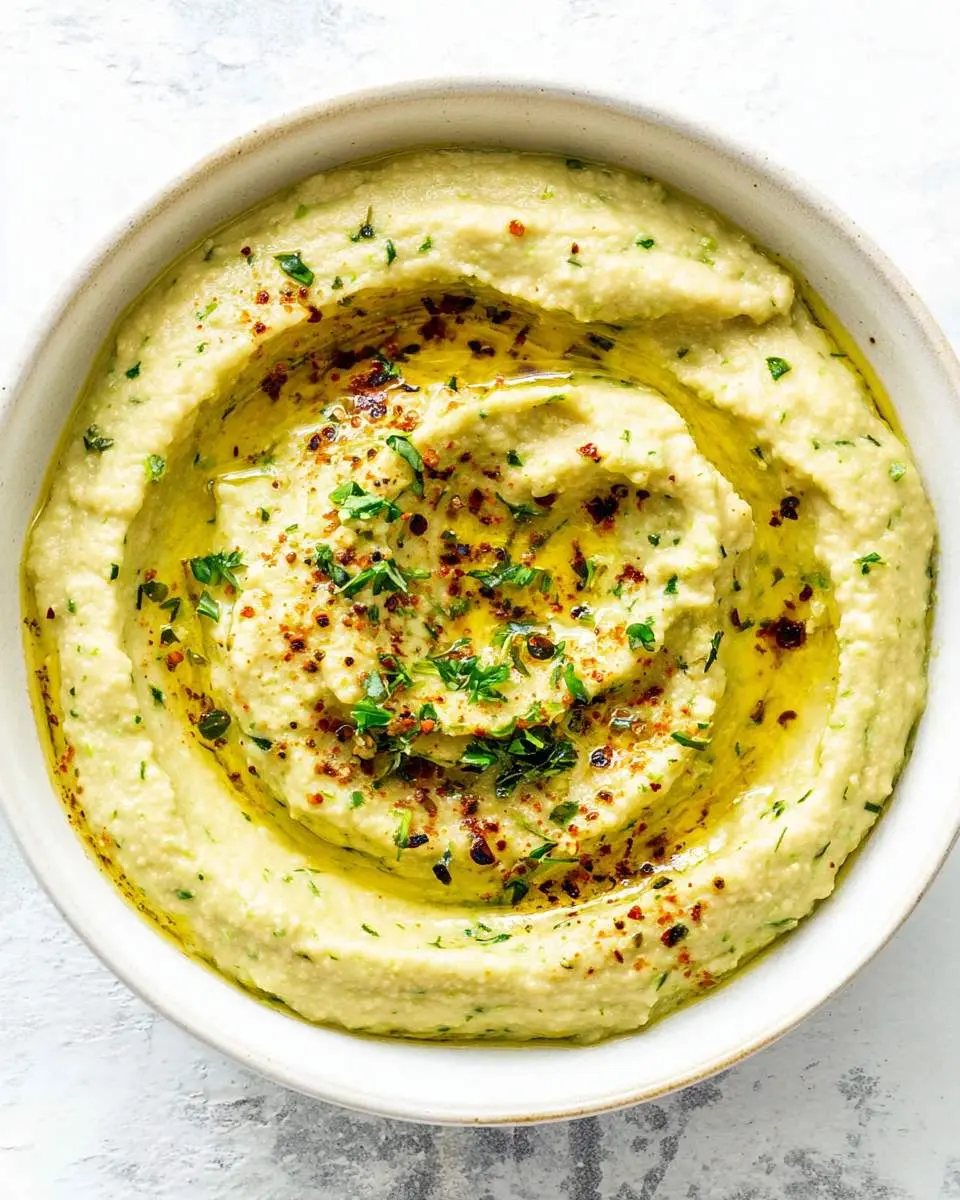
While the zucchini cools slightly, I gather everything else. The warm squash goes into the food processor with tahini, lemon juice, garlic, and a splash of ice water. The ice water is non-negotiable — it emulsifies the tahini into that cloud-like texture. I blend until the machine starts to labor, then scrape and blend again. The sound shifts from chunky to silky, and that’s when I know it’s ready. A final drizzle of olive oil and a dusting of sumac, and I’m eating it warm, standing at the counter. For more ways to love summer squash, my zoodles with summer vegetables uses the same peak-season produce.
Pro Tips
Salt your zucchini aggressively before roasting. I mean it — more than feels right. The salt draws out moisture so the squash can actually brown instead of steaming in its own juices. Less water means more flavor concentration.
Process the tahini and lemon juice first. Blending these two alone for a full minute before adding anything else creates the creamiest base. The acid tightens the tahini’s emulsion, and you’ll notice the texture change from gritty to glossy.
Let it rest overnight. Fresh zucchini hummus is delicious, but after eight hours in the refrigerator, something magical happens. The garlic mellows, the flavors marry, and the texture sets into something almost mousse-like.
My Secret Trick: Save one or two roasted zucchini pieces and chop them coarse, then fold them back into the finished hummus. Those little chunks provide textural contrast and bursts of concentrated sweetness that make people ask what your secret is.
How to Store Zucchini Hummus
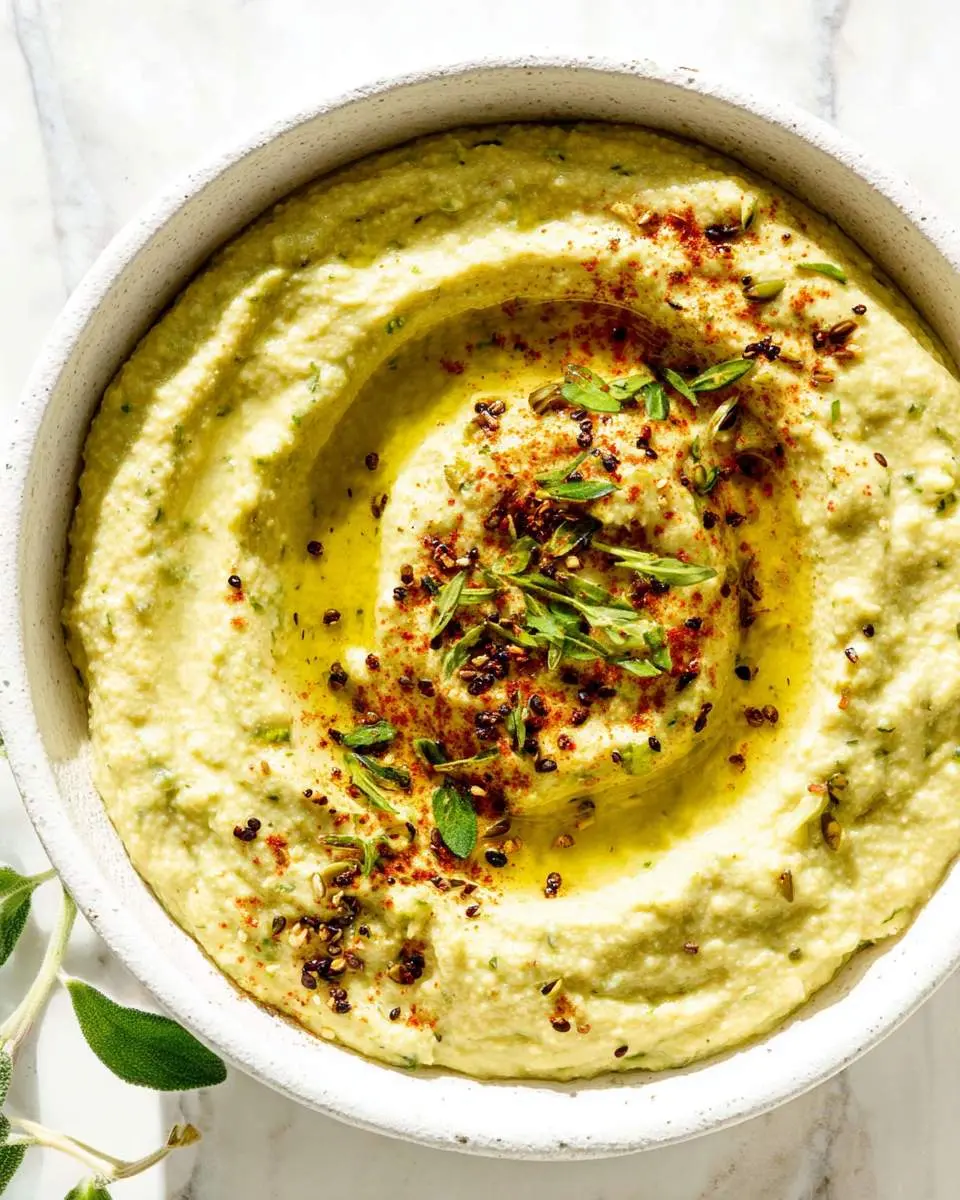
- Refrigerate in an airtight container with a thin layer of olive oil pressed directly onto the surface — this prevents oxidation and extends freshness to 5 days
- Use glass containers rather than plastic; the garlic and tahini can absorb odors and flavors from plastic over time
- Freezing is not recommended — the high water content in zucchini causes separation and grainy texture upon thawing
- Bring to room temperature for 20 minutes before serving; cold dulls the flavors significantly
- Stir vigorously if any liquid separates during storage; the emulsion will come back together
Nutritional Benefits
This zucchini hummus delivers the creamy satisfaction of traditional hummus with roughly half the calories, since we’re replacing calorie-dense chickpeas with water-rich summer squash. The tahini contributes calcium and healthy fats that help your body absorb the zucchini’s vitamin A, while the raw garlic brings allicin — that compound responsible for garlic’s immune-supporting reputation. It’s the kind of nourishing food that happens to taste indulgent.
FAQs
Can I use a blender instead of a food processor?
A high-powered blender works but requires more liquid and constant scraping. The narrow base struggles with thick dips, so add ice water gradually and use your tamper. Food processors give better control for this particular texture.
Why does my zucchini hummus taste bitter?
Bitterness usually means under-roasted zucchini or bitter tahini. Roast until deeply golden, not just soft. Taste your tahini first — some brands have harsh, bitter notes that no amount of lemon can fix.
Is this recipe keto-friendly?
Yes, with about 3 net carbs per serving, this fits most low-carb approaches. The zucchini keeps carbs minimal while the tahini and olive oil provide satisfying fat. Serve with vegetables rather than pita to stay in ketosis.
Can I make this without tahini?
You can substitute sunflower seed butter for allergy concerns, though the flavor profile changes significantly. Avoid omitting it entirely — the fat and body it provides is structural, not just for taste. This zucchini hummus needs that creamy foundation.

Zucchini Hummus
Ingredients
Equipment
Method
- Heat oven to 425°F. Toss zucchini chunks with 1 tablespoon olive oil and salt on a baking sheet. Spread in a single layer and roast for 20-25 minutes, turning once halfway through, until edges are deeply caramelized and centers are very tender. Let cool slightly.
- In a food processor, combine tahini, garlic, lemon juice, cumin, and remaining 1 tablespoon olive oil. Process until thick and lightly whipped, about 30 seconds, scraping down the sides once.
- Add the warm roasted zucchini and chickpeas to the processor. Blend until completely smooth, 2-3 minutes, stopping to scrape down the sides as needed. The warmth from the zucchini helps create a silkier texture.
- With the processor running, drizzle in ice water one tablespoon at a time until the hummus reaches a light, spreadable consistency. It should ribbon off a spoon rather than hold stiff peaks. Taste and adjust salt or lemon as needed.
- Transfer to a shallow bowl, use the back of a spoon to create a well in the center, and drizzle with olive oil. Sprinkle with za'atar or sumac if using. Serve warm or at room temperature with pita, vegetables, or crackers.
Notes
Conclusion
I still make traditional chickpea hummus for parties, but this zucchini hummus is what I crave for myself — quiet afternoons, good bread, nothing to prove. It taught me that the best recipes often come from necessity and summer vegetables begging to be used. If you’re zucchini-obsessed like me, don’t miss my zucchini parmesan — another obsession entirely.