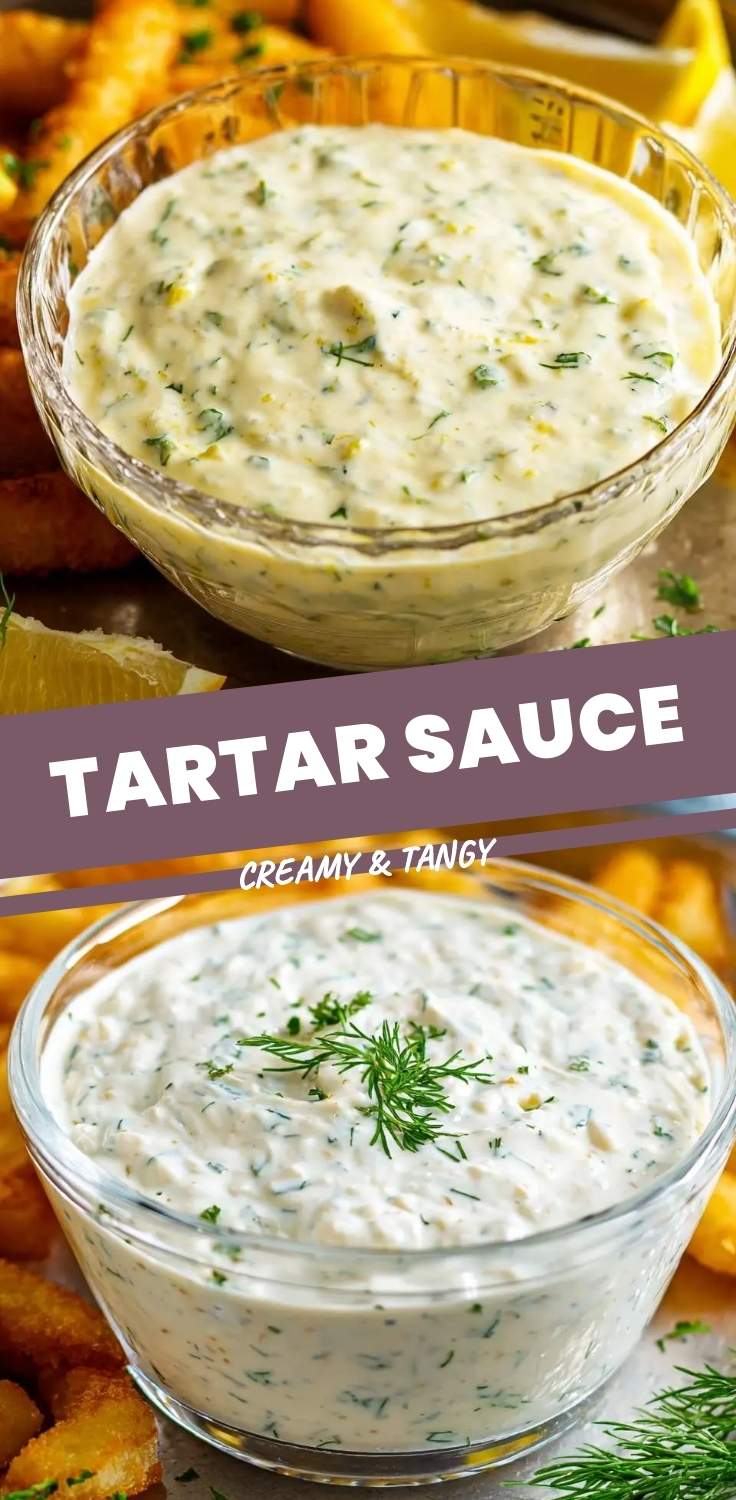
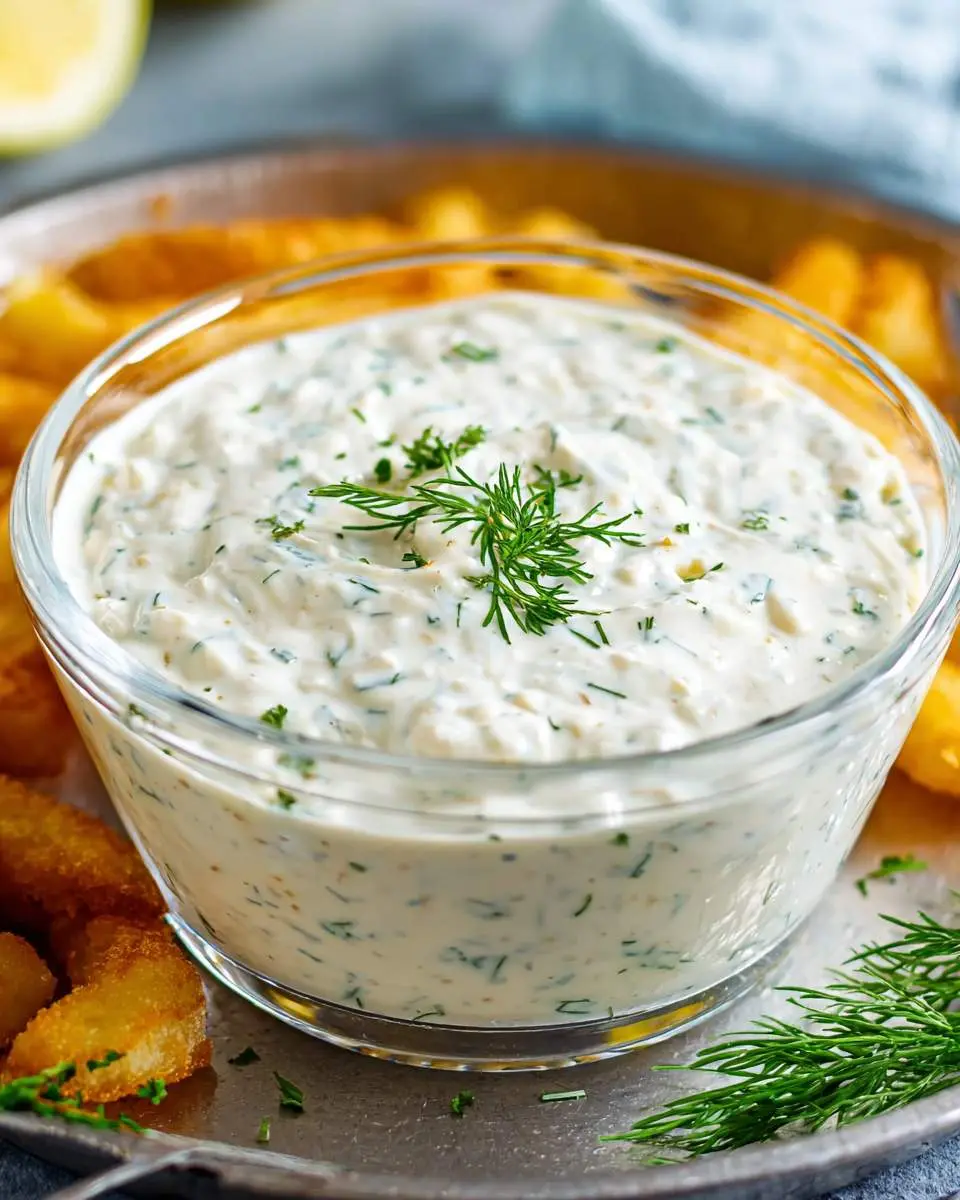
tartar sauce
The first time I tasted truly great tartar sauce, I was sitting on a weathered dock in Maine, watching fog roll over the water while my uncle fried haddock he’d caught that morning. That sauce was nothing like the gloopy stuff from squeeze bottles — it was bright, tangy, alive with pickle and lemon. I went home obsessed with recreating that memory in my own kitchen.
My grandmother used to make fish sticks on Friday nights, and she’d always set out a little bowl of her own sauce alongside the store-bought kind. I never understood why until I started cooking seriously myself. The difference between homemade and jarred is the difference between a handwritten letter and a text message — both communicate, but one carries soul.
What I’ve landed on after years of tweaking is a version that honors that Maine dock memory while working beautifully with everything from fried oysters to grilled salmon. It’s become my signature, the thing friends request by name. If you’re building a sauce collection, you might also love my Alabama white BBQ sauce — another condiment that punches above its weight.
What You Need to Make This Recipe
This tartar sauce starts with good mayonnaise as its foundation — not the sweet kind, but something with backbone and eggy richness. I always make my own now, though a quality store-bought works in a pinch. The pickles matter enormously: I prefer cornichons for their sharp snap and lack of sweetness, finely minced so they distribute rather than overwhelm. Fresh lemon juice is non-negotiable; the bottled stuff tastes flat and metallic against the creamy base. A whisper of Dijon binds everything with subtle heat. For another sauce that celebrates bold, nutty flavors, try my walnut romesco sauce — it shares that same philosophy of simple ingredients transformed.
How to Make tartar sauce
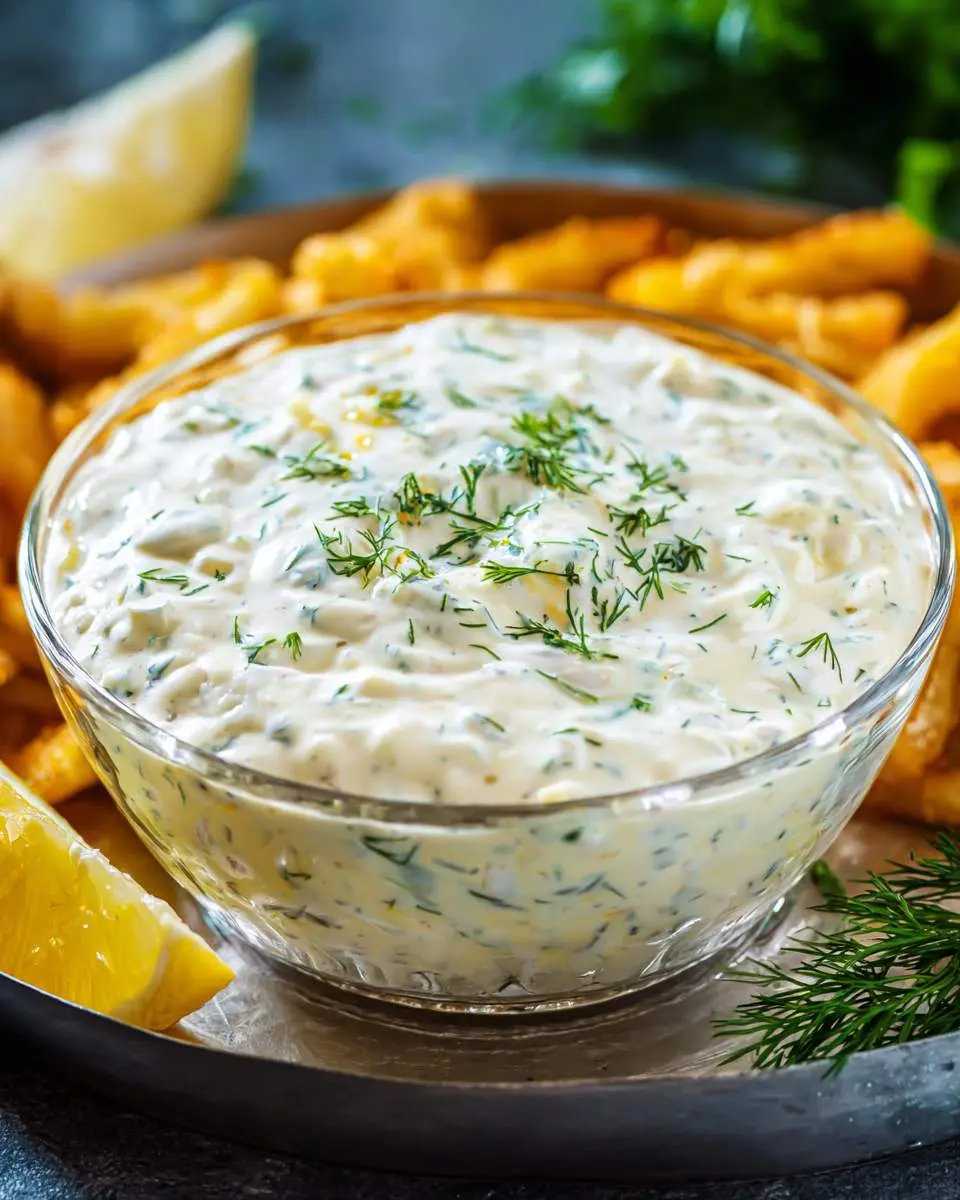
I start by draining my chopped pickles on a paper towel for ten minutes — this prevents the sauce from turning watery by day two. While they rest, I zest my lemon directly over the mayonnaise, watching the bright oils mist onto the surface. The minced shallot goes in next, and here’s where patience matters: I let it sit in the lemon juice for five minutes to mellow its bite before stirring everything together.
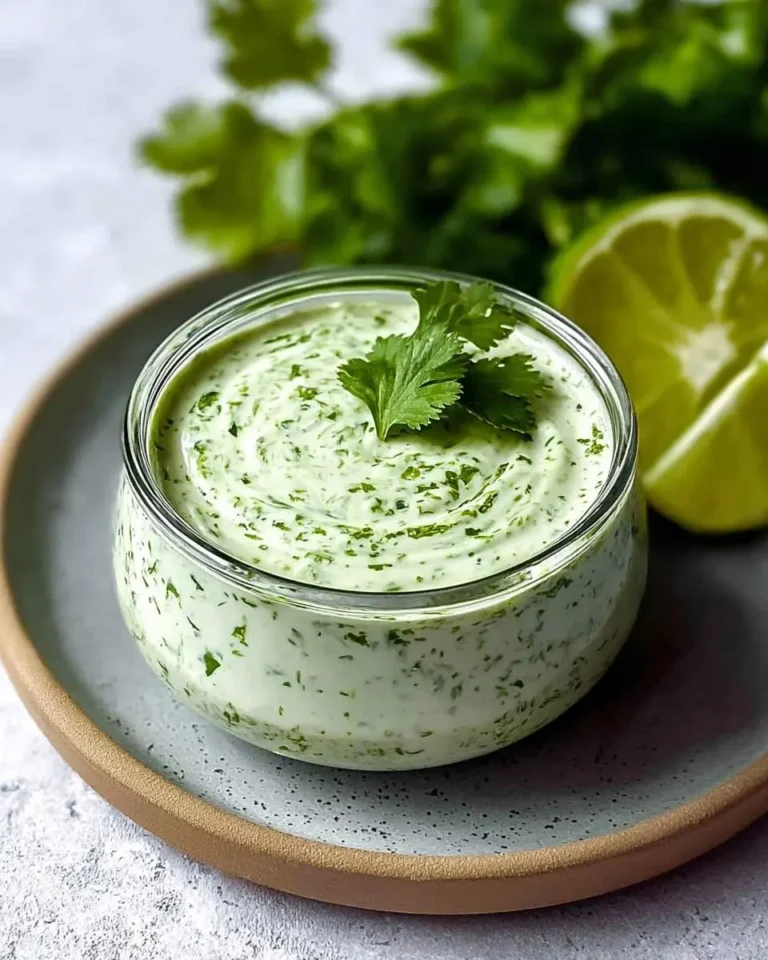
The texture should be thick enough to cling to a spoon but loose enough to drip slowly. I taste, adjust salt, taste again. Sometimes I add more pickle, sometimes more lemon — it depends on what I’m serving it with. The whole process takes maybe fifteen minutes, but those minutes feel meditative, the kind of cooking that centers me. If you want to go fully homemade with your base, my homemade mayonnaise recipe is where I started this whole journey.
Pro Tips
Chill before serving: This sauce needs at least an hour in the refrigerator for the flavors to marry and deepen. Straight from the bowl, it’s good; after resting, it’s transformative — the shallot softens, the pickle brine permeates everything.
Don’t skip the caper brine: If you’re adding capers, include a teaspoon of their packing liquid. It adds a fermented complexity that lemon alone can’t achieve, a subtle funk that makes people ask what your secret is.
My Secret Trick: I grate a tiny bit of frozen butter into the finished sauce — maybe half a teaspoon. It melts on contact with hot fish, creating an almost hollandaise-like richness that makes this tartar sauce unforgettable.
How to Store tartar sauce
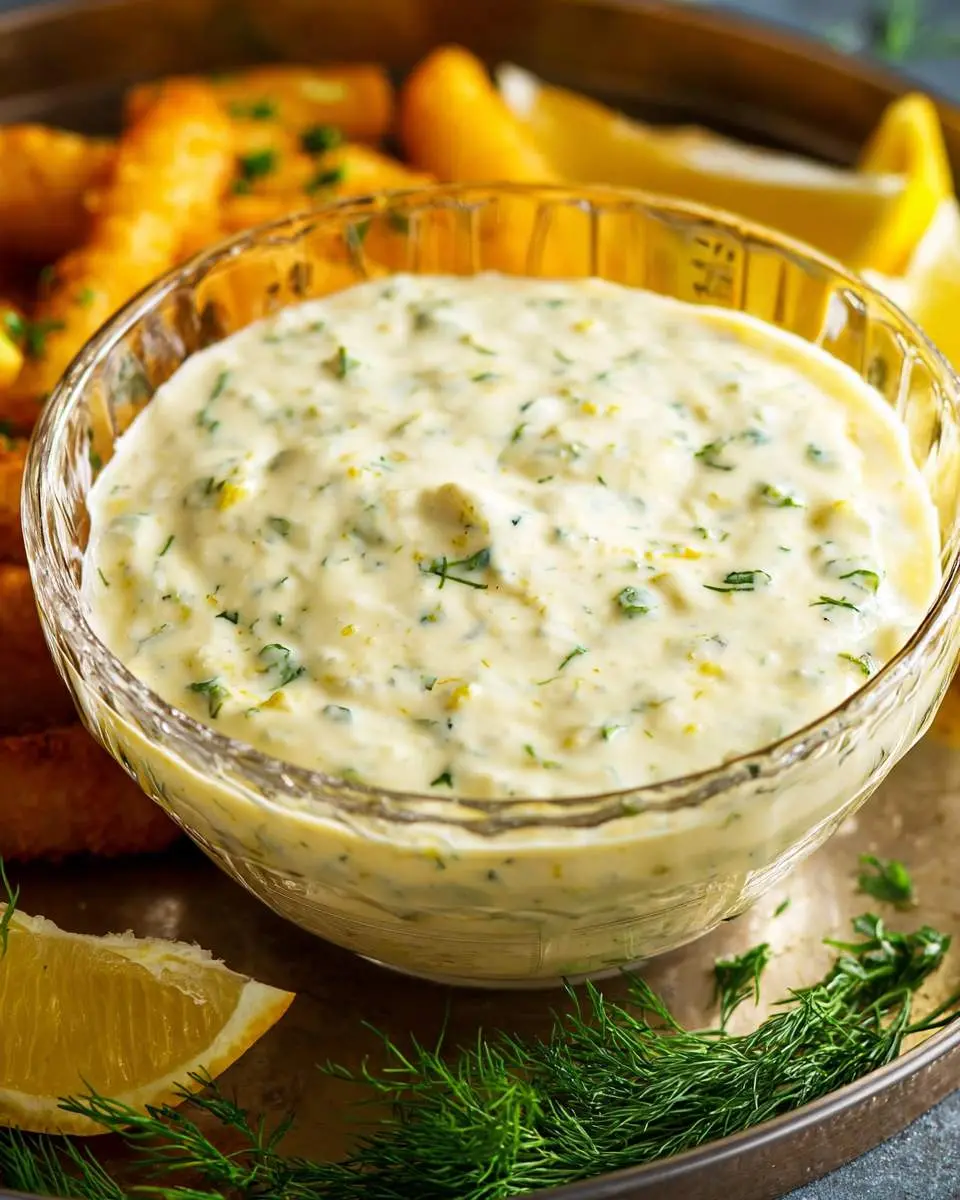
- Refrigerate in an airtight glass container for up to 5 days — plastic can absorb pickle and onion odors
- Press plastic wrap directly onto the surface before sealing to prevent oxidation and darkening
- Do not freeze — the mayonnaise base will break and separate upon thawing, becoming grainy and unappealing
- If liquid pools on top, simply stir to reincorporate; this is normal and doesn’t indicate spoilage
- Always use a clean spoon when serving to prevent introducing bacteria that shorten shelf life
Nutritional Benefits
Homemade tartar sauce offers genuine nutritional value when made thoughtfully. The egg yolks in quality mayonnaise provide choline for brain health and fat-soluble vitamins, while fresh lemon juice delivers a meaningful dose of vitamin C that supports immune function. Unlike commercial versions loaded with preservatives and added sugars, this homemade tartar sauce lets you control exactly what goes into your body.
FAQs
Can I make tartar sauce without mayonnaise?
Yes, Greek yogurt or sour cream work as alternatives, though the texture will be thinner and tangier. I recommend full-fat versions for the closest mouthfeel, and you’ll need to reduce the lemon juice since both are already quite acidic.
Why does my sauce taste bitter?
Bitterness usually comes from the pickle variety or over-processing shallots. Some pickles contain calcium chloride that reads as bitter on the palate. Switch to cornichons or refrigerator pickles, and always mince shallots by hand rather than grating.
How far ahead can I prepare this?
Make it up to three days ahead for best flavor, though five days is safe for food safety. The taste actually improves after 24 hours as the ingredients meld, so I rarely make it same-day anymore.
What fish pairs best with this sauce?
Fried white fish like cod and haddock are classics, but I love it with grilled salmon, crab cakes, and even roasted vegetables. The acidity cuts through richness beautifully, making it more versatile than most people expect.

Tartar Sauce
Ingredients
Equipment
Method
- In a medium bowl, whisk together the mayonnaise, Dijon mustard, lemon juice, and Worcestershire sauce until smooth and well combined.
- Stir in the drained pickle relish, chopped capers, minced dill, and parsley. Fold everything together until evenly distributed throughout the mayonnaise base.
- Add the black pepper and salt, then taste and adjust. The sauce should be tangy, slightly briny, and well-balanced. Add more lemon juice for brightness or salt to taste.
- Cover and refrigerate for at least 30 minutes before serving to let the flavors meld. The sauce will keep covered in the refrigerator for up to 5 days.
Notes
Conclusion
This tartar sauce has earned its place in my permanent rotation — simple enough for weeknight fish sticks, refined enough for company. I hope it becomes your signature too. For another bright, lemon-forward sauce that loves seafood equally well, don’t miss my lemon caper sauce. Happy cooking.