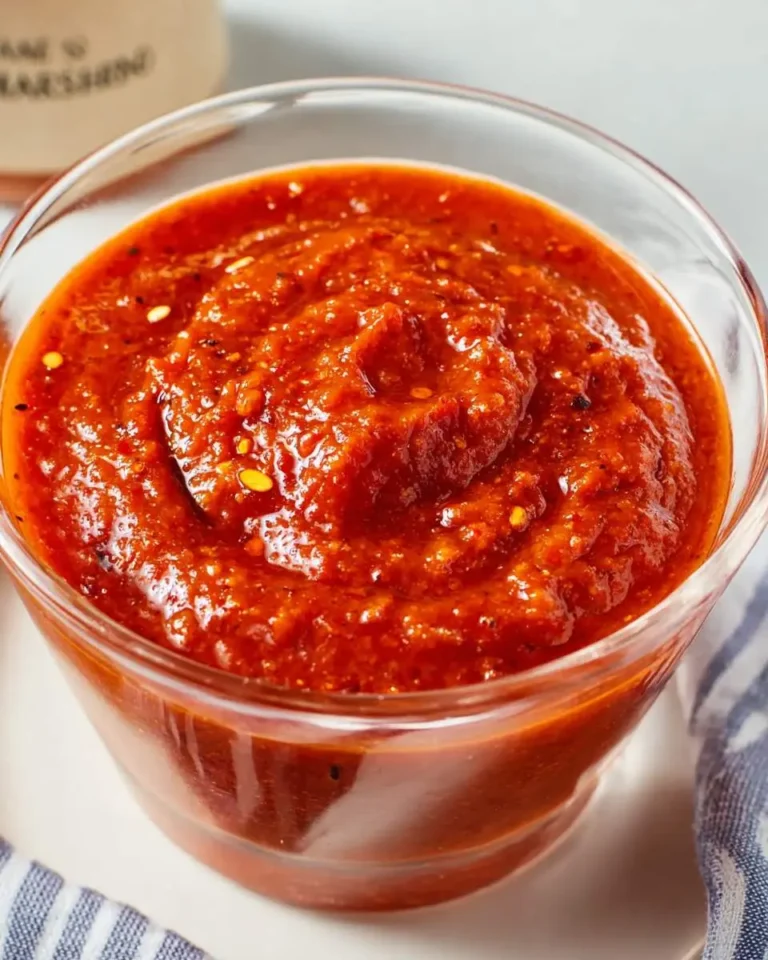
Adobo Sauce
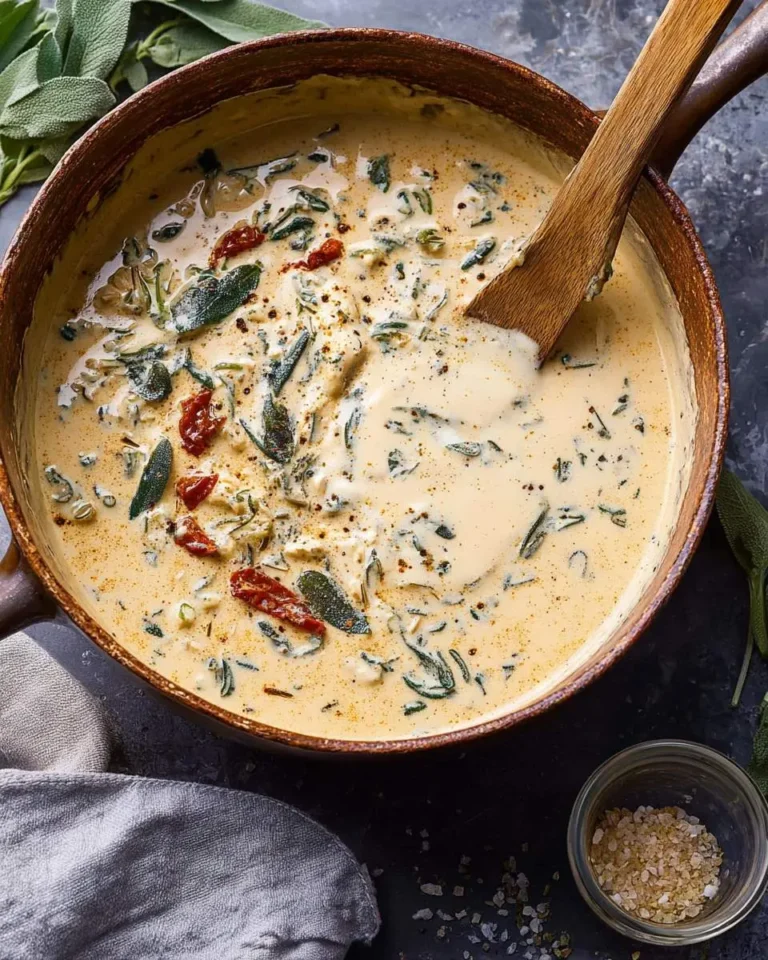
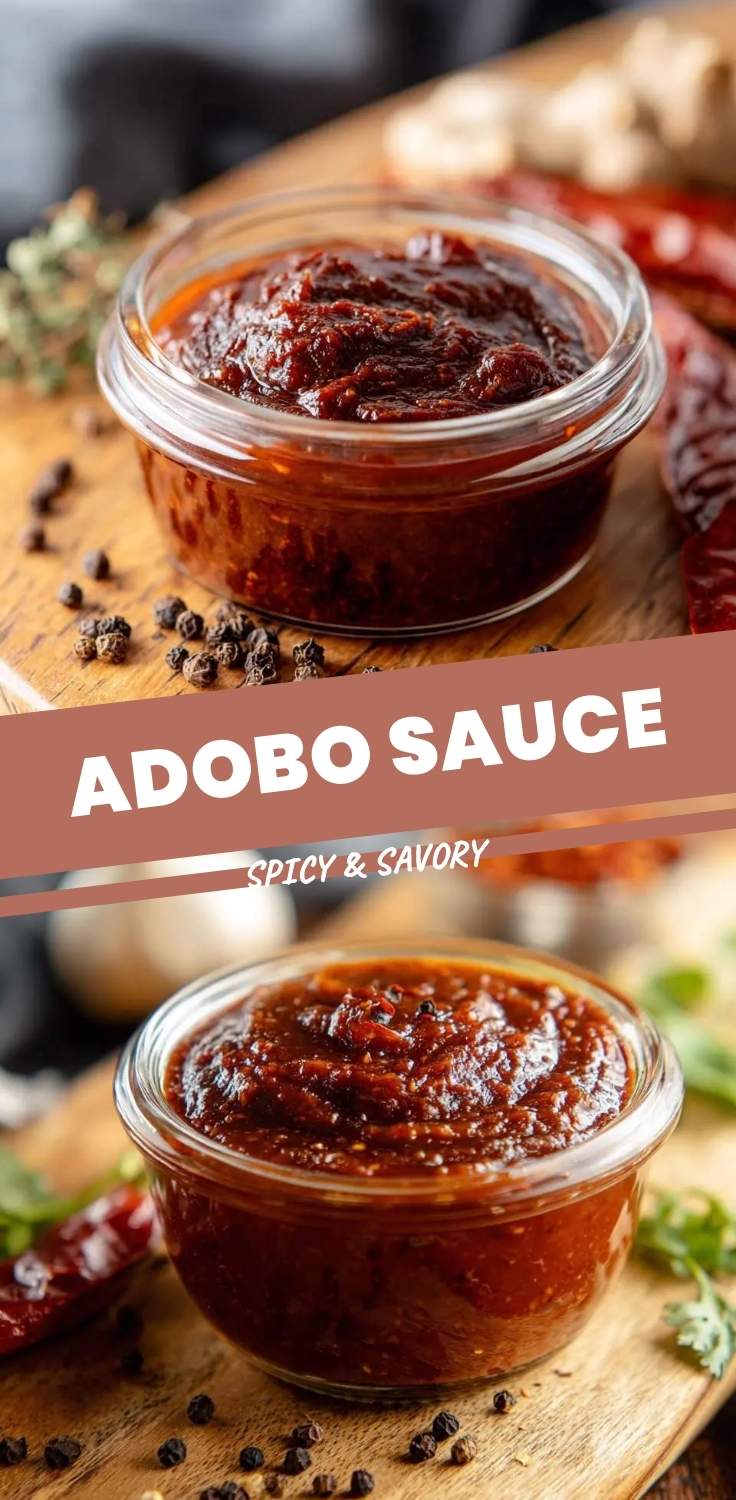
There’s something incredibly comforting about a rich, savory Adobo Sauce simmering, filling my kitchen with its intoxicating aroma. This perfect balance of tangy, salty, and sweet reminds me of my grandmother’s kitchen, much like the comfort I find in a classic Tuscan cream sauce. It’s truly a taste of home.
I remember my first attempts at perfecting this Adobo Sauce as a young cook, eager to recreate my lola’s magic. A few burnt garlic moments happened, but each try brought me closer to understanding its soul. It’s a culinary journey I cherish.
This Classic Filipino Adobo Sauce recipe is incredibly flavorful and versatile, making it a low-stress weeknight winner. My practical tip? Don’t rush the simmering; that’s where the flavors truly meld.
What You Need to Make This Recipe
To craft this authentic Adobo Sauce, we use fragrant garlic, rich soy sauce, and sharp cane vinegar. I adore how their synergy builds such unique flavors, much like a bold Carolina vinegar BBQ sauce. Find full details below!
How to Make Adobo Sauce
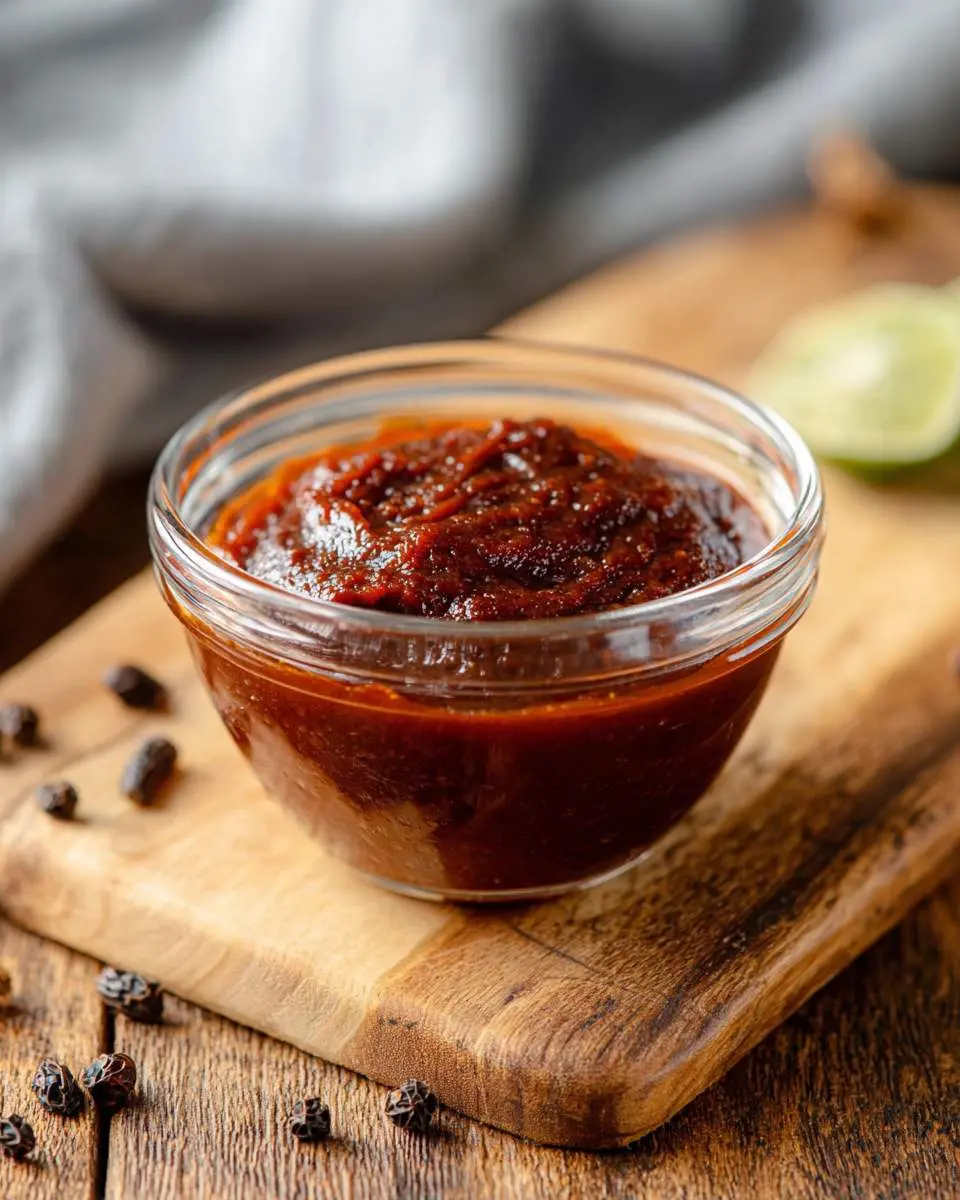
Crafting this delightful Adobo Sauce is wonderfully straightforward. I start by sautéing garlic, then combine it with soy sauce, cane vinegar, water, brown sugar, peppercorns, and bay leaves. Simmering allows the flavors to meld beautifully, much like a good cowboy butter dipping sauce. This simple method yields a rich, versatile sauce.
Pro Tips for Making This Adobo Sauce
To truly elevate your Adobo Sauce, I have a few tricks up my sleeve that I always use in my kitchen.
- Don’t Skimp on the Garlic: I always use a generous amount of freshly minced garlic. It’s the backbone of this sauce’s flavor profile, providing that essential aromatic punch.
- Balance is Key: As the sauce simmers, I taste it frequently. Sometimes, a tiny splash more vinegar or a pinch of brown sugar can perfectly balance the flavors, making your adobo sing.
- My Secret Trick: My secret trick for an extra layer of richness is to let the sauce rest for about 10-15 minutes off the heat before serving. This allows the flavors to deepen and settle, creating an even more harmonious experience. I find this simple step truly makes all the difference!
- Low and Slow: I always ensure the sauce simmers gently, never a rolling boil. This gentle heat allows the ingredients to infuse slowly and develop that coveted, complex adobo flavor without reducing too quickly or becoming too acidic.
How to Store Adobo Sauce
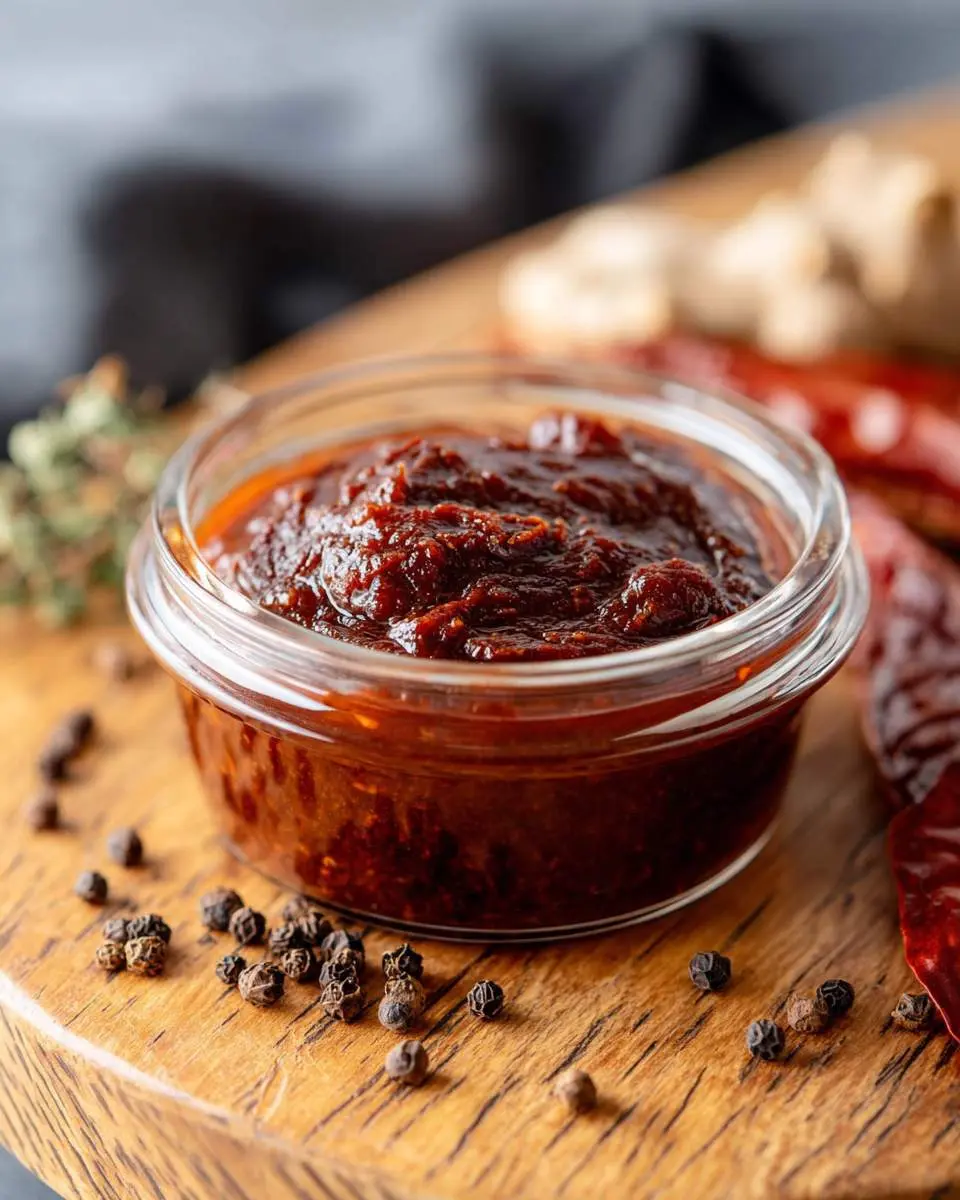
Storing your leftover Adobo Sauce properly ensures you can enjoy its fantastic flavors later. I always transfer any unused sauce into an airtight container – a glass jar works wonderfully – and refrigerate it promptly. It will keep beautifully in the fridge for up to 5-7 days. For longer storage, I recommend freezing it in smaller portions. To reheat, I gently warm it on the stovetop over low heat, adding a splash of water if it’s too thick, letting those vibrant flavors come back to life slowly.
Nutritional Benefits
This delicious Adobo Sauce, rooted in garlic and vinegar, offers more than flavor. Garlic provides antioxidants, and vinegar may aid digestion. For my family, I love how it enhances lean proteins, contributing to a truly balanced meal.
FAQs
What does traditional Adobo Sauce taste like?
Traditional Adobo Sauce is a delightful blend of savory and tangy, with a deep umami from soy sauce and bright acidity from vinegar. You’ll also taste hints of garlic and peppercorns, balanced by a subtle sweetness. It’s a harmonious and uniquely comforting flavor.
Can I make Adobo Sauce vegetarian or vegan?
Yes! To make this Adobo Sauce vegetarian or vegan, simply replace the traditional protein with plant-based options like tofu, tempeh, or mushrooms. The sauce itself is naturally vegan, offering a fantastic way to enjoy this classic Filipino flavor with various dietary preferences.
What are common ways to serve Adobo Sauce?
This versatile Adobo Sauce shines with many dishes! It’s famously paired with rice and braised meats like chicken or pork adobo. I also use it as a flavorful marinade for grilled fish, a dressing for steamed vegetables, or tossed with noodles for a quick, satisfying meal.
Why is bay leaf important in Adobo Sauce?
Bay leaves are crucial in Adobo Sauce, providing a delicate, herbaceous aroma that complements the bold soy sauce and vinegar. They add subtle complexity and a slightly floral note, preventing the sauce from being one-dimensional. I find they beautifully enhance the overall richness without overpowering.
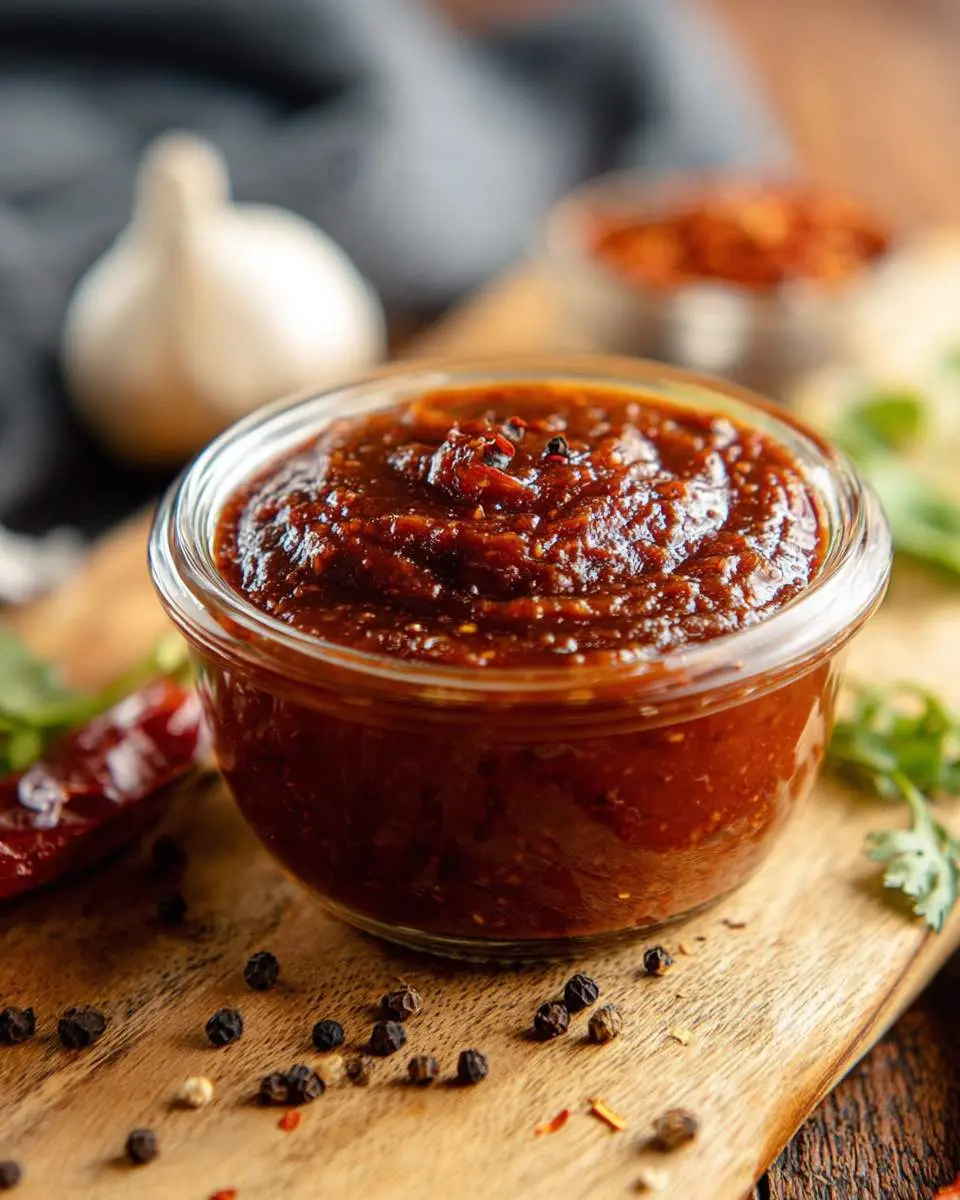

Classic Filipino Adobo Sauce
Ingredients
Equipment
Method
- Heat the vegetable oil in a medium saucepan over medium heat. Add the minced garlic and sauté for 1-2 minutes until fragrant and lightly golden. Be careful not to burn the garlic.
- Pour in the soy sauce, vinegar, and water (or chicken broth). Add the packed brown sugar, whole black peppercorns, and dried bay leaves.
- Bring the mixture to a gentle simmer. Once simmering, reduce the heat to low. Let the adobo sauce cook for 15-20 minutes, stirring occasionally, until the flavors have melded beautifully and the sauce has slightly reduced and thickened to your desired consistency.
- Taste the sauce and adjust the seasoning if necessary. You might want a pinch more sugar for balance, or a splash more vinegar for tang, depending on your preference.
- Remove the bay leaves and discard them before serving. Your Classic Filipino Adobo Sauce is now ready to use!
Notes
Conclusion
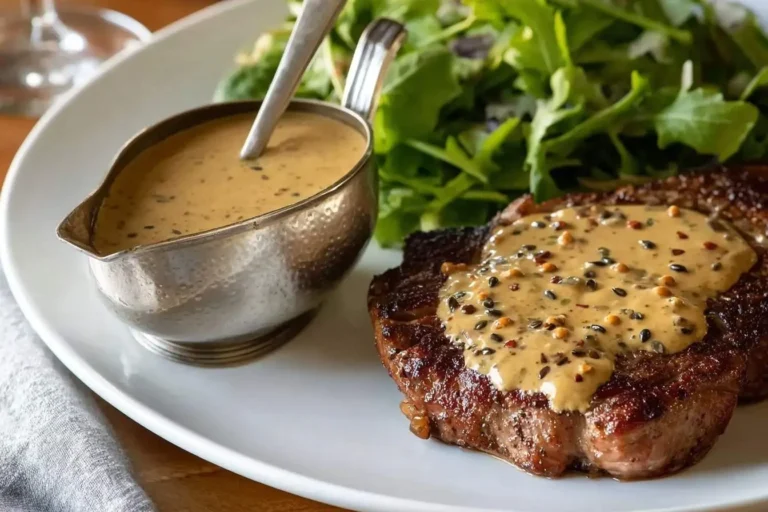
I truly hope this Classic Filipino Adobo Sauce recipe brings as much joy and comfort to your family as it does to mine. It’s a testament to how simple ingredients, cooked with love, create something truly extraordinary. Embrace the process and savor every spoonful. It embodies warm, comforting, and practical cooking for busy families, much like my go-to peppercorn sauce. Enjoy the rich, bold flavors!