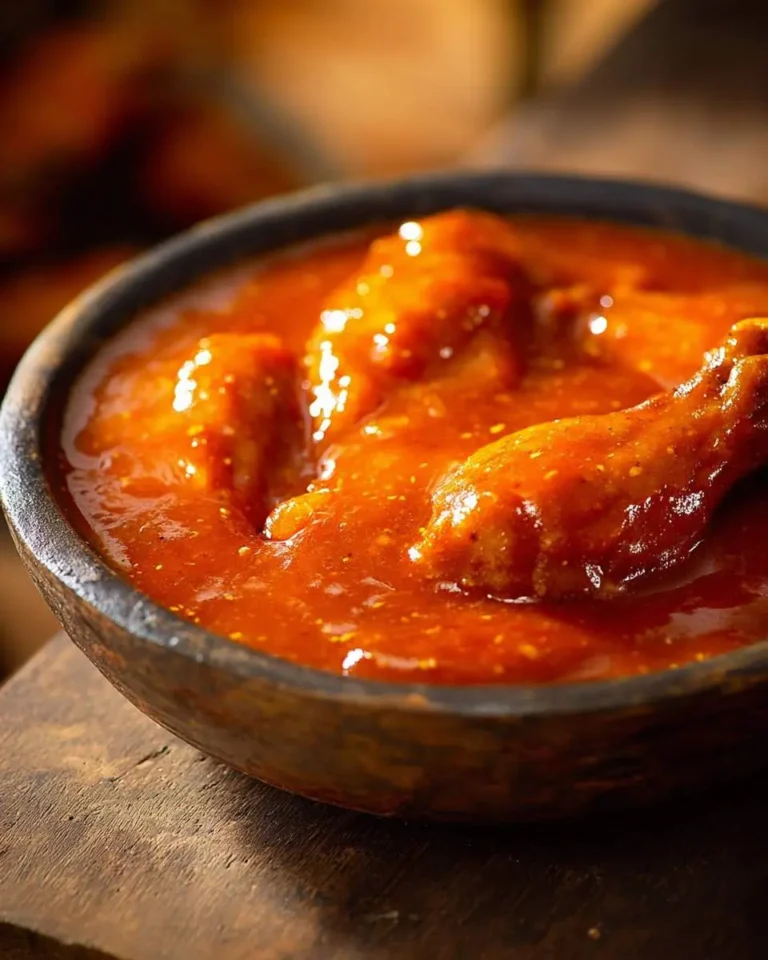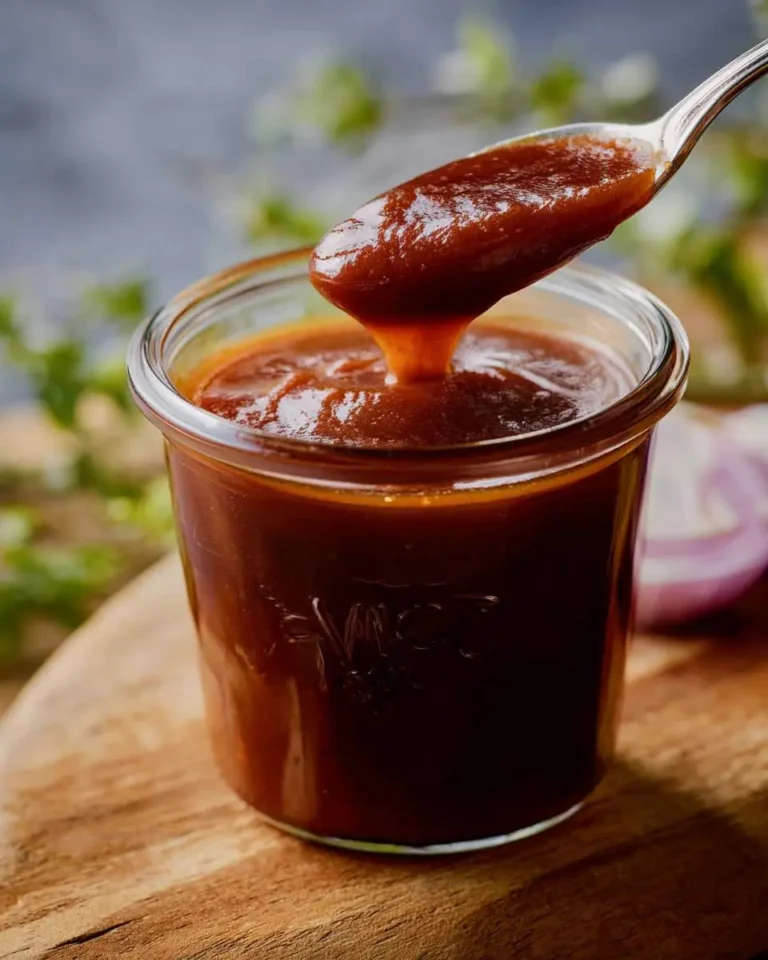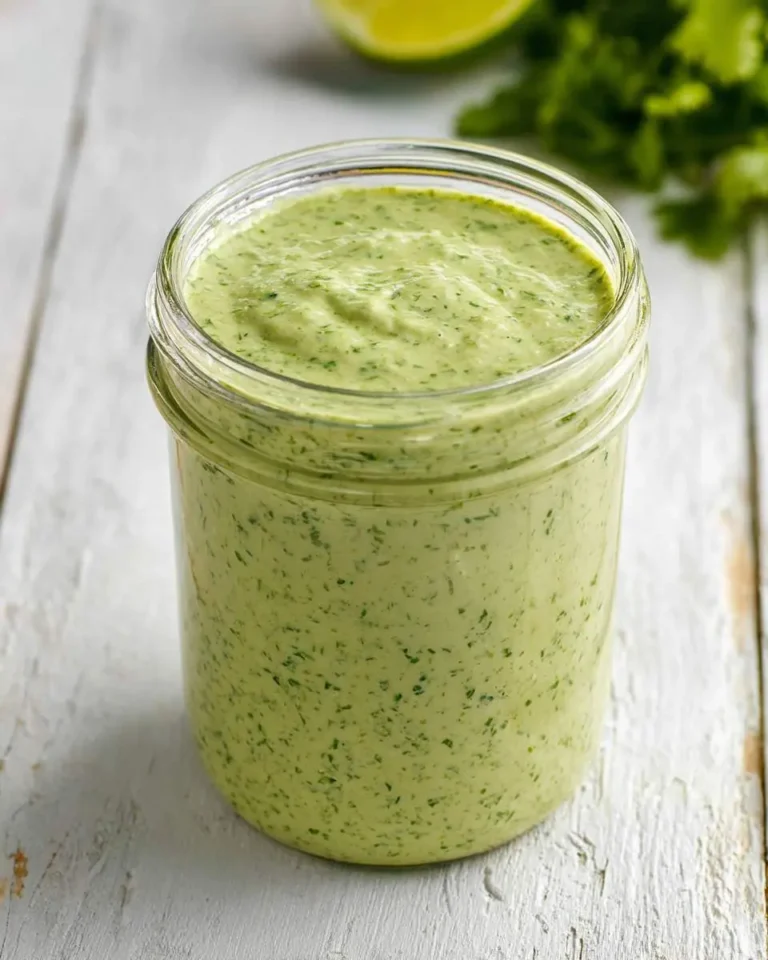
spicy harissa sauce
The first time I tasted harissa, it was in a tiny Tunisian restaurant in Brooklyn, and I remember the heat hitting the back of my throat like a friendly warning. That slow-building fire, the smoky depth, the way it made everything on my plate taste more alive — I knew I needed that in my kitchen. This spicy harissa sauce is my attempt to bottle that moment, and honestly, I think I got pretty close.
My grandmother would have called this “too much fire,” but she also thought black pepper was adventurous. I started making this sauce after a trip to the spice market where I stood too long at a stall, letting a vendor feed me samples until my eyes watered. That’s when I understood: harissa isn’t just heat, it’s flavor that happens to burn.
What I love most is how this transforms the ordinary. A spoonful in my creamy avocado lime dressing base gave me a hybrid I now crave weekly. Let me show you how this comes together.
What You Need to Make This Recipe
The foundation here is dried chiles — I use a mix of guajillo for fruitiness and arbol for pure heat, though you can adjust the ratio to your courage level. The rehydrating liquid becomes part of the sauce, so that earthy, almost tea-like broth matters more than you’d think. Cumin and caraway seeds, toasted hard in a dry pan until fragrant, give this spicy harissa sauce its backbone — without them, you just have pepper paste. I finish with good olive oil and a splash of vinegar for brightness, plus a fat clove of garlic that mellows into something sweet during blending. If you’re building a sauce collection, this pairs beautifully with my tahini sauce for a Middle Eastern-inspired spread.

How to Make spicy harissa sauce
I start by stemming and seeding the dried chiles, which is messy work — wear gloves, or spend the next day regretting every time you touched your face. The chiles go into hot water to soften, and while they plump up, I toast my whole spices in a cast-iron skillet until they smell like a market in Marrakech. That smell is your signal; don’t walk away.
Into the blender go the drained chiles, the spices, garlic, and a splash of the soaking liquid. I blend until it’s thick but still moving, adding more liquid in small doses. The moment it turns from chunky to silky, I slow down and taste. This is where you decide your destiny — more vinegar for punch, more salt for depth, more oil for richness. I finish with a steady stream of olive oil while the motor runs, emulsifying everything into that signature paste consistency. For a different roasted pepper approach, I sometimes reference my roasted red pepper sauce method when I want a milder base to build from.
Pro Tips
Toast your spices twice. I grind the toasted cumin and caraway, then toast the powder again briefly. The second toast unlocks oils that get trapped in the seeds, giving you a depth that single-toasted spices simply can’t match.
Save your chile soaking liquid like gold. That broth carries pure chile essence. I freeze it in ice cube trays for soups, stews, or reviving leftover harissa that’s thickened too much in the fridge.
Let it rest overnight. Fresh harissa tastes raw and one-dimensional. After 24 hours in the refrigerator, the garlic mellows, the flavors marry, and you finally taste what you actually made.
My Secret Trick: I add a single Medjool date, pitted and chopped, to the blender. Not enough to make it sweet — just enough to round the harsh edges of the chiles and create this subtle, almost imperceptible depth that makes people ask what your secret is.

How to Store spicy harissa sauce
- Refrigerate in a clean glass jar with a thin layer of olive oil poured on top to seal out air — keeps for up to 3 weeks
- Use a jar with a tight-fitting lid; plastic containers will absorb the garlic and chile oils permanently
- Freeze in ice cube trays for individual portions, then transfer to a freezer bag — lasts 6 months
- Thaw frozen cubes overnight in the refrigerator or at room temperature for 30 minutes
- Never microwave to reheat; the volatile oils in the chiles will turn bitter
- Stir well before each use, as the oil will separate naturally during storage
Nutritional Benefits
This spicy harissa sauce delivers more than just heat — the capsaicin in chiles has been studied for metabolism support and inflammation modulation, though I mostly love how it makes me feel awake. The cumin and caraway bring genuine digestive benefits that traditional medicine has recognized for centuries, and because I control the salt and oil, this homemade version avoids the preservatives and excess sodium found in most store-bought jars.

FAQs
Can I make this less spicy?
Yes — remove all seeds and membranes from the dried chiles, and swap half the chiles for roasted red peppers. You’ll keep the complex flavor profile while dropping the heat to a gentle warmth that won’t overwhelm sensitive palates.
What if I don’t have a spice grinder?
A mortar and pestle works beautifully and gives you more control over texture. I actually prefer it for small batches — the crushing motion releases oils differently than blades, creating a slightly more rustic, authentic paste.
How do I use harissa beyond a condiment?
I stir it into yogurt for a marinade, whisk it into vinaigrettes, fold it into hummus, and spread it under the skin of chicken before roasting. It transforms tomato sauce, enlivens grain bowls, and makes scrambled eggs actually interesting.
Why does my harissa taste bitter?
Bitterness usually means burnt spices or over-toasted chiles. This spicy harissa sauce needs gentle heat — if your pan is smoking, you’ve gone too far. Start fresh, keep the heat medium-low, and trust your nose over the clock.


Spicy Harissa Sauce
Ingredients
Equipment
Method
- Place the guajillo and arbol chiles in a heatproof bowl. Pour the boiling water over them and press down to submerge. Let soak for 15 minutes until completely softened and pliable. Reserve 1/2 cup of the soaking liquid before draining.
- While chiles soak, heat a small dry skillet over medium-low heat. Add the cumin, coriander, and caraway seeds. Toast for 2-3 minutes, shaking the pan frequently, until fragrant and just starting to darken. Immediately transfer to a plate to cool, then grind the caraway seeds.
- Drain the soaked chiles and transfer to a food processor. Add the garlic, tomato paste, toasted cumin, coriander, ground caraway, smoked paprika, olive oil, lemon juice, and salt. Pulse until a coarse paste forms, scraping down the sides as needed.
- With the processor running, drizzle in the reserved soaking liquid one tablespoon at a time until the harissa reaches a thick, spreadable consistency similar to tomato paste. You may not need all the liquid.
- Taste and adjust salt or lemon juice as needed. Transfer to a clean glass jar, smooth the top, and cover with a thin layer of olive oil to preserve freshness. Seal and refrigerate. The harissa improves after 24 hours and keeps for up to 3 weeks.
Notes
Conclusion
This sauce lives in my refrigerator door now, right where the boring ketchup used to sit. It’s become my signature move, the thing I bring to dinner parties in small jars with handwritten labels. If you’re building your own heat collection, my chipotle sauce offers a completely different kind of smoke — but start here, with this spicy harissa sauce, and taste what you’ve been missing.