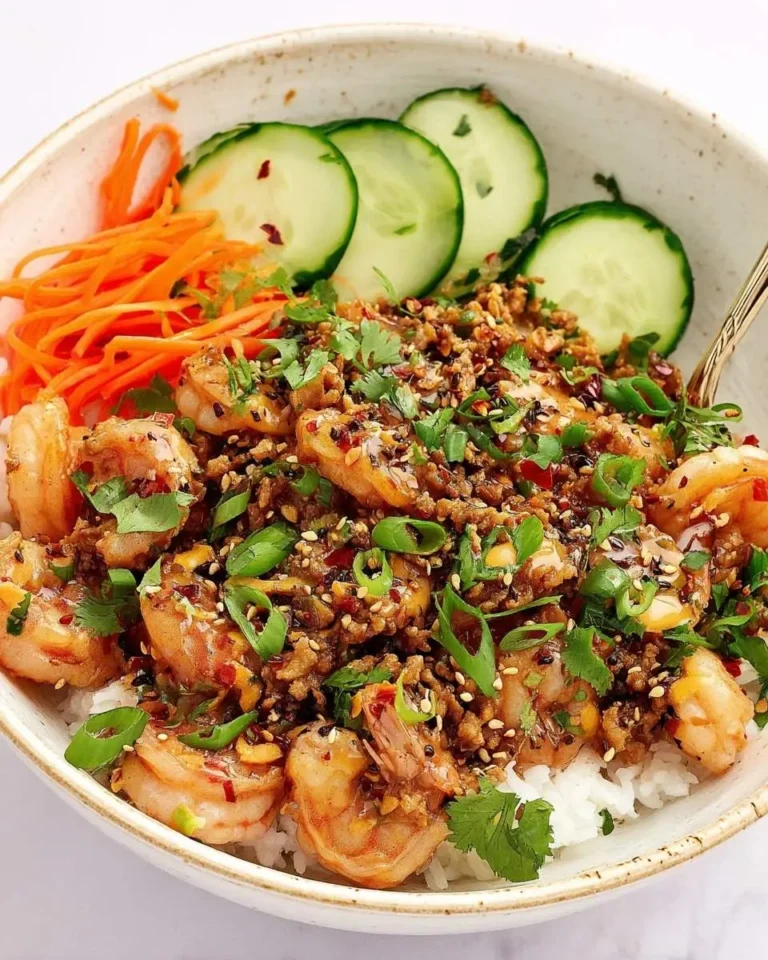
baked falafel bowl
The smell of cumin and coriander hitting warm olive oil takes me straight back to my tiny Brooklyn kitchen in 2019. I had just sworn off the fryer after a particularly dramatic oil splatter incident, and I was determined to crack the code on a baked falafel bowl that didn’t taste like a sad compromise. That first batch came out of the oven golden and crisp on the outside, tender and herb-flecked inside, and I remember standing at the counter eating three straight off the sheet pan before they even made it to a bowl.
My friend Amira had laughed at me when I told her my plan. She grew up in Cairo watching her grandmother fry falafel in a wok-like vessel called a kadai, the oil bubbling furiously around perfect spheres. But when she tasted my version, she went quiet for a moment, then asked for the recipe. That silence was better than any compliment.
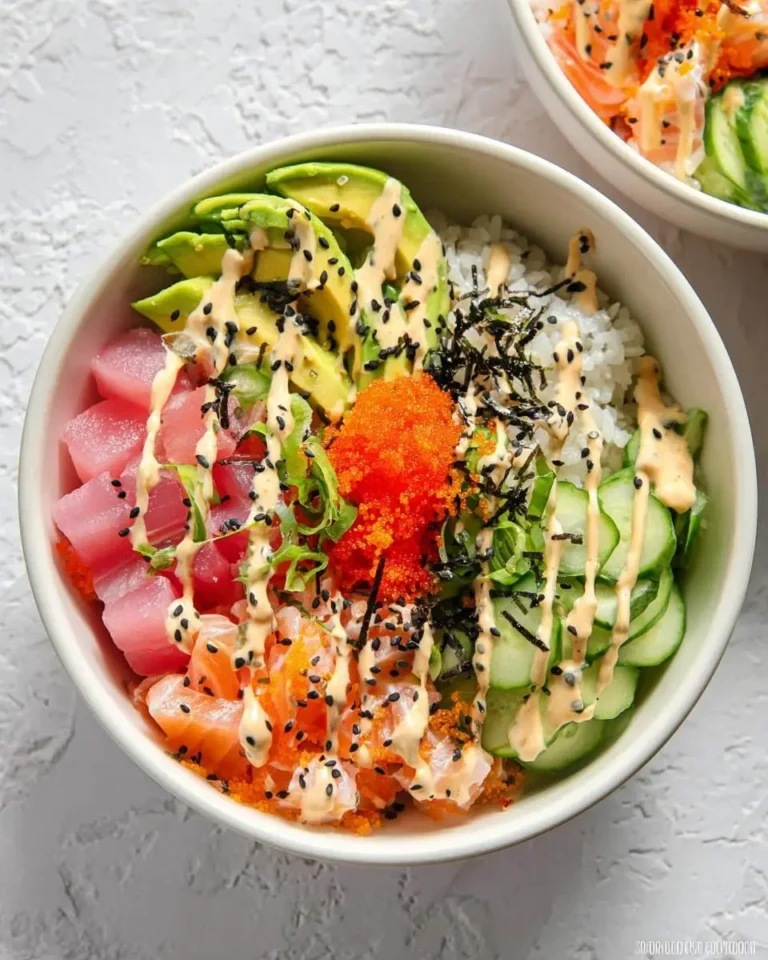
This dish has become my weeknight salvation and my weekend project, depending on how much energy I have. If you’re into bowl-building like I am, you might also love my shrimp poke bowl with its citrusy ponzu dressing.
What You Need to Make This Recipe
Dried chickpeas are non-negotiable here, and I know the canned crowd is already rolling their eyes. Trust me on this. Soaked but uncooked chickpeas give you that dense, meaty interior that holds together without turning into hummus. Fresh parsley and cilantro are your flavor backbone, and I use both because they do completely different work. The parsley brings brightness, the cilantro adds that almost-citrusy depth. A good tahini matters too, the kind that separates in the jar and smells like toasted sesame rather than bitterness. If you’re building bowls regularly, my chili lime chicken bowls use a similar approach to layering flavors and textures.

How to Make baked falafel bowl
I start this process the night before, which feels like a gift to my future self. The chickpeas soak in plenty of cold water, plumping up and softening just enough to process without turning mushy. In the morning, I drain them well, really well, and pulse them with the herbs, garlic, and spices until the mixture looks like coarse sand that holds together when squeezed. The sound of the food processor stopping and starting, that rhythmic chunk-chunk-chunk, has become weirdly comforting.
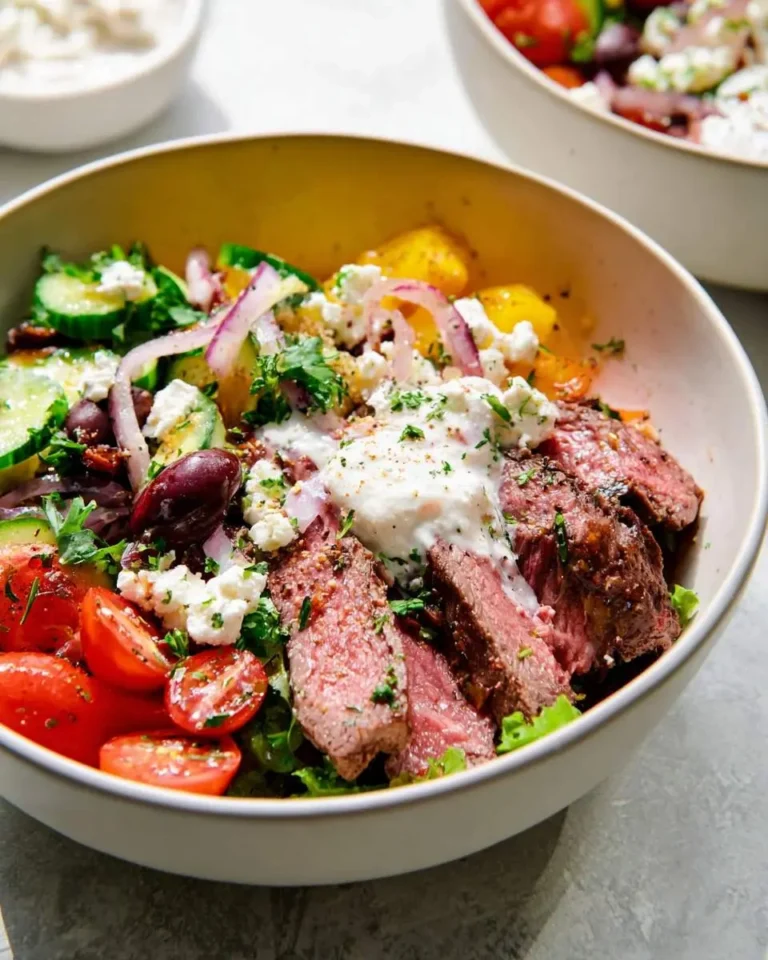
Shaping happens fast. I roll the mixture into compact balls, smaller than golf balls, because they cook more evenly that way. The oven needs to be ripping hot, 425 degrees, and I always preheat my baking sheet so the bottoms get that initial sear. Twenty minutes in, the kitchen smells like a Middle Eastern market, and I flip each one carefully, watching for that deep amber color. The tahini sauce comes together while they cool slightly, lemon juice and garlic emulsifying into something pourable and sharp. For another Mediterranean-inspired bowl, my Mediterranean falafel bowl takes a slightly different approach with its herb-forward dressing.
Pro Tips
Don’t skip the resting time. After processing, let the mixture sit in the fridge for at least 30 minutes. The starches relax and bind together, which means your falafel won’t crumble when you flip them. I learned this the hard way after too many batches that fell apart into sad, delicious crumbs.
My Secret Trick: I spray the falafel lightly with olive oil before baking, not after. This creates a thin coating that crisps almost like frying, without the heaviness. The oil hits the hot pan and sizzles immediately, starting that crust formation from minute one.
Process in batches if needed. Overloading the food processor leads to uneven texture, some parts pureed, some still chunky. You want uniform pieces so they cook at the same rate. I do two batches even when I’m tempted to rush.
Watch the color, not just the timer. Ovens vary wildly, and your baked falafel bowl deserves patience. Look for deep golden brown with slightly darker spots where the herbs have caramelized. That’s when the flavor concentrates.

How to Store baked falafel bowl
- Refrigerate cooked falafel in an airtight container for up to 4 days. I separate layers with parchment to prevent sticking.
- Freeze cooked falafel on a baking sheet until solid, then transfer to a freezer bag for up to 2 months. They reheat beautifully from frozen.
- Reheat in a 375 degree oven for 8-10 minutes until crisp again. The microwave works in a pinch but sacrifices texture.
- Store tahini sauce separately in the fridge for up to 5 days. It thickens when cold, so thin with water before serving.
Nutritional Benefits
This baked falafel bowl delivers serious plant-based protein without the saturated fat of traditional frying. The chickpeas provide fiber that keeps me full for hours, and the combination of fresh herbs adds antioxidants I wouldn’t get from dried spices alone. I notice my energy stays steadier after eating this compared to heavier meat-based bowls, which matters on busy workdays when I can’t afford a post-lunch crash.

FAQs
Can I use canned chickpeas instead of dried?
Canned chickpeas contain too much moisture and will make your falafel dense and prone to falling apart. The texture becomes more like hummus than the crumbly, tender interior you’re after. Dried chickpeas soaked overnight are essential for proper structure.
Why did my falafel fall apart in the oven?
Usually this means the mixture was too wet or not rested long enough. Drain your soaked chickpeas thoroughly and let the processed mixture chill for at least 30 minutes. The starches need time to bind everything together before baking.
How do I get my baked falafel crispy without frying?
A screaming hot oven and preheated baking sheet are your best friends. I bake at 425 degrees and flip the falafel halfway through. A light spray of oil before baking creates a crust that rivals frying without the heaviness.
What should I serve with my baked falafel bowl?
I love warm pita, cucumber-tomato salad, pickled turnips, and plenty of tahini sauce. The key is balancing temperatures and textures. Something crunchy, something creamy, something bright and acidic to cut through the richness.


Baked Falafel Bowl
Ingredients
Equipment
Method
- In a food processor, combine chickpeas, parsley, garlic, cumin, baking powder, and salt. Pulse until the mixture looks like coarse meal with some texture remaining - not a smooth paste. You should still see tiny bits of chickpea. Transfer to a bowl and refrigerate for 15 minutes to firm up; this helps the patties hold their shape.
- Preheat oven to 425°F. Line a large baking sheet with parchment. Scoop out 2 tablespoons of mixture and form into a compact patty about 2 inches wide and 0.5 inch thick - you will get about 16. Brush both sides lightly with 2 tablespoons olive oil. Bake for 22-25 minutes, flipping once halfway through, until deep golden and crisp at the edges.
- While falafel bakes, whisk together tahini, lemon juice, minced garlic, salt, and warm water in a small bowl. It will seize up at first - keep whisking and add more water 1 teaspoon at a time until you have a smooth, pourable sauce the consistency of heavy cream. Taste and adjust salt or lemon as needed.
- Divide warm grains among four bowls. Top each with 4 falafel patties, then arrange cucumber, tomatoes, and red onion around them. Drizzle generously with tahini sauce and serve the rest on the side. Eat while the falafel is still warm and crisp.
Notes
Conclusion
This baked falafel bowl has earned its place in my permanent rotation because it delivers everything I want without the mess and guilt of deep frying. It’s the kind of recipe that makes you feel capable and nourished, which is really all I’m asking for on a Tuesday night. If you’re looking for more vegetable-forward bowl inspiration, my roasted veggie tahini bowls use a similar philosophy with seasonal produce.