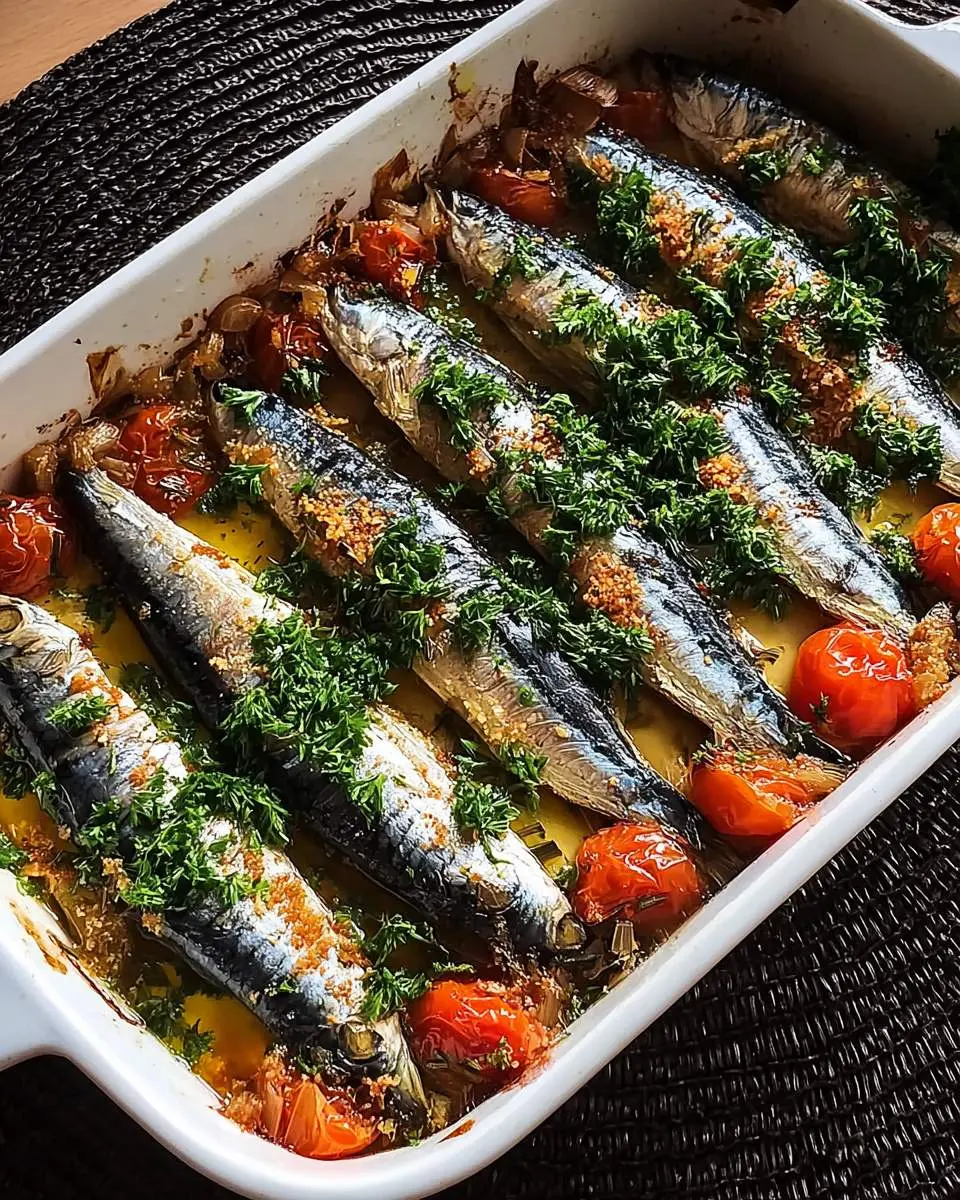
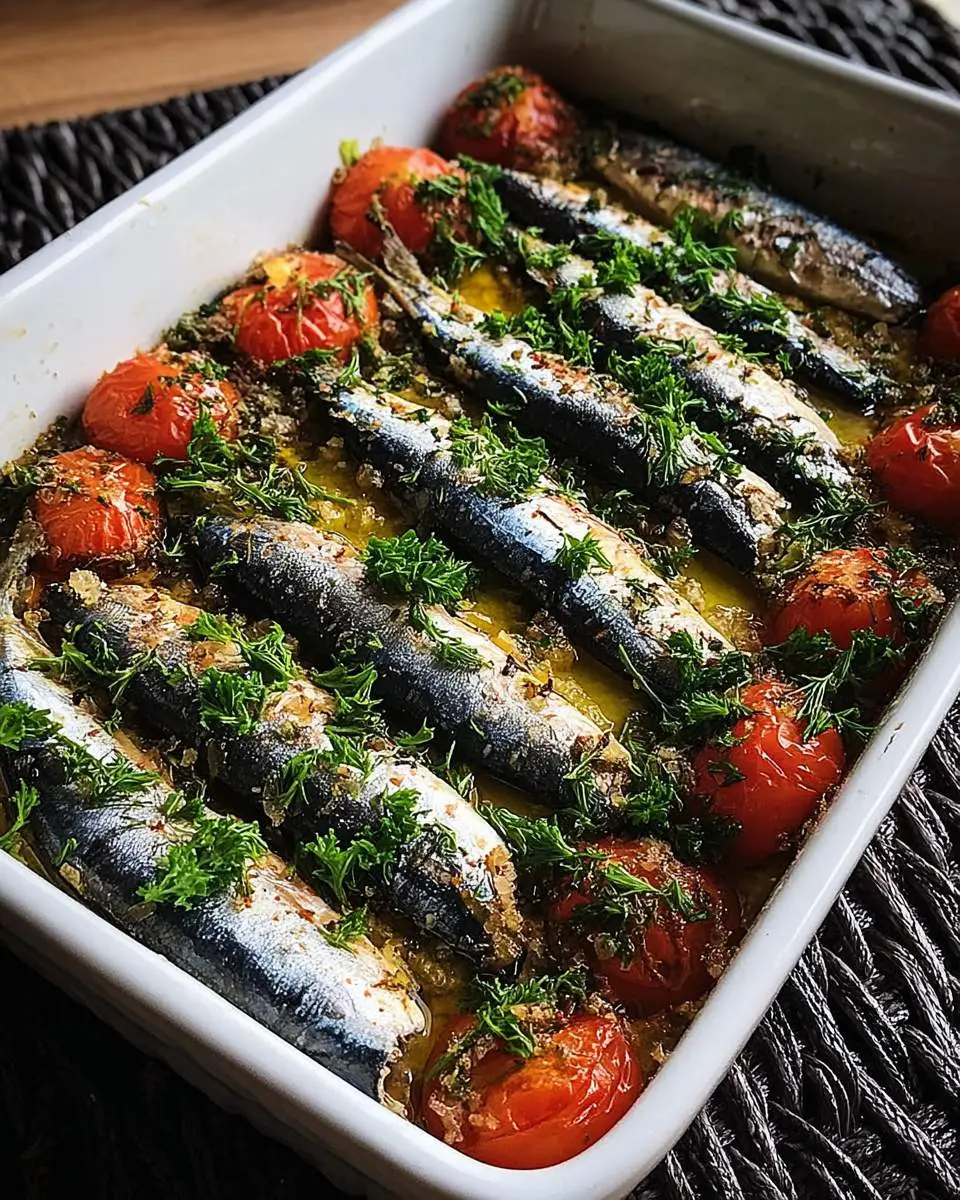
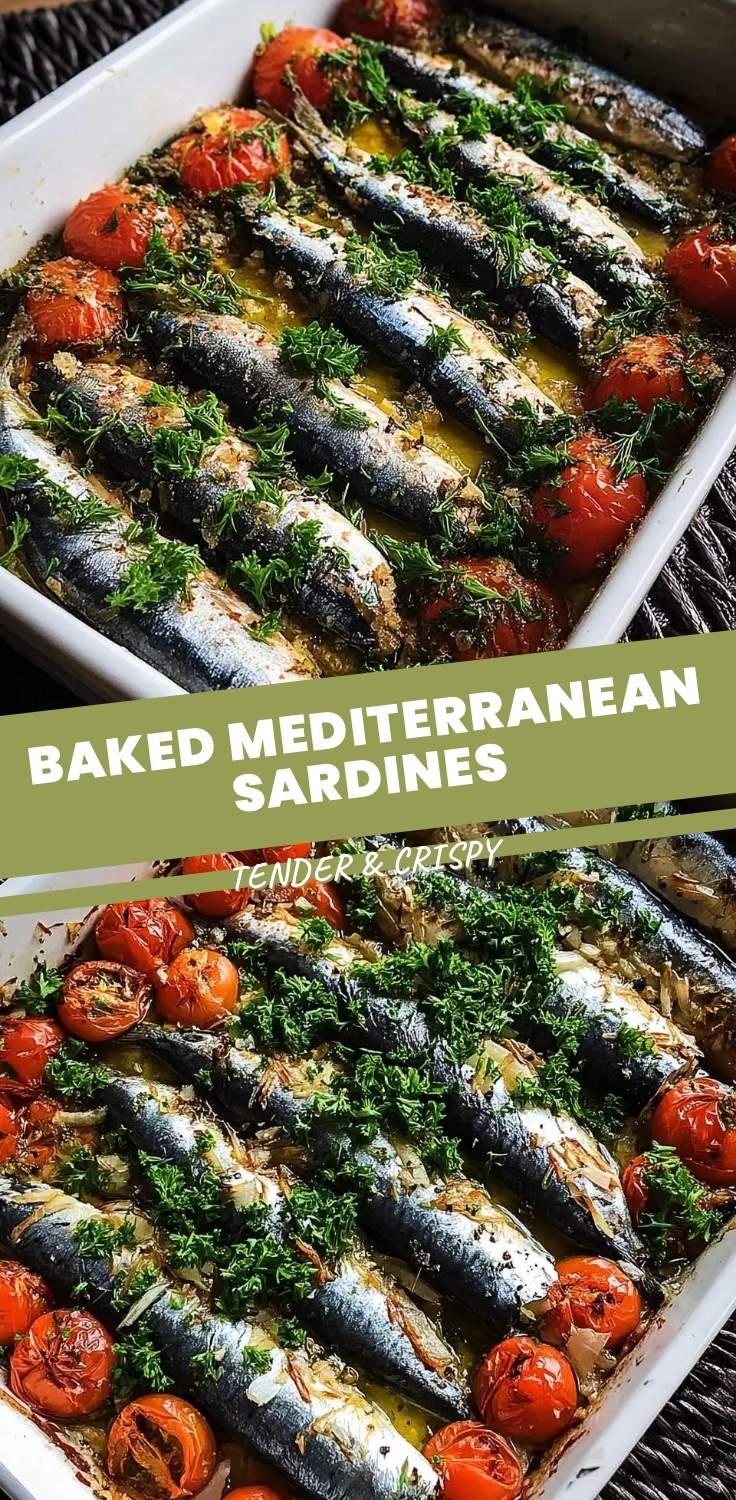
Baked Mediterranean Sardines
The first time I pulled a tray of sardines from the oven and caught that blast of garlic, lemon, and briny ocean air, I stood in my kitchen doorway and just breathed. It transported me straight to a cramped taverna in Greece where an old man grilled fish over charcoal and served it with nothing but olive oil and patience. That memory is why I keep coming back to baked Mediterranean sardines , they deliver that same transported feeling without leaving home.
Last spring, my neighbor dropped off a paper bag of fresh sardines from a local Portuguese market. I panicked slightly , I’d never cooked them whole before. But I remembered that taverna, grabbed whatever looked Mediterranean in my pantry, and threw together something that made my husband stop mid-conversation and just eat in silence for ten minutes.
Now this is my go-to when I want impressive without the effort. If you’re craving more easy seafood dinners, I also love this coconut curry salmon for something completely different but equally weeknight-friendly.
What You Need to Make This Recipe
The sardines themselves should be firm, bright-eyed, and smell like the ocean , not fishy. I always reach for good extra-virgin olive oil here because it carries the heat and becomes almost nutty in the oven, creating the sauce you’ll want to drag bread through. Fresh oregano matters more than you’d think; dried works in a pinch, but the fresh stuff releases this peppery, almost minty perfume that makes baked Mediterranean sardines taste like they came from someone’s grandmother’s kitchen. Capers and kalamata olives bring the essential briny punch that balances the rich, oily fish. For another no-cook way to let seafood shine, my avocado shrimp ceviche uses similar bright, coastal flavors.
How to Make Baked Mediterranean Sardines
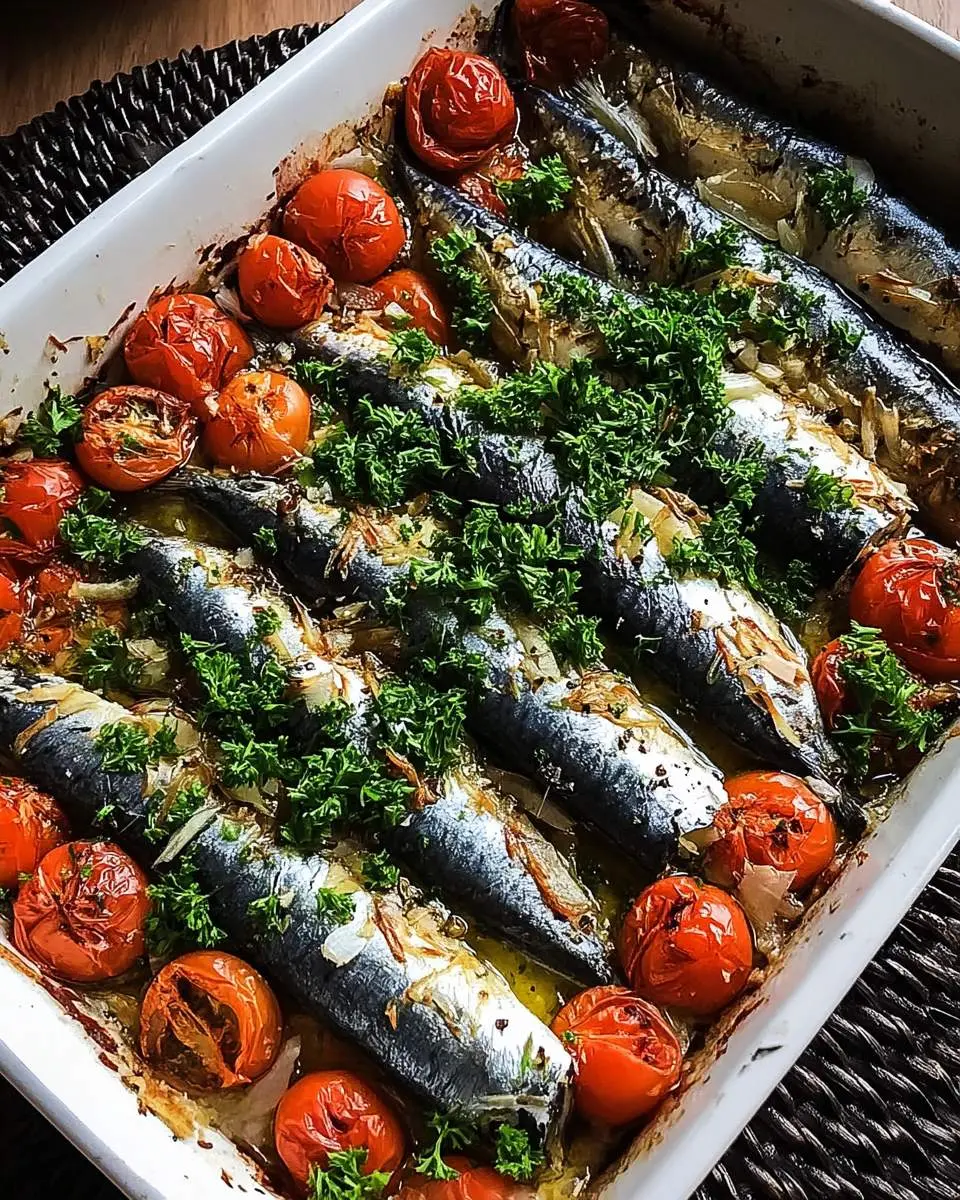
I start by laying the sardines in a single layer in my favorite beaten-up ceramic baking dish, the one with the chipped blue rim. I score each fish lightly with a sharp knife , three quick slashes on each side , so the olive oil and lemon juice can seep into the flesh rather than just sliding off. The garlic gets sliced thin, not minced, because I want it to soften into sweet, mellow slices you can actually eat whole without overwhelming anyone.
Everything gets scattered over the fish: tomatoes that will collapse and make a sauce, olives that will wrinkle and intensify, capers that will burst with salt. The oven does the real work here. Around the twelve-minute mark, I start listening for the telltale sizzle that means the oil is hot enough to crisp the edges. The smell shifts from raw and bright to something deeper, almost meaty, with the oregano turning slightly bitter and complex. I pull them when the flesh flakes but still clings to the bone , that’s the sweet spot between silky and cooked through. If one-pan seafood is your thing, this Mediterranean shrimp skillet has that same hands-off energy.
Pro Tips
Score deeply but don’t cut through: I go about halfway into the flesh. Too shallow and the marinade sits on top; too deep and the fish falls apart when you try to serve it whole.
Let them come to room temperature first: Cold sardines hit a hot oven and seize up, cooking unevenly with rubbery edges and raw centers. Twenty minutes on the counter fixes this completely.
Save the oil: That lemon-garlic-olive oil pooling at the bottom of the dish? It’s liquid gold. I refrigerate it and use it to dress roasted potatoes or drizzle over white beans the next day.
My Secret Trick: I tuck a few thin lemon slices directly under each fish before baking. They caramelize against the hot dish and infuse the flesh from below with a subtle, almost candied citrus note that you don’t get from just squeezing lemon on top.
How to Store Baked Mediterranean Sardines
- Refrigerate in an airtight glass container with any remaining oil poured over the top to prevent drying; keeps for up to 2 days at 40°F or below.
- Do not freeze , the delicate flesh becomes mushy and the bones soften unpleasantly upon thawing.
- Reheat gently in a 300°F oven covered loosely with foil for 8-10 minutes, or eat cold flaked over salad with the reserved oil as dressing.
- Never microwave; it destroys the texture and amplifies any fishiness.
Nutritional Benefits
Baked Mediterranean sardines deliver serious omega-3s from the fish itself , I’m talking EPA and DHA in amounts that rival supplements, but in a form your body actually uses. The olive oil brings its own polyphenols to the party, and together with the lycopene-rich tomatoes, you’re getting a dish that supports heart health without trying too hard or tasting like medicine.
FAQs
Do I need to gut fresh sardines myself?
Most fishmongers will do this for you if you ask , I always do. If you’re cleaning them yourself, make a slit along the belly, remove the innards with your thumb, and rinse under cold water. The spine and small bones soften during baking and become edible.
Can I use canned sardines instead of fresh?
I wouldn’t , they’re already cooked and will turn to mush. This recipe needs raw sardines that can absorb the olive oil and lemon while the flesh firms up in the oven’s dry heat.
What should I serve with baked Mediterranean sardines?
Crusty bread is non-negotiable for soaking up the oil. I also love a simple cucumber salad with dill, or roasted potatoes finished with the same oregano you used on the fish.
How do I know when sardines are done baking?
The flesh should flake easily when you press gently with a fork, but still look slightly translucent at the center. The eyes will turn white and cloudy, and the skin will begin to pull away from the flesh at the slashes.

Baked Mediterranean Sardines
Ingredients
Equipment
Method
- Position a rack in the upper third of your oven and preheat to 450°F. Line a rimmed baking sheet with parchment paper and brush with 1 tablespoon of the olive oil.
- Rinse the sardines and pat completely dry inside and out with paper towels - this is crucial for crispy skin. Lay them in a single layer on the prepared sheet, leaving a little space between each fish. Brush with the remaining 2 tablespoons olive oil and season both sides generously with salt and pepper.
- Scatter the sliced garlic, lemon rounds, oregano, and capers evenly over and around the fish. Sprinkle with red pepper flakes if using. The lemons will caramelize and create a pan sauce as they roast.
- Roast for 14-18 minutes, depending on the size of your sardines, until the skin is blistered and golden in spots and the flesh flakes easily when tested with a fork near the backbone. The garlic should be toasted but not burned.
- Transfer to a platter, spooning the garlicky lemon-caper drippings from the pan over the top. Scatter with fresh parsley and serve immediately with plenty of crusty bread to soak up the juices.
Notes
Conclusion
I used to think sardines were something you hid in tomato sauce or fed to cats. Now baked Mediterranean sardines are my quiet boast , the dish I make when I want people to think I tried harder than I did. Give them a chance to surprise you too. And if you’re ready to keep the seafood momentum going, this broiled pesto salmon has that same minimal-effort, maximum-reward energy I can’t get enough of.