Black Bean Burger
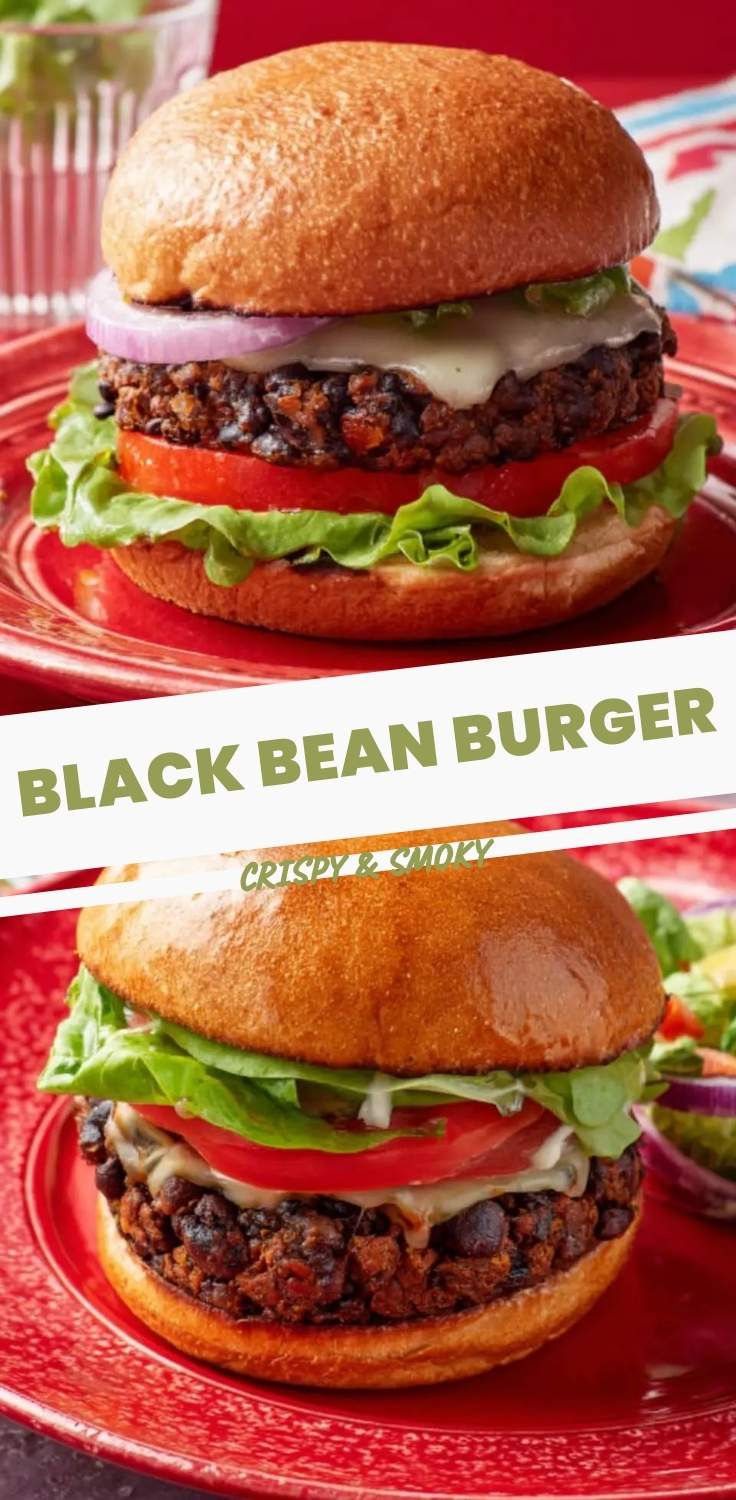
The first time I made a black bean burger, I was skeptical. Really skeptical. I had this vision of a crumbly, sad patty falling apart on the grill while I watched in horror. But something magical happened instead — the kitchen filled with this earthy, cumin-scented warmth, and when I flipped that first patty, it held together like it had something to prove.
My cousin Dave was the one who pushed me to try it. We were at his tiny apartment in Austin, and he pulled out a can of black beans like it was treasure. “Trust me,” he said, mashing them with a fork that had definitely seen better days. That night, sitting on his fire escape with sauce dripping down our wrists, I understood what he meant. Some of the best food doesn’t come from expensive cuts — it comes from patience and the right combination of simple things.
I’ve been tweaking my version ever since, and now it’s the recipe my friends request most. If you’re building out your sandwich rotation, this one deserves a permanent spot alongside classics like my grilled tuna sandwich — they’re both proof that humble ingredients can become something craveable.
What You Need to Make This Recipe
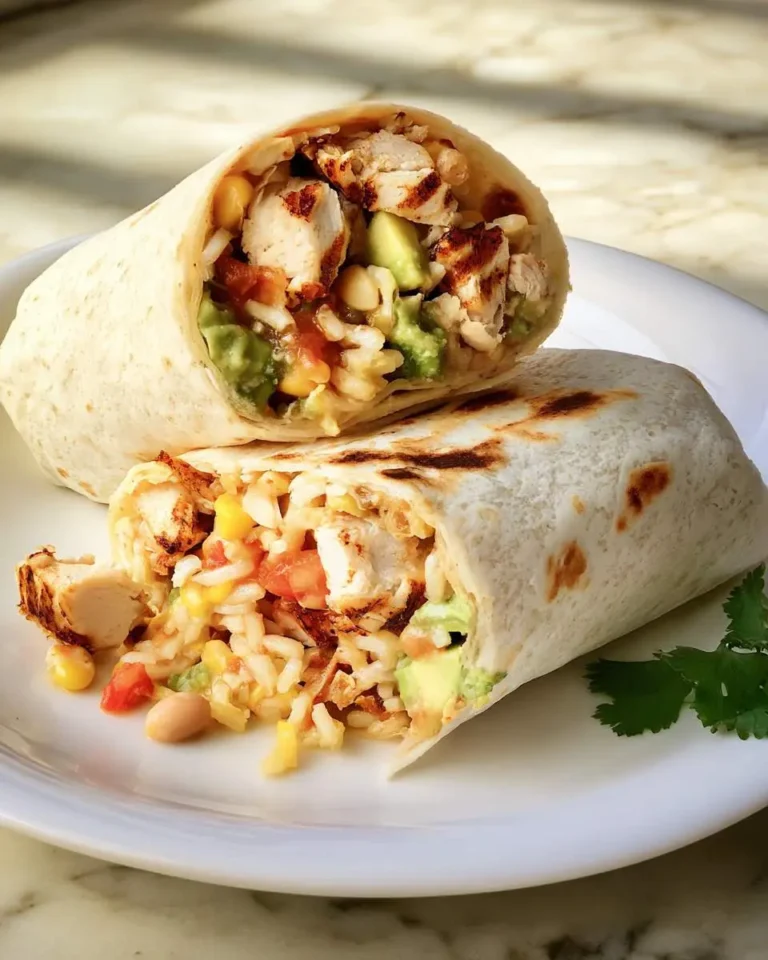
The black beans themselves matter more than you’d think. I use canned for convenience, but I drain and rinse them thoroughly — that starchy liquid will make your patties gummy if you’re not careful. The binder is where people go wrong most often. I use a combination of quick oats and a beaten egg, which creates this sturdy, almost meaty texture without being dry. Fresh cilantro and lime zest at the end wake everything up. For another weeknight favorite that relies on smart ingredient choices, my grilled chicken burritos use a similar principle — build flavor in layers, not all at once.
How to Make Black Bean Burger
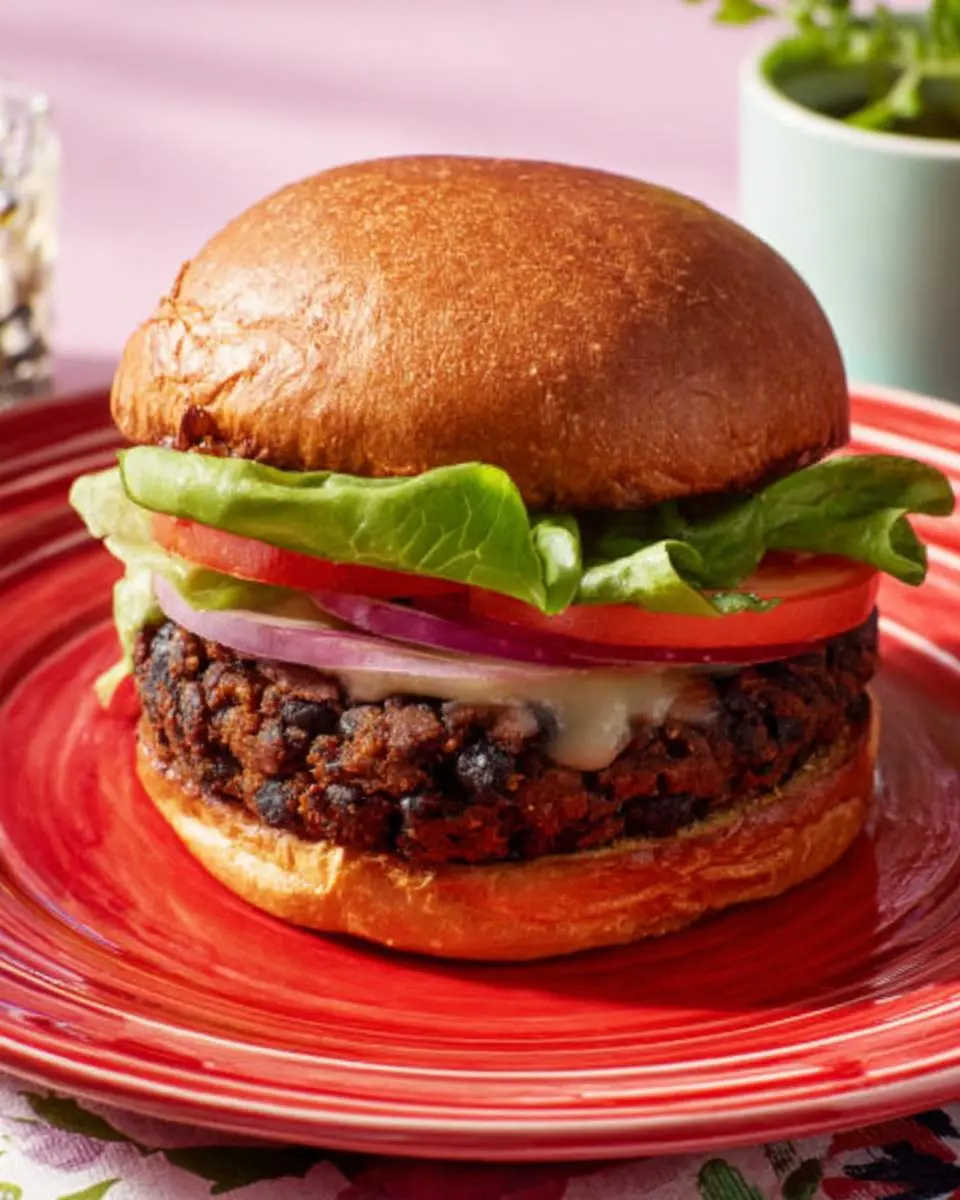
I start by mashing about three-quarters of the beans into a rough paste, leaving the rest partially intact for texture. This is the step that separates decent patties from great ones — you want some creaminess to hold things together, but whole beans that give you something to bite into. The oats go in next, and I let the mixture sit for ten minutes while I chop onion and garlic. That resting period lets the oats absorb moisture, and the mixture transforms from wet and sloppy to something you can actually shape.
Forming the patties is hands-down my favorite part. I make them slightly wider than my buns because they shrink a little, and I press a gentle dimple in the center — old burger trick that keeps them from doming up in the middle. The sizzle when they hit a hot cast-iron skillet is deeply satisfying. I cook them undisturbed for four minutes, and when I flip, there’s this beautiful dark crust that smells like toasted cumin and caramelized onion. If you’re into plant-based grilling, my grilled portobello mushroom burger uses a similar high-heat approach to build that same kind of savory depth.
The final two minutes on the second side are when I add cheese if I’m using it — the residual heat melts it perfectly without overcooking the patty underneath. I let them rest on a wire rack for just a minute before assembling, which keeps the bottom bun from getting soggy.
Pro Tips
Don’t skip the rest time. That ten-minute pause after mixing isn’t optional — it’s when the oats hydrate and the starches in the beans begin to bind. Rush this and your patties will fall apart on the flip.
Toast your buns in the same pan. After the patties come out, I throw the buns cut-side down in that seasoned, slightly oily surface. They pick up all the caramelized bits left behind, and the slight crunch changes the whole eating experience.
Season aggressively. Beans are mild and need help. I taste the raw mixture (just a tiny bit — no egg worries if you’re using pasteurized) and adjust salt and cumin before cooking. You can’t fix bland after the fact.
My Secret Trick: I freeze the formed patties on a parchment-lined baking sheet for twenty minutes before cooking. This firms them up just enough that they hold their shape beautifully, but they’re not frozen solid so they still cook evenly.
How to Store Black Bean Burger
- Refrigerator: Store cooked patties in an airtight container for up to 4 days. Separate layers with parchment paper to prevent sticking.
- Freezer (cooked): Wrap individual patties tightly in plastic wrap, then foil. Freeze up to 2 months. Thaw overnight in refrigerator before reheating.
- Freezer (uncooked): Form patties, freeze on baking sheet until solid, then transfer to freezer bag. Cook directly from frozen, adding 2-3 minutes per side.
- Reheating: Warm in a 350°F oven for 10 minutes, or in a covered skillet with a splash of water over medium-low heat. Microwave works in a pinch but softens the crust.
Nutritional Benefits
A black bean burger delivers serious fiber and plant-based protein without trying too hard — one patty has roughly 12 grams of protein and 8 grams of fiber, which keeps me full through an afternoon of recipe testing. The black beans themselves bring iron and folate, and because I keep the added oil minimal, these stay relatively light while still feeling substantial.
FAQs
Why do my black bean burgers fall apart when I flip them?
Usually the mixture was too wet or didn’t rest long enough. Make sure to drain beans thoroughly and let the oat mixture sit for a full ten minutes before forming patties. A brief freeze before cooking also helps.
Can I make these without eggs?
Absolutely. I use a flax egg — one tablespoon ground flaxseed mixed with three tablespoons water, left to gel for five minutes. The texture is slightly softer but still holds together well.
What toppings work best with these patties?
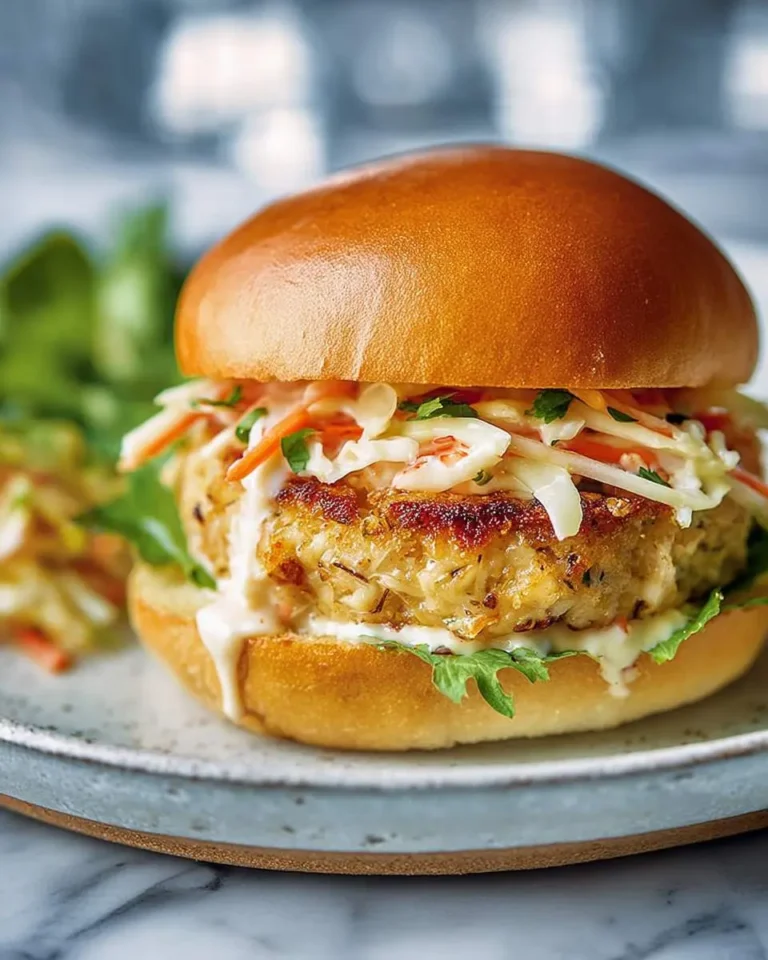
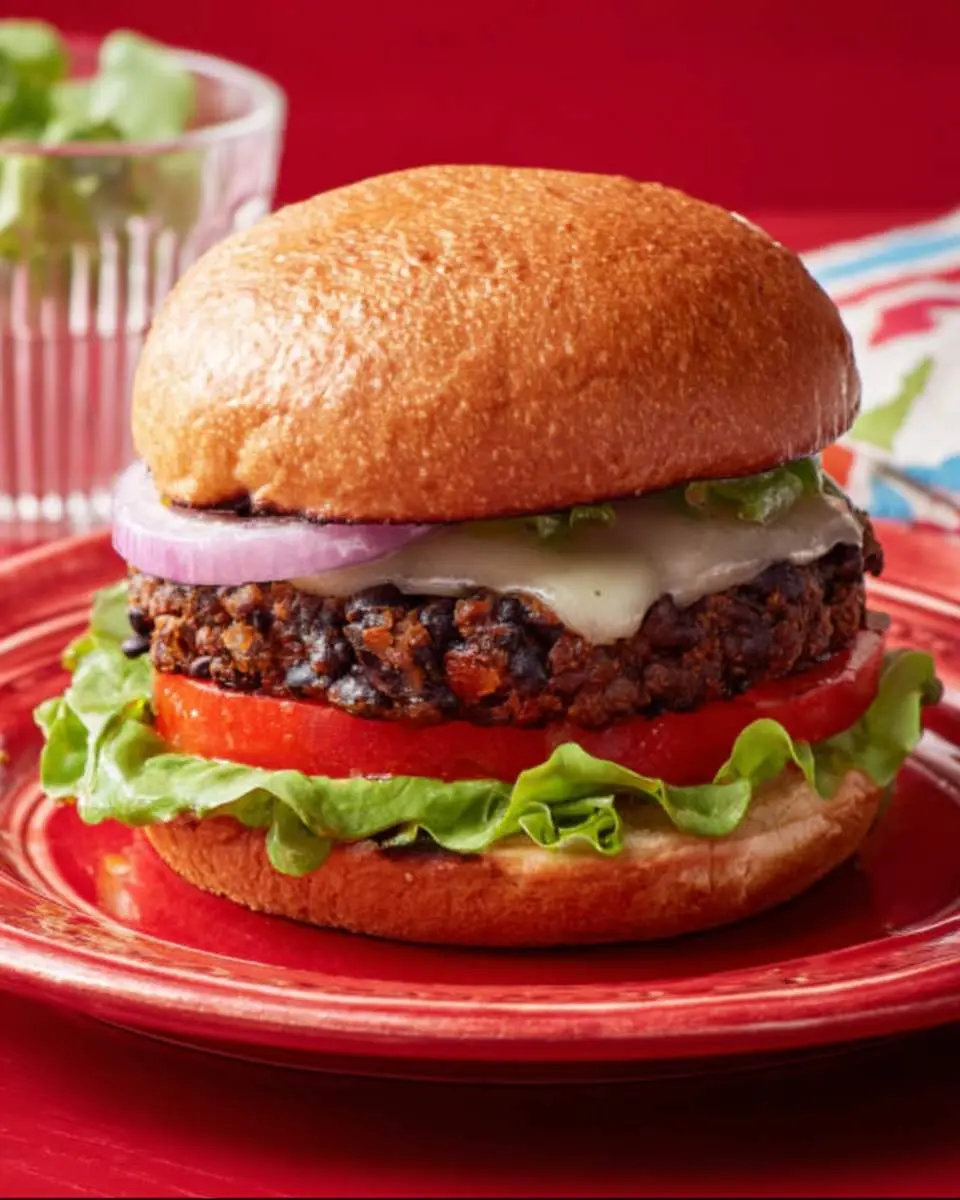
I love avocado and pickled jalapeños for contrast, or smoky chipotle mayo. The earthy beans can handle bold flavors, so don’t be shy. A crunchy slaw on top adds textural balance.
Can I bake these instead of pan-frying?
Yes, though you lose that beautiful crust. Bake at 400°F on a parchment-lined sheet for 12 minutes per side. Brush lightly with oil first to help browning.

Black Bean Burger
Ingredients
Equipment
Method
- Spread the drained black beans on a baking sheet and pat very dry with paper towels. Transfer to a large bowl and mash with a potato masher until mostly broken down but with some chunks remaining for texture. You want a coarse paste, not a smooth puree.
- Add the breadcrumbs, beaten egg, diced bell pepper, onion, garlic, cumin, smoked paprika, hot sauce, salt, and pepper to the mashed beans. Stir until thoroughly combined. The mixture should hold together when squeezed; if too wet, add more breadcrumbs 1 tablespoon at a time.
- Divide the mixture into 4 equal portions and shape into patties about 3/4 inch thick and 4 inches across. Press firmly so they hold together. Place on a plate and refrigerate for 10 minutes while you heat the pan - this helps them firm up and hold their shape.
- Heat the olive oil in a large nonstick skillet over medium heat until shimmering. Carefully add the patties and cook undisturbed for 4 to 5 minutes until a deep golden crust forms on the bottom. Flip gently and cook another 4 to 5 minutes until the second side is crisp and the patties are heated through.
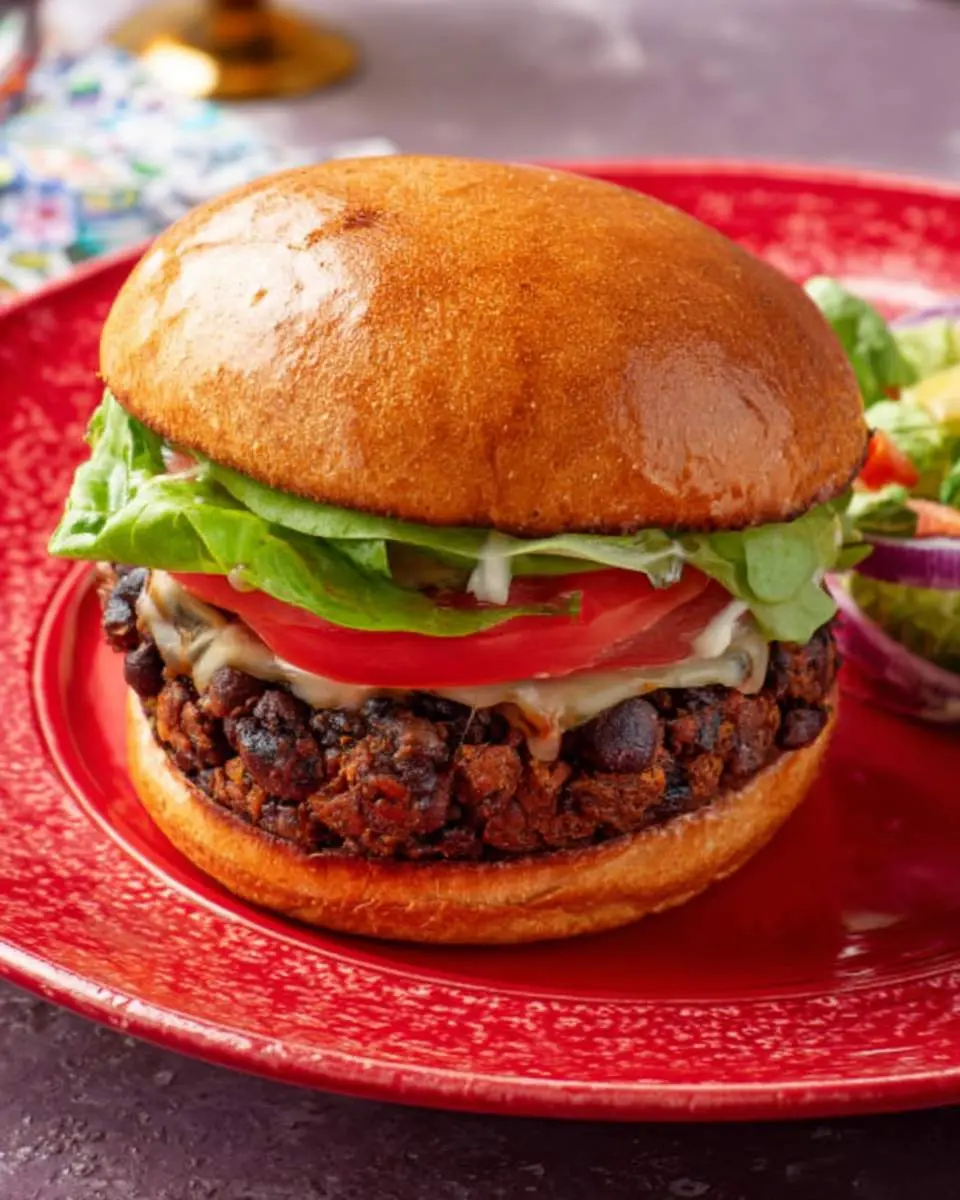
- Transfer the cooked patties to a plate and let rest for 2 minutes - this helps them set so they don't fall apart. Serve on toasted buns with your favorite toppings.
Notes
Conclusion
This black bean burger recipe has earned its place in my regular rotation not because it’s healthy or trendy, but because it’s genuinely delicious — the kind of thing I crave on a Tuesday night when I want something satisfying without much fuss. If you’re exploring more plant-based sandwiches, my BBQ jackfruit sandwich takes a similar approach to building big flavor from humble beginnings. Give these a try, and let me know how they turn out.