Carbonara
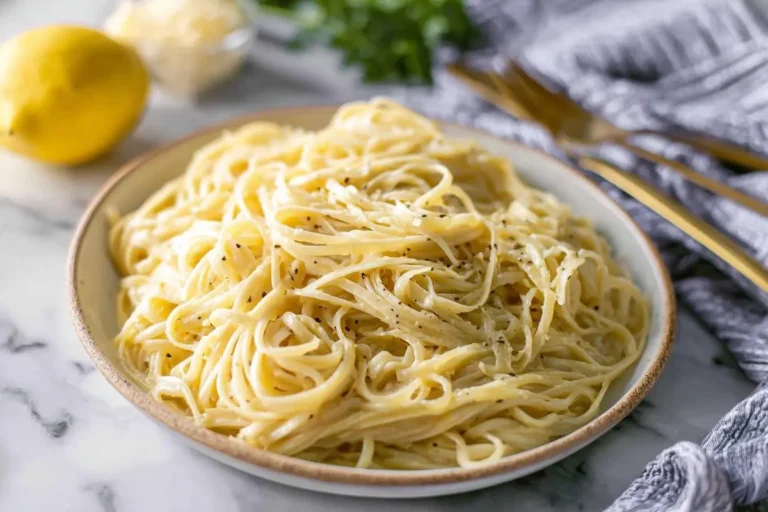
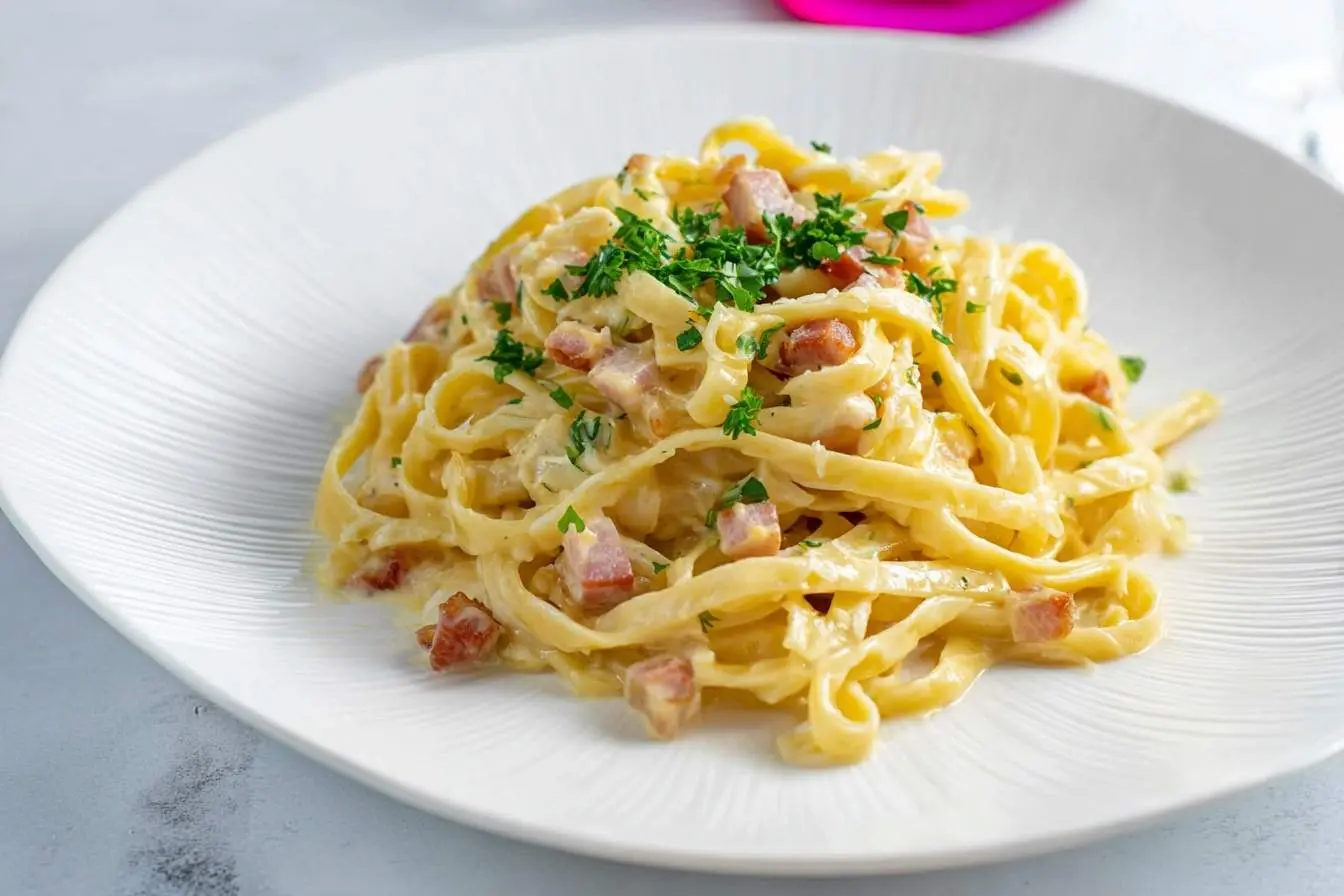
I’ll never forget my first taste of true Carbonara in a tiny Roman trattoria. The aroma of sharp Pecorino and peppery guanciale filled the air. It was a revelation—a silky, rich sauce coating perfect spaghetti, nothing like the heavy, cream-filled versions I knew. It wasn’t a baked casserole like my popular million-dollar spaghetti, but a masterpiece of simplicity. That memory is what I channeled directly into this authentic recipe, and I’m so excited to share it with you.
Why This Dish is a Go-To in My Kitchen
This Authentic Roman Carbonara is elegance in its simplest form. With just 10 minutes of prep time and 15 minutes of cooking, I can create a truly spectacular meal in under half an hour. It’s my go-to because it relies on the quality of a few key ingredients—crispy guanciale, sharp Pecorino Romano, and rich egg yolks—to build an incredible depth of flavor. It proves that you don’t need a long list of ingredients for a show-stopping pasta dish.
Ingredient Notes for Authentic Roman Carbonara
For this recipe, guanciale is non-negotiable for me; its rendered fat is the soul of the sauce. Please don’t substitute it with bacon. Equally important is using real Pecorino Romano cheese for its distinctly sharp, salty flavor that is worlds away from Parmesan, creating other bold Italian drunken noodles.


Authentic Roman Carbonara
Ingredients
Equipment
Method
- In a medium bowl, whisk together the 4 egg yolks, 1 whole egg, the finely grated Pecorino Romano, and a generous amount of coarsely ground black pepper. Mix until it forms a thick, smooth, golden paste. Set aside.
- Place the cubed guanciale in a large, cold sauté pan or skillet. Turn the heat to medium-low and let the fat render out slowly. Cook for 10-12 minutes, stirring occasionally, until the guanciale is golden brown and crispy. Turn off the heat and let the pan cool slightly.
- While the guanciale is rendering, bring a large pot of water to a rolling boil. Salt the water generously (it should taste like the sea). Add the pasta and cook according to package directions until al dente (firm to the bite).
- Just before draining the pasta, reserve at least 1 cup of the starchy pasta water.
- Using tongs, transfer the cooked pasta directly from the pot to the skillet with the rendered guanciale and its fat. Ensure the pan is OFF THE HEAT. Toss the pasta vigorously to coat it completely in the flavorful fat.
- Pour the egg and cheese mixture over the pasta. Immediately begin tossing everything together quickly and continuously. The residual heat from the pasta and the pan will cook the eggs gently, creating a creamy sauce.
- Add a splash (about 1/4 cup) of the reserved hot pasta water and continue to toss. The starch in the water will help emulsify the fat and egg, preventing it from scrambling and creating the signature creamy texture. Add more pasta water, a tablespoon at a time, until the sauce reaches your desired consistency. It should be creamy and glossy, not watery or clumpy.
- Serve the carbonara immediately in warm bowls. Garnish with another sprinkle of Pecorino Romano and a final grind of black pepper. Enjoy straight away.
Notes
Pasta Water is Liquid Gold: Don't forget to reserve at least a cup of the starchy pasta water. It's essential for emulsifying the sauce and achieving the perfect consistency.
Guanciale vs. Pancetta: For the most authentic flavor, use guanciale (cured pork jowl). If you can't find it, thick-cut, unsmoked pancetta is the next best choice.
Serving: Carbonara is best enjoyed immediately after it's made. It does not reheat well as the sauce can break.
Bringing It All Together in My Kitchen
I start by crisping the guanciale until it’s beautifully golden while my pasta cooks. While that’s happening, I whisk the eggs, Pecorino, and pepper into a paste. The real magic happens off the heat. I drain the pasta, reserving some water, and toss it with the guanciale fat. Then, I quickly mix in the egg mixture and a splash of pasta water to create a flawless, creamy sauce. Unlike a slow-simmered bolognese pasta, this comes together in moments.

My Tips for the Perfect Outcome
- Use guanciale. Its unique flavor is the foundation of the dish.
- Temper the egg mixture with a little hot pasta water before combining.
- Always mix the sauce and pasta off the heat to prevent scrambling.
- Be generous with fresh, coarsely ground black pepper.
How I Serve and Store This Dish
I always serve Carbonara immediately in pre-warmed bowls, topped with an extra sprinkle of Pecorino Romano and another grind of black pepper. Honestly, this dish is best enjoyed fresh, as leftovers tend to lose their signature silky texture. The sauce simply doesn’t reheat well. If you absolutely must save it, store it in an airtight container in the fridge for one day and know that the consistency will change upon reheating.
Can I use bacon instead of guanciale for carbonara?
You can, but it won’t be authentic Roman carbonara. Guanciale (cured pork jowl) has a unique, intense flavor and renders fat differently, which is crucial for the sauce. Pancetta is a closer substitute, but I always recommend sourcing guanciale for the true experience.
Why did my carbonara eggs scramble?
This usually happens if the pan is too hot when you combine the pasta and egg mixture. It’s essential to take the pan completely off the heat. The residual heat from the pasta and a little hot pasta water is all you need.
Is there cream in authentic carbonara?
No, never! The beautiful, creamy texture comes from the emulsification of the egg yolks, rendered fat from the guanciale, starchy pasta water, and Pecorino Romano cheese. Adding cream is a common mistake that masks the authentic, rich flavors of the dish.
What kind of pasta is best for carbonara?
I love using spaghetti or rigatoni, as listed in my recipe. Spaghetti allows the sauce to coat every strand beautifully, while the ridges on rigatoni are perfect for catching the bits of guanciale and the rich sauce. Both are fantastic choices.
This Authentic Roman Carbonara holds a special place in my heart, and I hope it brings joy to your table. It’s proof that simple can be stunning, much like a classic chicken fettuccine alfredo. If you try this recipe, I’d absolutely love to hear what you think in the comments below!