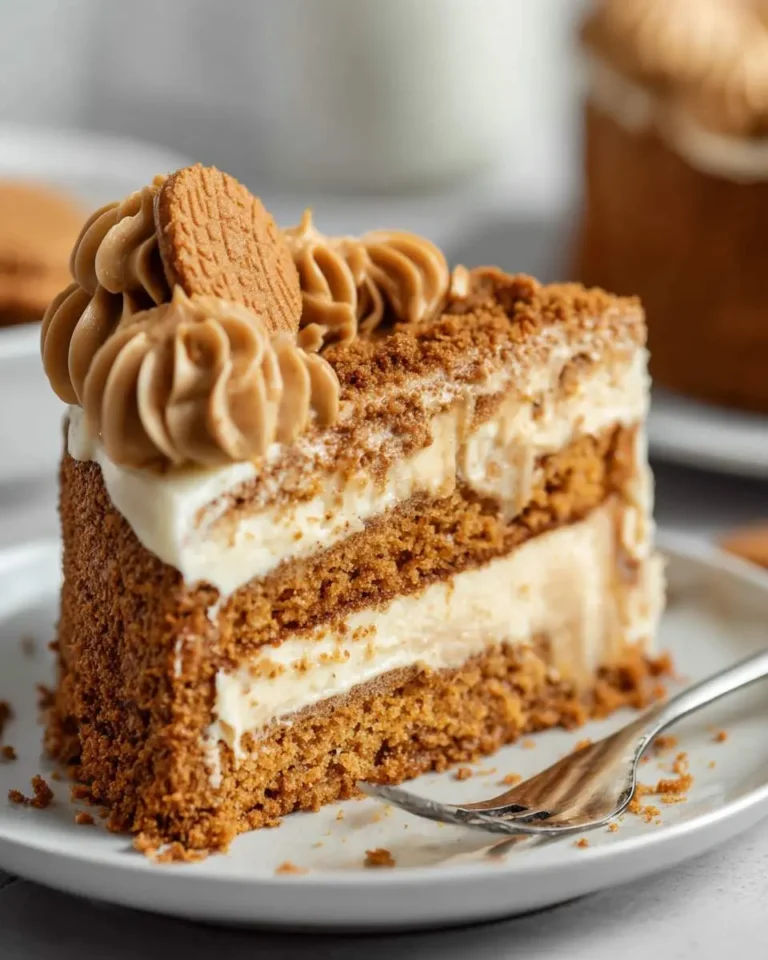
cashew ice cream
The first spoonful stopped me mid-conversation. I was hosting a small dinner party last summer, and I’d set out this pale, creamy scoop alongside grilled peaches. My friend took a bite, looked at me, and just said, “Wait, what is this?” That was the moment I knew my cashew ice cream had done its job.
I’d been chasing that texture for months. Dairy-free ice creams always let me down — too icy, too coconut-heavy, too something. Then I remembered the raw cashews sitting in my pantry from a failed attempt at vegan cheese. Something about their fat content, their subtle sweetness, made me wonder. That night in my kitchen, I soaked them longer than planned, blended them until my Vitamix practically purred, and held my breath as the churner did its work.
What emerged changed how I think about frozen desserts entirely. If you’ve been searching for that perfect creamy base, you might also love my coconut milk ice cream — though fair warning, this cashew version might ruin you for all others.
What You Need to Make This Recipe
The magic starts with raw cashews, not roasted, not salted — just plain, pale, and willing to transform. Soaking them overnight is non-negotiable; they need to surrender completely to the blender, becoming silk rather than grit. I use full-fat coconut milk alongside, not for flavor but for that essential fat structure that keeps scoops pliable straight from the freezer. A touch of maple syrup brings complexity that white sugar simply can’t, and a whisper of vanilla ties everything together. For another stone fruit pairing that works beautifully with this base, try my peach ice cream — the techniques overlap more than you’d expect.

How to Make cashew ice cream
I start the night before, measuring cashews into a bowl and covering them with cool water. By morning they’ve plumped and softened, ready to drain and rinse. Into the blender they go with coconut milk, maple syrup, vanilla, and a pinch of salt — the salt matters more than you’d think, waking up all the other flavors. The blending takes patience: two full minutes, scraping down twice, until the mixture runs like heavy cream between my fingers. I taste here, always, adjusting sweetness while the base is still fluid.
The churn happens in my frozen bowl, the motor straining slightly at first as the thick liquid catches. Then something shifts — the sound changes, becomes lighter, and I see the first soft-serve ribbons forming against the sides. Twenty-five minutes, usually, until I have something that holds a spoon upright. The hardest part comes next: transferring to a loaf pan, smoothing the top, pressing parchment directly against the surface to banish ice crystals, and walking away for four hours minimum. If you’re curious about how nuts behave differently in frozen desserts, my pistachio ice cream taught me volumes about fat content and texture.
Pro Tips
Soak longer than you think. Four hours works in a pinch, but eight to twelve hours yields cashews so tender they blend to absolute velvet. The difference between good and transcendent cashew ice cream lives in this step.
Chill your base before churning. I blend in the morning, refrigerate all day, churn after dinner. A warm base forces your machine to work harder, incorporating air unevenly and leaving you with dense, heavy results.
Use a shallow container for freezing. Deep tubs mean longer freezing times and uneven texture. A standard loaf pan gives you the ideal surface area for quick, consistent hardening.
My Secret Trick: I add one tablespoon of vodka to the base before churning. It doesn’t freeze, so it keeps the final texture scoopable even after days in the coldest corner of my freezer. No alcohol taste remains, just pure, yielding creaminess.

How to Store cashew ice cream
- Freeze in an airtight container with parchment pressed directly onto the surface to prevent ice crystal formation
- Store at 0°F (-18°C) or below for optimal texture preservation
- Best consumed within 2 weeks; flavor remains good for 1 month but texture gradually degrades
- Soften at room temperature for 10-15 minutes before scooping for best results
- Do not refreeze after softening; repeated temperature changes create unwanted crystallization
Nutritional Benefits
Unlike dairy-based versions, this cashew ice cream delivers meaningful nutrition alongside its indulgence. Raw cashews contribute heart-healthy monounsaturated fats and a surprising amount of copper, which supports energy production and immune function. The maple syrup, while still a sweetener, brings trace minerals like manganese and zinc that refined sugar simply cannot offer.

FAQs
Can I use roasted cashews instead of raw?
Roasted cashews introduce a toasted, slightly bitter flavor that overwhelms the delicate base. They also contain less moisture, making them harder to blend smooth. Raw is essential for the pure, creamy result you’re after.
Why is my cashew ice cream icy instead of creamy?
Incomplete blending is the usual culprit. Your high-speed blender needs sufficient time to completely break down the cashews. Also ensure your base was thoroughly chilled before churning — warmth creates larger ice crystals.
Can I make this without an ice cream maker?
Yes, though texture suffers slightly. Freeze the blended base in a shallow pan, stirring vigorously with a fork every 30 minutes for 3-4 hours to break up ice crystals. It won’t be quite as smooth, but still delicious.
What can I mix into the base?
Fold in additions during the last two minutes of churning. I’ve had success with dark chocolate chunks, swirls of date caramel, and crushed candied ginger. Add-ins work beautifully in this neutral, buttery base.


Cashew Ice Cream
Ingredients
Equipment
Method
- Cover cashews with water and soak at room temperature for at least 4 hours or overnight. Drain and rinse thoroughly. If short on time, cover with boiling water and soak 30 minutes.
- In a high-speed blender, combine drained cashews, coconut cream (the solid white layer from the chilled can), water, maple syrup, vanilla, and salt. Blend on high for 2-3 minutes until completely smooth and silky, scraping down sides as needed. With blender running on low, drizzle in melted coconut oil and blend 30 seconds more.
- Transfer base to a bowl and refrigerate for at least 2 hours until very cold, preferably overnight. A cold base churns smoother with less ice crystals.
- Pour cold base into ice cream maker and churn according to manufacturer's instructions, typically 20-25 minutes, until thick and the consistency of soft-serve. It should hold its shape when scooped.
- Transfer to a loaf pan or airtight container, press plastic wrap directly onto surface to prevent ice crystals, and freeze at least 4 hours until scoopable. Let sit at room temperature 5-10 minutes before serving for best texture.
Notes
Conclusion
This cashew ice cream has earned permanent rotation in my freezer. It satisfies the craving for something cold and creamy without the dairy heaviness that used to sit in my stomach. For another nut-forward frozen treat that surprises people every time, try my peanut butter ice cream — though I suspect you’ll find yourself coming back to this one.