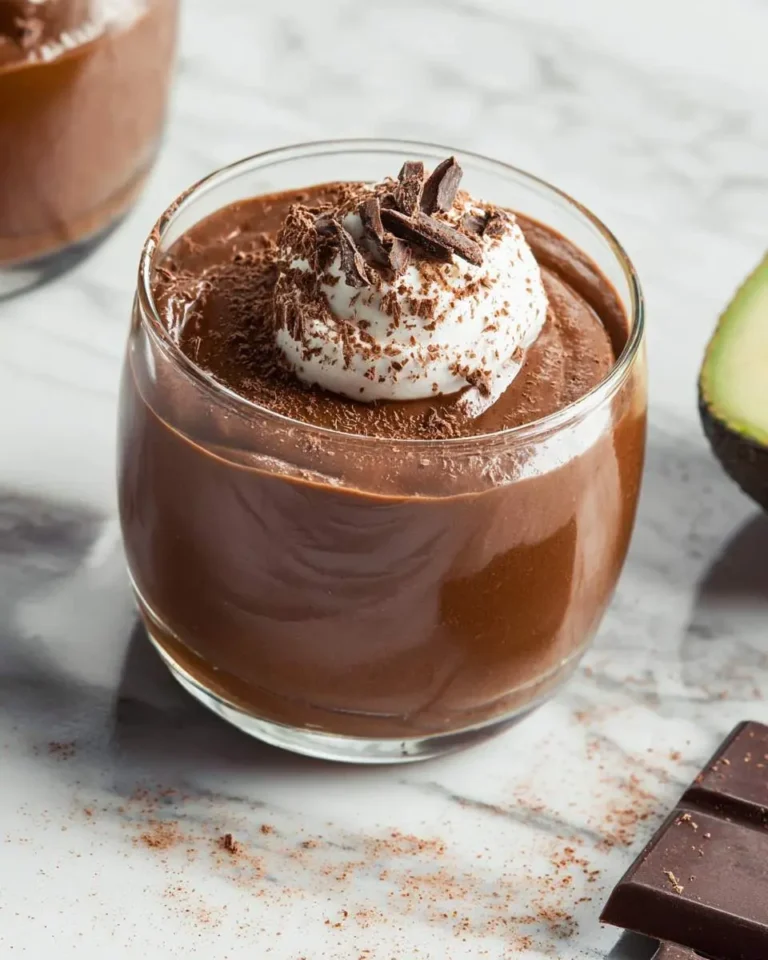
orange almond cake
The first time I smelled oranges and almonds baking together, I was standing in my grandmother’s kitchen in Florida. She had this habit of boiling whole oranges until they fell apart, then folding them into batter that smelled like sunshine and comfort. That memory came flooding back last weekend when I decided to make an orange almond cake for no reason other than I needed something that felt like home.
I had been staring at a bowl of neglected navels on my counter for days, watching them grow softer and more fragrant. Instead of tossing them, I remembered how Nonna never wasted anything. She taught me that the best cakes come from ingredients that have lived a little, that have developed character. Those tired oranges were exactly what this cake needed.
What I love most about this recipe is how it transforms simple things into something that feels special without being fussy. If you are working with dietary restrictions, you might also enjoy my gluten-free carrot cake — it has that same rustic, unpretentious quality.
What You Need to Make This Recipe
The magic here starts with whole oranges boiled until tender, then pureed completely — pith, peel, and all. This gives the orange almond cake its intense, almost marmalade-like depth that extract simply cannot replicate. I use almond flour for structure and that delicate crumb that stays moist for days, plus a handful of sliced almonds pressed into the top that toast to golden perfection while baking. For those avoiding eggs and dairy entirely, my vegan chocolate cake uses similar techniques for richness without compromise.

How to Make orange almond cake
I start by covering two whole oranges with water and letting them simmer for nearly an hour, until a knife slides through like butter. The kitchen fills with this bright, slightly bitter citrus steam that clings to your clothes. Once cooled, I blend them completely — the transformation from rough peel to silky puree still surprises me every time.
The batter comes together quickly after that. I beat eggs and sugar until pale and thick, then fold in the orange puree, almond flour, and just enough baking powder to give it lift. The mixture feels heavier than wheat-based batters, more substantial, and it bakes into something between cake and torte. I pour it into a springform pan, scatter sliced almonds across the top, and slide it into a moderate oven where it slowly turns golden and fragrant. After about fifty minutes, the center springs back when touched, and the almonds have toasted to this perfect nutty crunch. I let it cool in the pan completely — patience here rewards you with clean slices later.
This method reminds me of my classic almond cake, though the orange version demands a bit more attention to moisture balance.
Pro Tips
Use thin-skinned oranges if you can find them. Thick naval peels can turn bitter even after boiling, while thinner varieties like Valencia or blood oranges break down sweeter and more tender. I learned this the hard way with a batch that tasted faintly of furniture polish.
Don’t rush the cooling. Almond-based cakes are fragile when warm and will crumble if cut too soon. I make this the day before I need it now — the texture actually improves overnight as the flavors meld.
My Secret Trick: I save a few tablespoons of the orange cooking liquid and brush it over the warm cake before it cools. This creates an impossibly moist crumb and intensifies that fresh orange flavor without making anything soggy.
Grind your own almond flour if possible. Store-bought is fine, but freshly ground from blanched almonds gives a lighter texture and cleaner flavor. I pulse mine in the food processor until it resembles fine cornmeal, stopping before it turns to paste.

How to Store orange almond cake
- Wrap completely cooled cake tightly in plastic wrap and store at room temperature for up to 3 days — the almond flour keeps it moist longer than wheat cakes
- Refrigerate for up to 1 week if your kitchen runs warm, but bring to room temperature before serving for best texture and flavor
- Freeze individual slices wrapped in plastic then foil for up to 3 months; thaw overnight in the refrigerator
- Refresh refrigerated or frozen cake by warming slices in a 300°F oven for 8-10 minutes, or microwave 15-20 seconds
Nutritional Benefits
This orange almond cake offers more than indulgence — the almond flour provides protein and healthy fats that keep you satisfied longer than traditional cakes, while the whole oranges deliver genuine vitamin C and fiber from the peel that you would never get from juice alone. I appreciate that I can serve this to friends with gluten sensitivities without announcing it as something compromised or alternative.

FAQs
Can I make this cake without boiling the oranges?
You could use orange zest and juice, but you would lose the signature moist, dense texture and complex bitter-sweet flavor that makes this cake distinctive. The boiled whole orange method is worth the extra hour.
Why did my cake sink in the middle?
Almond flour cakes are naturally heavier and need adequate leavening and proper oven temperature. Check that your baking powder is fresh, and avoid opening the oven door during the first 40 minutes of baking.
Can I substitute almond flour with all-purpose flour?
This would require significant adjustments to liquid and fat ratios. The orange almond cake relies on almond flour’s fat content and absence of gluten for its particular character — substitution would create an entirely different dessert.
Is this cake suitable for Passover?
Yes, this naturally gluten-free cake contains no chametz ingredients and works beautifully for Passover when made with kosher-for-Passover almond flour and baking powder. Many families now include it in their holiday traditions.


Orange Almond Cake
Ingredients
Equipment
Method
- Place whole oranges in a pot, cover with water, and bring to a boil. Reduce heat and simmer for 30 minutes until very soft when pierced. Drain and cool completely. Cut in half, remove any seeds, and process the entire fruit - peel and all - in a food processor until smooth. You need 1.5 cups of puree; set aside to cool.
- Preheat oven to 350F. Grease a 9-inch springform pan and line the bottom with parchment paper. Grease the parchment too.
- In a large bowl, beat eggs and sugar with an electric mixer on high speed for 5-7 minutes until thick, pale, and tripled in volume. The ribbon should hold for 3 seconds when the beaters are lifted.
- Gently fold in the cooled orange puree. Sift almond flour, baking powder, and salt over the batter and fold until just combined - do not overmix or you'll deflate the eggs. The batter will be thick and fragrant.
- Pour into prepared pan and smooth the top. Bake 50-55 minutes until deep golden and a toothpick inserted in the center comes out clean. The cake will spring back when lightly pressed. Cool in pan 15 minutes, then run a knife around the edge and release the sides. Cool completely on a wire rack.
- Whisk powdered sugar, orange juice, and zest until smooth and pourable. Adjust consistency with more juice if needed - it should coat the back of a spoon.
- Place cooled cake on a serving plate. Pour glaze over the top, letting it drip down the sides. Scatter with toasted almonds if using. Let glaze set 30 minutes before slicing. Serve with mascarpone or yogurt alongside.
Notes
Conclusion
I hope this orange almond cake finds its way into your kitchen soon, maybe on an ordinary Tuesday when you need something extraordinary. It has become my signature bring-along for gatherings, the cake people request by name. For another citrus-forward favorite, try my bright lemon cake — it shares that same sunny spirit.