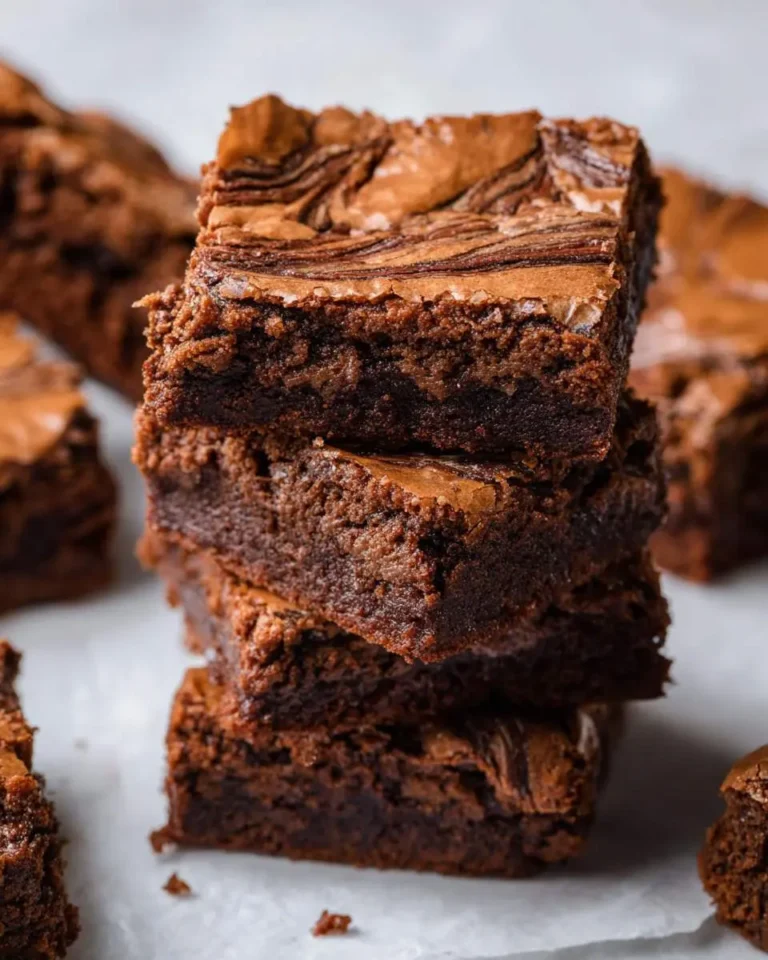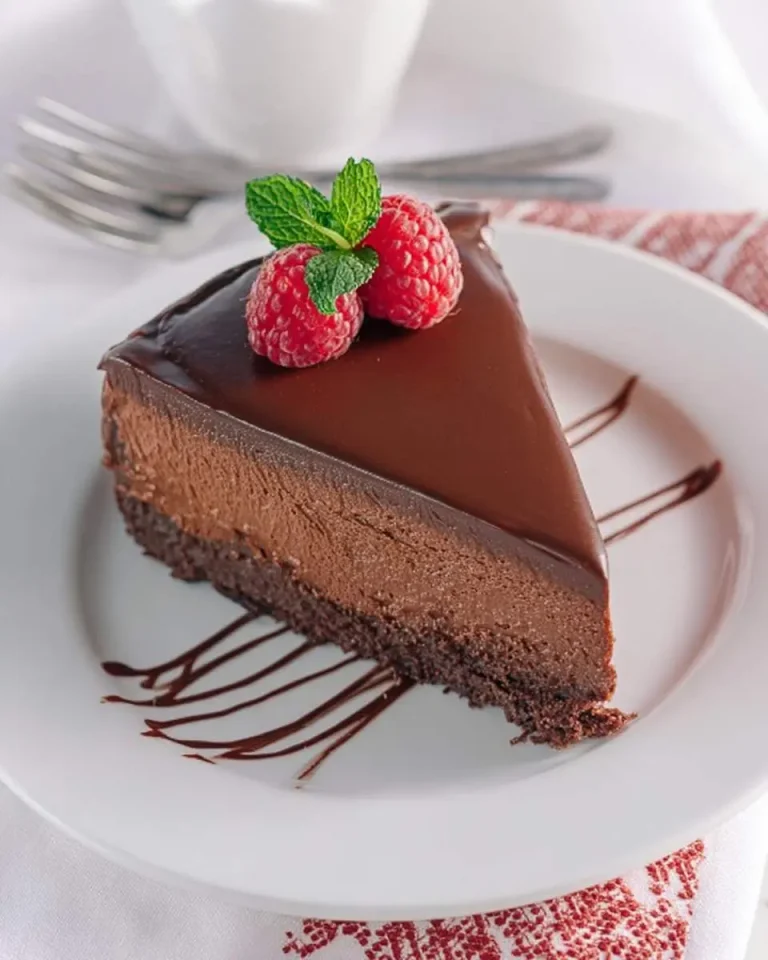
chocolate mousse
The first spoonful always stops conversation. That silken collapse against your tongue, the way chocolate unfurls like velvet ribbon — this is why I keep coming back to chocolate mousse. No frosting, no crust, no distraction. Just pure, barely-set chocolate that somehow tastes more like itself than a bar ever could.
My grandmother made this every Christmas Eve, though she called it “chocolate fluff” and refused to write anything down. I stood on a step stool at eleven, watching her fold egg whites with a flat wooden spoon, the bowl nestled in a towel against her hip. She never measured. I do now, but I still use her spoon.
What I love most is the restraint. Four ingredients, no flour, no gelatin, no shortcuts. If you are craving something similarly elegant but with a savory twist, I still dream about these goat cheese puddings I made last spring — same philosophy, different craving.
What You Need to Make This Recipe
Good chocolate mousse demands chocolate that actually tastes like something. I use 70% dark with visible cacao butter sheen — the cheap stuff seizes and turns grainy. Heavy cream must be cold enough to whip properly, straight from the back of the fridge where it lives. And eggs: room temperature whites whip higher, but I separate them cold when the yolks hold their shape better. For another creamy chocolate fix that skips the eggs entirely, this chocolate peanut butter chia seed pudding has become my weekday breakfast.
How to Make chocolate mousse
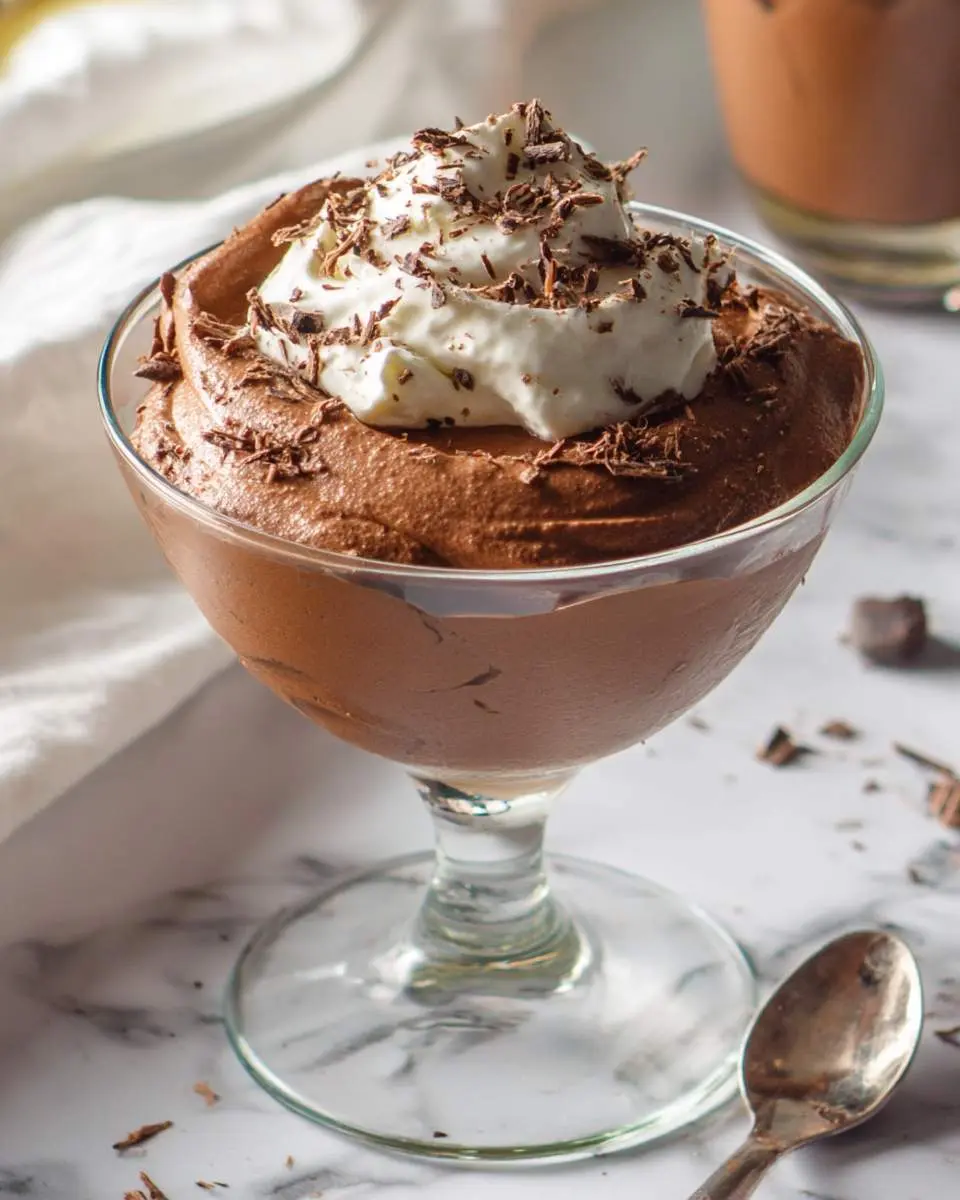
I start with the chocolate, melted gently with a splash of cream until it flows like lava. The smell fills the kitchen — warm, slightly bitter, impossible to ignore. While it cools to barely warm, I whip the remaining cream to soft peaks that hold their shape but still slump a little. Then the egg whites, beaten with a pinch of salt until they turn glossy and hold stiff peaks that stand straight when I lift the whisk.
The folding is where patience lives. I lighten the chocolate first with a scoop of whites, stirring firmly to loosen it. Then the rest get folded in gently, turning the bowl a quarter-turn each stroke, watching streaks disappear until the color evens out. It feels like breathing — slow, rhythmic, almost meditative.
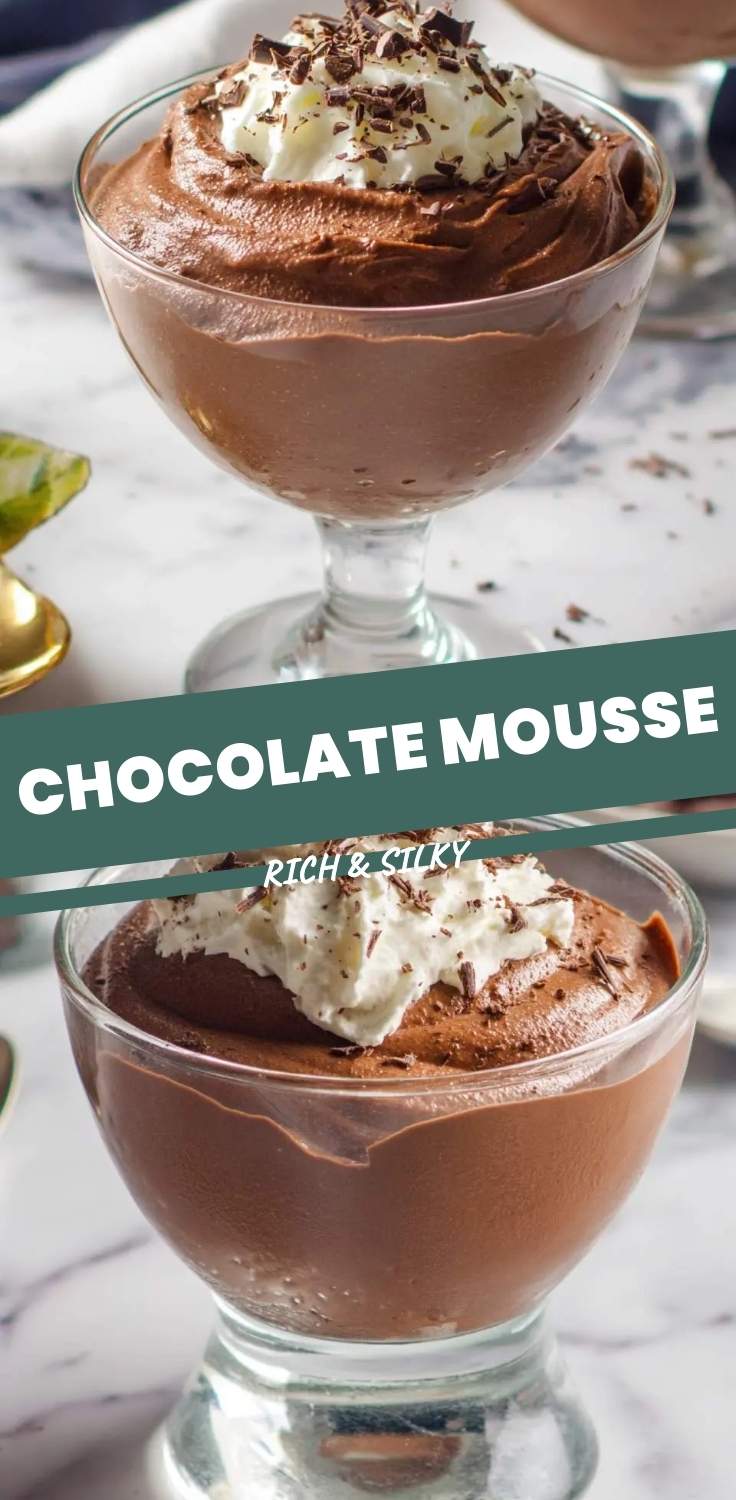
Into small glasses, because this is rich enough that four ounces satisfies completely. The refrigerator does the rest, transforming the mixture into something that holds its shape but yields instantly to a spoon. If you prefer a set custard texture, my chocolate pudding uses cornstarch for that familiar school-lunch comfort.
Pro Tips
Use a metal bowl for whipping whites. Plastic holds invisible grease that deflates everything. I wipe mine with vinegar first if I am unsure.
Fold, don’t stir. Aggressive mixing knocks out the air you just worked to capture. I use a rubber spatula, cutting through the center and turning the bowl like a slow planet.
Chill the serving glasses first. Cold glass sets the mousse faster, preserving that airy structure before gravity can compress it.
My Secret Trick: I add one tiny drop of espresso powder to the melting chocolate — not enough to taste coffee, just enough to make the chocolate taste more like chocolate. It is the difference between good and why-is-this-so-good.
How to Store chocolate mousse
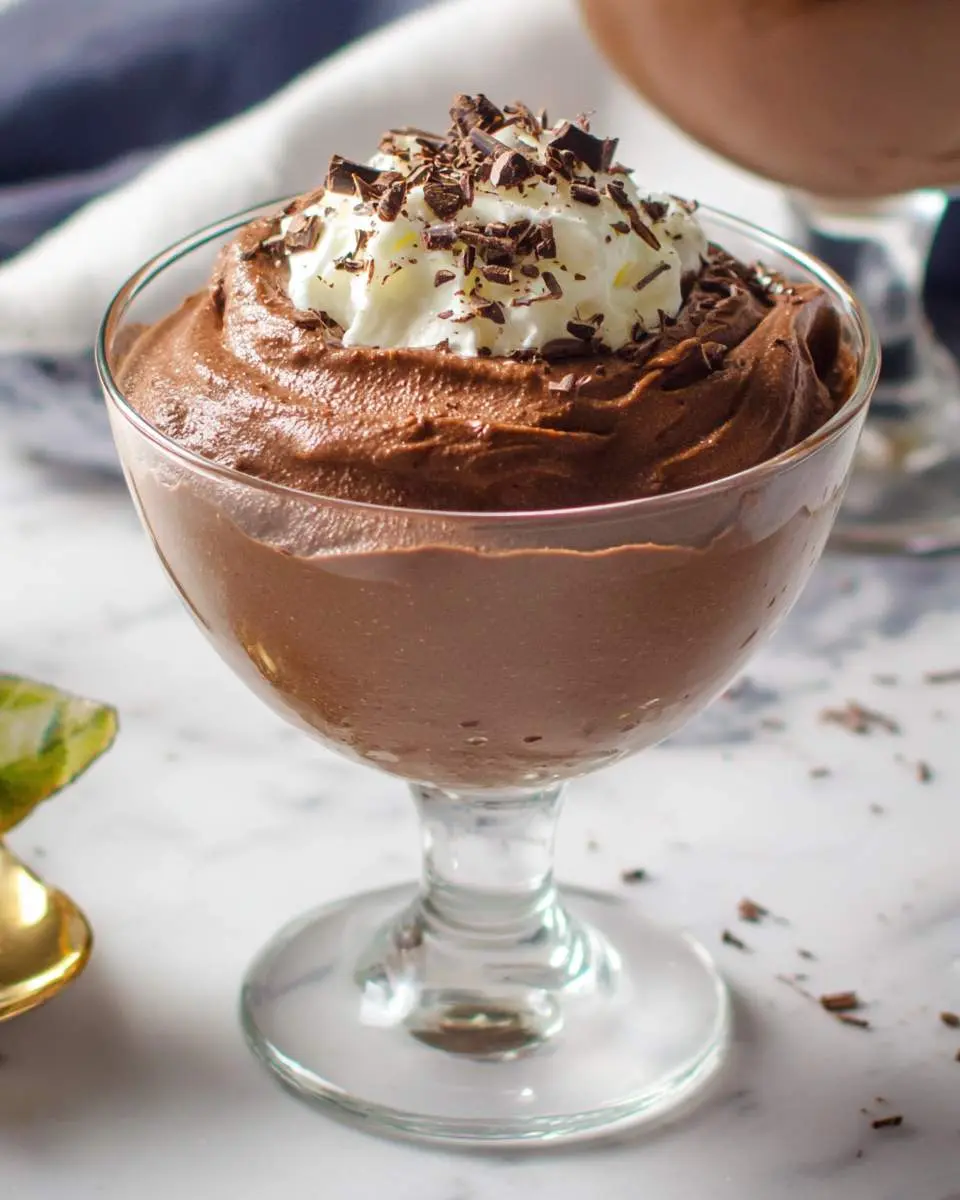
- Refrigerate covered with plastic wrap pressed directly against the surface for up to 3 days — this prevents the skin that ruins the texture
- Freeze individual portions in airtight containers for up to 1 month; thaw overnight in the refrigerator, never at room temperature
- Do not reheat — this is a cold dessert, and warmth destroys the whipped structure entirely
- Store whipped cream garnish separately and add just before serving
Nutritional Benefits
Dark chocolate brings actual value to this chocolate mousse — the 70% I use contains flavanols that support circulation, plus a surprising amount of iron and magnesium. The egg whites contribute clean protein without the fat of yolks, making this richer dessert more balanced than it tastes. I never eat it for health, but I do not feel absurd enjoying it either.
FAQs
Why did my mousse turn grainy?
The chocolate seized from moisture or overheating. Melt slowly, stir constantly, and ensure no water touches the bowl. Even a drop from steam condensation ruins the smooth texture.
Can I make this without raw eggs?
Pasteurized eggs work safely, or use whipped aquafaba for a vegan version. The texture differs slightly — less rich, more marshmallowy — but still delicious.
How do I know when the egg whites are stiff enough?
Lift the whisk straight up. Peaks should stand firmly without curling. Over-whipped whites look dry and clumpy; they will not fold in smoothly.
Can I use milk chocolate instead of dark?
Yes, but reduce or eliminate the sugar. Milk chocolate mousse ends up cloyingly sweet otherwise, and the lighter color looks less dramatic in the glass.

Classic Chocolate Mousse
Ingredients
Equipment
Method
- Set up a double boiler with simmering water. Combine chocolate and butter in the bowl and melt, stirring occasionally, until smooth and glossy. Remove from heat and let cool slightly, about 5 minutes. The mixture should be warm but not hot to touch.
- In a separate bowl, whisk egg yolks with 1 tablespoon sugar until pale and thick, about 2 minutes. Gradually whisk the warm chocolate into the yolks until fully combined. The mixture will be thick and shiny.
- In a clean bowl, beat 3/4 cup cold heavy cream with an electric mixer on medium-high speed until it holds soft peaks, about 2-3 minutes. Do not overbeat. Gently fold the whipped cream into the chocolate mixture in two additions until no streaks remain.
- In a clean, dry bowl, beat egg whites with salt and vanilla on medium speed until foamy, about 1 minute. Increase speed to medium-high, gradually add remaining 2 tablespoons sugar, and beat until whites hold firm, glossy peaks, about 3-4 minutes. They should stand straight when you lift the beaters.
- Stir one-third of the beaten whites into the chocolate mixture to lighten it. Gently fold in the remaining whites in two additions, cutting down through the center and lifting up the sides. Stop when just combined - a few streaks are fine. Overfolding deflates the mousse.
- Divide mousse among 6 ramekins or glasses. Tap gently on the counter to release large air bubbles. Cover and refrigerate at least 4 hours, preferably overnight, until fully set and spoonable.
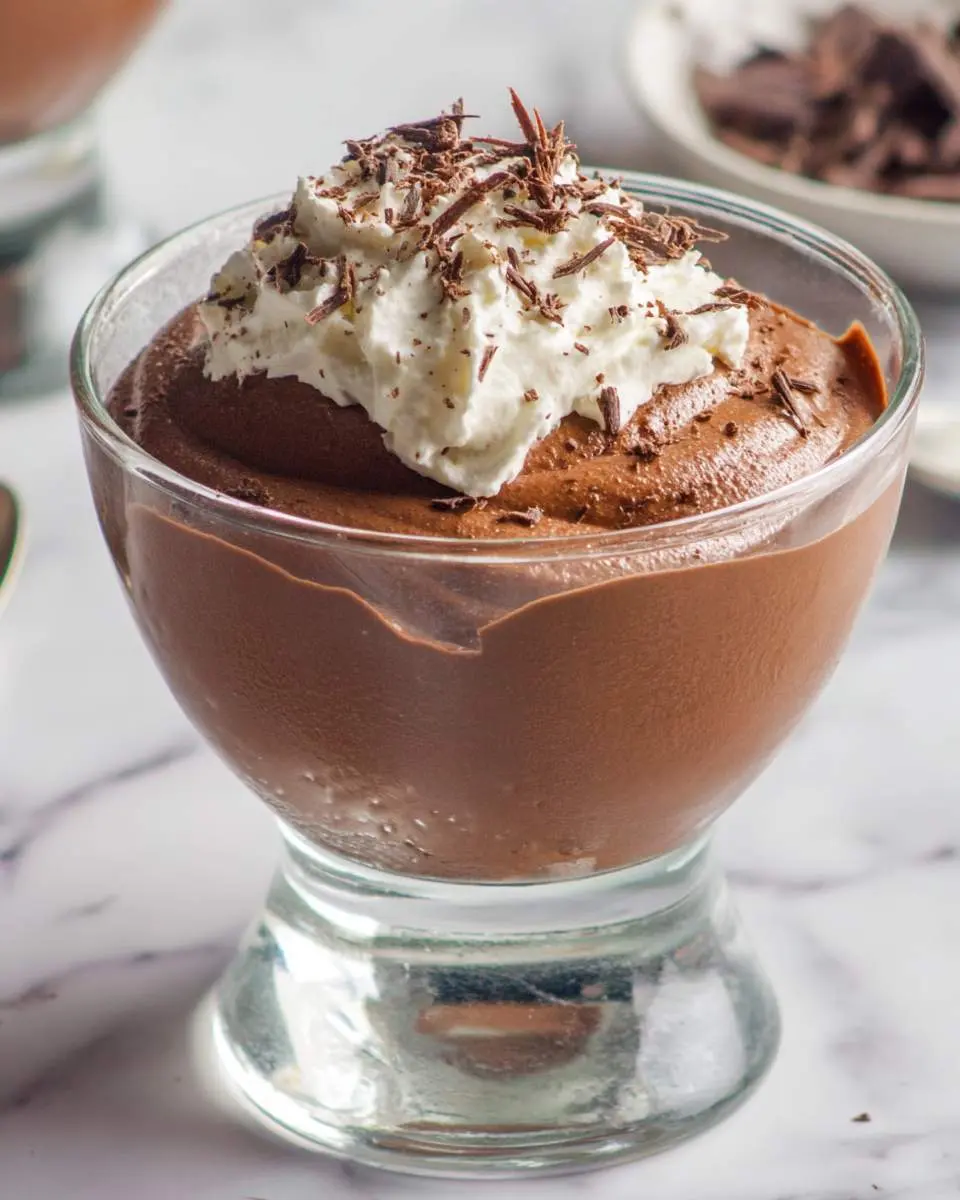
- Just before serving, beat remaining 1/2 cup cream with powdered sugar to soft peaks. Dollop onto each mousse and add chocolate shavings if desired. Serve cold.
Notes
Conclusion
This chocolate mousse is my answer when I want to impress without stress. Four ingredients, twenty minutes of active time, and a dessert that makes people close their eyes on the first bite. For something equally showstopping but completely different, my chocolate chip cookie mousse cheesecake layers similar flavors into something you slice instead of spoon. Make this soon. Your future self, holding a cold glass at midnight, will thank you.