Cinnamon scones
I woke up last Saturday with that very specific craving , the kind that demands something warm, flaky, and fragrant enough to pull everyone out of bed. Within an hour, my kitchen smelled like a bakery, and I was pulling a batch of cinnamon scones from the oven with absolutely zero regrets.
My grandmother used to make something similar on Sunday mornings, though hers were more biscuit than scone. I still remember sitting on her counter stool, watching her work cold butter into flour with her fingertips. She never measured the cinnamon, just shook it until the dough looked “right.” I measure now, but the feeling is the same , that anticipation of something good coming together.
This recipe has become my weekend ritual, the one I reach for when I want slow mornings to feel special. If you are into alternative flours, you might also enjoy my vegan cassava flour crepes for another cozy breakfast option.
What You Need to Make This Recipe
The butter matters more than you might think , I use very cold unsalted butter and grate it on a box grater, which creates these perfect little ribbons that distribute through the flour and create those distinct flaky layers. For the cinnamon, I go with Ceylon rather than cassia; it has a warmer, more complex flavor that makes these cinnamon scones taste expensive without actually being so. A splash of heavy cream brings everything together into a dough that feels almost alive under your hands, and I will sometimes swap in oat milk for a lighter version , my creamy caramelized apples oatmeal uses a similar trick that works beautifully here too.
How to Make Cinnamon scones
I start by whisking the dry ingredients together until the cinnamon streaks disappear into the flour , this is your only chance to distribute it evenly, so take twenty seconds and do it properly. Then I scatter the grated butter across the surface and use my fingertips to quickly rub it in, stopping when the mixture looks like coarse meal with some pea-sized pieces still visible. Those little butter pockets are what create the rise and the flaky interior.
The wet ingredients go into a well in the center, and I stir with a fork just until the dough starts to clump. It will look shaggy and barely held together , this is exactly right. I turn it out onto a lightly floured surface and pat it into a rough circle about an inch thick, then cut it into wedges with a sharp knife. The knife should make a clean crunching sound through the cold dough; if it squishes, your butter got too warm and you need to pop everything in the freezer for ten minutes.
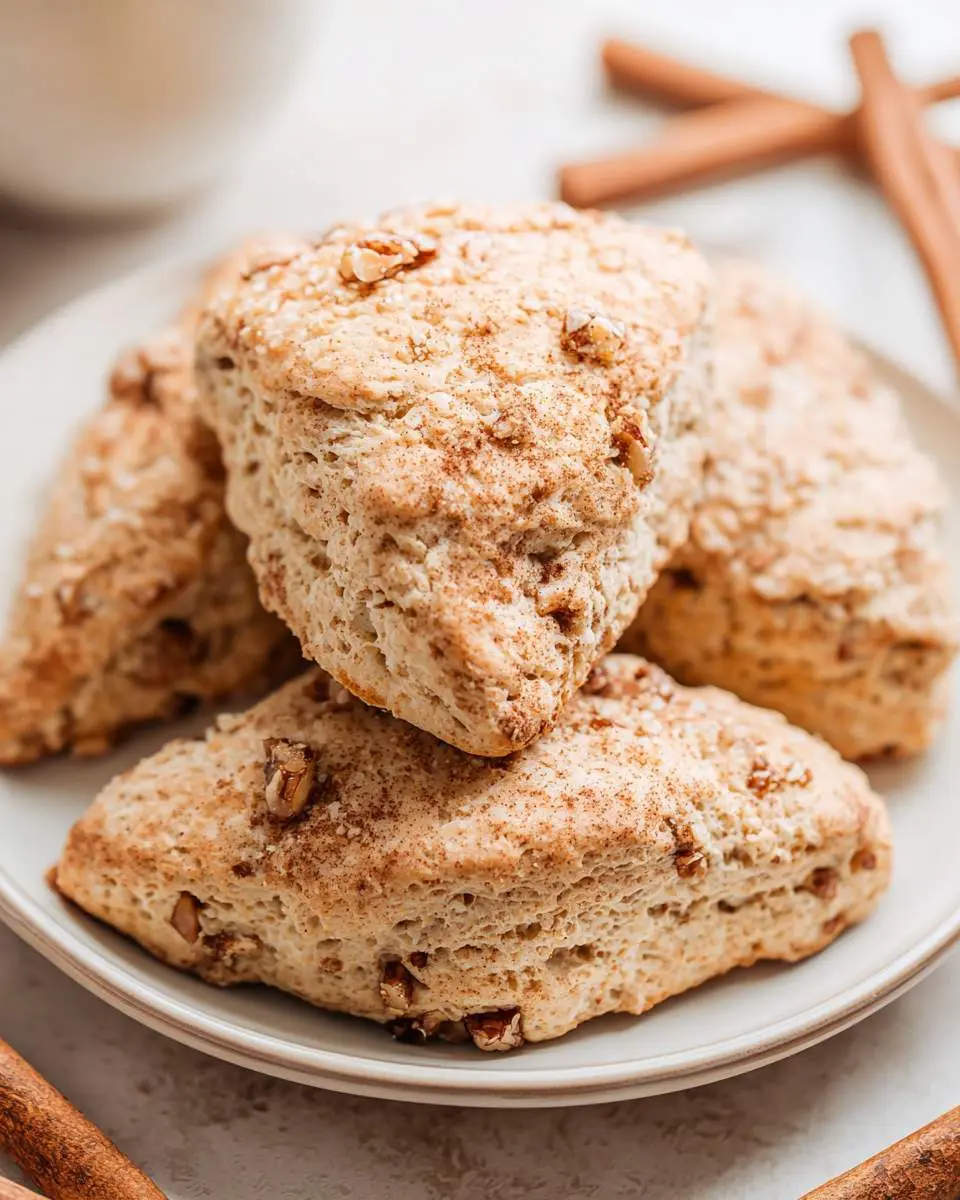
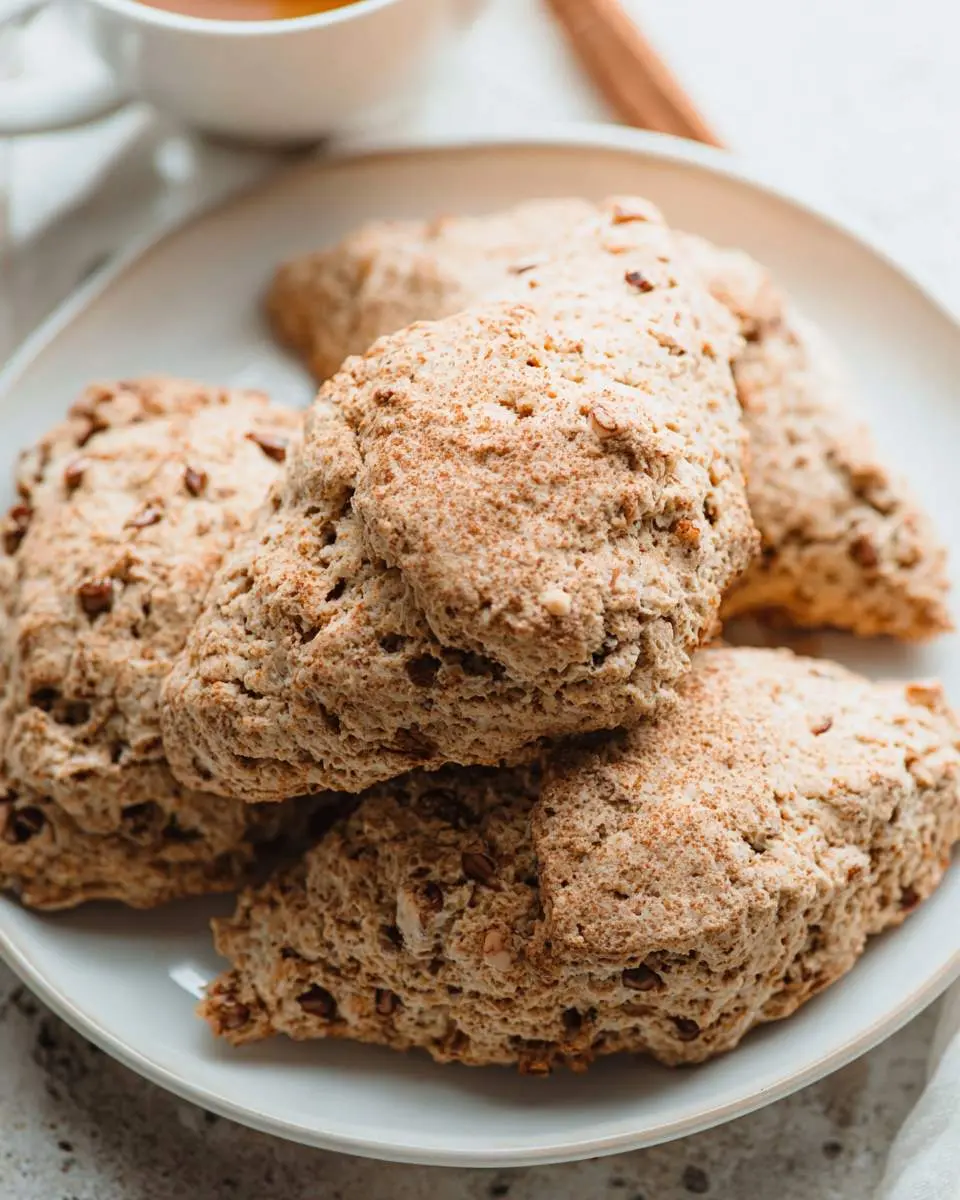
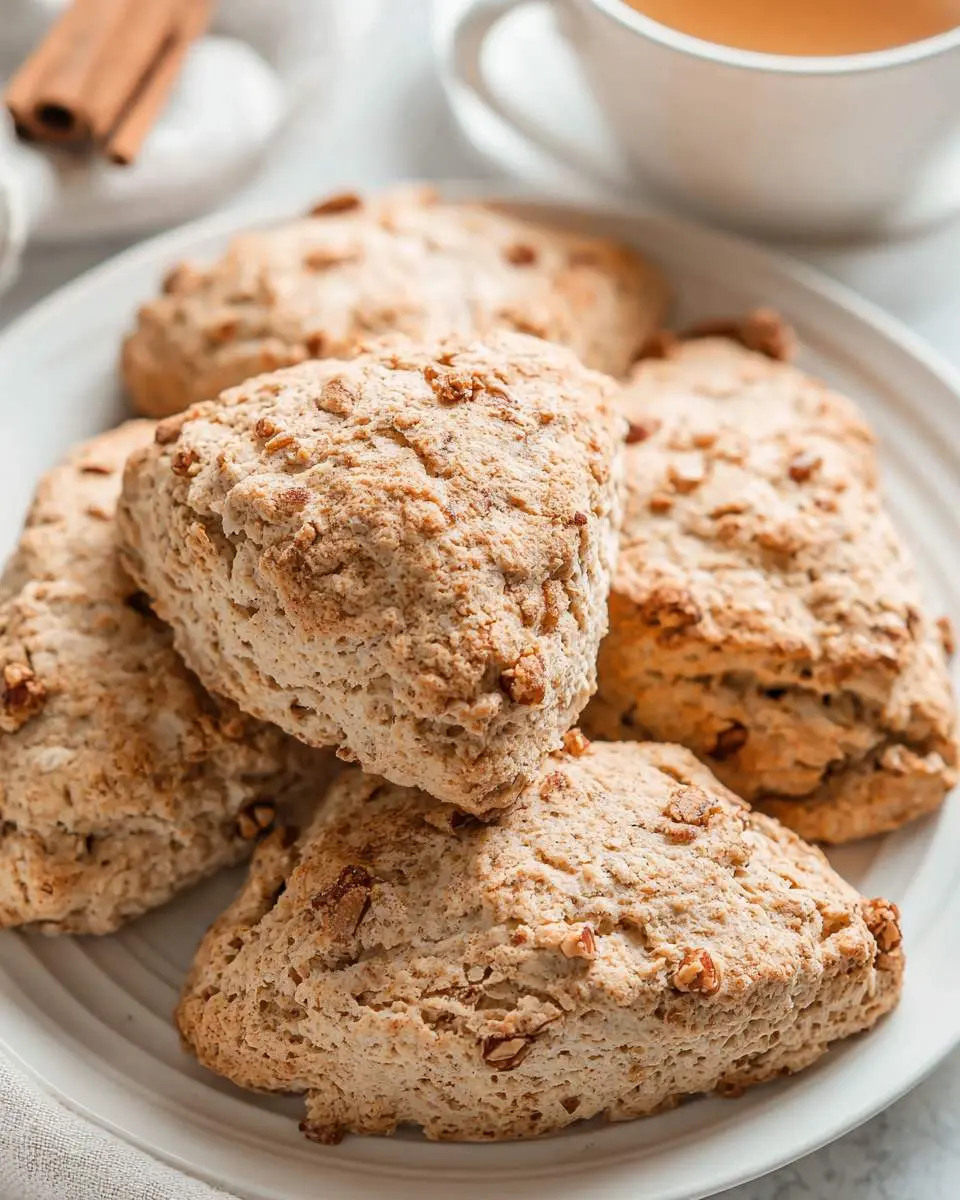
Into a 400-degree oven they go, and I set a timer for twelve minutes exactly. The smell that fills my kitchen at minute eight is almost unfair , butter and cinnamon doing their ancient alchemy together. They emerge golden at the edges with slightly cracked, rustic tops that beg for a pat of butter while still warm. If you are a scone person generally, my chocolate chip scones use this same technique with excellent results.
Pro Tips
Grate your butter frozen, not just cold. I keep a stick in the freezer now specifically for baking. The smaller pieces incorporate faster without warming up, which means flakier layers and less handling of the dough.
Do not twist the cutter or knife when portioning. A straight down-and-up motion keeps the edges clean and allows the scones to rise tall rather than listing to one side like drunk little triangles.
Brush the tops with cream, not egg wash. Egg wash browns too aggressively and can mask the delicate cinnamon flavor. Cream gives a softer, more matte golden finish that looks like something from a proper English tea room.
My Secret Trick: I grate a tiny bit of fresh nutmeg , maybe an eighth of a teaspoon , into the dry ingredients alongside the cinnamon. It does not read as “nutmeg” in the final scone; it simply makes the cinnamon taste more like itself, amplifying that warm spice note in a way that makes people ask what your secret is.
How to Store Cinnamon scones
- Room temperature: Store in an airtight container for up to 2 days, with a piece of parchment between layers to prevent sticking
- Refrigerator: Wrap individually in plastic wrap, then place in a sealed container for up to 5 days; the texture firms up but they toast back beautifully
- Freezer: Freeze unbaked wedges on a baking sheet until solid, about 2 hours, then transfer to a freezer bag for up to 3 months; bake straight from frozen, adding 3-4 minutes
- Reheating: Warm in a 350-degree oven for 5-7 minutes, or split and toast in a toaster oven until the edges crisp and the center softens
Nutritional Benefits
These cinnamon scones offer more than comfort , the cinnamon itself contains cinnamaldehyde, a compound with genuine anti-inflammatory properties that I appreciate on a cold morning. I also use unbleached all-purpose flour rather than enriched white flour, which retains more of the wheat’s natural B vitamins and minerals, making this feel like a slightly more grounded indulgence than your typical bakery pastry.
FAQs
Can I make these scones dairy-free?
Yes, I have successfully used cold coconut oil in place of butter and full-fat oat milk instead of cream. The texture is slightly more tender and less flaky, but the flavor remains excellent. Chill the coconut oil until firm before grating.
Why did my scones spread flat instead of rising tall?
Your butter likely got too warm during mixing, or your oven temperature ran low. Next time, chill the shaped wedges for fifteen minutes before baking, and verify your oven with an inexpensive thermometer.
Can I add a glaze to these cinnamon scones?
A simple powdered sugar glaze with a splash of milk and vanilla works beautifully drizzled over the cooled scones. I prefer them plain for breakfast but will glaze if serving for afternoon tea.
How do I know when they are fully baked?
The bottoms should be golden brown and sound hollow when tapped, and the tops will have visible cracks with no wet dough peeking through. Start checking at twelve minutes, but they may need up to fifteen depending on your oven.

Cinnamon Scones
Ingredients
Equipment
Method
- Place 8 tablespoons butter in the freezer for 15 minutes. Using the large holes of a box grater, grate the frozen butter directly into a bowl and return to the freezer until ready to use. This creates the flakiest texture without overworking the dough.
- Preheat oven to 400F. Line a large baking sheet with parchment paper. In a large bowl, whisk together the flour, granulated sugar, baking powder, salt, and 1 teaspoon cinnamon. Add the grated frozen butter and toss with your fingertips until coated in flour - do not overmix.
- In a small bowl, whisk together 3/4 cup cold cream, the egg, and 1 teaspoon vanilla. Pour over the flour mixture and fold with a rubber spatula until just combined and no dry streaks remain. The dough will look shaggy and slightly sticky.
- Mix the brown sugar, 1 1/2 teaspoons cinnamon, and 1 tablespoon melted butter in a small bowl to form a paste. Turn the dough onto a lightly floured surface and pat into a 10x6 inch rectangle. Crumble the cinnamon mixture evenly over the surface, then fold the dough in half lengthwise and pat back into a 1-inch thick rectangle. The swirl will be streaky and imperfect - that is exactly what you want.
- Cut the rectangle into 8 wedges using a sharp knife or bench scraper. Transfer to the prepared baking sheet, spacing 2 inches apart. Brush tops lightly with cream and refrigerate for 10 minutes while the oven finishes heating. This firms the butter for better rise.
- Bake for 16-18 minutes until the scones are golden brown on top and firm to the touch. The bottoms should be nicely browned. Cool on the baking sheet for 5 minutes, then transfer to a wire rack to cool completely.
- Whisk together the powdered sugar, 2 tablespoons cream, and 1/4 teaspoon vanilla until smooth, adding more cream 1 teaspoon at a time if needed for a thick but pourable consistency. Drizzle over the cooled scones and let set for 10 minutes before serving.
Notes
Conclusion
I hope these cinnamon scones find their way into your weekend routine the way they have mine. There is something deeply satisfying about creating something this good with your own two hands, and I genuinely believe you will nail them on the first try. For another variation, my apricot coconut scones use the same base with a completely different personality.