Vegan Cassava Flour Crepes
The first time I swirled batter across a hot pan and watched it transform into something impossibly thin and lacy, I stood at my stove in complete shock. I had been chasing that delicate, yielding texture for months after going grain-free, and these vegan cassava flour crepes were the answer I didn’t expect to find in my pantry. The edges crisped and curled slightly, releasing a faint nutty sweetness that made me reach for the nearest jar of jam before I’d even finished the batch.
My grandmother made crepes every Sunday with butter and wheat flour, folding them into neat triangles while I sat on a step stool too short for the counter. I never thought I’d recreate that ritual without eggs or gluten, yet here I am on Saturday mornings, whisking batter while my coffee steams, feeling that same quiet satisfaction she must have known. The kitchen smells almost identical now, that warm, toasty promise of something special coming together.
This recipe landed in my rotation after a failed attempt at creamy caramelized apples oatmeal left me craving something more elegant for brunch. What started as a workaround became a genuine favorite, one I make more often than I ever anticipated.
What You Need to Make This Recipe
The magic here starts with cassava flour itself, which behaves unlike any other grain-free alternative I’ve tried , it creates that stretchy, pliable quality you need for crepes that fold without cracking. Full-fat coconut milk provides the richness that compensates for missing eggs, and I always reach for the canned kind with the thick cream on top, not the watered-down carton stuff. A touch of apple cider vinegar does something remarkable to the batter, creating a subtle tang and helping the crepes brown more evenly than they would otherwise. I learned about the vinegar trick from a failed batch of carrot cake cinnamon rolls, where acidity turned out to be the missing piece I’d been searching for all along.
How to Make Vegan Cassava Flour Crepes
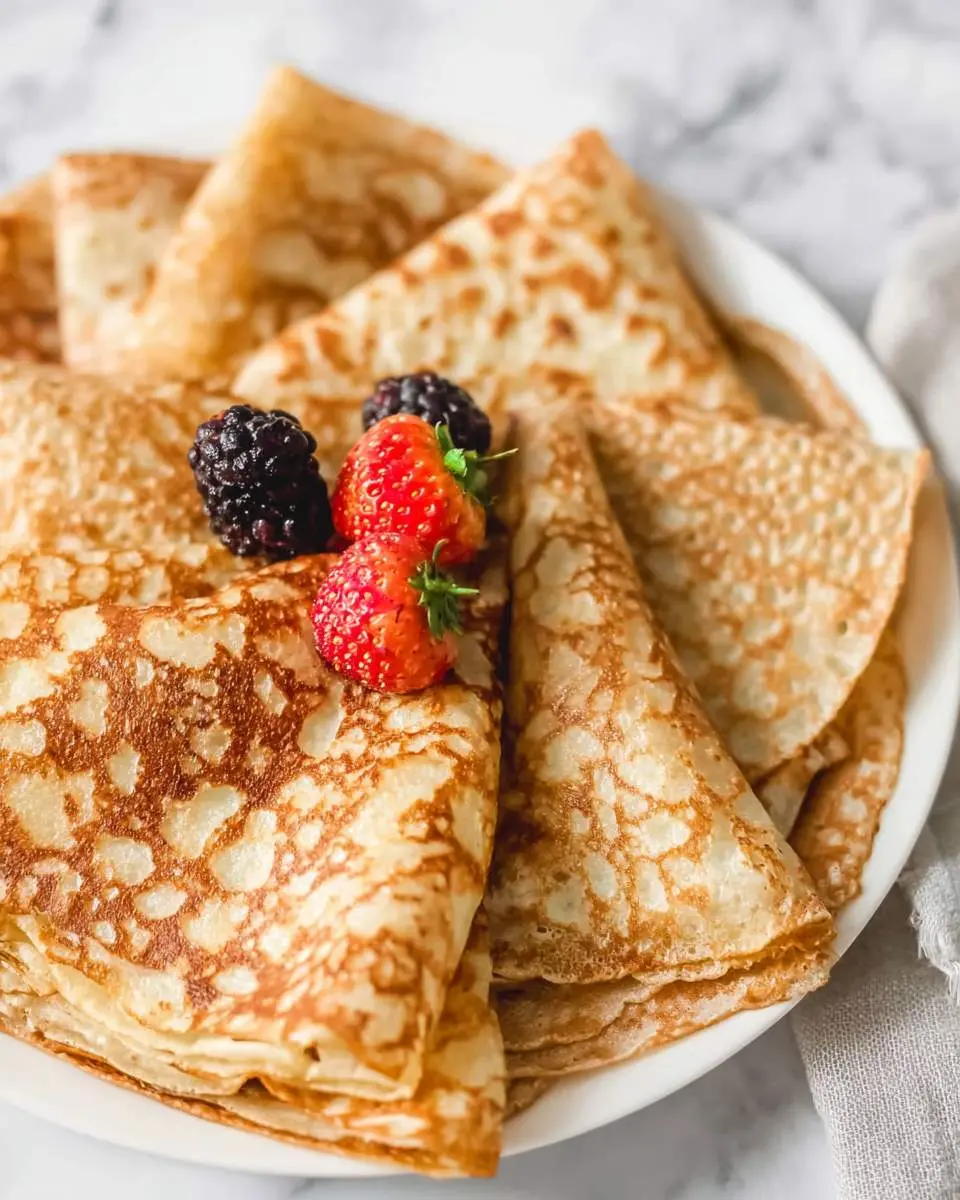
I always begin by whisking the dry ingredients together until the cassava flour feels completely lump-free, which takes longer than you’d think , maybe two full minutes of patient stirring. The wet ingredients go in next, and I blend until the batter pours like heavy cream, thin enough to spread but substantial enough to hold together when I tilt the pan. Resting the batter for ten minutes is non-negotiable in my kitchen; the flour hydrates during that pause, and the crepes cook more evenly without that raw, starchy center I’ve suffered through when impatient.
My pan needs to be hotter than medium but not screaming , I test with a tiny drop of batter that should sizzle gently and set in about ten seconds. The first crepe usually looks wrong, too pale or too spotted, and I’ve learned to accept this as the pan’s way of finding its rhythm. By the second or third, I’m swirling confidently, watching the edges lift and turn golden, breathing in that toasted aroma that means it’s time to flip. The flip itself is quick wrist motion, no hesitation, and the underside should be freckled with brown spots like a proper French creperie would produce.
I stack them on a warm plate, covered loosely, while I finish the batch, though honestly half disappear before I get there. For a sweeter variation, I sometimes reference my strawberry crepes approach, though these grain-free ones have their own distinct personality that I’ve grown to prefer.
Pro Tips
Let your batter rest at room temperature, not cold. Cassava flour continues absorbing liquid as it sits, and a cold batter from the fridge will pour too thick and cook unevenly, leaving you with rubbery centers and burnt edges that no amount of jam can rescue.
Don’t skip the resting oil step on your pan. I rub a paper towel with the barest slick of oil between every single crepe, which prevents that gummy buildup that makes subsequent crepes stick and tear when you try to flip them.
Blend, don’t just whisk, if you want silky results. A quick thirty seconds in the blender eliminates the tiny cassava flour granules that can make vegan cassava flour crepes taste gritty rather than luxuriously smooth on your tongue.
My Secret Trick: I place a damp kitchen towel directly over my finished crepes rather than foil or a lid , the gentle steam keeps them supple for up to an hour without the sogginess that trapped condensation creates, so I can actually sit down with my family instead of serving in shifts.
How to Store Vegan Cassava Flour Crepes
- Refrigerate stacked crepes in an airtight container with parchment paper between each layer for up to 3 days at 40°F or below.
- Freeze in a freezer-safe bag with parchment separators for up to 2 months; thaw overnight in the refrigerator before reheating.
- Reheat in a dry nonstick skillet over medium-low heat for 30 seconds per side, or wrap in a damp paper towel and microwave for 15-20 seconds until just warm and flexible again.
Nutritional Benefits
Cassava flour brings resistant starch to these crepes, which feeds beneficial gut bacteria in ways that refined wheat simply cannot match. The coconut milk contributes lauric acid, a medium-chain fatty acid that my body seems to process with steady energy rather than the spike-and-crash I used to get from butter-heavy breakfasts. These vegan cassava flour crepes satisfy me in a deeper way than their conventional counterparts ever did, and I notice the difference in my afternoon focus when I start the morning with something this intentionally nourishing.

FAQs
Why do my cassava flour crepes tear when I flip them?
Your pan likely isn’t hot enough or you’re flipping too early. Wait until the edges lift freely and the surface looks matte, not wet. A well-seasoned pan or light oil coating prevents sticking that leads to tearing.
Can I make the batter ahead of time?
Yes, blend and refrigerate up to 24 hours ahead. The batter thickens as it sits, so thin with a tablespoon of water or coconut milk before cooking. Bring to room temperature for ten minutes for best results.
What fillings work best with these crepes?
Savory options like sautéed mushrooms with herbs, or sweet combinations like coconut yogurt with berries. Avoid very wet fillings that make the crepes soggy , drain fruit well and let hot fillings cool slightly first.
Can I substitute tapioca starch for cassava flour?
No, they behave completely differently despite coming from the same plant. Tapioca starch creates gummy, stretchy textures while cassava flour provides structure. Using tapioca will yield vegan cassava flour crepes that are rubbery and impossible to flip properly.

Vegan Cassava Flour Crepes
Ingredients
Equipment
Method
- Combine cassava flour, almond milk, water, melted coconut oil, maple syrup, and salt in a blender. Blend on medium-high for 30 seconds until completely smooth, scraping down sides once. Alternatively, whisk vigorously in a bowl until no lumps remain. Let batter rest for 5 minutes to hydrate.
- Heat a 10-inch nonstick skillet over medium heat until a drop of water sizzles immediately, about 3 minutes. Lightly brush with coconut oil. Pour 1/4 cup batter into center, then immediately tilt and rotate pan to spread into a thin, even circle.
- Cook until edges lift slightly and bottom is lightly golden with a few small brown spots, 1.5 to 2 minutes. The surface will look matte and set when ready to flip.
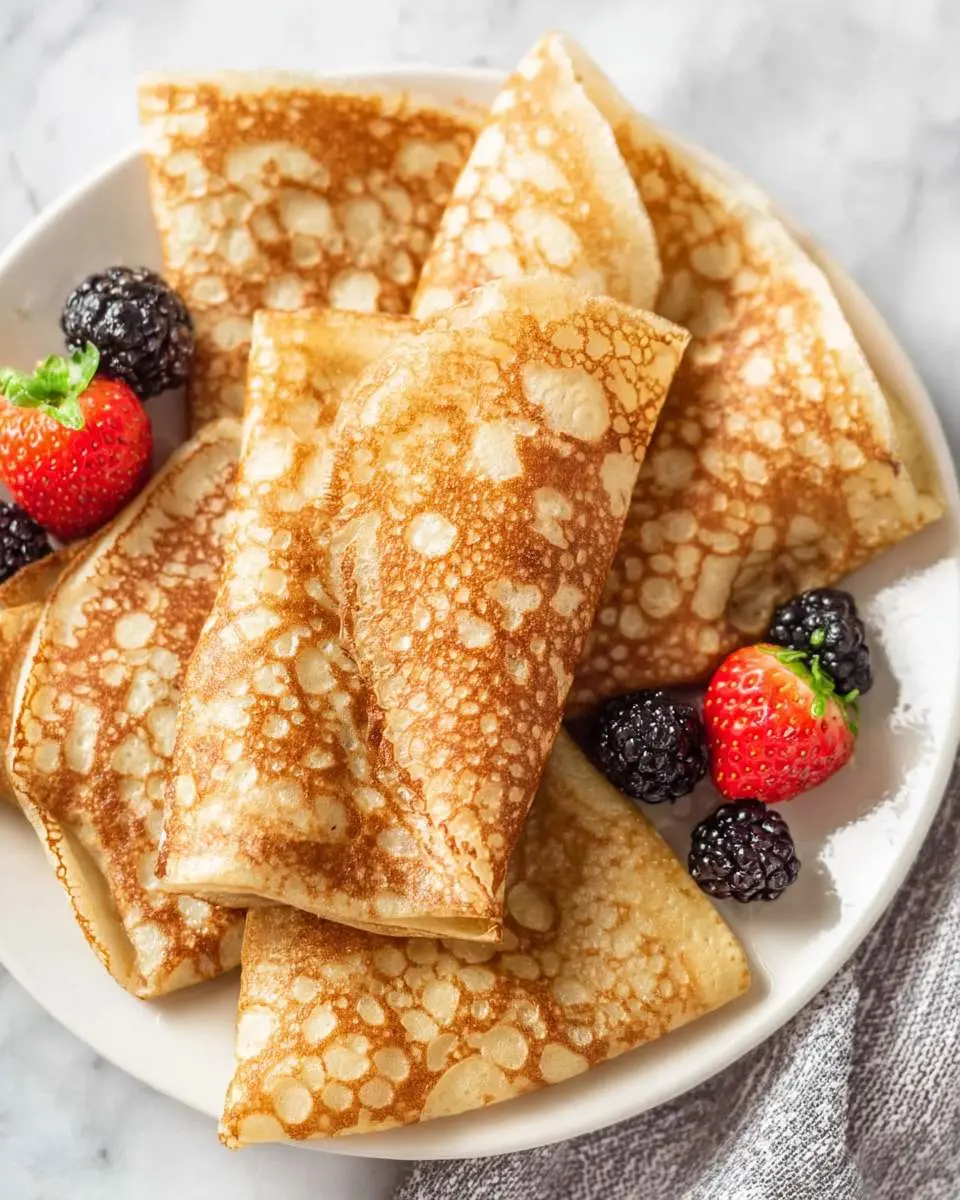
- Slide a thin spatula underneath and flip confidently. Cook second side just 30 to 45 seconds until lightly spotted. Transfer to a plate. Repeat with remaining batter, brushing pan with oil every 2 to 3 crepes. Stack finished crepes directly on top of each other; they will not stick.
Notes
Conclusion
These crepes found their way into my permanent collection not because I needed another grain-free option, but because they genuinely delighted me in a way I stopped expecting from special-diet cooking. I hope your first swirl across the pan brings that same small miracle. If you’re craving more weekend breakfast inspiration, my gluten-free banana pancakes have saved many a lazy Sunday morning at my house.