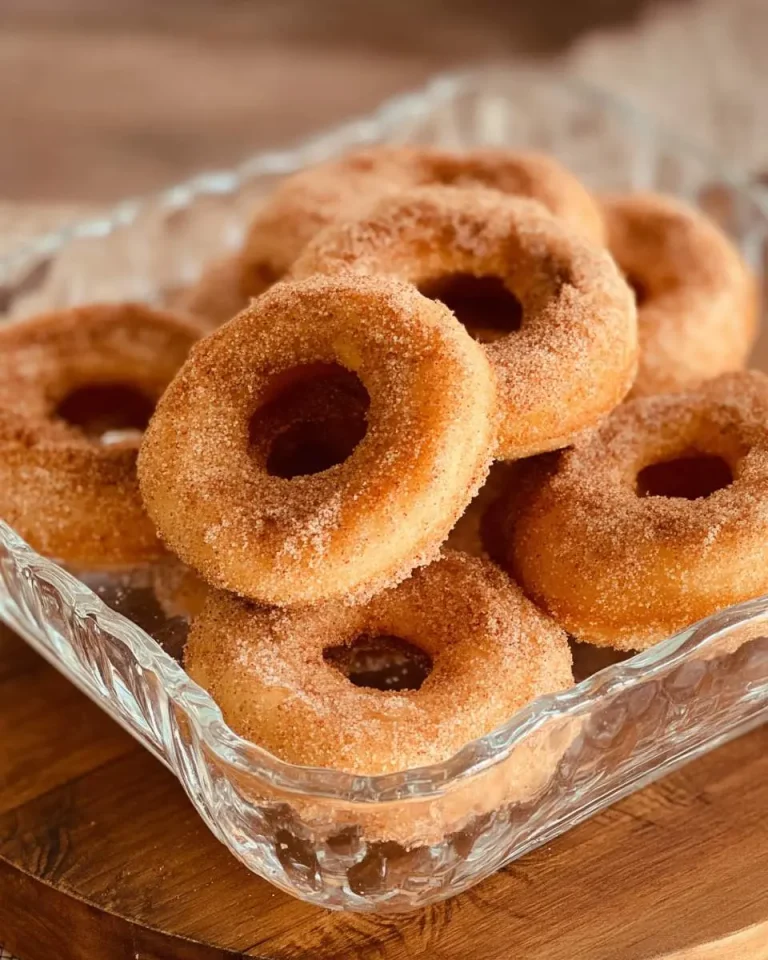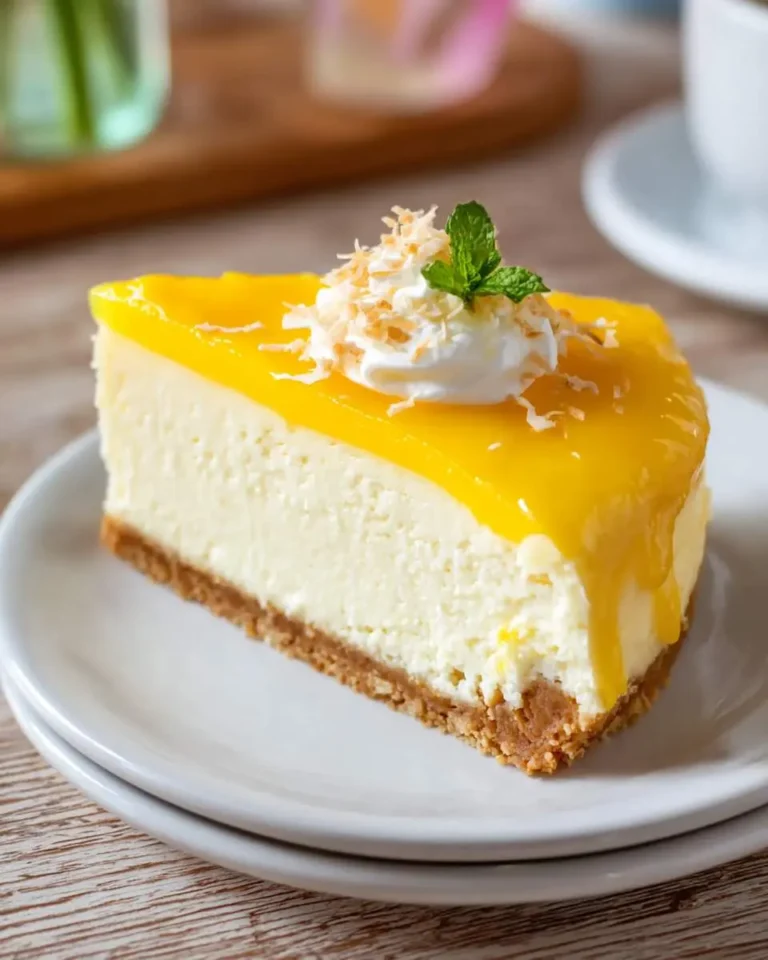
gluten-free carrot cake
The smell of cinnamon and warm carrots drifting through my kitchen last Saturday stopped my husband mid-step. He poked his head around the corner with that look — the one that says “what are you making and when can I have it?” I was testing what would become my new favorite gluten-free carrot cake, and honestly, I wasn’t prepared for how good it would turn out.
My grandmother made carrot cake for every Easter, but I stopped eating it years ago when I had to cut out gluten. I tried so many versions that were dense, gummy, or just sad. This one brought back that memory of her kitchen — the same moist crumb, the same cream cheese frosting situation, none of the stomach ache after.
What I love most is that nobody guesses it’s gluten-free until I mention it. If you’re also baking without gluten these days, you might want to check out my vegan chocolate cake — another one that surprises people.
What You Need to Make This Recipe
The magic here starts with a blend of almond flour and a quality gluten-free all-purpose mix — the almond keeps things moist while the blend gives structure so your gluten-free carrot cake doesn’t collapse into crumbs. Freshly grated carrots matter more than you’d think; the pre-shredded bagged ones are too dry and don’t release the same sweetness. I also reach for full-fat coconut milk instead of regular dairy — it adds this subtle richness that makes people ask what your secret is. For another cake that plays with unexpected ingredients, my vanilla bean cake uses a similar technique.

How to Make gluten-free carrot cake
I start by whisking my dry ingredients together until the cinnamon and nutmeg look like sand at the beach — this is your only chance to distribute the leavening evenly, and lumps of baking soda in gluten-free baking are not forgiving. Then I grate my carrots on the fine side of the box grater, which takes longer but creates these delicate ribbons that melt into the batter instead of chunky bits that sink.
The wet ingredients get beaten until they’re almost fluffy — eggs, oil, coconut milk, and a splash of vanilla that makes the whole kitchen smell like a bakery. When you fold the carrots in, the batter will look too thick and you’ll worry. Don’t. The carrots release moisture as they bake, creating that signature tender crumb.
Into the oven it goes, and here’s where patience matters. The top will look set at 35 minutes but give it the full 45 — gluten-free cakes need that extra time for the center to catch up without collapsing. The toothpick test still rules here. While it cools, I make my frosting, and there’s something deeply satisfying about spreading cream cheese over a cake you weren’t sure would work. I learned a lot about carrot cake technique from developing my classic version with cream cheese frosting — the principles translate beautifully.
Pro Tips
Grate your own carrots. Bagged pre-shredded carrots are coated in starch to prevent clumping, and that starch steals moisture your gluten-free carrot cake desperately needs. Fresh grating takes five extra minutes and transforms the texture.
Let your eggs and coconut milk come to room temperature. Cold ingredients cause the oil to seize slightly, creating little pockets of fat that don’t incorporate properly. Room temperature everything emulsifies into a silky batter.
Don’t skip the resting time. Gluten-free flours continue absorbing liquid as they sit. I let my batter rest ten minutes before baking, and the difference in crumb structure is noticeable — tighter, more even, less crumbly when sliced.
My Secret Trick: I press a sheet of parchment paper directly onto the cake surface right after it comes out of the oven, then peel it off after ten minutes. This traps steam and moisture back into the crumb, compensating for how quickly gluten-free cakes can dry out. It’s the difference between good and “can I have the recipe?”

How to Store gluten-free carrot cake
- Refrigerate unfrosted cake layers wrapped tightly in plastic wrap for up to 3 days; the cold actually improves the texture as the flavors meld
- Store frosted cake in an airtight container in the refrigerator for up to 5 days; bring to room temperature for 30 minutes before serving for best flavor
- Freeze unfrosted layers individually wrapped in plastic then foil for up to 2 months; thaw overnight in the refrigerator
- Reheat individual slices in the microwave for 15-20 seconds, or warm in a 300°F oven for 10 minutes wrapped in foil
- Never store at room temperature for more than 2 hours if frosted with cream cheese; the dairy requires refrigeration
Nutritional Benefits
Every slice of this gluten-free carrot cake delivers actual carrot nutrition — beta-carotene for eye health and immune support that survives baking better than you’d expect. The almond flour contributes protein and healthy fats that keep you satisfied longer than traditional cake, which is why I find one slice genuinely enough instead of hunting for a second.

FAQs
Can I make this dairy-free too?
Absolutely — swap the cream cheese frosting for a coconut cream version, and use your favorite dairy-free milk in the batter. The cake itself is already dairy-free if you use oil instead of butter, which I prefer anyway for moisture.
Why did my cake sink in the middle?
Gluten-free batters are heavier and need full baking time — your oven was likely too hot or the cake came out early. Use an oven thermometer and wait for the full 45 minutes; the center should spring back when gently pressed.
Can I use a different gluten-free flour blend?
Yes, but results vary wildly. Blends with xanthan gum work best; single-ingredient flours like coconut or oat won’t provide enough structure. Look for a 1-to-1 blend that contains rice flour and starches for this gluten-free carrot cake.
How far ahead can I frost this?
Frost up to 24 hours before serving and refrigerate — the flavors actually improve overnight. Any longer and the carrots can make the frosting weep slightly; if making ahead, store layers separately and assemble the day of.


Gluten-Free Carrot Cake
Ingredients
Equipment
Method
- Heat oven to 350°F. Grease two 9-inch round cake pans, line bottoms with parchment, and grease the parchment. Peel and finely grate carrots on the small holes of a box grater until you have 3 cups. Set aside.
- In a medium bowl, whisk together the gluten-free flour, baking powder, baking soda, cinnamon, and salt until well combined. Gluten-free flours clump easily, so whisk thoroughly.
- In a large bowl, whisk oil, granulated sugar, and brown sugar until smooth. Add eggs one at a time, beating well after each, then stir in vanilla. The mixture should look glossy and emulsified.
- Add dry ingredients to wet and stir with a rubber spatula until just combined with no dry streaks. Fold in grated carrots until evenly distributed. The batter will be thick and moist.
- Divide batter evenly between prepared pans and smooth tops. Bake 32-36 minutes until cakes spring back when lightly pressed and a toothpick comes out clean. Cool in pans 15 minutes, then turn out onto wire racks to cool completely.
- Beat cream cheese and butter on medium speed until completely smooth and fluffy, about 3 minutes. Add powdered sugar 1 cup at a time, beating well after each addition. Beat in vanilla and salt until light and spreadable, about 2 more minutes.
- Place one cake layer on a platter. Spread with 1 cup frosting. Top with second layer and spread remaining frosting over top and sides. For a naked cake look, leave sides partially exposed. Chill 30 minutes before slicing for clean cuts.
Notes
Conclusion
This gluten-free carrot cake has earned its place in my permanent recipe collection, and that’s not something I say lightly. Whether you’re baking for someone with dietary restrictions or just want a cake that happens to be gluten-free, this one delivers. For a portable version, try my carrot cake muffins — same flavors, grab-and-go format.