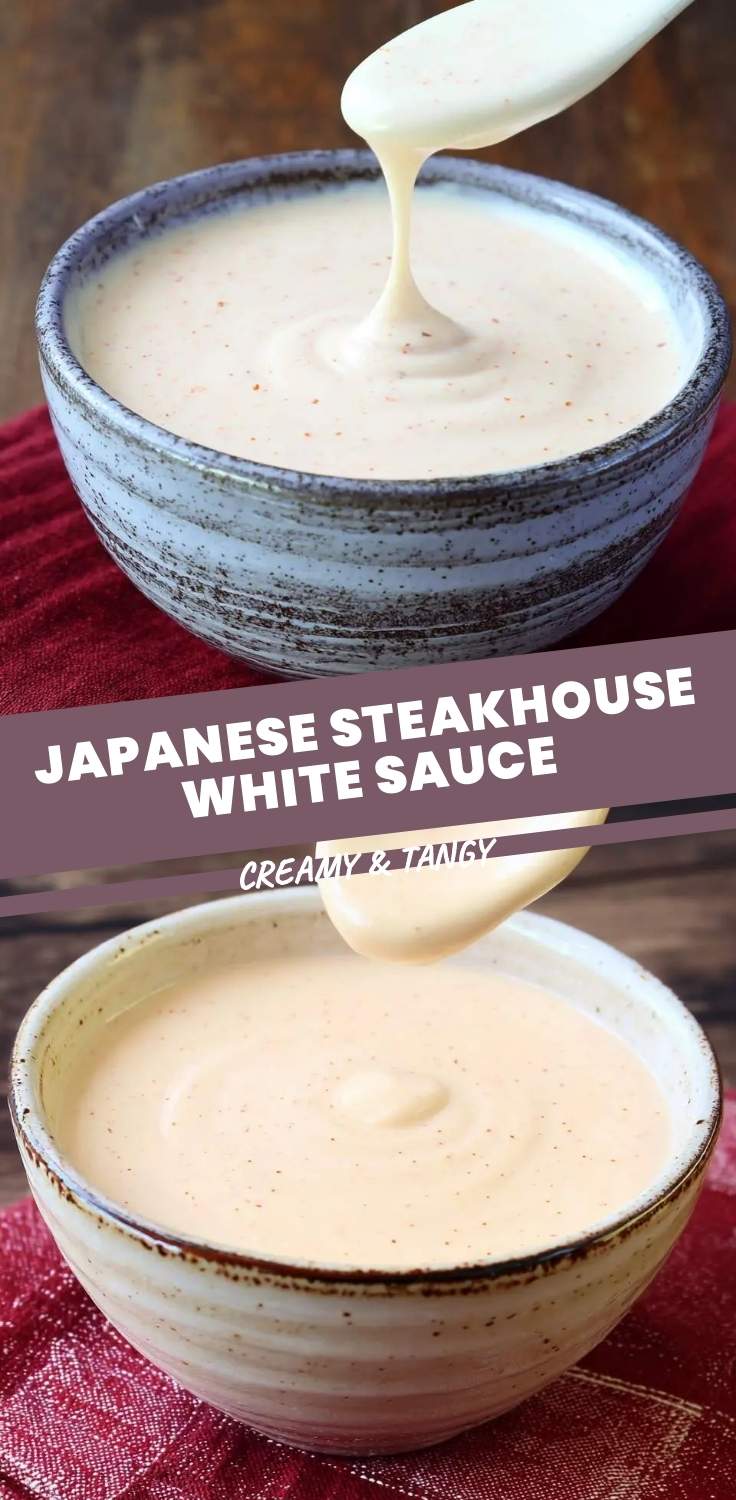
Japanese Steakhouse White Sauce
I still remember the first time I dipped a piece of seared steak into that pale, creamy pool and felt the tang hit my tongue. It was nothing like ranch, nothing like aioli—just this mysterious, addictive white sauce that every Japanese steakhouse seemed to guard like a state secret. I knew I had to crack the code on Japanese Steakhouse White Sauce.
My obsession started at a hibachi place in Cleveland where the chef flicked shrimp tails into his hat and the sauce kept appearing in tiny steel cups. I asked for extra. Then extra again. The server finally laughed and said, “You really like that stuff, huh?” I wanted to bathe in it.
After years of tweaking, I landed on something that makes me close my eyes and nod with every bite. If you’re into bold, unexpected sauces, you might also love my strawberry jalapeno salsa—another kitchen experiment that started with a craving and ended with an obsession.
What You Need to Make This Recipe
The magic of Japanese Steakhouse White Sauce lives in its tension between rich and sharp. Mayonnaise forms the lush base—I use my own when I have it, but a good quality jar works too. Rice vinegar cuts through the fat with a clean, almost floral acidity that distilled white vinegar can’t touch. Tomato paste seems odd, I know, but it adds that faint umami whisper you can’t quite name. And please, don’t skip the sugar; it balances everything and keeps the sauce from tasting like straight mayo. For another sauce that plays with heat and brightness, check out my fire-roasted salsa.
How to Make Japanese Steakhouse White Sauce
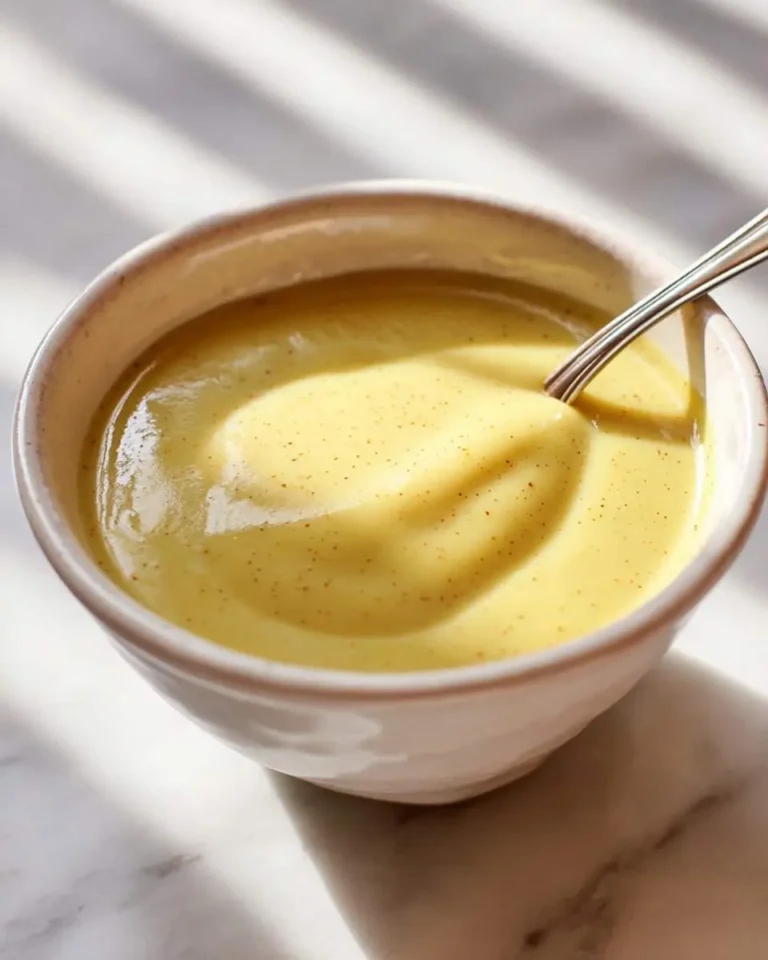
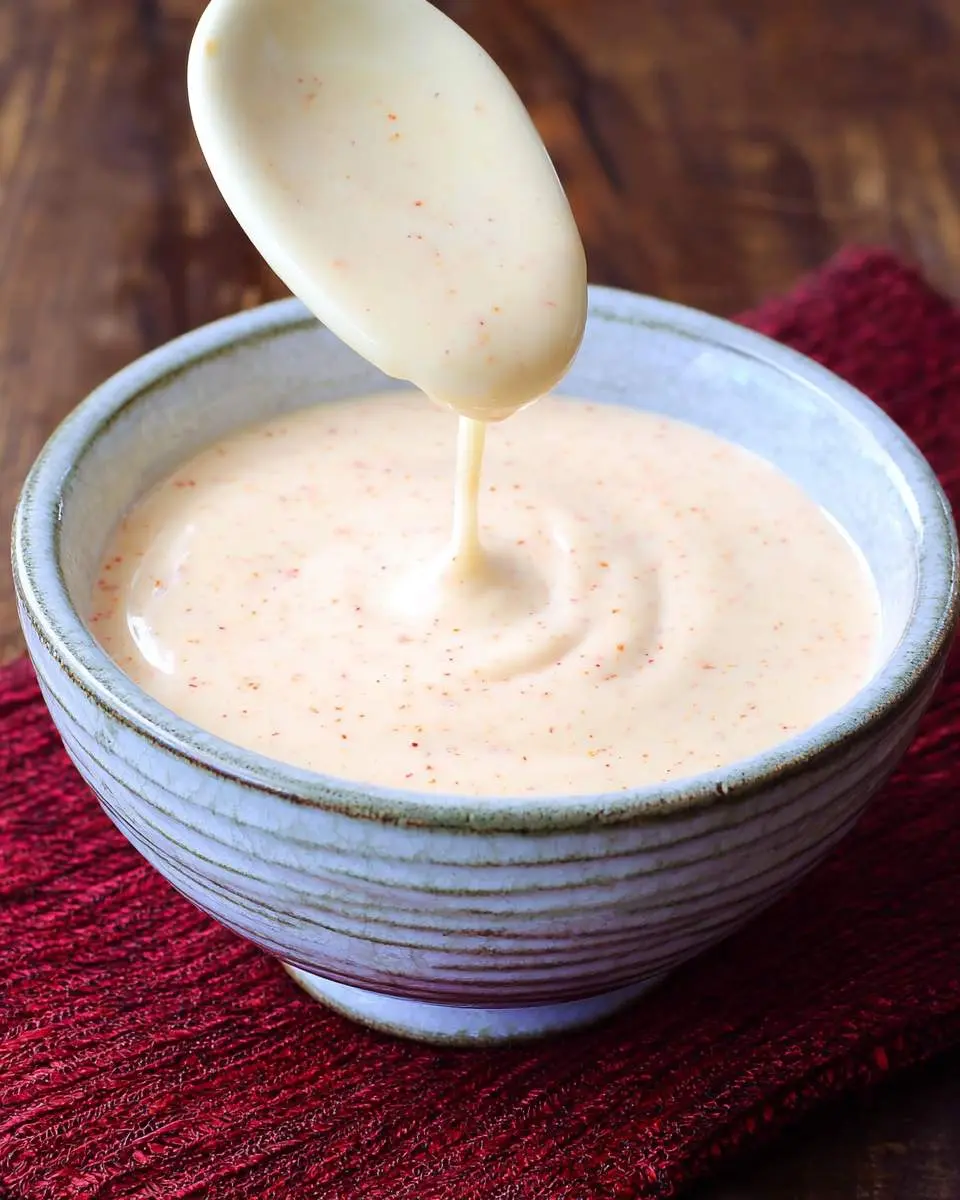
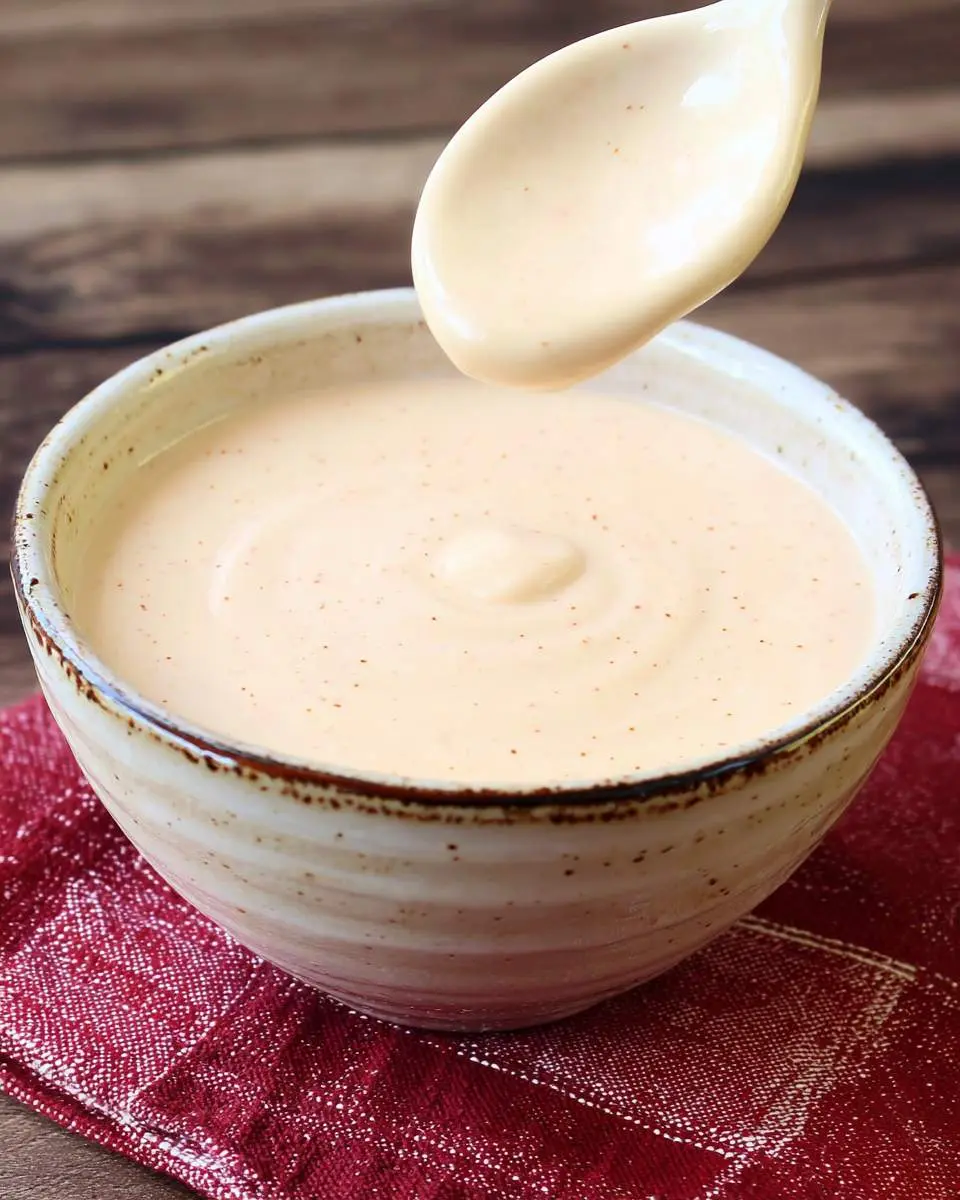
I start by whisking the mayonnaise until it loosens up—this takes maybe thirty seconds, but it matters. A stiff mayo won’t absorb the other flavors properly. Then I add the rice vinegar and watch the mixture transform from thick and pale to something silkier, almost pourable. The sugar dissolves in that acidic bath, no grainy texture left behind. Tomato paste goes in last, just a spoonful, and the color shifts to that familiar ivory-pink you recognize from restaurant tables. I taste, adjust, taste again. Sometimes I need more vinegar. Sometimes more sugar. Your palate decides. The whole thing comes together in under five minutes, but I let it rest in the fridge for at least an hour. The flavors need time to mingle and mellow. If you’re curious about building sauces from scratch, my homemade mayonnaise post walks through the technique that started my sauce-making journey.
Pro Tips
Chill your bowl first. Cold equipment keeps the mayonnaise stable when you’re whisking in acidic ingredients—no separation, no greasy texture. I learned this after a batch turned slightly grainy on a hot August afternoon.
Toast your garlic powder lightly. I sprinkle it into a dry pan for thirty seconds until fragrant. This wakes up dormant flavors and adds a subtle roasted depth that raw garlic powder simply doesn’t have.
Rest overnight if you can. Japanese Steakhouse White Sauce tastes good after an hour, but after twelve hours it becomes something else entirely—harmonious, rounded, impossible to stop eating.
My Secret Trick: I add a tiny pinch of smoked paprika—not enough to taste directly, just enough to create a phantom depth that makes people ask what your secret ingredient is. They’ll never guess.
How to Store Japanese Steakhouse White Sauce
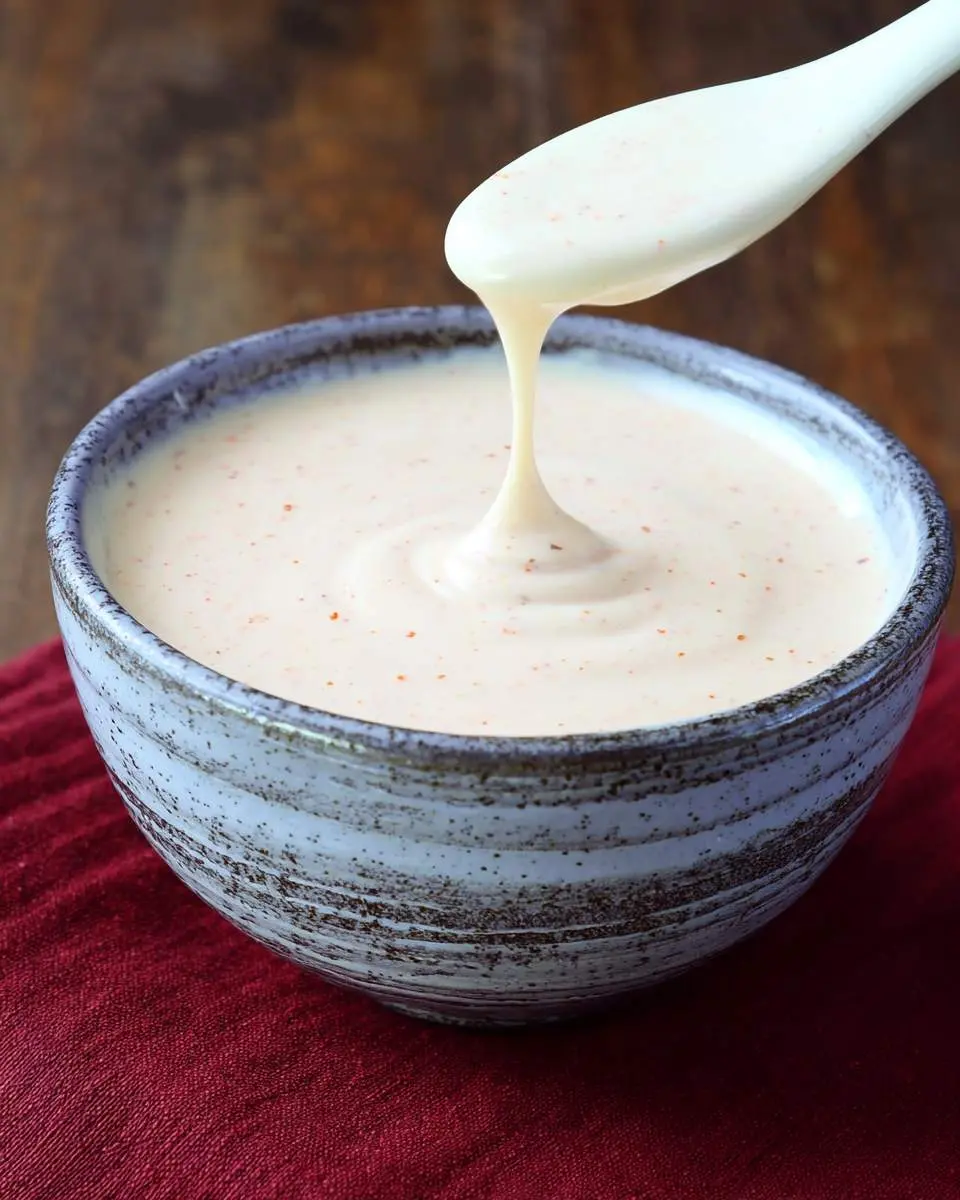
- Refrigerate in an airtight glass container for up to 7 days—the acids help preserve it, but freshness matters
- Keep at 40°F or below; I store mine on the top shelf where temperature stays most consistent
- Freezing is not recommended—mayonnaise-based sauces separate and turn grainy upon thawing
- Stir well before each use; separation is natural and fixes instantly with a spoon
- Do not leave at room temperature longer than 2 hours during serving
Nutritional Benefits
Rice vinegar brings actual value to Japanese Steakhouse White Sauce beyond flavor—it’s been linked to modest blood sugar support and contains amino acids from its fermentation process. The tomato paste contributes lycopene, that red pigment associated with heart health, even in this small quantity. This is still a creamy, indulgent sauce, but I appreciate knowing there’s something beyond empty calories in every dip.
FAQs
Why does my sauce taste too much like mayonnaise?
You likely need more acid or sugar. Taste and adjust gradually—rice vinegar brightens, sugar rounds the edges. Resting time also helps; harsh flavors mellow after a few hours in the refrigerator.
Can I use apple cider vinegar instead of rice vinegar?
You can, but the flavor profile changes significantly. Rice vinegar is milder and slightly sweet; apple cider vinegar brings more assertive fruitiness that competes with the other elements.
Is this the same as yum yum sauce?
Essentially yes—Japanese Steakhouse White Sauce goes by many names including yum yum sauce, shrimp sauce, and hibachi sauce. Regional variations exist, but this version captures the classic American steakhouse experience.
What should I serve this with besides steak?
I love it with grilled shrimp, roasted vegetables, rice bowls, and even as a sandwich spread. The versatility surprised me—it’s become my go-to for anything that needs creamy tang.

Japanese Steakhouse White Sauce
Ingredients
Equipment
Method
- In a medium bowl, whisk together the mayonnaise and water until completely smooth and no lumps remain. The mixture should look like thin ranch dressing.
- Add the tomato paste, melted butter, sugar, garlic powder, paprika, and cayenne if using. Whisk vigorously for about 30 seconds until the color is uniform pale orange-pink and everything is fully incorporated.
- Taste the sauce. It should be creamy and tangy with a subtle sweetness and faint tomato backbone. Add a pinch more sugar if too tart, or a few drops of water if thicker than heavy cream.
- Transfer to an airtight container and refrigerate for at least 30 minutes before serving. The flavors meld and the sauce thickens slightly as it chills.
Notes
Conclusion
Making Japanese Steakhouse White Sauce at home felt like unlocking a small, delicious secret. Now I keep a jar ready for random Tuesday dinners that need something special. If creamy, garlicky sauces speak to you, my garlic aioli sauce might be your next project. Happy dipping.