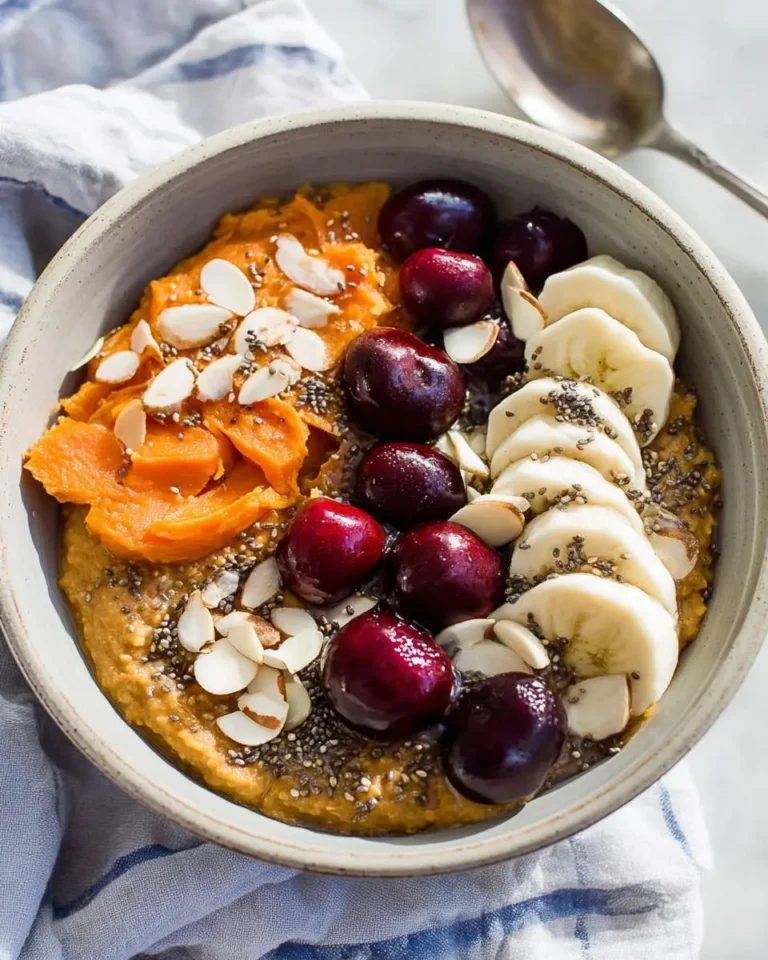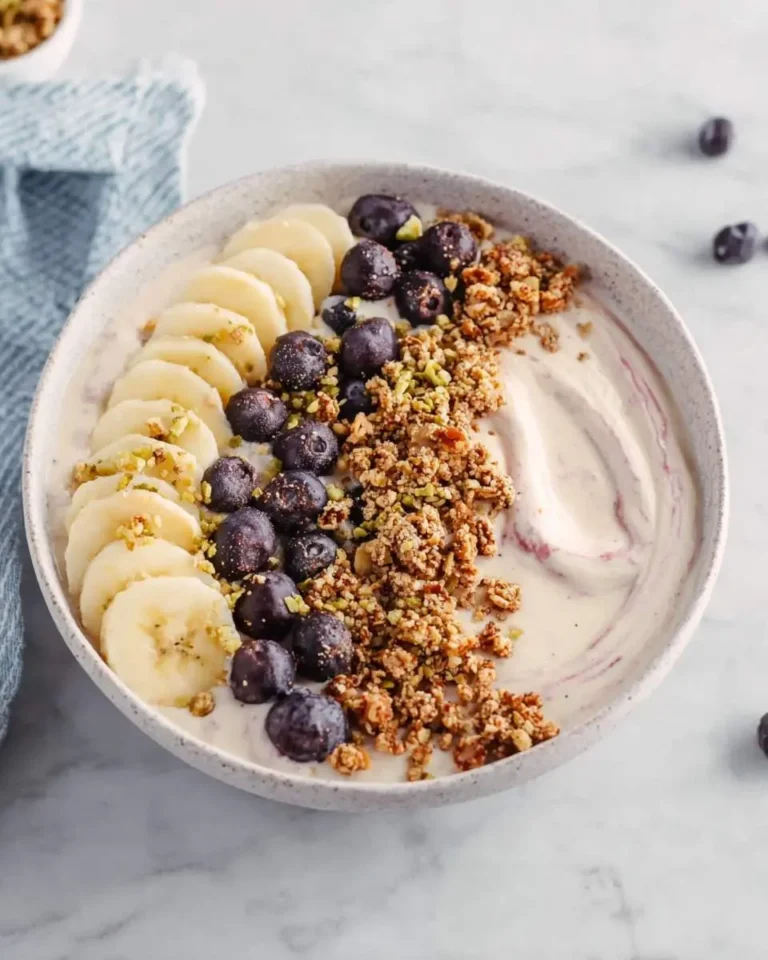
Mango Pineapple Smoothie Bowl
Introduction
I still remember the first time I craved something bright and cold on a sticky July morning, and that craving became my Mango Pineapple Smoothie Bowl — a spoonable little vacation that snapped me awake with its sweet-tart tropical punch.
The memory of sun on the balcony and the blender’s motor humming under my hands sticks with me; I made it for guests once and everyone abandoned their coffee for another bowl.
I wrote this recipe because I wanted an easy way to bottle that morning, and I often pair it with other fruity bowls like dragon fruit smoothie bowl when I plan a colorful brunch.
What You Need to Make This Recipe
Ripe mango and frozen pineapple are the backbone here: mango brings silk and sweetness while frozen pineapple gives that sharp, bright edge and a sorbet-like texture when blended; a splash of coconut milk smooths everything without watering it down, and I sometimes fold in a little banana for extra creaminess from my favorite banana smoothie bowl.

How to Make Mango Pineapple Smoothie Bowl
I start by freezing tidy cubes of mango and pineapple so the blender meets frozen fruit first; that initial grind is loud and a little stubborn, then it softens into a thick, sorbet-like swirl that clings to the spoon. I listen for the motor to settle and watch for a glossy texture—if it’s still grainy I add a teaspoon of coconut milk and pulse a few times; for toppings, I scatter crunchy granola and a dusting of toasted coconut to balance the cream. I learned a lot about timing from my roasted bowls experiment, which inspired how I layer textures in cold bowls like this one: roasted veggie tahini bowls.
Pro Tips
Scoop-frozen fruit into the blender in a single layer so the blades catch and grind evenly; this avoids that annoying circle of unblended chunks and gives you the thick, scoopable texture I love about Mango Pineapple Smoothie Bowl. Why it matters: even blending means you get the sorbet consistency instead of a runny mess.
Use a tamper or stop-and-pulse method when adding liquids; add just a tablespoon at a time so you don’t overshoot the texture. Why it matters: a little liquid goes a long way with frozen fruit and keeps your bowl dense and spoonable.
Toast shredded coconut in a dry skillet for 2 minutes until fragrant and golden, then sprinkle on top; it adds a warm, nutty contrast to the cold bowl. Why it matters: that toasty flavor makes the whole bowl feel more composed and less one-note.
My Secret Trick: freeze one extra banana in coins and drop them in last—those tiny chilled banana bits make each spoonful feel creamier without adding liquid, and they keep the bowl thick enough to decorate.

How to Store Mango Pineapple Smoothie Bowl
- Fridge: store the blended base in an airtight jar for up to 24-48 hours; stir before serving and expect some separation.
- Freezer: spoon the base into a shallow container and freeze for up to 1 month; thaw in the fridge overnight, then stir to restore creaminess.
- Reheating/serving: no heat—let frozen portions sit 5-10 minutes at room temperature before scooping, or blitz briefly in the blender for a creamier texture.
Nutritional Benefits
This bowl packs vitamin C and bromelain from pineapple and vitamin A from mango, plus potassium and fiber that come through naturally in the fruit; the small addition of Greek yogurt or a scoop of protein powder will round it into a more satisfying, protein-rich breakfast while keeping the Mango Pineapple Smoothie Bowl bright and fresh.

FAQs
Can I use fresh fruit instead of frozen?
If you only use fresh fruit you’ll need to add ice or a frozen element to get that thick, scoopable texture; I grab a frozen banana or a handful of ice cubes and pulse instead of adding too much liquid, which keeps the bowl dense and creamy.
What are good toppings that won’t make the bowl soggy?
I keep crunchy toppings separate until serving: granola, toasted coconut, and a sprinkle of chia seeds stay crisp; sliced fresh fruit looks beautiful but add it just before you eat so it doesn’t weep into the bowl.
Can I make a dairy-free version and still get creamy texture?
Yes—use full-fat coconut milk or a creamy nut milk and include a frozen banana or avocado for body; those ingredients mimic the mouthfeel of yogurt and keep the bowl thick without dairy.
How much sugar is in a typical serving and can I reduce it?
You can control sweetness by choosing less-ripe mango or swapping some mango for avocado; if you’re watching sugar, skip any add-on honey and rely on the fruit’s natural sugars for flavor—this keeps the bowl fresher-tasting.


One-Pan Lemon Garlic Chicken with Roasted Broccoli
Ingredients
Equipment
Method
- Pat chicken dry and place in a bowl. Add 1 tbsp olive oil, minced garlic, lemon zest from the lemon, smoked paprika, dried oregano, 1 tsp salt, and black pepper. Toss to coat and let sit at room temperature for 10–15 minutes while you preheat the oven to 425°F.
- On a baking sheet, toss broccoli with the remaining 1 tbsp olive oil and 0.25 tsp salt. Spread into a single layer and roast in the preheated oven for 12–15 minutes until edges are browned and stems are tender-crisp. Stir once halfway through for even browning.
- Meanwhile, heat a 10-inch ovenproof skillet over medium-high heat until hot. Add the chicken thighs, presentation side down (smooth side), and sear without moving for 4–5 minutes until golden-brown. Flip and sear the other side 2 minutes.
- Pour chicken broth and the juice of the zested lemon into the skillet, scraping any browned bits with a wooden spoon. Stir in honey and red pepper flakes. Dot the cold butter around the skillet and spoon a little of the sauce over the chicken. Transfer skillet to the oven and bake 8–10 minutes until an instant-read thermometer inserted into the thickest part reads 165°F.
- Remove skillet from oven and transfer chicken to a plate; tent with foil and rest 5 minutes. While chicken rests, return skillet to medium heat on the stove and simmer sauce 1–2 minutes to thicken slightly if needed. Toss roasted broccoli into the skillet to coat with a little sauce, or combine on a serving platter.
- Slice or serve whole chicken thighs over the roasted broccoli, spoon remaining pan sauce over everything, and sprinkle with chopped parsley. Taste and add a pinch of salt or a squeeze of lemon if desired.
Notes
Conclusion
I love how this bowl turns a morning into a small celebration—bright fruit, cool texture, and a crunchy top make breakfast feel intentional and fun, and I often pair it with savory weekend dishes like butternut squash steak bowls for a full spread. Mango Pineapple Smoothie Bowl still feels like a tiny holiday in my kitchen, and I hope you find the same quick joy.