Multigrain Bread
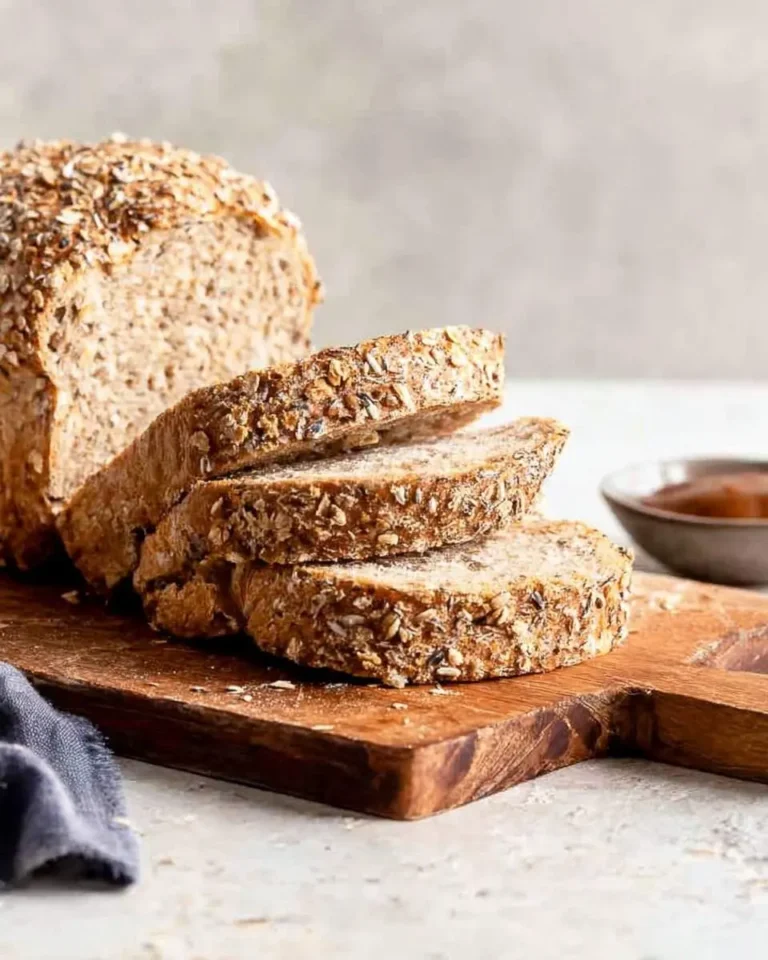
There’s a special kind of magic that happens when the aroma of freshly baked bread fills my kitchen, and nothing quite compares to the comforting scent of a warm, homemade Multigrain Bread loaf straight from the oven. Its hearty crust and tender, seed-flecked interior remind me of the simple joys in life, especially when I’m exploring new baking techniques like those for sourdough bread.
I still remember my grandmother’s kitchen, a haven of delicious smells and flour-dusted surfaces. She always encouraged me to experiment, and that’s where my passion for baking, particularly bread recipes, truly blossomed. I believe every home should experience the joy of baking their own loaf.
This recipe for a wholesome multigrain loaf is not only incredibly satisfying and packed with goodness, but it’s also wonderfully low-stress to prepare, making it a perfect addition to any family meal. My secret? Don’t rush the rising process; patience is key to a truly magnificent result.
What You Need to Make This Recipe
Gathering your ingredients for this wholesome loaf is a joyful part of the process! We’ll be using a delightful mix of rolled oats, various seeds like sunflower and flax, along with whole wheat and bread flours to create our flavorful multigrain bread. It’s a fantastic step up from a simple 3-ingredient artisan bread, and the full list with exact measurements awaits you in the recipe card below.
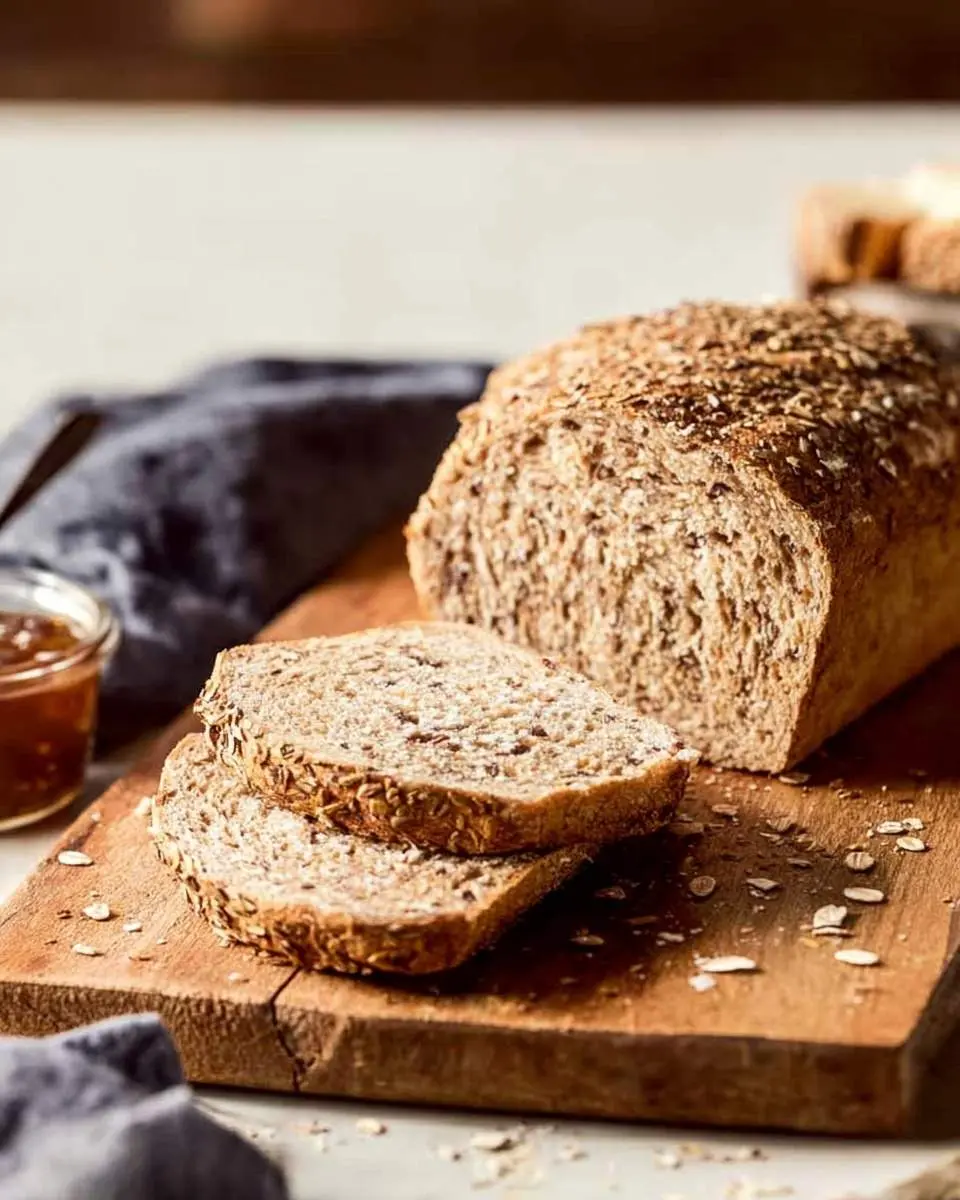
How to Make Multigrain Bread
Crafting this delightful Multigrain Bread is a journey of simple, rewarding steps. We begin by preparing a wholesome soak for the grains, letting them soften beautifully. Next, we move on to developing a rich, elastic dough, which is a surprisingly meditative process, much like creating a lovely rhubarb bread. After the first rise, shaping the loaf is incredibly satisfying. Finally, we bake it to golden perfection, filling your home with an irresistible aroma that signals homemade goodness.
Pro Tips for Making This Multigrain Bread
I’ve learned a few tricks over the years that truly elevate this multigrain bread from good to absolutely fantastic. These are the details that make all the difference in achieving that perfect, bakery-quality loaf at home.
- Hydration is Key: Pay close attention to the dough’s consistency. Depending on your flour and environment, you might need a tiny bit more water or flour. I always aim for a dough that’s slightly sticky but still manageable. This ensures a tender, airy crumb and a beautiful rise.
- Don’t Skimp on the Soak: The multigrain soak, using warm water, oats, sunflower seeds, flax seeds, and sesame seeds, is essential. It softens the grains and seeds, preventing them from absorbing too much moisture from your dough later, which can lead to a dry loaf. I always make sure they are well-hydrated before mixing into the main dough.
- My Secret Trick: My top tip is to always use a kitchen scale for accuracy when measuring flour and water. Baking is a science, and precise measurements are paramount for consistent results, ensuring you achieve that perfect texture and rise every single time. Trust me, it makes a huge difference!
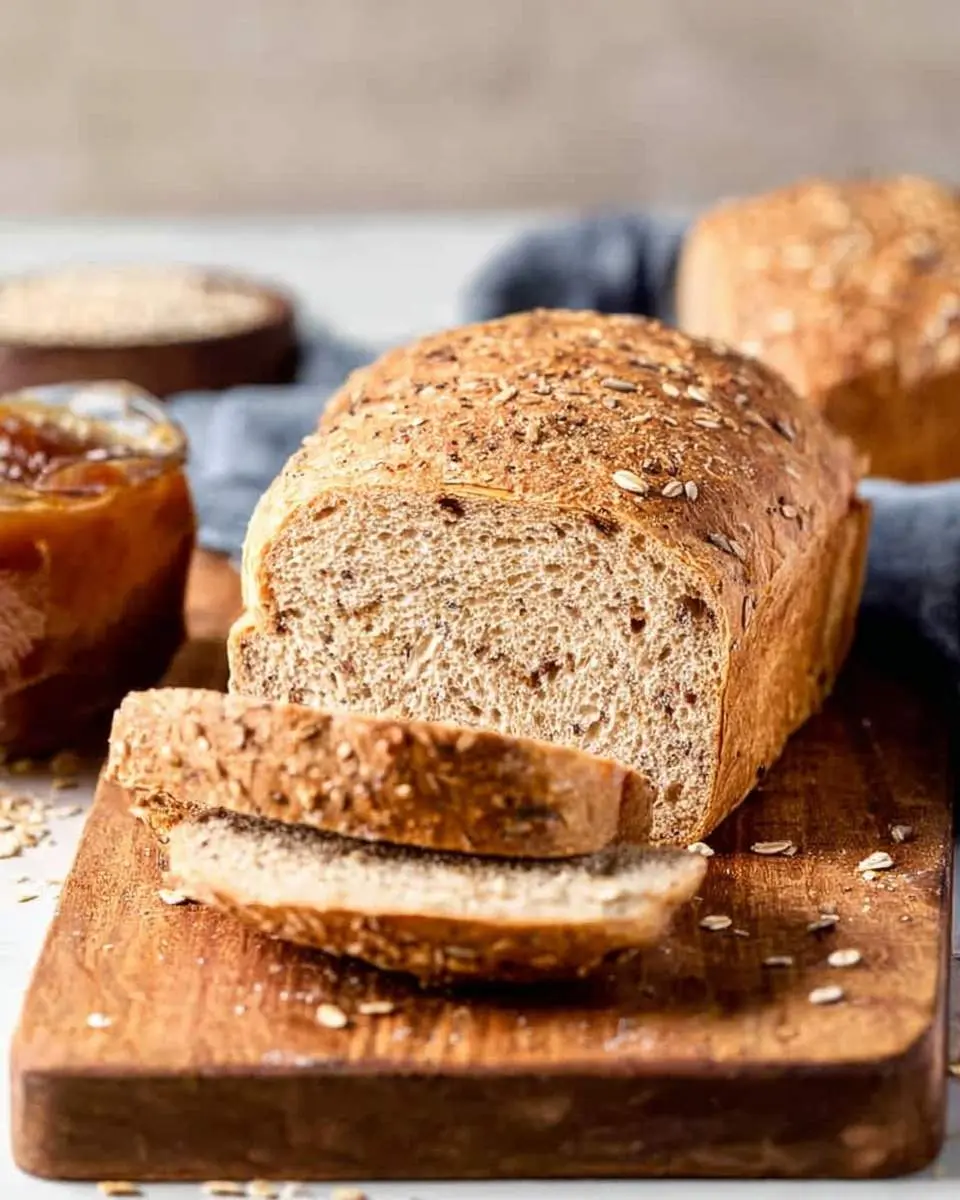
How to Store Multigrain Bread
Once you’ve baked your beautiful Multigrain Bread, knowing how to keep it fresh is essential for enjoying every last slice. For short-term storage, I recommend keeping it at room temperature in an airtight bread bag or container for up to 3-4 days to maintain its softness. For longer freshness, slice the cooled loaf and freeze the slices individually or in a freezer-safe bag. This way, you can easily grab a slice whenever a craving strikes! My personal tip for reheating is to lightly toast the frozen slices – they come out wonderfully crispy on the outside and soft within, just like fresh from the oven.
Nutritional Benefits
This wholesome multigrain bread is packed with incredible goodness, thanks to a delightful blend of rolled oats, flax, sunflower, and sesame seeds, offering a fantastic source of fiber and essential nutrients. It’s a wonderful way to provide a hearty and healthy option for my family’s meals, making nutritious eating both delicious and effortlessly easy.
FAQs
Can I substitute other flours in this Multigrain Bread recipe?
Yes, you can experiment, but I recommend sticking to the whole wheat and bread flour ratio for optimal texture and rise in this multigrain bread. If you do substitute, use similar protein content flours like strong white flour for bread flour, or adjust hydration slightly as different flours absorb liquids differently. This helps maintain the loaf’s structure.
How do I know when my Multigrain Bread dough has risen enough?
For the first rise, the dough should roughly double in size in a warm spot. For the second proof, the shaped loaf will look noticeably puffy and lighter. A good test for multigrain bread is the “poke test”: gently press your finger into the dough; if the indentation slowly springs back halfway, it’s ready for baking.
What are the best seeds to use in Multigrain Bread?
I love using a mix of sunflower, flax, and sesame seeds for both flavor and texture in this multigrain bread, as specified in the recipe. You can also add pumpkin seeds or chia seeds for extra nutrition and crunch, but keep the total quantity of mixed seeds consistent to ensure proper dough hydration.
Can I make this Multigrain Bread ahead of time?
Absolutely! You can prepare the dough up to the first rise (bulk fermentation), then refrigerate it overnight for up to 12-18 hours. The cold fermentation will even deepen the flavors of your multigrain bread. Just remember to bring it back to room temperature for about an hour before shaping and the final proof.
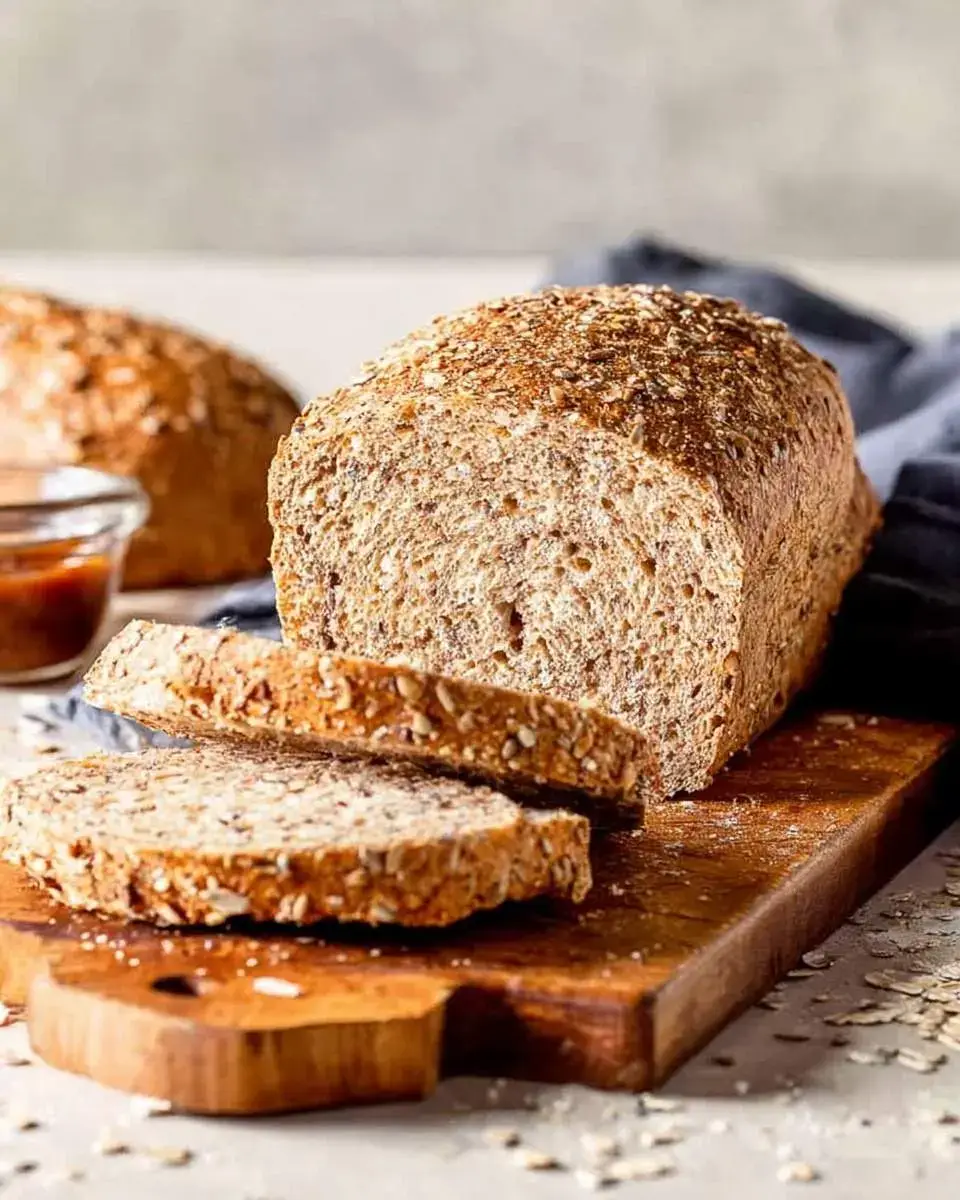

Hearty & Wholesome Multigrain Bread Loaf
Ingredients
Equipment
Method
- In a small bowl, combine rolled oats, sunflower seeds, flax seeds, and sesame seeds. Pour 1 cup of warm water over the mixture, stir well, and let it sit for at least 30 minutes, or while you prepare the yeast, to soften the grains and seeds.
- In a large mixing bowl (or the bowl of a stand mixer), combine 1 1/2 cups warm water and active dry yeast. Stir gently and let it sit for 5-10 minutes until foamy, indicating the yeast is active.
- Add honey, salt, and olive oil to the activated yeast mixture. Stir until well combined.
- Add the whole wheat flour and the soaked multigrain mixture (including any remaining water) to the wet ingredients. Mix briefly until just combined.
- Gradually add the bread flour, about 1/2 cup at a time, mixing until a shaggy dough forms. Turn the dough out onto a lightly floured surface or attach the dough hook to your stand mixer. Knead for 8-10 minutes by hand or 6-8 minutes with a stand mixer on medium-low speed, until the dough is smooth, elastic, and passes the windowpane test.
- Lightly grease the large mixing bowl. Place the dough in the bowl, turning once to coat. Cover the bowl with a clean kitchen towel or plastic wrap and let it rise in a warm, draft-free place for 1.5 to 2 hours, or until doubled in size.
- Gently punch down the risen dough to release the air. Turn the dough out onto a lightly floured surface and gently flatten it into a rectangle approximately 9x12 inches. Roll the dough tightly into a log, pinching the seam closed at the bottom. Tuck the ends under slightly to create a neat loaf shape.
- Lightly grease a 9x5 inch loaf pan. Place the shaped dough seam-side down into the prepared loaf pan.
- Cover the loaf pan with a clean kitchen towel and let it rise in a warm, draft-free place for another 45-60 minutes, or until the dough has nearly doubled in size and extends about an inch above the rim of the pan.
- While the bread is doing its second rise, preheat your oven to 375°F (190°C). If desired, gently brush the top of the risen loaf with the beaten egg wash and sprinkle with the extra mixed seeds.
- Place the loaf pan in the preheated oven. Bake for 30-35 minutes, or until the crust is golden brown and the internal temperature reaches 200-210°F (93-99°C) when measured with an instant-read thermometer. If the top browns too quickly, you can tent it loosely with aluminum foil for the last 10-15 minutes.
- Remove the bread from the oven and immediately turn it out onto a wire cooling rack. Let it cool completely for at least 1-2 hours before slicing. Slicing too early can result in a gummy texture.
Notes
Conclusion
Baking this Multigrain Bread is truly a rewarding experience, bringing warmth and wholesome goodness to your home. It’s perfect for everything from breakfast toast to hearty sandwiches, embodying my philosophy of comforting, practical cooking for busy families. I hope you feel inspired to try this recipe, perhaps even expanding your baking repertoire beyond classic challah bread. I promise, the effort is well worth the incredible aroma and delicious taste!