Multigrain Bread
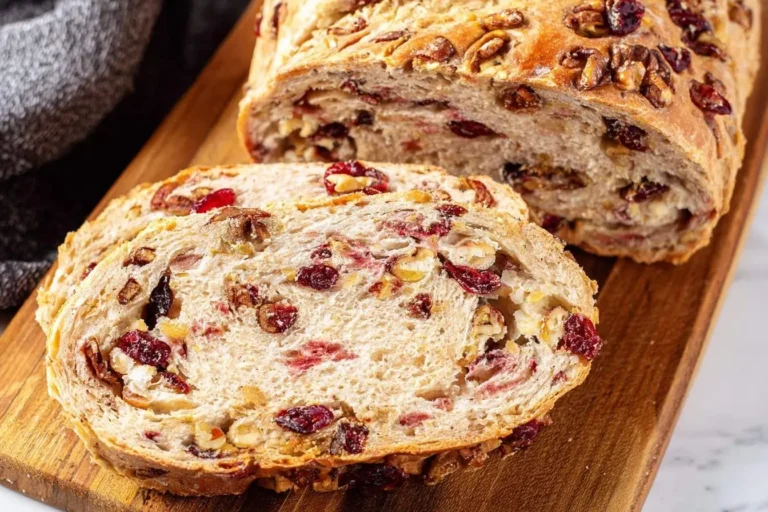
There’s something truly magical about the aroma of freshly baked Multigrain Bread filling my kitchen. It’s a scent that instantly transports me back to happy memories, much like the comforting sweetness of my favorite carrot bread recipe. The crust, oh the crust, crisp and full of toasted seeds, gives way to a soft, tender crumb—pure joy.
I remember vividly trying to bake bread with my grandmother as a little girl, her hands covered in flour, patiently guiding my tiny fingers to knead. Those early lessons sparked a lifelong passion for baking, and this particular multigrain loaf has become a cherished staple in my home.
This recipe isn’t just about making bread; it’s about creating moments of warmth and comfort. It’s incredibly satisfying and surprisingly low-stress, especially when you learn my simple trick for achieving the perfect rise every time.
What You Need to Make This Recipe
Gathering our ingredients for this hearty bread is a delight; I adore the flax, sunflower, and chia seeds that give this Multigrain Bread incredible texture, much like my moist coconut bread. You’ll find the full list in the recipe card below.

How to Make Multigrain Bread
Making this delightful Multigrain Bread is a truly rewarding experience, starting with a simple seed soak, then activating the yeast, mixing and kneading until smooth, and allowing for two peaceful rises before baking to golden perfection, a process that reminds me of crafting a perfect einkorn sandwich bread. It’s a journey of patience and love, resulting in a loaf that’s worth every moment.
Pro Tips for Making This Multigrain Bread
I’ve learned a few things over the years that truly elevate this Multigrain Bread from good to absolutely amazing. My Secret Trick: I always weigh my flours! It’s the most accurate way to ensure consistent results and avoid a dense loaf. Volume measurements can vary so much, and for a bread like this, precision really pays off. Another tip I swear by is not to rush the rises. My dough thrives in a warm, draft-free spot, and I give it all the time it needs. Sometimes, I even let the first rise go a little longer than stated if my kitchen is cooler. Trust your dough, it will tell you when it’s ready!

How to Store Multigrain Bread
To keep your homemade Multigrain Bread at its best, I always recommend storing any leftovers properly. For short-term (1-2 days), a bread box or simply wrapping it tightly in a clean tea towel works wonderfully on the counter. If you want to enjoy it longer, I slice and freeze it! My personal tip is to freeze individual slices so you can grab just what you need and pop it into the toaster for that fresh-baked taste anytime. Reheating slowly in a toaster or oven helps bring back its lovely crust and soft interior.
Nutritional Benefits
This wholesome Multigrain Bread is packed with goodness, offering a fantastic source of fiber from the grains and beneficial omega-3s from the flax and chia. It’s a truly delicious way to nourish my family.
FAQs
Can I use different seeds in this recipe?
Absolutely! I encourage you to experiment with your favorite seeds. While flax, sunflower, and chia are what make this a true Multigrain Bread, you could easily substitute pumpkin seeds or even a blend of your own choosing. Just keep the total quantity similar to maintain the dough’s hydration.
How do I know if my yeast is active?
It’s crucial your yeast is active for a good rise. I combine it with warm water and a touch of honey. If it foams and bubbles within 5-10 minutes, it’s alive and ready to make your delicious Multigrain Bread. If not, grab fresh yeast before proceeding.
Why did my bread turn out dense?
A dense Multigrain Bread often results from not enough kneading or insufficient rise time. Ensure you develop gluten properly and allow ample time for the dough to double in size during both proofing stages. A cooler kitchen might require a longer rise for the best texture.
Can I make this Multigrain Bread without a stand mixer?
Absolutely! I’ve made countless loaves of Multigrain Bread by hand. While a stand mixer simplifies kneading, hand-kneading works just as well. Be prepared for a good arm workout and enjoy the meditative rhythm of working the dough until it’s smooth and elastic.


Hearty Multigrain Seeded Bread
Ingredients
Equipment
Method
- In a small heatproof bowl, combine flax seeds, sunflower seeds, chia seeds, and boiling water. Stir well, then cover and let sit for at least 15 minutes, or until the water is absorbed and the mixture is gelatinous. This can be prepared up to an hour in advance.
- In the bowl of a stand mixer, combine the warm water, honey (or maple syrup), and instant dry yeast. Stir gently and let sit for 5-10 minutes until foamy, indicating the yeast is active.
- Add the bread flour, whole wheat flour, rye flour, rolled oats, and sea salt to the yeast mixture in the stand mixer. Add the olive oil and the prepared seed soak.
- Attach the dough hook to the stand mixer. Mix on low speed for 2-3 minutes until all ingredients are well combined and a shaggy dough forms. Scrape down the sides of the bowl as needed.
- Increase the speed to medium-low and knead for 8-10 minutes, or until the dough is smooth, elastic, and pulls away cleanly from the sides of the bowl. It should be slightly tacky but not sticky.
- Lightly grease a large clean bowl with olive oil. Transfer the dough to the greased bowl, turning once to coat. Cover the bowl tightly with plastic wrap or a clean kitchen towel.
- Place the bowl in a warm, draft-free place (such as a turned-off oven with the light on) and let rise for 90-120 minutes, or until doubled in size. The exact time will depend on the temperature of your kitchen.
- Gently punch down the dough to release the air. Transfer the dough to a lightly floured work surface.
- Shape the dough into a round boule or an oblong batard. To do this, gently flatten the dough into a rough rectangle, then fold the top third down to the center, and the bottom third up and over to meet the top. Pinch the seam. Then, roll it tightly from one end to the other to create tension on the surface. Pinch the seams closed at the bottom.
- If using a Dutch oven, line the bottom of a proofing basket (banneton) or a bowl with parchment paper, leaving generous overhang. If using a baking sheet, place the shaped loaf directly onto a piece of parchment paper on a baking sheet. Sprinkle the top of the loaf with the optional rolled oats, sesame seeds, and poppy seeds.
- Cover the loaf loosely with a clean kitchen towel or plastic wrap. Let it rise in a warm place for 45-60 minutes, or until it looks puffy and springs back slowly when gently poked (do not let it overproof).
- About 30 minutes before baking, preheat your oven to 450°F (232°C) with the Dutch oven (if using) inside. If using a baking sheet, just preheat the oven.
- Carefully remove the hot Dutch oven from the oven. Using the parchment paper, gently transfer the proofed dough into the hot Dutch oven (or onto the preheated baking sheet). Using a sharp knife or a bread lame, score the top of the loaf with a single deep slash or a decorative pattern.
- If using a Dutch oven, cover it with its lid and return it to the oven. Bake for 25 minutes covered.
- Remove the lid (or continue baking if using a baking sheet) and reduce the oven temperature to 425°F (218°C). Bake for another 15-20 minutes, or until the crust is deeply golden brown and the internal temperature reaches 200-210°F (93-99°C).
- Carefully remove the bread from the Dutch oven or baking sheet and transfer it to a wire cooling rack. Allow the bread to cool completely for at least 1-2 hours before slicing. Slicing too early can result in a gummy texture.
Notes
Conclusion
There you have it—my cherished recipe for Multigrain Bread. I truly believe that baking at home, especially something as wholesome as this, fills your kitchen with warmth and your family with healthy goodness. This hearty loaf is perfect for sandwiches, toast, or simply tearing off a piece and enjoying it plain. I hope you find as much joy in making and sharing this multigrain bread as I do. Happy baking, my friends!