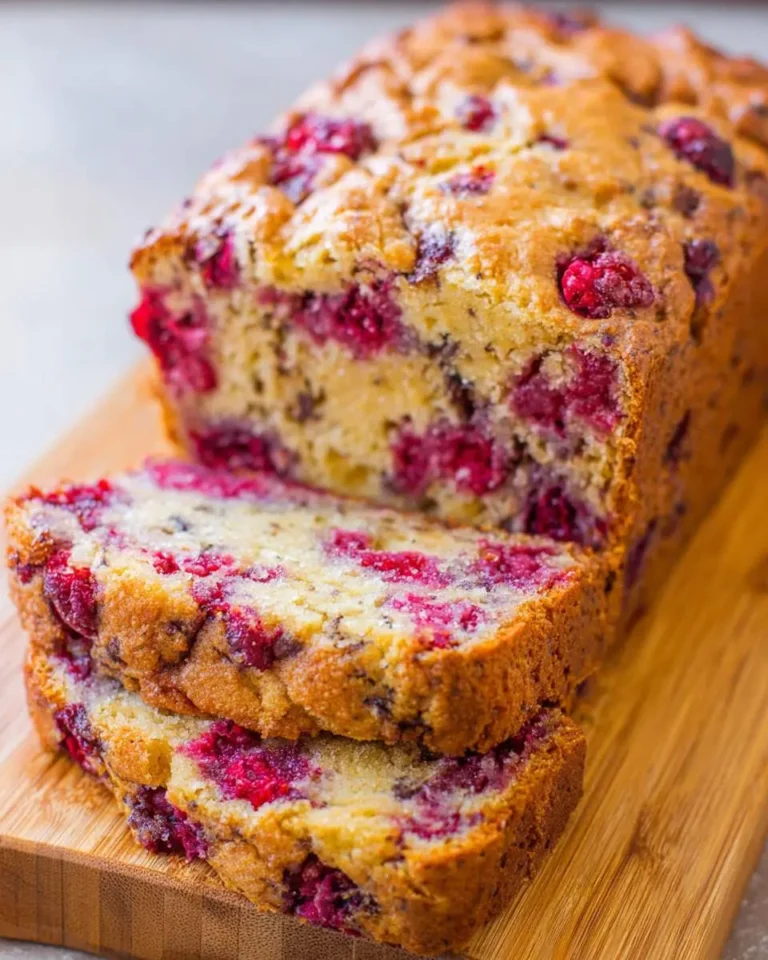
spinach feta bread
The first time I pulled a loaf of spinach feta bread from my oven, the kitchen filled with this savory, almost grassy aroma that made me tear off a piece before it had even cooled. Steam rose from the crumb, revealing pockets of melted feta and wilted green ribbons that looked like they belonged in a painting, not on my cutting board. I stood there at the counter, butter in hand, wondering how something so beautiful had come from my own two hands.
That was three years ago, during a February when I was desperate for anything that felt like spring. My grandmother had sent me her handwritten recipe for spanakopita, and I got it in my head that those flavors belonged in bread instead. I failed twice — once with soggy dough, once with cheese that burned before the crust browned. The third try, something clicked. The bread rose tall and proud, and I ate half the loaf standing at the window, watching snow fall.
Now I make this whenever I need that same feeling of triumph. If you are new to savory breads, you might also love my garlic knots — they taught me that yeast and patience are the real secret ingredients.
What You Need to Make This Recipe
Fresh spinach matters more than you might think — frozen holds too much water and will fight your dough, leaving you with dense, gummy spots that never quite bake through. I use a full-fat feta packed in brine; the pre-crumbled kind tastes like salt and sadness, while the block stuff crumbles into creamy chunks that melt into irregular pockets throughout your spinach feta bread. A good olive oil in the dough itself adds fruitiness that bridges the gap between the sharp cheese and earthy greens. For another olive oil-based bread, my olive rosemary focaccia uses the same technique of letting the fat do flavor work.

How to Make spinach feta bread
I start early in the morning, when the kitchen is still quiet and the yeast wakes up slowly in warm water. The dough comes together shaggy and sticky, and I resist the urge to add more flour — that tackiness becomes the tender crumb I am after. While it rises, I wilt the spinach in a hot pan just until it collapses, then squeeze it in a clean kitchen towel until no more water drips out. This step feels like wringing out a sponge, and my hands always end up faintly green.
The first rise takes about an hour, until the dough doubles and my finger leaves a mark that stays. I turn it out gently, spread the spinach and feta across the surface, and fold the dough like a letter — bottom third up, top third down, then roll into a tight log. The second rise is shorter, just until the loaf looks puffy and soft. Into a hot oven it goes, and I listen for that hollow thump when I tap the bottom, the sound that means it is done. The beetroot spinach bread braid on my site uses a similar folding technique if you want to practice the motion.
Pro Tips
Salt your spinach while it wilts. A pinch in the hot pan draws out moisture faster, which means less squeezing later and more concentrated flavor in every bite.
Crumb your feta by hand, not with a fork. Irregular chunks create those dramatic pockets you see in bakery loaves; uniform crumbles disappear into the dough and never surprise you.
Let the shaped loaf rest on parchment, not directly on the pan. The parchment becomes a sling you can lift into the oven without deflating all that precious air you spent two rises building.
My Secret Trick: I save a tablespoon of the feta brine and brush it on the crust right when the bread comes out of the oven — it creates a glossy, slightly salty shell that cracks beautifully when you tear into it.

How to Store spinach feta bread
- Room temperature: Wrap tightly in beeswax wrap or foil and store in a bread box for up to 2 days — the feta means it stales faster than plain bread.
- Refrigerator: Not recommended; the cold accelerates starch retrogradation and ruins the texture within hours.
- Freezer: Slice completely cooled loaf, wrap individual slices in parchment then foil, and freeze for up to 3 months. Thaw at room temperature or toast directly from frozen.
- Reheating: Wrap in foil and warm in a 350°F oven for 10 minutes, or toast slices until the edges crisp and the feta softens again.
Nutritional Benefits
This spinach feta bread carries more than comfort in each slice — the spinach contributes iron and folate in amounts that actually matter, not just token amounts to claim a health halo. The feta brings protein and calcium, and because it is so flavorful, you end up satisfied with less. I am not calling it health food, but I am saying it feeds you in ways that matter beyond the first warm bite.

FAQs
Can I use frozen spinach instead of fresh?
Fresh spinach is worth the effort — frozen holds excess water that makes dough gummy and requires aggressive squeezing that often leaves you with too little vegetable matter. If you must use frozen, thaw completely and squeeze until absolutely dry.
Why did my feta disappear into the bread?
Pre-crumbled feta is too fine and dry; it melts into the dough rather than forming pockets. Buy block feta in brine and break it into irregular chunks with your fingers for those dramatic bakery-style pockets.
Can I make this spinach feta bread without a stand mixer?
Absolutely — I made it by hand for two years before getting my mixer. The dough is sticky, so use a bench scraper and wet hands rather than adding extra flour, which would toughen the crumb.
How do I know when the bread is fully baked?
Tap the bottom — a hollow sound means the interior structure has set. The crust should be deeply golden, and an instant-read thermometer inserted into the center should read 190-200°F.


Spinach Feta Bread
Ingredients
Equipment
Method
- Heat 1 tablespoon olive oil in a medium skillet over medium heat. Add spinach in batches, stirring until just wilted, about 3 minutes total. Transfer to a colander and press out as much liquid as possible with the back of a spoon. Roughly chop and set aside to cool slightly.
- Preheat oven to 350°F. Line a 9x5 inch loaf pan with parchment paper, leaving an overhang for easy removal. In a large bowl, whisk together flour, baking powder, salt, and pepper. Add 5 ounces of the crumbled feta and toss to coat in the flour mixture.
- In a separate bowl, whisk eggs until foamy, then whisk in milk and extra virgin olive oil until combined.
- Pour wet ingredients into dry ingredients and stir with a rubber spatula until just combined and no dry flour remains. The batter will be thick. Gently fold in the chopped spinach, being careful not to overmix.
- Scrape batter into the prepared pan and smooth the top. Sprinkle remaining 1 ounce feta over the surface. Bake until golden brown and a toothpick inserted in the center comes out clean, 50 to 55 minutes. The internal temperature should read 200°F.
- Let cool in the pan for 10 minutes, then lift out using the parchment overhang and transfer to a wire rack. Cool for at least 30 minutes before slicing - the texture improves as it rests.
Notes
Conclusion
I still make this spinach feta bread on gray days when I need proof that I can create something good from simple things. The recipe has never failed me since that third try, and I hope it becomes that reliable friend in your kitchen too. For another savory loaf that builds on these skills, try my caramelized onion cheddar bread — the slow-cooked onions teach you patience that serves every bread you will ever make.