Olive Rosemary Focaccia
The smell of warm, yeasty bread baking always pulls me back to my grandmother’s kitchen, a place filled with comfort and anticipation. This past weekend, I brought that feeling home with a glorious Olive Rosemary Focaccia that truly captured the essence of cozy perfection.
I remember the first time I ever tasted focaccia; it was at a small Italian bakery, and I was just captivated by its chewy texture and the simple, elegant flavor of olive oil and herbs. It felt like a culinary secret I needed to unlock for myself.
This recipe was a journey, and I’m so excited to share it with you, just like how I shared my love for baked goods with my blueberry pancake bread.
What You Need to Make This Recipe
When I set out to make this incredible Olive Rosemary Focaccia, I knew the star players had to be top-notch; good quality extra virgin olive oil is non-negotiable for that rich, fruity depth, and fresh rosemary sprigs, not dried, will infuse every bite with an aromatic lift. Don’t forget the brine-cured olives, their salty tang is what truly makes this version sing and sets it apart, much like how the right chocolate can elevate chocolate caramel banana bread.

How to Make Olive Rosemary Focaccia
The process starts simply enough, with warm water and yeast coming to life, bubbling gently, a sure sign of magic beginning. Then, combining it with flour, salt, and olive oil, I watch as the dough transforms from shaggy to a smooth, pliable mass under my hands. It’s an almost meditative experience, stretching and folding the dough, feeling it gain strength and elasticity with each turn, preparing for its beautiful rise, much like my earlier rosemary focaccia.
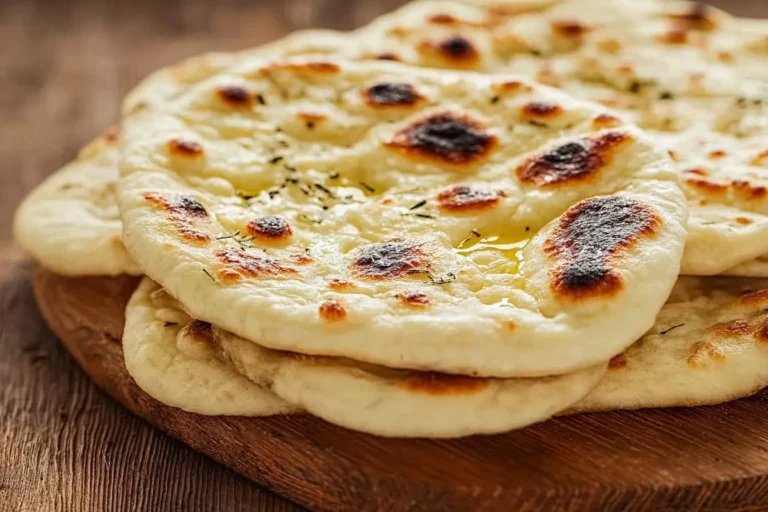
As it proofs, the kitchen fills with that comforting, yeasty scent, a promise of good things to come. Once it’s plump and dimpled, I lovingly press in the olives and rosemary, adding a final drizzle of olive oil, watching it shimmer before sliding it into the hot oven. The sound of the crust crackling as it bakes, and the way the entire house starts to smell of savory herbs and rich olive oil, is pure bliss.
Pro Tips
Achieving that perfect crust and tender crumb comes down to a few key details I’ve learned along the way.
Firstly, don’t rush the proofing; letting the dough double in size, especially in a slightly warm spot, builds incredible flavor and that airy, open crumb texture we all crave.
Secondly, be generous with the olive oil, not just in the dough, but also coating the pan and drizzling over the top before baking; this is essential for a golden, crisp bottom and a rich, moist interior.
My Secret Trick: Use warm, not hot, water for your yeast – too hot will kill it, too cold will slow it down too much, and getting it just right (around 105-115°F) ensures a strong, active rise every time.

How to Store Olive Rosemary Focaccia
- For short-term freshness, I store leftover focaccia at room temperature, wrapped tightly in plastic wrap or foil, for up to 2 days to keep that beautiful crust from getting soggy.
- If I want to extend its life, I’ll wrap individual slices or larger pieces securely in plastic wrap and then in foil, placing them in the freezer for up to 1 month.
- To reheat, I love to pop a slice in a preheated oven at 350°F (175°C) for about 5-10 minutes, or until warmed through and the crust is crisp again. Avoid the microwave if you can, it makes it chewy!
Nutritional Benefits
Beyond its incredible taste, this bread offers some surprising goodness. The extra virgin olive oil provides healthy monounsaturated fats, and the olives themselves contribute beneficial antioxidants. Plus, rosemary isn’t just for flavor; it’s also known for its anti-inflammatory properties, making this a delicious way to incorporate some wholesome ingredients into your meal.

FAQs
Can I use dried rosemary instead of fresh?
While fresh rosemary offers the most vibrant flavor and aroma, you can substitute dried rosemary. I recommend using about half the amount of dried for fresh, as its flavor is more concentrated. Just sprinkle it in during the dough mixing phase.
What kind of olives are best for this Olive Rosemary Focaccia?
I find Kalamata or Castelvetrano olives work wonderfully! Their briny, rich flavors really complement the rosemary and olive oil. Just make sure they’re pitted, and I like to roughly chop larger ones for even distribution throughout the bread.
How do I get those perfect focaccia dimples?
The trick is to use well-oiled fingertips and gently, but firmly, press them into the proofed dough just before baking. Don’t press all the way through, but create deep enough indentations to hold puddles of olive oil and seasonings, which caramelize beautifully.
Why is my focaccia dense and not airy?
A dense focaccia often means the dough didn’t proof long enough, or your yeast wasn’t active. Ensure your water is the right temperature for yeast activation and give the dough ample time in a warm spot to rise fully, creating that lovely open crumb.


Olive Rosemary Focaccia
Ingredients
Equipment
Method
- In a large bowl, combine the warm water, granulated sugar, and active dry yeast. Give it a gentle stir and let it sit for 5-10 minutes, or until the mixture becomes foamy. This tells you your yeast is alive and ready to work!
- Add the all-purpose flour, kosher salt, and 1/4 cup of extra virgin olive oil to the yeast mixture. Mix with a sturdy wooden spoon or spatula until a shaggy, cohesive dough forms. It doesn't need to be perfectly smooth at this stage.
- Lightly oil a clean large bowl with a drizzle of olive oil. Transfer the dough to this bowl, turning it once to coat all sides. Cover the bowl tightly with plastic wrap or a damp kitchen towel. Let it rise in a warm place for 1 to 1.5 hours, or until it has visibly doubled in size.
- Drizzle about 2 tablespoons of olive oil into a 9x13 inch baking pan, ensuring the bottom is well coated. Gently transfer the risen dough into the prepared pan, turning it once to coat in the oil. Using your hands, gently stretch the dough to mostly fill the pan. It's okay if it springs back a bit. Cover the pan again with plastic wrap or a damp towel and let it rest for another 15-20 minutes.
- Preheat your oven to 400°F (200°C). Uncover the dough in the pan. Using oiled fingertips, gently press dimples all over the surface of the dough, trying to go almost all the way to the bottom. Scatter the halved Kalamata olives and chopped fresh rosemary evenly over the dough, pressing them lightly into the dimples. Drizzle generously with an additional 1-2 tablespoons of olive oil and sprinkle with flaky sea salt.
- Bake for 20-25 minutes, or until the focaccia is golden brown on top and cooked through. The bottom should also have a nice golden hue.
- Carefully remove the focaccia from the pan and transfer it to a wire rack to cool for at least 15 minutes before slicing and serving. This allows it to set properly and ensures a perfect texture.
Notes
Conclusion
There’s something truly special about pulling a golden, aromatic Olive Rosemary Focaccia from the oven. It’s more than just bread; it’s a piece of warmth, comfort, and homemade love. I hope you feel as much joy baking and sharing it as I did. It’s a rewarding culinary adventure, almost as satisfying as diving into a slice of my sourdough olive bread.