steak marinade
The first time I made a proper steak marinade, I was standing in my tiny apartment kitchen at 10 PM, staring at a cheap cut of beef and willing it to taste like something from a steakhouse. I had no idea that a simple mixture of pantry staples would transform that grocery store ribeye into something that made my husband close his eyes and actually stop talking mid-sentence. That silence — the good kind, the kind that means someone is genuinely tasting their food — became my addiction.
My grandmother never measured anything. She’d splash soy sauce into a bowl, add a glug of oil, some garlic she smashed with the side of her knife, and whatever herbs were wilting in her windowsill. I watched her do this dozens of times, but I never wrote it down. When she passed, I spent six months trying to recreate that flavor memory, failing repeatedly until one Tuesday night, the kitchen smelled exactly right. I stood there crying over a bowl of marinade like a fool, but I had found it.
This is the recipe that came from those experiments. It’s forgiving, flexible, and works on everything from flank steak to sirloin. I’ve used it for creamy steak pasta nights when I need comfort food, and for fancy dinners when I’m trying to impress. The magic is in the balance — acid to tenderize, oil to carry flavor, time to do the work.
What You Need to Make This Recipe
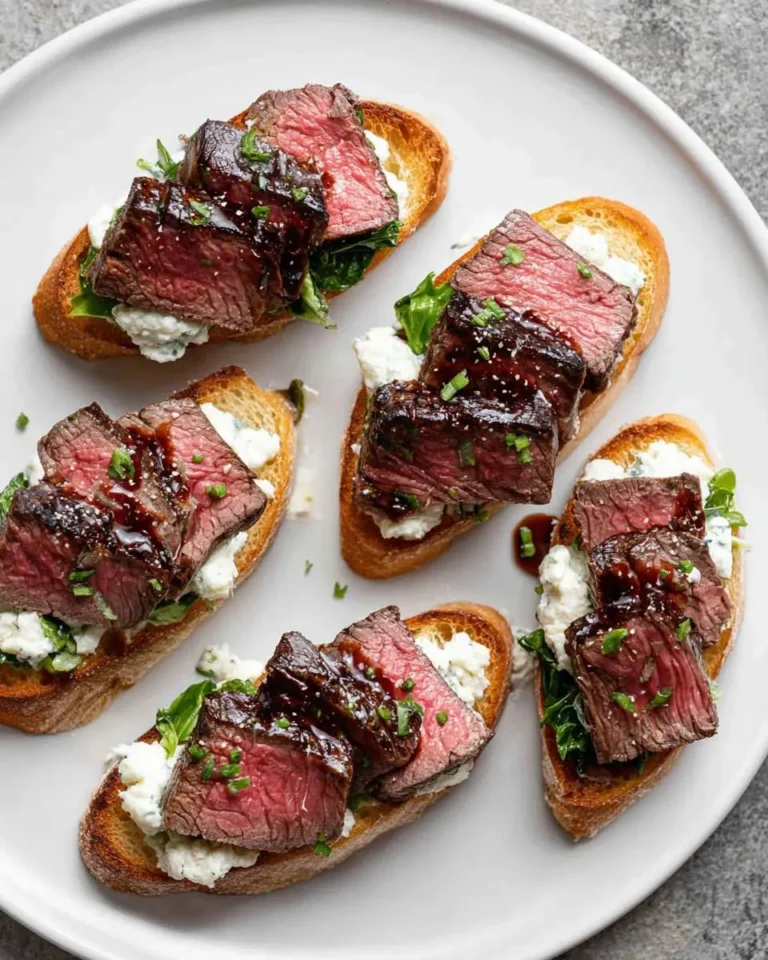
The foundation of any great steak marinade starts with soy sauce — not the low-sodium kind, which I find too thin, but the regular stuff that clings to meat and delivers that deep umami punch. Fresh garlic matters more than you’d think; the jarred pre-minced version has a harsh, almost chemical edge that fresh cloves simply don’t. I also reach for Worcestershire sauce every single time — it’s my secret weapon for adding complexity without sweetness, that fermented tang that makes people ask what you did differently. A little blue cheese butter on top never hurts either, but the marinade itself does the heavy lifting.

How to Make steak marinade
I start with a bowl big enough to hold my steak comfortably, whisking the soy sauce and Worcestershire together first so they fully combine before the oil goes in — otherwise you get separation that never quite fixes itself. The garlic gets minced fine, almost to a paste, because I want it to dissolve into the liquid rather than sit in chunks that burn on the grill. When I add the oil, I whisk constantly until the mixture turns glossy and slightly thickened, like loose salad dressing.
The steak goes in, and I press it down with my hands to make sure every surface touches liquid. I cover the bowl with plastic wrap, not a lid, because I want to smell it every time I open the fridge — that signal that something good is waiting. Thirty minutes is my minimum, but I’ve left it overnight when life got busy, and the texture stays perfect if you don’t go past twelve hours. When it’s time to cook, I pull the meat out and let it sit on the counter for a full twenty minutes; cold steak on a hot pan steams instead of sears, and I’ve learned that lesson the hard way. I’ve used this same method for skirt steak tacos when I’m feeding a crowd, and it never fails.
Pro Tips
Score your steak lightly before marinating — just shallow crosshatch cuts with a sharp knife. The increased surface area lets the marinade penetrate deeper, and I’ve noticed the flavor carries all the way through instead of just seasoning the exterior.
Save a tablespoon of marinade before you add the raw meat, then boil it for two minutes and use it as a finishing sauce. The heat kills any bacteria, and you get that concentrated flavor drizzled over your sliced steak without any waste.
Pat the steak bone-dry before it hits the pan, even if you marinated for hours. Moisture is the enemy of the crust, and I’ve ruined too many beautiful cuts by being impatient with my paper towels.
My Secret Trick: Add a teaspoon of fish sauce to the marinade — just one teaspoon, I promise it won’t taste fishy. It amplifies the savory depth in a way that makes people think you used some expensive aged ingredient they can’t identify.

How to Store steak marinade
- Unused marinade keeps in an airtight container in the refrigerator for up to 5 days — I use a glass jar with a tight lid to prevent the garlic smell from permeating everything else.
- Do not reuse marinade that has touched raw meat unless you boil it first for at least 2 minutes at a rolling boil.
- Marinated raw steak can be refrigerated for up to 12 hours in the marinade; beyond that, the texture begins to break down and turns mushy.
- Cooked leftover steak stores wrapped tightly in foil or in an airtight container for 3-4 days at 40°F or below.
- Reheat cooked steak gently in a 250°F oven wrapped in foil with a splash of beef broth, or slice cold and add to salads — the microwave makes it tough and rubbery.
Nutritional Benefits
This steak marinade delivers more than flavor — the garlic contains allicin, a compound with documented anti-inflammatory properties that survives brief cooking, and the moderate amount of oil helps your body absorb the fat-soluble vitamins present in quality beef. Using a proper steak marinade also means you can choose leaner, less expensive cuts and still achieve tenderness, stretching your grocery budget without sacrificing satisfaction at the table.

FAQs
How long should I marinate steak?
Thirty minutes is my absolute minimum for any cut, but two to four hours hits the sweet spot for flavor penetration without texture breakdown. I never go beyond twelve hours, even for tough cuts — the acid will eventually turn the meat mushy and unpleasant.
Can I use this marinade on chicken or pork?
Absolutely, though I reduce the time to two hours maximum for chicken breast, which is more delicate. Pork shoulder can handle the full twelve hours, but tenderloin needs the same shortened window as chicken to prevent that mealy texture.
Should I rinse the marinade off before cooking?
Never rinse — you’ll wash away flavor and create a wet surface that steams instead of sears. Simply lift the steak out, let excess drip off, and pat thoroughly dry with paper towels before it hits the heat.
Can I freeze steak in this marinade?
Yes, and I do this constantly for meal prep. Freeze the raw steak submerged in marinade in a freezer bag with all air pressed out; it lasts three months and actually improves as the flavors meld during freezing. Thaw overnight in the refrigerator before cooking.


Steak Marinade
Ingredients
Equipment
Method
- In a small bowl, whisk together soy sauce, Worcestershire, olive oil, lemon juice, garlic, Dijon mustard, brown sugar, black pepper, rosemary, and red pepper flakes until the sugar dissolves and the mixture emulsifies slightly.
- Place 1.5 to 2 pounds of steak (flank, skirt, sirloin, or ribeye) in a gallon zip-top bag or shallow dish. Pour marinade over the steak, seal or cover, and massage to coat evenly.
- Refrigerate for at least 2 hours, ideally 4 to 8 hours. Flip the bag or turn the steak halfway through if possible. Do not exceed 12 hours or the acid will break down the meat too much.
- Remove steak from marinade 30 minutes before cooking. Pat completely dry with paper towels - this is essential for a good sear. Discard used marinade.
- Grill over high heat or sear in a screaming hot cast-iron skillet for 3 to 4 minutes per side for medium-rare, depending on thickness. Rest 5 to 10 minutes before slicing against the grain.
Notes
Conclusion
This steak marinade has saved more weeknight dinners at my house than I can count, turning forgotten freezer finds into meals that feel intentional and special. I hope it becomes your reliable back-pocket recipe too, the one you reach for when you need to feed people well without overthinking. For my favorite way to cook the finished steak, check out my notes on grilling skirt steak — the technique works beautifully with any cut this marinade touches.