Thai peanut sauce
I remember the first time I truly fell in love with a good Thai peanut sauce. It wasn’t in a restaurant, but at home, after countless attempts to replicate that perfect balance of sweet, savory, and spicy. That rich, creamy hug of flavor just makes everything better.
For years, I’d bought jarred versions, thinking they were ‘good enough.’ But one evening, after a particularly uninspiring takeout meal, I decided enough was enough. I needed to craft my own, something that sang with freshness and depth.
It’s funny how a simple sauce can transform a meal, isn’t it? Much like how I discovered the incredible versatility of my morel mushroom sauce, this recipe has become a true staple in my kitchen, and I can’t wait for you to experience it.
What You Need to Make This Recipe
Making an authentic Thai peanut sauce really hinges on a few star ingredients that sing together. You absolutely need good quality peanut butter – I prefer a natural, unsweetened kind so I can control the sweetness myself, giving this Thai peanut sauce its rich, nutty base. Fresh lime juice is non-negotiable; it brings that essential bright, zesty tang, a stark contrast to bottled juices, and a touch of fresh ginger adds a warm, spicy kick that truly elevates the flavor profile, much like the unexpected zest I found in my rhubarb sauce.
How to Make Thai peanut sauce
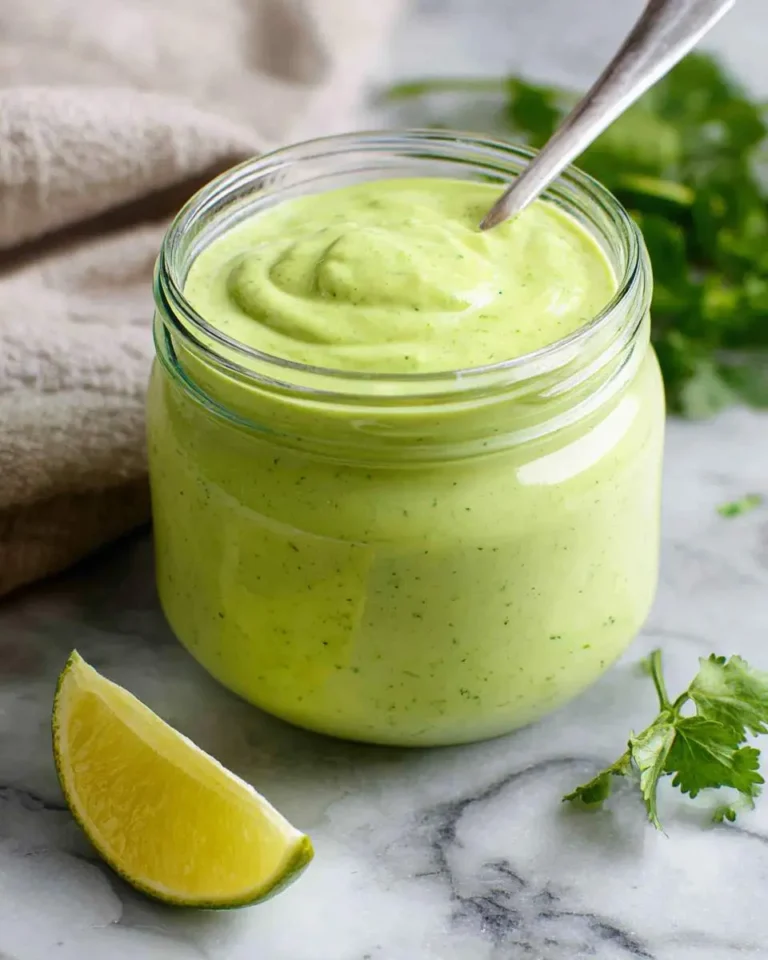
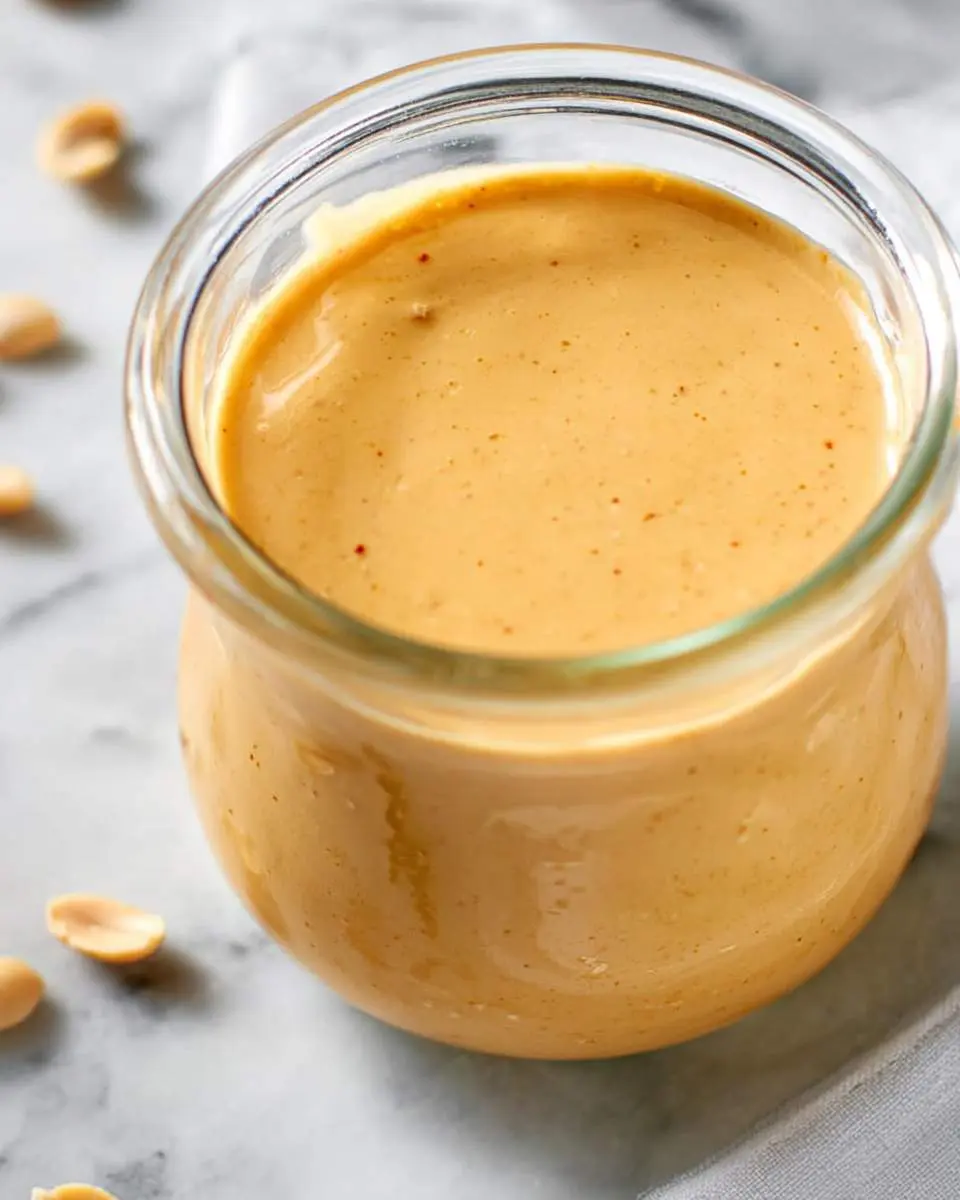
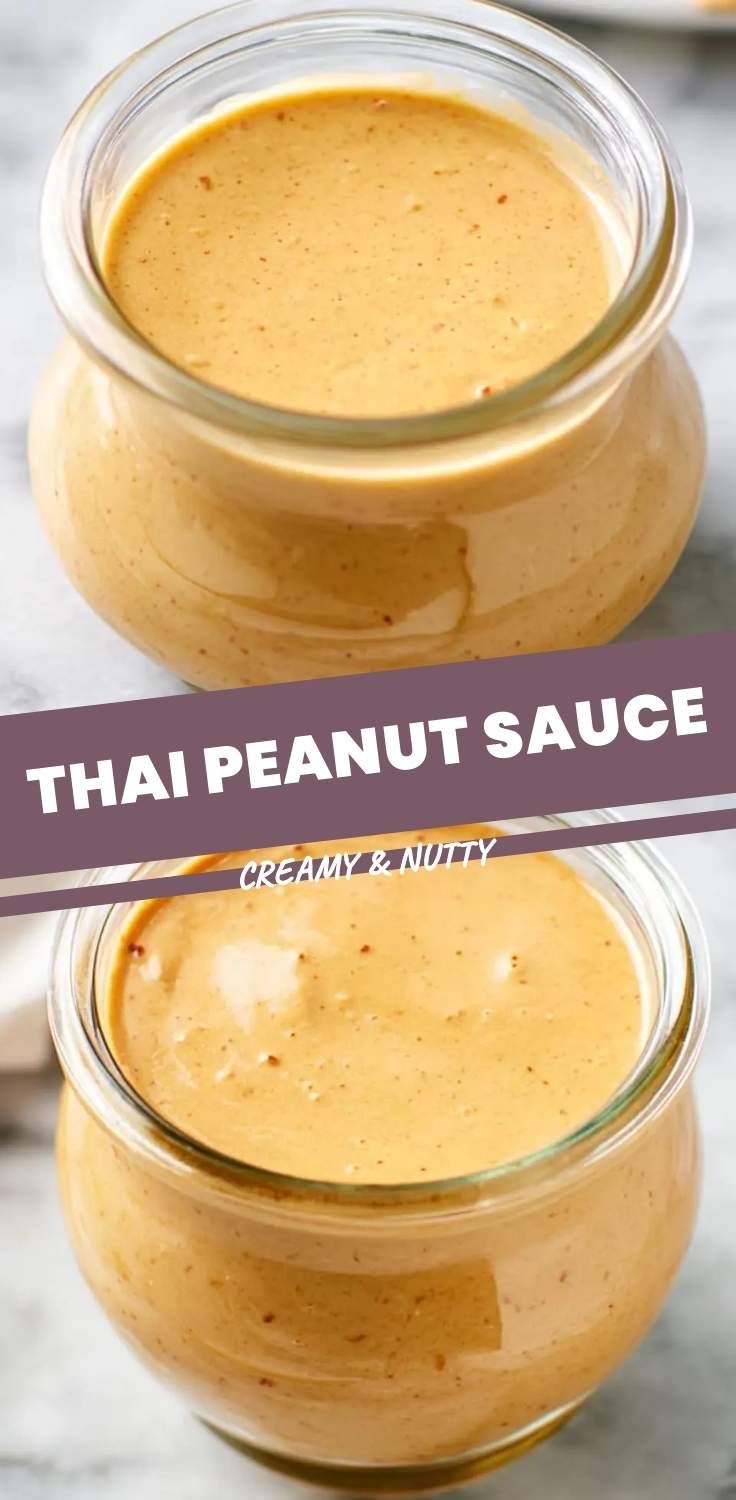
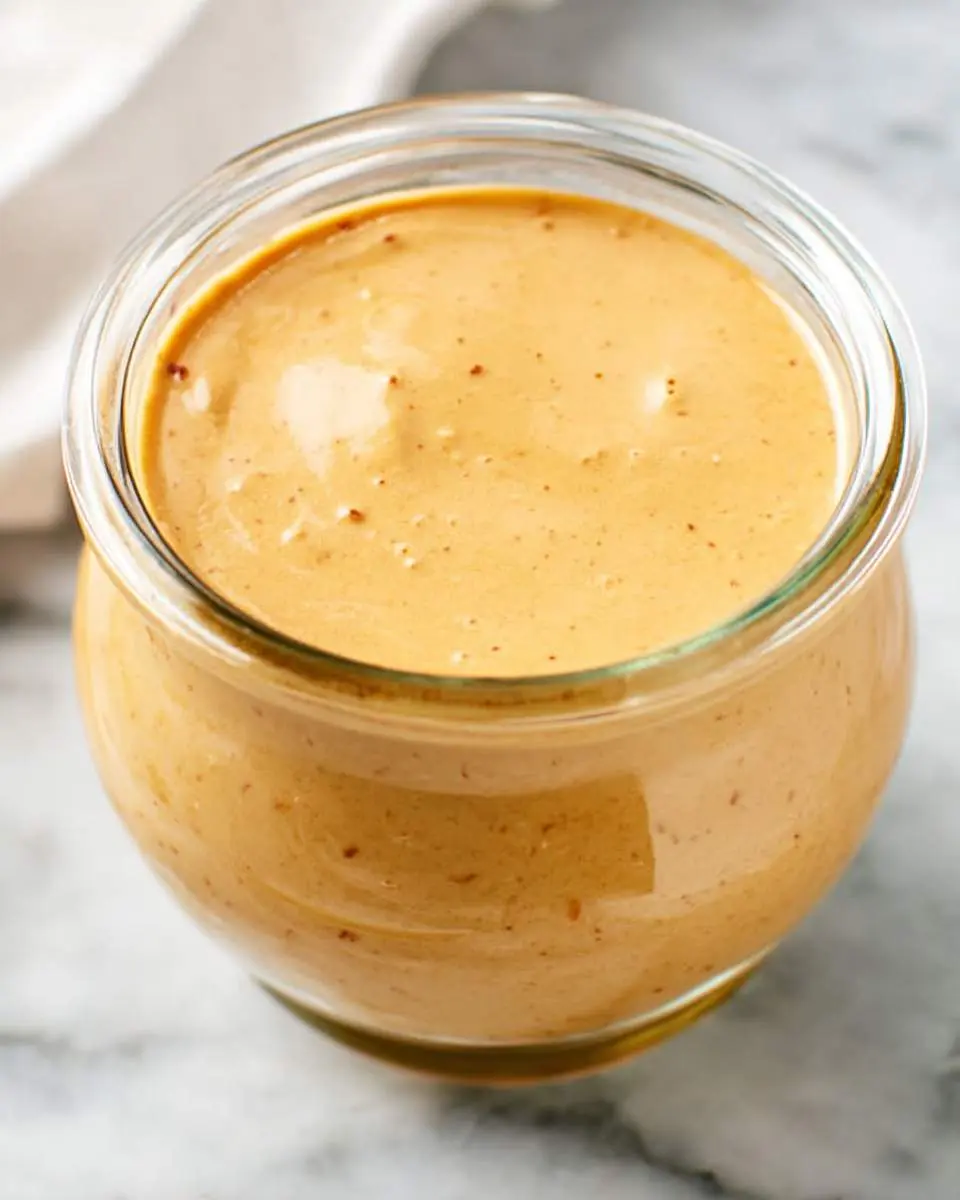
The magic really happens as you bring everything together in the pan. I start by whisking the peanut butter with a little warm water, watching it transform from a thick paste into a smooth, pourable base. Then, as I stir in the soy sauce, lime, and a hint of brown sugar, the kitchen fills with the most incredible aroma – that perfect sweet and savory blend. You’ll notice it slowly thicken, coating the spoon beautifully, signaling that it’s just about ready to drizzle over everything imaginable. It’s a truly satisfying process, creating something so vibrant and flavorful, much like when I whip up a batch of my creamy cilantro garlic sauce.
Pro Tips
Always use fresh lime juice; the bottled stuff just doesn’t deliver that vibrant, zingy punch that cuts through the richness and truly brightens this amazing Thai peanut sauce.
Don’t be afraid to taste and adjust! If it feels too thick, add water or a splash of broth a tablespoon at a time until you reach your desired pourable consistency.
Toasting a few extra peanuts and chopping them finely for a garnish adds an incredible crunch and boosts that nutty flavor, making every bite more exciting.
My Secret Trick: Stirring in a tablespoon or two of full-fat coconut milk at the very end smooths out the flavors beautifully and adds a luscious, velvety texture.
How to Store Thai peanut sauce
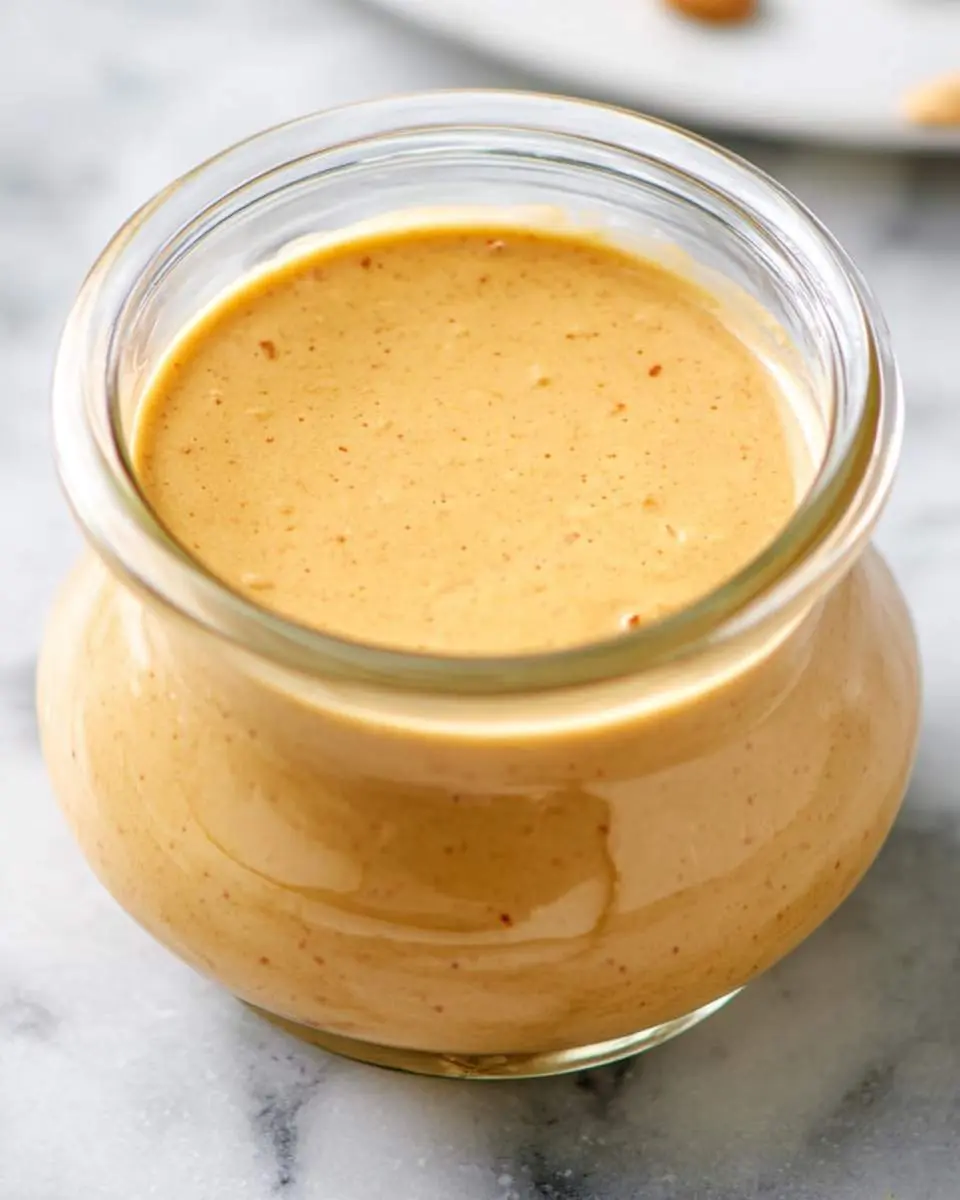
- Store any leftover sauce in an airtight container in the refrigerator for up to 5-7 days. It will thicken considerably when chilled.
- For longer storage, freeze it in small portions in an ice cube tray or freezer-safe container for up to 3 months. Thaw in the fridge overnight.
- Reheat gently on the stovetop over low heat, whisking in a little water or broth to reach your desired consistency as it warms.
Nutritional Benefits
This homemade Thai peanut sauce offers more than just incredible flavor; it actually brings some great nutritional perks to your plate. The star ingredient, peanuts, are packed with healthy monounsaturated fats and plant-based protein, keeping you feeling satisfied. Plus, the fresh ginger provides anti-inflammatory benefits, making this a delicious way to add a wholesome boost to your meals.
FAQs
Can I make this Thai peanut sauce spicy?
Absolutely! I love a little kick myself. You can easily add a pinch of red pepper flakes or a dash of sriracha to the sauce while it’s warming on the stovetop. Taste as you go to find your perfect level of heat.
What can I serve this sauce with?
Oh, the possibilities are endless! I love it drizzled over grilled chicken or shrimp, as a dressing for a noodle salad, with fresh spring rolls, or even as a dip for crunchy vegetables. It’s incredibly versatile!
Can I make this recipe ahead of time?
Yes, this sauce is fantastic for meal prep! I often make a big batch on Sunday. The flavors actually deepen overnight in the fridge, so it often tastes even better the next day when you’re ready to use it.
What kind of peanut butter works best?
I always recommend using a natural, unsweetened creamy peanut butter. This gives you full control over the sweetness and allows the other fresh ingredients to really shine through without competing with added sugars.

Thai Peanut Sauce
Ingredients
Equipment
Method
- In a small saucepan, combine the peanut butter, coconut milk, soy sauce, lime juice, light brown sugar, minced garlic, grated fresh ginger, and Sriracha or red curry paste. Give it a good stir to incorporate everything loosely.
- Place the saucepan over low-medium heat. Whisk continuously for 3-5 minutes, allowing the sauce to gently warm through and become completely smooth and creamy. Be careful not to let it boil vigorously; a gentle simmer is fine.
- Remove the saucepan from the heat. Stir in the rice vinegar and, if you're using it, the fish sauce. These add a crucial layer of tang and umami that really brightens the sauce.
- If the sauce is too thick for your liking – perhaps you want it drizzly for a salad or thinner for dipping – gradually whisk in water or vegetable broth, 1 tablespoon at a time, until it reaches your desired consistency. You want it pourable but still rich.
- Taste the sauce and adjust the seasonings. You might find it needs a little more lime juice for zing, a touch more brown sugar for sweetness, a dash more soy sauce for saltiness, or extra Sriracha if you like more heat. Trust your palate!
- Serve the Thai peanut sauce warm or at room temperature. It's fantastic immediately, but the flavors also meld beautifully if given a little time.
Notes
Serving Suggestions: This versatile sauce is perfect as a dipping sauce for spring rolls, chicken satay, or fresh veggies. It also makes an incredible dressing for cold noodle salads, a glaze for grilled chicken or tofu, or a delicious stir-fry sauce.
Flavor Customization: For a spicier kick, increase the Sriracha or red curry paste. If you prefer it sweeter, add another teaspoon of brown sugar. For a brighter, tangier sauce, a little extra lime juice can work wonders.
Conclusion
Crafting your own Thai peanut sauce from scratch is such a rewarding experience, and I promise you, once you try this recipe, you’ll never go back to store-bought. It brings such a vibrant, comforting flavor to so many dishes. I truly hope you fall in love with it as much as I have, perhaps even pairing it with my sweet chili sauce for a delicious combo!