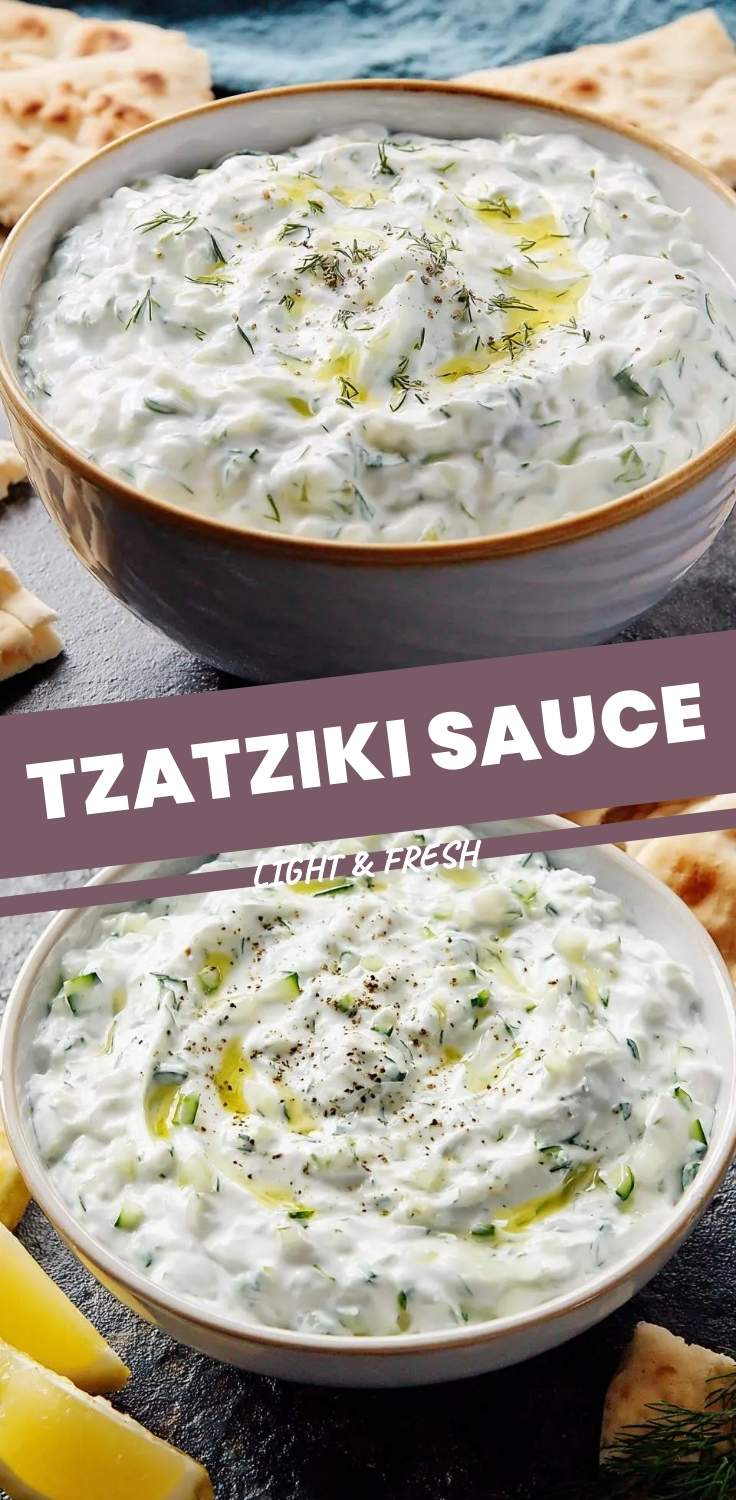
Tzatziki Sauce
There’s something truly magical about the first warm breeze of spring, bringing with it a craving for bright, refreshing flavors. I often find myself dreaming of sunny Mediterranean days, and that feeling always leads me straight to making a batch of homemade Tzatziki Sauce.
I remember the first time I tasted truly authentic tzatziki on a trip to Greece, slathered over warm pita bread. It was an explosion of cool cucumber and zesty garlic that I’ve been trying to recreate in my own kitchen ever since.
That perfect balance of creamy and tangy is what I strive for, much like how I adore the complex layers in a good Thai peanut sauce. This recipe is my absolute favorite way to capture that fresh, vibrant essence at home.
What You Need to Make This Recipe
Crafting the perfect Tzatziki Sauce truly hinges on a few star ingredients. You’ll definitely want to reach for a good quality full-fat Greek yogurt – its thickness is what gives tzatziki that luscious body, unlike other sauces I make, like my rich morel mushroom sauce. Fresh cucumber, grated and thoroughly squeezed of excess water, is also non-negotiable; that step prevents a watery sauce, ensuring a creamy texture that coats your palate beautifully. And of course, plenty of fresh garlic, minced finely, provides that essential pungent kick that makes this sauce so utterly irresistible.
How to Make Tzatziki Sauce
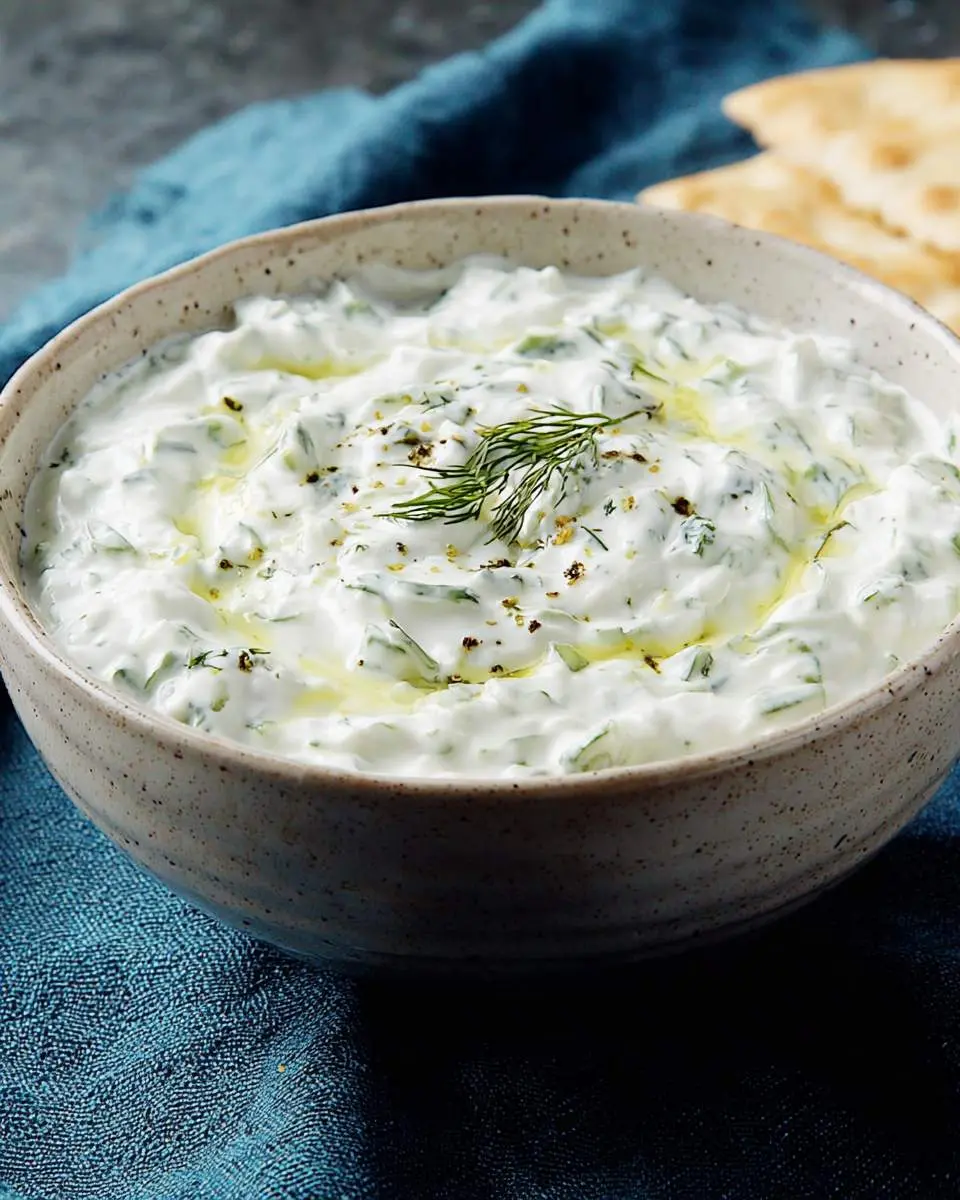
The process of making this sauce is surprisingly simple, yet incredibly satisfying. I always start by grating my cucumber and letting it drain, gently pressing out all that excess moisture; it’s a meditative moment that I really enjoy. Then, I combine the thick Greek yogurt with the drained cucumber, adding in my finely minced garlic and a bright splash of lemon juice.
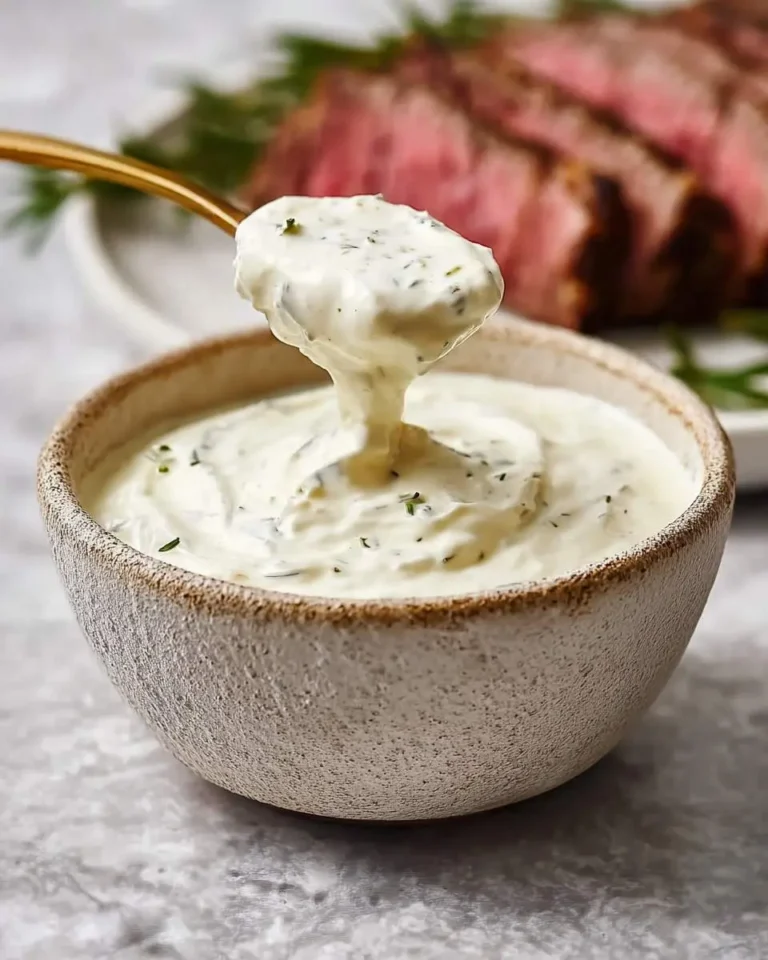
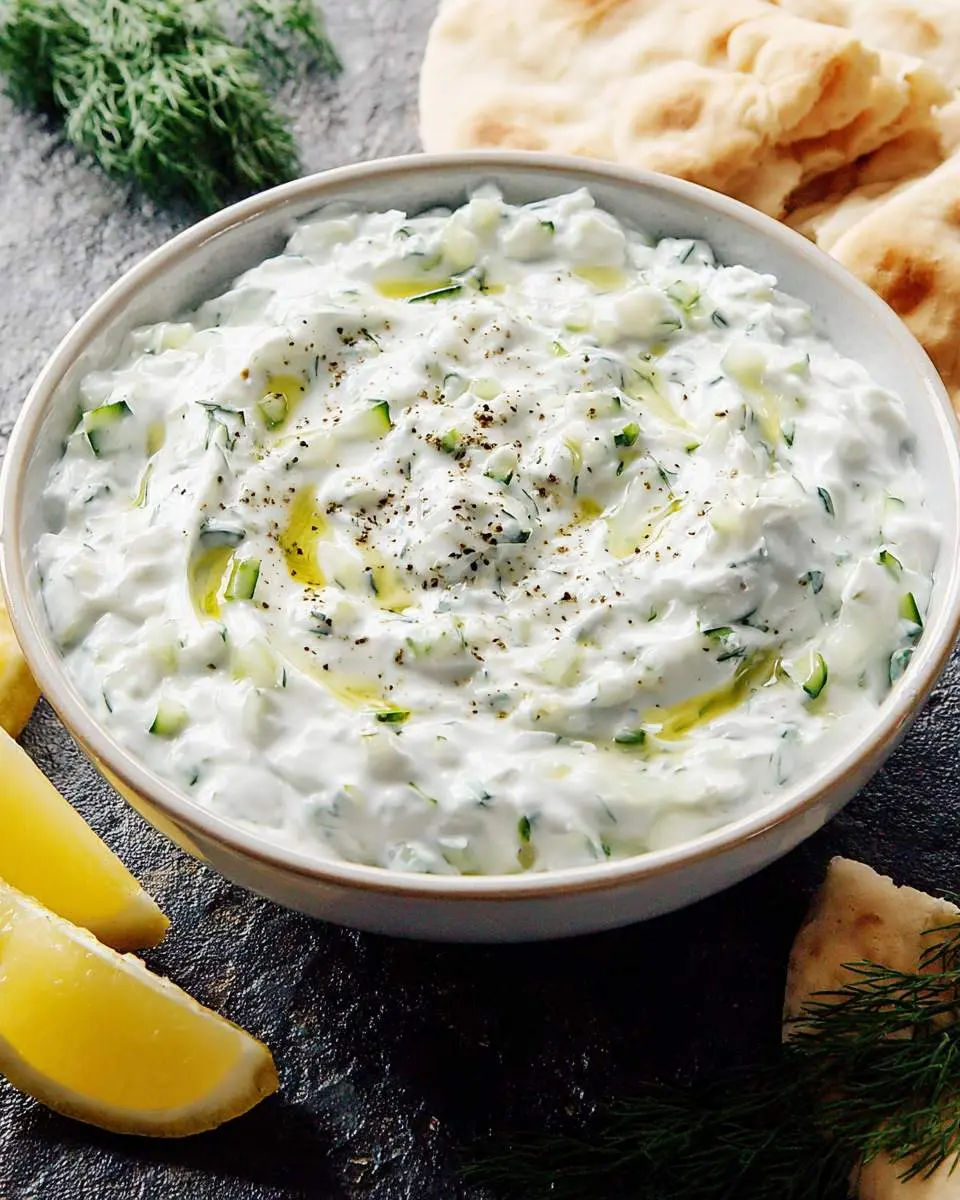
As I stir everything together, the kitchen begins to fill with that wonderful fresh aroma of cucumber mingling with pungent garlic. It reminds me a bit of the way distinct flavors come together in my creamy cilantro garlic sauce. I like to give it a good mix, ensuring all those ingredients are perfectly incorporated, creating a velvety, pale green mixture. A final sprinkle of fresh dill really wakes up the flavors and makes it sing.
Pro Tips
- Always drain your cucumber thoroughly: This step is critical because watery cucumber will dilute your Tzatziki Sauce, leaving it thin and bland instead of rich and creamy. I usually grate it, sprinkle with a little salt, and let it sit in a colander before squeezing it tightly in a clean kitchen towel.
- Use full-fat Greek yogurt: The higher fat content provides a richer, more luxurious mouthfeel and prevents the sauce from separating. Skimping on this will result in a less satisfying texture.
- Let it chill: While you can eat it immediately, giving your tzatziki at least an hour in the fridge allows the flavors to meld beautifully. The garlic and dill really get a chance to infuse the yogurt, creating a more harmonious taste.
My Secret Trick: For an extra layer of bright, fresh flavor, I always add a tiny splash of white wine vinegar along with the lemon juice. It just brightens everything up and adds a subtle tang that truly elevates the sauce.
How to Store Tzatziki Sauce
- Store any leftover tzatziki sauce in an airtight container in the refrigerator.
- It will stay fresh and delicious for up to 3-4 days. I find the flavors actually deepen slightly on day two!
- I don’t recommend freezing tzatziki sauce, as the yogurt base tends to separate and become grainy upon thawing, losing its creamy texture.
- Always serve tzatziki chilled; there’s no need to reheat it.
Nutritional Benefits
Beyond being absolutely delicious, homemade Tzatziki Sauce offers some lovely nutritional benefits. With its base of Greek yogurt, it’s a fantastic source of protein and probiotics, which are wonderful for gut health. The fresh cucumber adds hydration and a good dose of vitamins, while the garlic provides well-known immune-boosting properties. It’s a condiment that truly makes me feel good about eating it.
FAQs
What kind of cucumber is best for Tzatziki?
I always recommend using English or Persian cucumbers because they have fewer seeds and thinner skins, meaning less work for you and a smoother sauce. If you only have regular cucumbers, just scoop out the seeds before grating them to avoid a watery result.
Can I make Tzatziki dairy-free?
Absolutely! I’ve had great success substituting the Greek yogurt with a good quality, plain, unsweetened dairy-free yogurt, preferably one made from almonds or cashews. Just make sure it’s thick, like traditional Greek yogurt, for the best texture.
Why is my Tzatziki bitter?
Bitterness can sometimes come from old garlic or if you’ve used too much of the white part of the green onion if you’re including it. I always taste my garlic before adding it, and make sure to use fresh herbs to keep the flavors bright and clean, avoiding any off notes.
What are some serving suggestions for Tzatziki Sauce?
Oh, the possibilities are endless! I adore it with grilled chicken or lamb, as a dip for warm pita bread and fresh veggies, or even as a spread on sandwiches. It adds a refreshing, tangy counterpoint to so many dishes, making it incredibly versatile.

Tzatziki Sauce
Ingredients
Equipment
Method
- Using a box grater, coarsely grate the English cucumber. Place the grated cucumber in a fine-mesh sieve or a clean kitchen towel. Sprinkle with 0.5 teaspoon of kosher salt and let it sit for 10-15 minutes to draw out excess water. Firmly squeeze out as much liquid as possible from the cucumber – this step is crucial for thick, non-watery tzatziki.
- In a medium-sized mixing bowl, combine the drained grated cucumber, cold Greek yogurt, minced garlic, finely chopped fresh dill, extra virgin olive oil, and red wine vinegar (or lemon juice).
- Add the remaining 0.25 teaspoon of kosher salt and the freshly ground black pepper. Stir all ingredients together thoroughly until well combined. Give it a taste and adjust seasonings, adding more salt, pepper, or a touch more vinegar if needed.
- Cover the bowl and refrigerate the tzatziki for at least 30 minutes. This allows the flavors to meld beautifully and the sauce to chill completely, making it even more refreshing. For the best flavor, chill for 2-4 hours if time allows.
- Before serving, give the tzatziki another quick stir. Garnish with a fresh dill sprig and a drizzle of olive oil, if desired. Serve cold with pita bread, crudités, or as a condiment for grilled meats like souvlaki or gyros.
Notes
Conclusion
I genuinely hope you try making this homemade Tzatziki Sauce for yourself. There’s something so rewarding about creating such a vibrant and flavorful sauce from scratch, much like how a simple lemon basil vinaigrette can transform a salad. It truly elevates any meal it graces and brings a touch of that Mediterranean sun right to your table. Enjoy every delicious, refreshing bite!