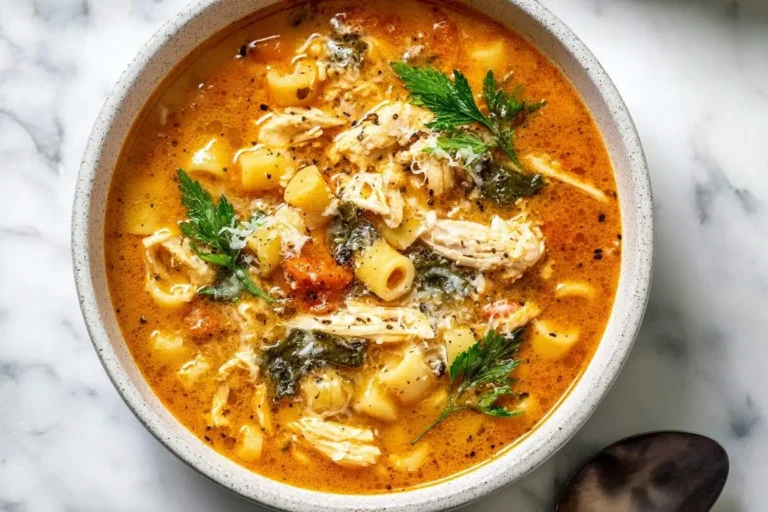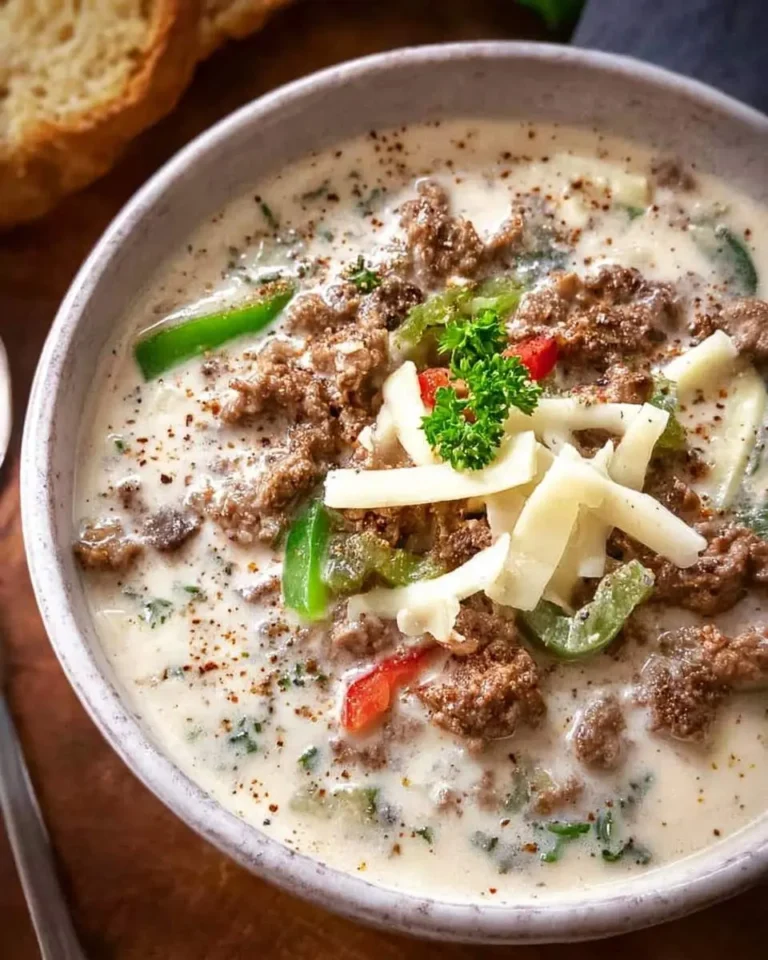
korean beef ramen
There’s nothing quite like the incredible warmth of a homemade bowl of ramen on a chilly evening. For me, the rich aroma alone of my Spicy Korean Beef Ramen with Gochujang Broth instantly brings back vivid memories of bustling Seoul markets and delightful late-night cravings after exploring the vibrant city. The robust, spicy gochujang broth, tender marinated beef, and those wonderfully slurp-worthy noodles create a symphony of flavors and satisfying textures that just hugs my soul. It’s truly an invigorating dish, much like my hearty meatball orzo soup which always hits the spot perfectly. This korean beef ramen isn’t just food; it’s an experience I deeply cherish.
Why This Dish is a Go-To in My Kitchen
I absolutely adore this Spicy Korean Beef Ramen because it delivers incredible depth of flavor without demanding an entire day in the kitchen. With just 20 minutes of dedicated prep and 25 minutes of active cook time, I can whip up a truly restaurant-quality meal that satisfies even the deepest cravings. The combination of succulent flank steak or sirloin, expertly marinated in a blend of savory soy, brown sugar, and sesame oil, alongside the vibrant gochujang and gochugaru in the broth, creates an unforgettable taste. It’s truly the perfect balance of savory, sweet, and spicy that always leaves me feeling incredibly satisfied.
What Goes Into My Favorite Spicy Korean Beef Ramen
For the authentic kick, gochujang and gochugaru are vital; their unique heat and umami transform the broth. I always pick fresh garlic and ginger for their aromatic punch, elevating the entire dish. If I’m in the mood for another comforting noodle dish, my chicken pot pie soup often comes to mind. Good quality beef broth is also key for a rich foundation.


Spicy Korean Beef Ramen with Gochujang Broth
Ingredients
Equipment
Method
- Thinly slice the flank steak against the grain into bite-sized pieces. In a small bowl, whisk together the soy sauce, brown sugar, sesame oil, minced garlic, grated ginger, and black pepper for the marinade.
- Add the sliced beef to the marinade, toss to coat, and let it marinate at room temperature for at least 15 minutes while you prepare other ingredients, or refrigerate for up to 4 hours.
- Prepare your eggs as desired: soft-boil for 6-7 minutes, then immediately transfer to an ice bath before peeling and halving, or fry them sunny-side up.
- Chop the scallions, roughly chop the bok choy, and slice the shiitake mushrooms. Set aside.
- Heat a skillet over medium-high heat. Once hot, add the marinated beef in a single layer (cook in batches if necessary to avoid overcrowding) and sear for 2-3 minutes per side until browned. Remove the beef from the skillet and set aside.
- In a large pot, heat 1 tablespoon of sesame oil over medium heat. Add the minced garlic and grated ginger and sauté for about 1 minute until fragrant.
- Stir in the gochujang and gochugaru (if using) and cook for another minute, stirring constantly, to bloom the flavors.
- Pour in the beef broth, scraping up any browned bits from the bottom of the pot. Whisk in the soy sauce, rice vinegar, and sugar. Bring the broth to a simmer, then reduce heat and let it gently simmer for 5-7 minutes to allow the flavors to meld.
- Add the sliced shiitake mushrooms and bok choy to the simmering broth and cook for 2-3 minutes until the bok choy is slightly wilted but still has a bite.
- While the broth simmers, cook the instant ramen noodles in a separate pot of boiling water according to package directions (usually 2-3 minutes). Drain well.
- Divide the cooked ramen noodles into two serving bowls. Ladle the hot broth with mushrooms and bok choy over the noodles.
- Arrange the seared beef slices, halved eggs, chopped scallions, crumbled roasted seaweed, and a sprinkle of toasted sesame seeds on top of each bowl. Serve immediately and enjoy!
Notes
My Approach to Making Spicy Korean Beef Ramen
My journey to this glorious bowl starts with marinating the beef – this step is absolutely crucial for infusing flavor, so let it soak up all that goodness! While the beef rests, I quickly prep all my toppings like crisp bok choy, earthy shiitake mushrooms, and fresh scallions, ensuring everything is perfectly ready to go. Then, it’s time to cook the beef and carefully build that incredible gochujang broth. Finally, I cook the instant ramen noodles separately and assemble everything with care. It’s a joyful process, much like creating my favorite curry udon noodle soup, always rewarding.

My Tips for the Perfect Outcome
- Don’t rush the beef marinade; it’s where much of the complex flavor develops for your flank steak or sirloin.
- Taste the broth and adjust the gochujang and gochugaru to your personal spice preference.
- Always cook the ramen noodles separately and add them at the last minute to prevent sogginess.
- Soft-boiled eggs are a game-changer; achieve that perfect, jammy yolk!
How I Serve and Store This Dish
I love serving this ramen piping hot, topped with beautifully sliced scallions, fresh bok choy, tender shiitake mushrooms, and a perfectly jammy soft-boiled egg. A sprinkle of toasted sesame seeds and some roasted seaweed snacks add a lovely crunch and extra umami dimension. If I have leftovers, I store the broth and toppings separately from the cooked noodles in airtight containers in the fridge for up to 2-3 days. Reheat the broth, then add fresh noodles for the best texture.
Faq 1
Can I use a different cut of beef for this ramen? Absolutely! While flank steak or sirloin are my favorites for tenderness and absorbing the marinade really well, you could also use thinly sliced ribeye. Just ensure the beef is sliced against the grain for maximum tenderness and a delightful chew.
Faq 2
How can I make this ramen less spicy? To reduce the heat in your bowl, simply lessen the amount of gochugaru (Korean chili flakes) you add to the broth when cooking. I always recommend starting with less and incrementally adding more until it reaches your absolute perfect spice level.
Faq 3
Can I make a vegetarian version of this ramen? Yes, you certainly can adapt it! Substitute the beef broth with a rich vegetable broth and omit the beef entirely. You can add extra shiitake mushrooms, firm tofu cubes, or even some edamame for protein. The gochujang broth base will remain incredibly flavorful and satisfying.
Faq 4
What are roasted seaweed snacks used for in this recipe? Roasted seaweed snacks add a fantastic textural contrast and a delightful burst of umami flavor to the ramen. I love crushing them over the top just before serving for that extra savory crunch and an authentic Korean touch. They truly complement the rich broth beautifully.
Conclusion
This recipe holds a special place in my heart, and I truly hope it brings as much joy to your table as it does to mine. The rich, spicy, and deeply comforting flavors of this korean beef ramen make it a true standout. If you try it, I’d absolutely love to hear what you think and see your creations! It’s as soul-satisfying as my hearty beef noodle soup.