Focaccia with Tomatoes
The first time I pulled a golden sheet of Focaccia with Tomatoes from my oven, I stood there staring at it like I’d invented something revolutionary. Those blistered cherry tomatoes had burst into little pools of sweet-savory jam, and the olive oil had turned the crust into something shatteringly crisp at the edges yet impossibly tender within. I tore off a corner while it was still too hot to handle, and the steam carried the smell of roasted garlic and fresh rosemary straight into my face.
That afternoon reminded me of a trip to a tiny bakery in Boston’s North End, where an old man behind the counter handed me a still-warm square wrapped in wax paper. I ate it walking down Hanover Street, tomato oil dripping down my wrist, and I knew I needed to recreate that feeling in my own kitchen. Some breads demand perfection, but focaccia forgives. It wants you to poke it, to leave fingerprints, to be a little messy.
What I love most is how the tomatoes transform during baking — they don’t just sit on top, they melt into the dough and create these pockets of intense flavor. If you’re new to yeasted breads, this is where I always point people. My garlic herb flatbread is a gentler introduction, but this focaccia builds on those same instincts.
What You Need to Make This Recipe
The dough itself is simple — bread flour for chew, instant yeast for reliability, and more olive oil than feels reasonable until you taste the result. But the tomatoes are where your choice matters. I use cherry tomatoes because their skins hold up under heat while their insides collapse into concentrated sweetness. A good flaky sea salt sprinkled just before baking doesn’t just season; it draws moisture from the tomatoes and helps them roast rather than steam. The rosemary should be fresh, not dried — the difference in fragrance is immediate and irreversible. For anyone building their bread confidence, my multiseed sandwich bread taught me that patience with yeast pays off in every other loaf.

How to Make Focaccia with Tomatoes
I start the dough the night before, mixing everything together until it just comes together into a shaggy, sticky mass. There’s no kneading — just a series of folds over the next hour while I putter around the kitchen. The dough grows puffy and alive, full of bubbles you can see when you tilt the bowl toward the light. The next morning, I pour it into an oiled sheet pan and let it relax for hours, spreading itself into the corners without my help.
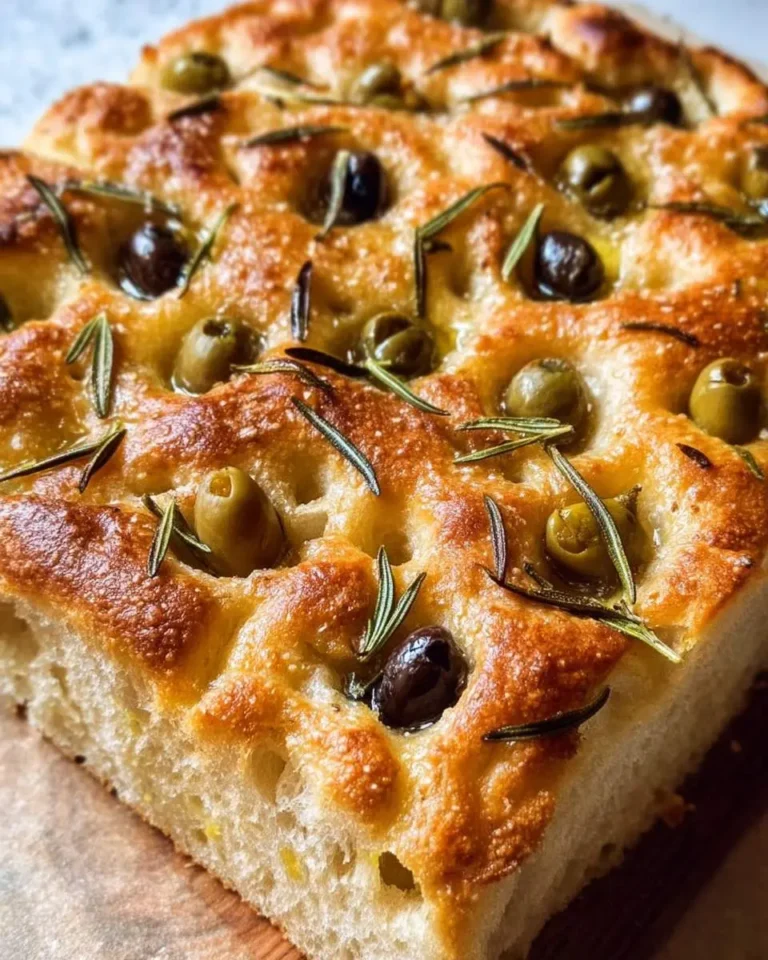
The dimpled surface is my favorite part. I oil my fingertips and press straight down, creating little reservoirs that will hold pools of olive oil and tomato juice. I nestle the halved tomatoes into these dimples, cut-side up, and watch them settle in like they’re finding their assigned seats. The oven needs to be screaming hot — 450°F — so the bottom crisps before the top burns. In about twenty minutes, the smell shifts from yeasty to toasty to something almost caramelized. The tomatoes will look slightly charred at the edges. That’s when you know.
If you’ve made rosemary focaccia bread before, the process will feel familiar, but the tomatoes add a wetness that requires that hot oven and a slightly longer bake.
Pro Tips
Don’t rush the cold rise. An overnight rest in the refrigerator develops flavor compounds you simply can’t get in a single day. The dough also becomes easier to handle, less sticky and more cooperative.
Press the tomatoes deeply. If they sit too high, they’ll slide off when you slice. Nestled into the dimples, they roast in their own juices and adhere to the surface.
Save some tomato juice. When you halve the cherry tomatoes, there’s often liquid in the container. Drizzle this over the dough before baking — it adds another layer of tomato intensity without watering down the crumb.
My Secret Trick: I scatter thinly sliced garlic on the dough during the last five minutes of baking. Any earlier and it burns bitter; this timing leaves it golden and sweet, almost like roasted garlic confit embedded in the crust.

How to Store Focaccia with Tomatoes
- Room temperature: Wrap tightly in foil or place in an airtight container for up to 2 days. The tomatoes make the crumb more moist than plain focaccia, so it stales faster.
- Refrigerator: Not recommended. The cold hardens the olive oil in the dough and turns the texture leathery.
- Freezer: Slice into portions, wrap individually in plastic wrap, then foil. Freeze up to 1 month. Thaw at room temperature for 2 hours.
- Reheating: Place directly on a 375°F oven rack for 8-10 minutes. The crust recrisps while the interior warms through. Avoid the microwave — it steams the tomatoes and ruins the texture.
Nutritional Benefits
Focaccia with Tomatoes carries more nutritional weight than its indulgent reputation suggests. The tomatoes contribute lycopene, which becomes more bioavailable through the heat of baking, and the substantial olive oil content provides monounsaturated fats that support heart health. Using bread flour rather than all-purpose also means more protein per slice, which helps balance the carbohydrate load and keeps me satisfied longer than commercial bread ever does.

FAQs
Can I use dried tomatoes instead of fresh?
Rehydrated sun-dried tomatoes work, but they lack the juiciness that makes this bread special. If you must substitute, use oil-packed tomatoes and drain them well, then add an extra drizzle of oil to compensate for lost moisture.
Why did my focaccia turn out dense and heavy?
Underproofing is almost always the culprit. The dough needs to double in volume during both rises — cold and room temperature. Rushing this step traps excess moisture and prevents the airy, open crumb that defines good focaccia.
Can I make this without a stand mixer?
Absolutely. I never use one. A wooden spoon and your hands are sufficient — the high hydration means minimal kneading. The stretch-and-fold technique develops gluten without the arm workout of traditional kneading.
What pan size works best for Focaccia with Tomatoes?
A standard half-sheet pan (13×18 inches) gives you the ideal thickness — about one inch — with plenty of surface area for tomatoes. Too deep a pan yields a bready, sandwich-like result; too large and it becomes cracker-thin.


Focaccia with Tomatoes
Ingredients
Equipment
Method
- In a large bowl or stand mixer, combine warm water, yeast, and honey. Let stand 5 minutes until foamy. Add bread flour, 2 tablespoons olive oil, and kosher salt. Mix on low speed until a shaggy dough forms, then knead on medium-low for 8 minutes until smooth and elastic. The dough should clear the sides of the bowl but stick slightly to the bottom.
- Transfer dough to an oiled bowl, turn to coat, and cover with plastic wrap. Let rise at room temperature until doubled, about 1 to 1.5 hours. Press the dough gently - it should leave a slight indentation that slowly springs back.
- Pour 2 tablespoons olive oil into a 9x13 inch pan, tilting to coat the bottom and halfway up the sides. Turn dough out into the pan and use your fingertips to dimple and stretch it to fit. It will spring back - that is fine. Cover and let rest 20 minutes.
- Return to the dough and use oiled fingertips to dimple and stretch it again, working it into the corners. The dimples should be deep - they will hold the olive oil. Cover and let rise until puffy and nearly doubled, about 45 minutes.
- Preheat oven to 450°F. Press halved cherry tomatoes cut-side-up into the dough, nestling them into the dimples. Scatter chopped rosemary over top, drizzle with remaining 3 tablespoons olive oil, and sprinkle with flaky sea salt.
- Bake 22-25 minutes until the top is deeply golden and the internal temperature reaches 200°F. The tomatoes should be blistered and jammy. Immediately run a spatula around the edges and transfer to a wire rack. Let cool at least 15 minutes before slicing - this sets the crumb and keeps it from getting gummy.
Notes
Conclusion
This Focaccia with Tomatoes has become my signature bring-along for gatherings — people remember it, ask for it, expect it. The combination of crispy, chewy, sweet, and savory hits something primal in the appetite. If you’re ready to explore more variations, my olive rosemary focaccia takes these same techniques in a brinier direction. Either way, start the dough tonight. Tomorrow you’ll understand why I can’t stop talking about it.