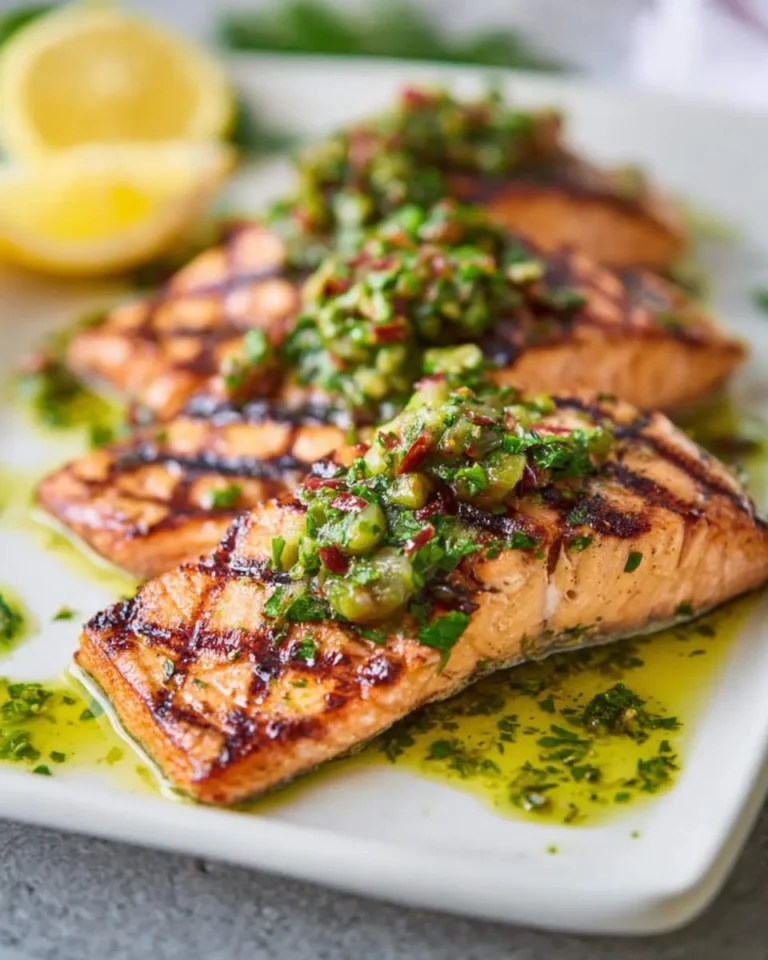
Orange Glazed Salmon
The first time I reduced fresh orange juice into a sticky, fragrant glaze, I stood over the stove watching it bubble and thicken like some kind of kitchen alchemy. That caramel-citrus scent wrapping around my kitchen is what made me fall hard for orange glazed salmon , a dish that feels fancy but comes together on a Tuesday night when I barely have the energy to chop an onion.
My grandmother kept a bowl of oranges on her counter year-round, and whenever I zest one now, I’m right back in her yellow kitchen, sneaking segments while she wasn’t looking. She never cooked salmon , too expensive, she said , but I like to think she’d approve of how I bridge that old sweetness with something she never got to try.
This recipe has become my quiet rebellion against boring weeknight protein. If you’re into bold, bright seafood like I am, you might also love my baked Mediterranean sardines , they’re unapologetically flavorful in the best way.
What You Need to Make This Recipe
The salmon itself matters here , I reach for center-cut fillets with that thick, even thickness so the middle stays silky while the glaze sets on top. Fresh orange juice is non-negotiable; the bottled stuff lacks the oils in the zest that make this glaze actually taste like oranges instead of orange candy. A spoonful of soy sauce rounds everything out with savory depth that keeps the sweetness in check. I learned that balance the hard way after a batch that was essentially dessert fish, which is why I now lean on lessons from my coconut curry salmon , another recipe where that sweet-savory line is everything.
How to Make Orange Glazed Salmon
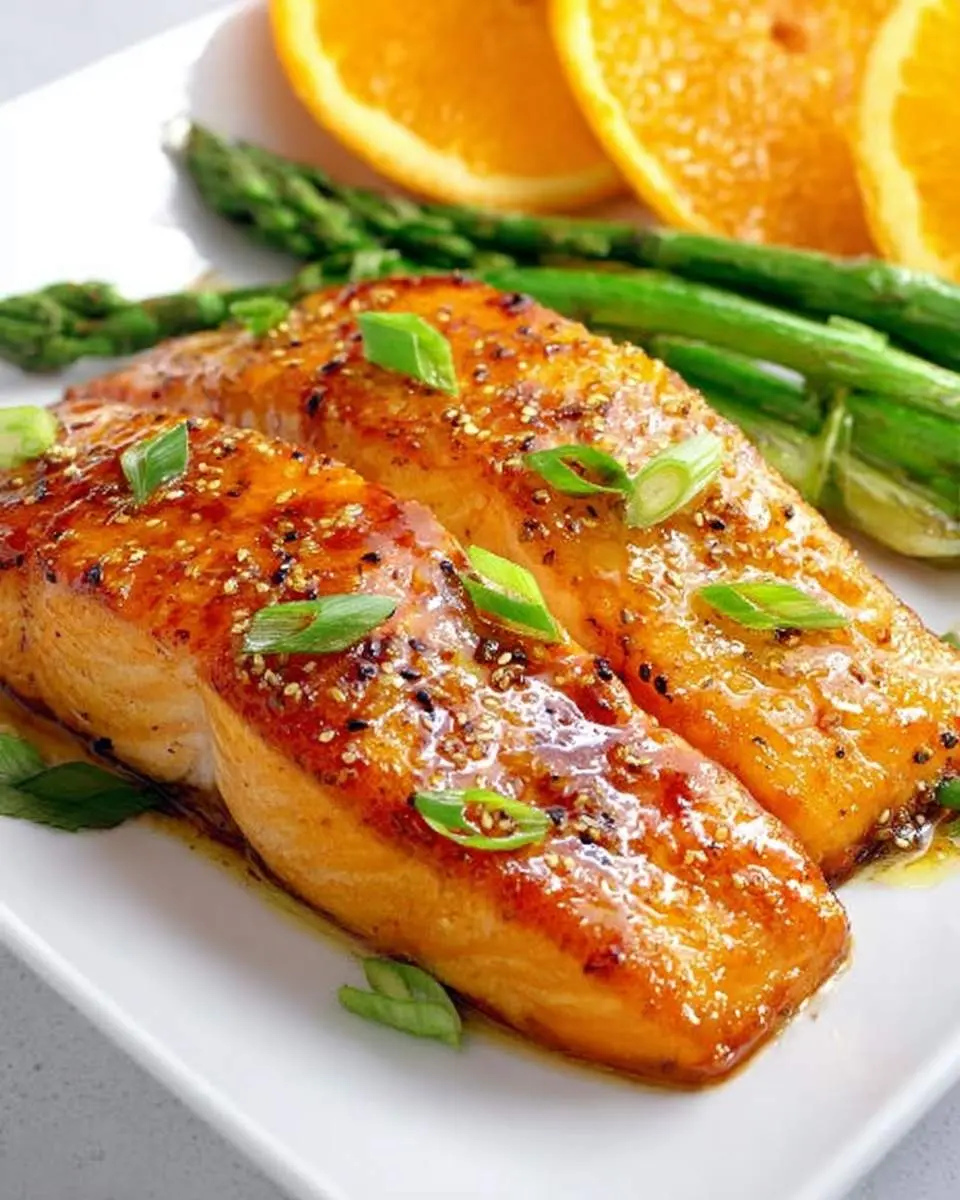
I start by patting the salmon aggressively dry , moisture is the enemy of that lacquered finish we want. The glaze simmers while the oven heats, and I watch it closely because it goes from perfect to burnt in about thirty seconds of inattention. There’s this moment when the bubbles get smaller and slower, and the liquid turns from orange to amber , that’s when I pull it off the heat.
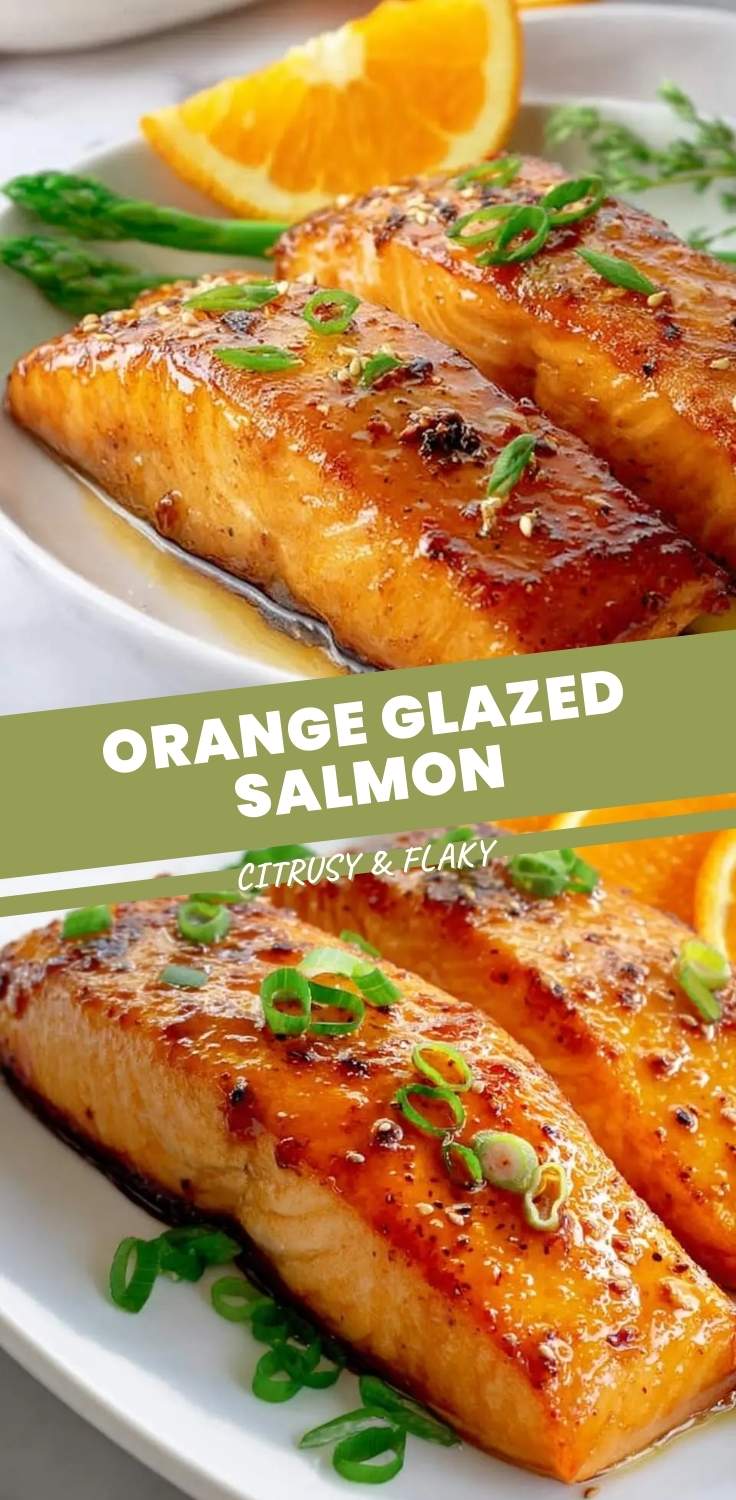
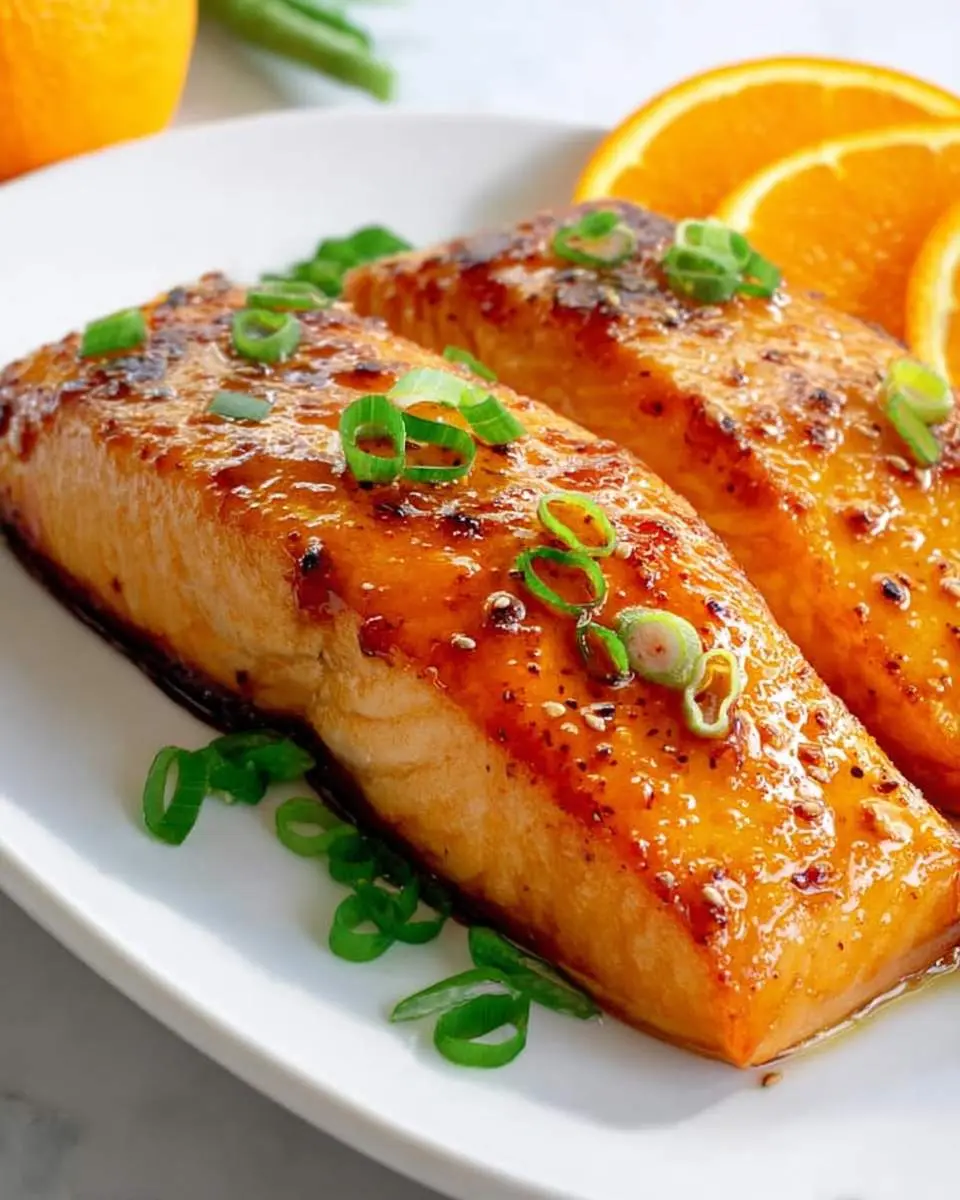
The salmon goes in hot, and I brush on the first layer of glaze about halfway through. The kitchen fills with this toasty, caramelized citrus smell that makes my husband wander in asking what’s for dinner. By the final brush, the top gets these little charred edges that crackle when you cut into them. I’ve made this enough times now that I can time it by smell alone, though I still set a timer because hubris ruins good fish. For another approach to glazed salmon, my maple pecan glazed salmon uses a similar technique with completely different results.
Pro Tips
Let the glaze cool slightly before the first brush. Hot glaze runs straight off the fish into the pan, leaving you with naked salmon and a sticky baking sheet. Slightly cooled glaze clings like paint.
Score the skin-side lightly in a crosshatch. This isn’t for crispness , it’s so the glaze can creep into those little grooves and flavor gets everywhere, not just the top surface.
Rest the salmon for four minutes, not two, not ten. Four minutes lets the juices settle without letting the glaze go tacky and cold. I time this obsessively now.
My Secret Trick: I save a tablespoon of the raw glaze before it hits the heat and drizzle it over the finished salmon right before serving. That uncooked brightness against the caramelized layer makes the whole dish taste three-dimensional instead of one-note sweet.
How to Store Orange Glazed Salmon
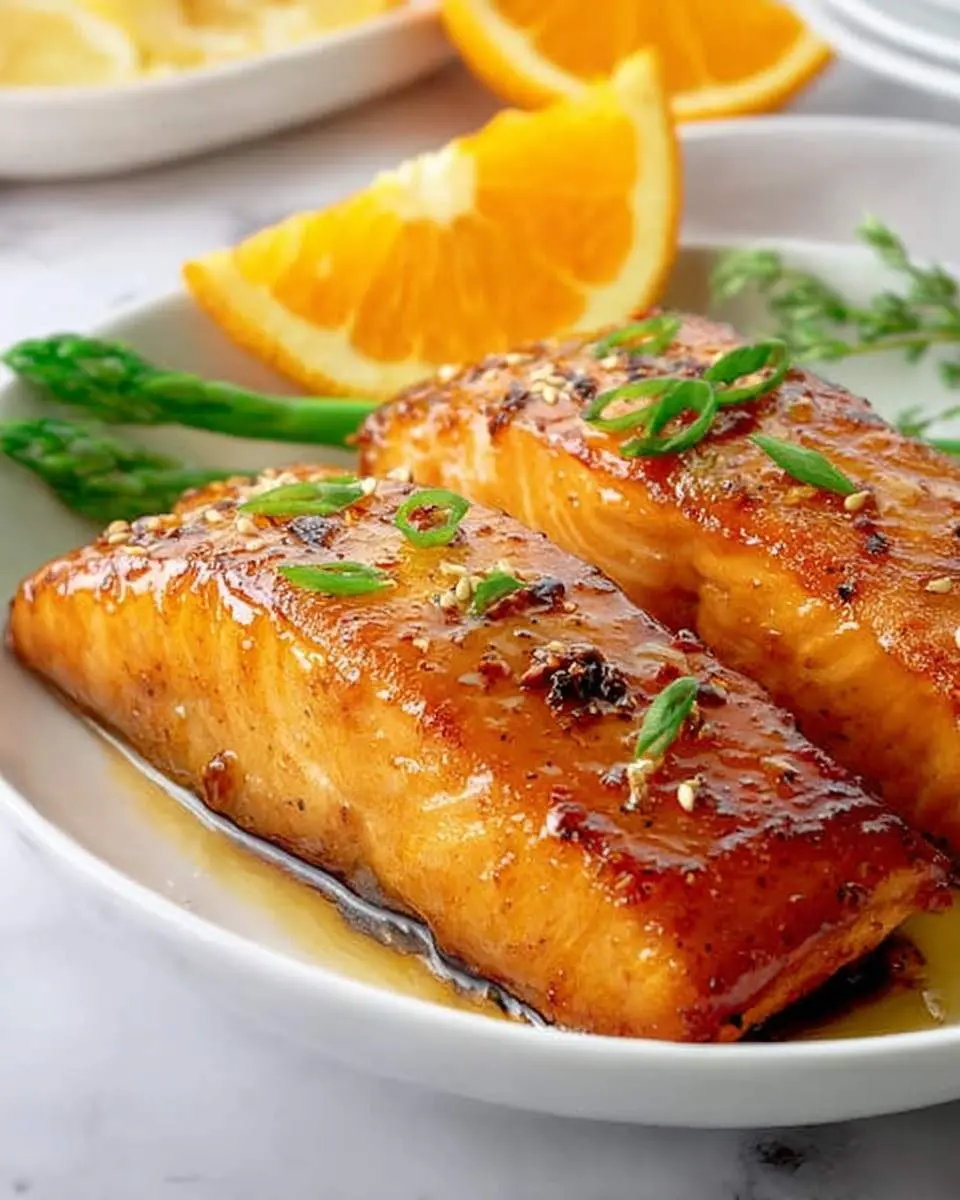
- Refrigerate in an airtight glass container for up to 3 days , the glaze keeps the salmon from drying out, but the texture softens after day two.
- Freeze only the unglazed cooked salmon wrapped tightly in plastic then foil, up to 2 months; the glaze doesn’t freeze well and gets weepy upon thawing.
- Reheat in a 300°F oven, covered loosely with foil, for 10-12 minutes , the microwave turns the glaze gummy and the fish rubbery.
- Store leftover glaze separately in a small jar, refrigerated up to 5 days; it thickens cold and needs a quick warm-up to become brushable again.
Nutritional Benefits
Orange glazed salmon delivers serious omega-3s from the fatty fish, which my doctor keeps reminding me about, plus the fresh orange juice brings actual vitamin C to the party , not something I can say about most glazes that rely on brown sugar alone. The salmon’s natural oils also help your body absorb that fat-soluble vitamin, so the pairing isn’t just delicious, it’s actually working smarter together.
FAQs
Can I use bottled orange juice instead of fresh?
Fresh juice is worth the squeeze here , bottled lacks the zest oils that give this glaze its real orange punch. If you’re desperate, add extra zest to compensate, but the flavor won’t have the same brightness or complexity.
How do I know when the salmon is done without drying it out?
I look for the flesh to turn opaque about three-quarters of the way up the side, then pull it , carryover cooking finishes the rest. The center should still have a slight translucency when you cut in.
Can I make the glaze ahead of time?
Absolutely, and I often do. It keeps refrigerated up to five days and reheats gently in a small saucepan. You’ll need to add a splash of water to loosen it back to brushing consistency.
What sides work best with orange glazed salmon?
I love something bitter or earthy to balance the sweetness , roasted broccoli with lemon, or black rice with a little sesame. Orange glazed salmon needs a counterpoint, not more sugar on the plate.

Orange Glazed Salmon
Ingredients
Equipment
Method
- Pat salmon fillets dry with paper towels. Season evenly with 1/2 teaspoon salt and the black pepper. Let sit at room temperature while you make the glaze.
- In a small saucepan, combine orange juice, orange zest, soy sauce, honey, rice vinegar, garlic, ginger, and remaining 1/4 teaspoon salt. Bring to a boil over medium-high heat, then reduce to a simmer. Cook until reduced by half and syrupy, 12 to 15 minutes. You should have about 1/3 cup. Remove from heat.
- Heat olive oil in a large oven-safe skillet over medium-high heat until shimmering. Add salmon skin-side up and cook without moving until a golden crust forms, 3 to 4 minutes. Flip and cook 1 minute more.
- Pour the warm glaze over the salmon, spooning it up over the fillets. Transfer skillet to a 400°F oven and bake until salmon flakes easily and glaze is sticky and caramelized at the edges, 6 to 8 minutes for medium doneness.
- Transfer salmon to plates. Whisk cold butter into the remaining glaze in the pan until glossy and emulsified. Spoon over the salmon and garnish with scallions.
Notes
Conclusion
This orange glazed salmon has earned its spot in my regular rotation not because it’s impressive , though it is , but because it genuinely makes me happy to cook and eat. The bright glaze against rich fish feels like a small celebration, even on the most ordinary night. If sweet-savory seafood is your thing, don’t miss my apricot dijon salmon , it plays in the same sandbox with a completely different mood. Give this one a try, and let me know if that first smell of reducing oranges hooks you too.